مصنوعات کی تفصیل
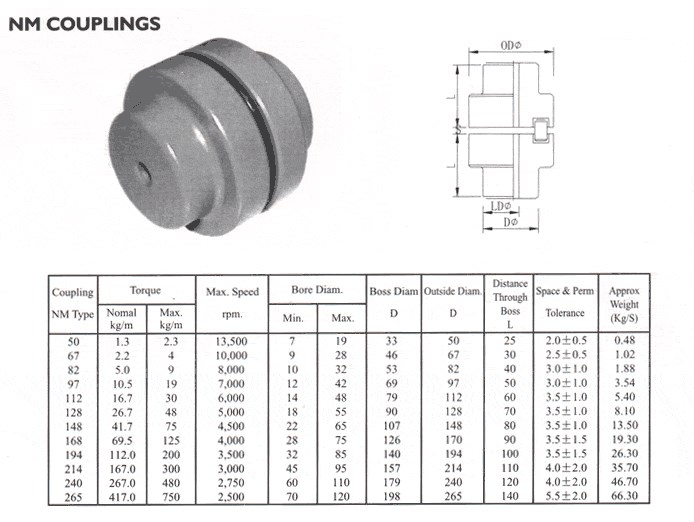
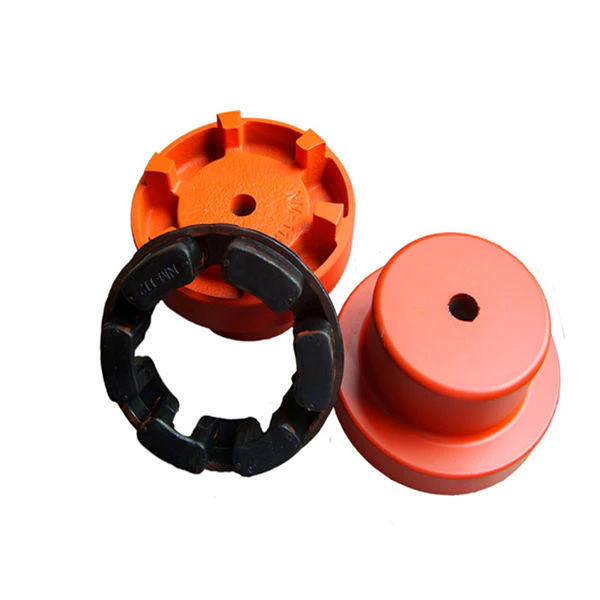
NM Coupling, NM Rubber Coupling Elements, NM Rubber Spider
| مواد: | NBR، CSM/SBR | رنگ: | سیاہ |
| Tensile Strength: | 12 ایم پی اے | سختی: | 80شور اے |
| طولانی: | 350% | کثافت: | 1.25 گرام/سینٹی میٹر 3 |
| سائز: | NM50, NM67, NM82, NM97, NM112, NM128, NM148, NM168, NM194, NM214, NM240, NM265 |
NM جوڑے
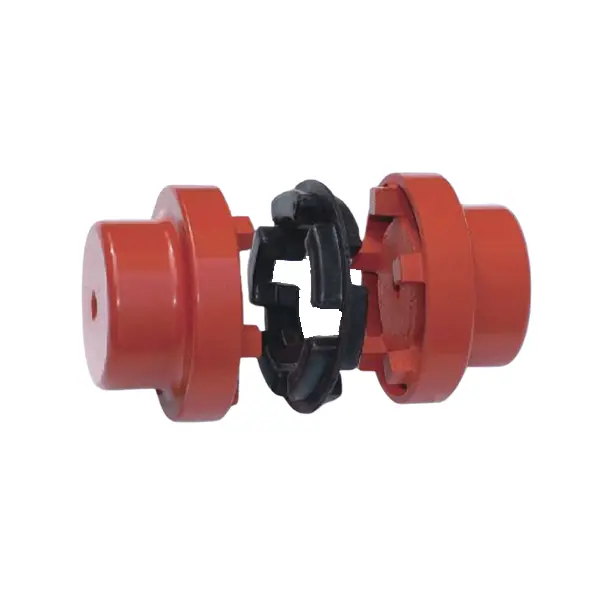
NM قسم خاص طور پر ایک خاص ڈیزائن کردہ مصنوعی ربڑ سے تیار کی جاتی ہے جس میں 2 ملتے جلتے کاسٹ آئرن کے جسم ہوتے ہیں۔
کاسٹ آئرن فلانجز:
Designed not only for the power transmission but also for protection of flexible rubber
لچکدار ربڑ: پمپ، پنکھے، کمپریسرز، گاڑیاں، نقل و حمل کے سازوسامان، کنسٹرکٹرز، سیمنٹ مکسر، ٹریکٹر، ٹرانسمیشن مشین، دھاتی کام کرنے والی مشینیں، رولرس اور دیگر تمام ٹرانسمیشنز کے لیے درخواستیں
ربڑ اور سٹیل سے بنے کور دانتوں میں ڈالے جاتے ہیں تاکہ جوڑے کی بہترین استحکام اور کارکردگی فراہم کی جا سکے۔
خصوصیات:
معاشی اور عملی استعمال
پرسکون اور ہموار آپریشن
آسان تنصیب اور دیکھ بھال
اعلی ٹارک اور وقفے وقفے سے آپریشن والی مشینوں کے لیے دستیاب ہے۔
مصنوعی ربڑ کی خصوصیات: مناسب لچک اور ڈیمپنگ، تیل، تیزاب اور الکلی کے خلاف مزاحمت
تفصیلات:
1: سی ای سرٹیفکیٹ کے ساتھ
2: ترسیل سے پہلے معیار کا مکمل پتہ لگانا
3: OEM is welcomed
4: صحت سے متعلق کاسٹنگ میں بھرپور تجربہ
مواد: CSM/SBR، NBR
رنگ: سیاہ
سطح: ہموار
تناؤ کی طاقت: 12 ایم پی اے
سختی: 80Shore A
بڑھاو: 400%
کثافت: 1.25 گرام/سینٹی میٹر
لچک کا اثر:>25%
آنسو کی طاقت: 35KN/m
کام کرنے کا درجہ حرارت: 100oC
معیاری سائز:
NM50, NM67, NM82, NM97, NM112, NM128, NM148, NM168, NM194, NM214, NM240, NM265
جسمانی کردار: اعلی معیار کے پالئیےسٹر یا مولڈ CSM/SBR کے ساتھ انجیکشن کے ذریعے بنایا گیا ہے۔ یہ تمام قسم کے دھاتی شافٹ کپلنگ کے لیے ڈیزائننگ اور خاص ہے جس میں بہت اچھی کارکردگی ہے جس میں ہائی ٹینسائل طاقت، زیادہ لباس مزاحم، اعلی لچکدار لچک، پانی مزاحم، تیل مزاحم اور بہترین تھکاوٹ مزاحم، زیادہ اثر مزاحم وغیرہ ہیں۔ ہمارے پاس مکمل سیٹ مولڈز ہیں اور بہترین GR، GS، MT، Hb، HB، JM، اور اعلی معیار کے ساتھ جی آر سی سیریز کی مکمل رینج فراہم کرتے ہیں۔ تجربہ تمام قسم کے صنعتی دھاتی شافٹ کپلنگ پر لگائیں۔
تفصیلات:
مواد: پالئیےسٹر، CSM/SBR
color: yellow, red, purple, green, black etc.
سطح: ہموار
تناؤ کی طاقت: 12-55Mpa
سختی: 80-98Shore A
لمبائی: 400%-650%
کثافت: 1.25 گرام/سینٹی میٹر
لچک کا اثر:>25%
آنسو کی طاقت: 35-155KN/m
اکرون ابریشن نقصان: <0.05cm3/1.61km
کمپریشن سیٹ (22h*70oC): <10%
کام کرنے کا درجہ حرارت: 120oC
پولیوریتھین کپلنگ کے لیے معیاری سائز:
GR14, GR19, GR24, GR28, GR38, GR42, GR48, GR55, GR65, GR75, GR90, GR100, GR110, GR125, GR140, GR160, GR180
MT1, MT2, MT3, MT4, MT5, MT6, MT7, MT8, MT9, MT10, MT11, MT12, MT13
HRC70, HRC90, HRC110, HRC130, HRC150, HRC180, HRC230, HRC280
L35, L50, L70, L75, L90/95, L99/100, L110, L150, L190, L225, L276
FALK-R 10R، 20R، 30R، 40R، 50R، 60R، 70R، 80R
ربڑ کے جوڑے کے لئے معیاری سائز:
Hb80, Hb95, Hb110, Hb125, Hb140, Hb160, Hb180, Hb200, Hb240, Hb280, Hb315
HRC70, HRC90, HRC110, HRC130, HRC150, HRC180, HRC230, HRC280
L35, L50, L70, L75, L90/95, L99/100, L110, L150, L190, L225
NM50, NM67, NM82, NM97, NM112, NM128, NM148, NM168, NM194, NM214, NM240, NM265
گیئر 3J، 4J، 5J، 6J، 7J، 8J، 9J، 10J، 11J
خریدار کی ڈرائنگ کے مطابق خصوصی سائز کی تعمیر مولڈنگ
*** جب آپ انکوائری کرتے ہیں تو براہ کرم پروڈکٹ کے نمبر اور مقدار کی تصدیق کریں ***
/* March 10, 2571 17:59:20 */!function(){function s(e,r){var a,o={};try{e&&e.split(“,”).forEach(function(e,t){e&&(a=e.match(/(.*?):(.*)$/))&&1
| Standard: | DIN, ANSI, GB |
|---|---|
| مواد: | Nr+SBR |
| Connection: | Flange |
| Surface Treatment: | Nothing |
| Head Type: | Round |
| قسم: | Nm Type |
| نمونے: |
US$ 10/Piece
1 ٹکڑا (کم سے کم آرڈر) | |
|---|
| حسب ضرورت: |
دستیاب ہے۔
| اپنی مرضی کے مطابق درخواست |
|---|
How does a flexible coupling handle angular, parallel, and axial misalignment?
A flexible coupling is designed to accommodate various types of misalignment between two rotating shafts: angular misalignment, parallel misalignment, and axial misalignment. The flexibility of the coupling allows it to maintain a connection between the shafts while compensating for these misalignment types. Here’s how a flexible coupling handles each type of misalignment:
- Angular Misalignment: Angular misalignment occurs when the axes of the two shafts are not collinear and form an angle with each other. Flexible couplings can handle angular misalignment by incorporating an element that can flex and bend. One common design is the “spider” or “jaw” element, which consists of elastomeric materials. As the shafts are misaligned, the elastomeric element can deform slightly, allowing the coupling to accommodate the angular offset between the shafts while still transmitting torque.
- Parallel Misalignment: Parallel misalignment, also known as offset misalignment, occurs when the axes of the two shafts are parallel but not perfectly aligned with each other. Flexible couplings can handle parallel misalignment through the same elastomeric element. The flexible nature of the element enables it to shift and adjust to the offset between the shafts, ensuring continuous power transmission while minimizing additional stresses on the machinery.
- Axial Misalignment: Axial misalignment, also called end-play misalignment, occurs when the two shafts move closer together or farther apart along their common axis. Flexible couplings can handle axial misalignment through specific designs that allow limited axial movement. For instance, some couplings use slotted holes or a floating member that permits axial displacement while maintaining the connection between the shafts.
By providing the capability to handle angular, parallel, and axial misalignment, flexible couplings offer several advantages for power transmission systems:
- They help to prevent premature wear and damage to the connected equipment, reducing maintenance and replacement costs.
- They minimize vibration and shock loads, enhancing the overall smoothness and reliability of the machinery.
- They reduce the risk of equipment failure due to misalignment-induced stresses, improving the system’s operational life.
- They allow for easier installation and alignment adjustments, saving time and effort during setup and maintenance.
Overall, flexible couplings play a crucial role in handling misalignment and ensuring efficient power transmission in various industrial applications.
Can flexible couplings be used in corrosive or harsh environments?
Yes, flexible couplings can be designed and selected to be used in corrosive or harsh environments. The choice of materials and coatings plays a crucial role in ensuring the coupling’s durability and performance under challenging conditions.
Corrosion-Resistant Materials:
In corrosive environments, it is essential to use materials that can withstand chemical attacks and oxidation. Stainless steel, specifically grades like 316 or 17-4 PH, is commonly chosen for flexible couplings in such situations. Stainless steel offers excellent corrosion resistance, making it suitable for applications where the coupling may come into contact with corrosive substances or moisture.
Special Coatings:
For certain harsh environments, coupling manufacturers may apply special coatings to enhance the coupling’s corrosion resistance. Examples of coatings include zinc plating, nickel plating, or epoxy coatings. These coatings provide an additional layer of protection against corrosive agents and help extend the coupling’s lifespan.
Sealed Designs:
In environments where the coupling is exposed to contaminants like dust, dirt, or moisture, sealed designs are preferred. Sealed flexible couplings prevent these substances from entering the coupling’s internal components, thus reducing the risk of corrosion and wear. The sealed design also helps to maintain the coupling’s performance over time in challenging conditions.
High-Temperature Applications:
For harsh environments with high temperatures, flexible couplings made from high-temperature resistant materials, such as certain heat-resistant stainless steels or superalloys, can be used. These materials retain their mechanical properties and corrosion resistance even at elevated temperatures.
Chemical Resistance:
For applications where the coupling might encounter chemicals or solvents, it is essential to select a coupling material that is chemically resistant. This prevents degradation and ensures the coupling’s integrity in such environments.
Specialized Designs:
In some cases, where the environment is exceptionally harsh or unique, custom-designed flexible couplings may be necessary. Engineering a coupling to meet the specific demands of the environment ensures optimal performance and reliability.
Consultation with Manufacturers:
When considering flexible couplings for corrosive or harsh environments, it is advisable to consult with coupling manufacturers or engineering experts. They can provide valuable insights and recommend suitable materials, coatings, and designs based on the specific operating conditions.
خلاصہ:
Flexible couplings can indeed be used in corrosive or harsh environments, provided the appropriate materials, coatings, and designs are chosen. Stainless steel, sealed designs, and special coatings are some of the solutions that enhance the coupling’s corrosion resistance and performance. It is essential to consider the specific environment and application requirements when selecting a flexible coupling to ensure optimal functionality and durability in challenging conditions.
لچکدار جوڑا کیا ہے اور یہ کیسے کام کرتا ہے؟
ایک لچکدار کپلنگ ایک مکینیکل ڈیوائس ہے جو دو شافٹ کو جوڑنے کے لیے استعمال ہوتی ہے جبکہ ان کے درمیان رشتہ دار حرکت کی اجازت دیتی ہے۔ یہ غلط ترتیب، کمپن اور جھٹکے کی تلافی کرتے ہوئے ایک شافٹ سے دوسرے میں ٹارک منتقل کرنے کے لیے ڈیزائن کیا گیا ہے۔ لچکدار جوڑے مختلف گھومنے والی مشینری اور نظاموں میں ضروری اجزاء ہیں، کیونکہ یہ منسلک آلات کی حفاظت اور مجموعی کارکردگی کو بڑھانے میں مدد کرتے ہیں۔
لچکدار کپلنگ کی اقسام:
لچکدار کپلنگ کی کئی قسمیں ہیں، ہر ایک اپنے منفرد ڈیزائن اور خصوصیات کے ساتھ۔ کچھ عام اقسام میں شامل ہیں:
- جبڑے کے جوڑے: جبڑے کے جوڑے میں ایلسٹومر مکڑیاں ہوتی ہیں جو دو حبس کے درمیان فٹ ہوتی ہیں۔ وہ کمپن کو کم کرتے ہوئے کونیی اور متوازی غلط ترتیب کو ایڈجسٹ کرسکتے ہیں۔
- ڈسک کپلنگز: ڈسک کپلنگ شافٹ کو جوڑنے کے لیے پتلی دھاتی ڈسک کا استعمال کرتے ہیں۔ وہ انتہائی لچکدار ہیں اور بہترین غلط خطوط کا معاوضہ فراہم کرتے ہیں۔
- گیئر کپلنگز: گیئر کپلنگ ٹارک کو منتقل کرنے کے لیے گیئر دانت استعمال کرتے ہیں۔ وہ اعلی ٹارک کی صلاحیت پیش کرتے ہیں اور اعتدال پسند غلط ترتیب کو سنبھال سکتے ہیں۔
- بیم کپلنگز: شہتیر کے جوڑے غلط ترتیب کی تلافی کرتے ہوئے ٹارک کی ترسیل کے لیے لچکدار مواد کا ایک ہی ٹکڑا استعمال کرتے ہیں، جیسے دھاتی بیم۔
- بیلو جوڑے: بیلو کپلنگ محوری، کونیی، اور متوازی غلط ترتیب کے معاوضے کی اجازت دینے کے لیے بیلو جیسی ساخت کا استعمال کرتے ہیں۔
- اولڈہم کپلنگز: اولڈہم کپلنگز تین ڈسکس کا استعمال کرتے ہیں، درمیانی ڈسکس کے ساتھ ایک کھڑا سلاٹ ہوتا ہے تاکہ غلط طریقے سے معاوضہ مل سکے۔
ایک لچکدار جوڑا کیسے کام کرتا ہے:
لچکدار کپلنگ کا عمل اس کے مخصوص ڈیزائن پر منحصر ہے، لیکن عام اصول ایک جیسے ہیں۔ آئیے یہ بتانے کے لیے جبڑے کے جوڑے کی مثال لیتے ہیں کہ ایک لچکدار جوڑا کیسے کام کرتا ہے:
- دو شافٹ دونوں طرف کپلنگ ہب سے جڑے ہوئے ہیں، ان کے درمیان ایک ایلسٹومر مکڑی رکھا ہوا ہے۔
- جب ٹارک کو ایک شافٹ پر لگایا جاتا ہے، تو یہ مکڑی کو دبانے اور تھوڑا سا خراب کرنے کا سبب بنتا ہے، ٹارک کو دوسرے شافٹ میں منتقل کرتا ہے۔
- شافٹ کے درمیان غلط ترتیب کی صورت میں، ایلسٹومر اسپائیڈر جھک جاتا ہے اور غلط ترتیب کی تلافی کرتا ہے، شافٹ یا منسلک آلات پر ضرورت سے زیادہ بوجھ ڈالے بغیر ہموار ٹارک ٹرانسمیشن کو یقینی بناتا ہے۔
- ایلسٹومر اسپائیڈر ایک نم کرنے والے عنصر کے طور پر بھی کام کرتا ہے، آپریشن کے دوران کمپن اور جھٹکوں کو جذب کرتا ہے، جس سے آلات پر لباس کم ہوتا ہے اور نظام کے استحکام میں اضافہ ہوتا ہے۔
مجموعی طور پر، لچکدار اور غلطی کی تلافی کرنے کی صلاحیت وہ کلیدی خصوصیات ہیں جو ایک لچکدار جوڑے کو مؤثر طریقے سے کام کرنے کی اجازت دیتی ہیں۔ ایک مخصوص لچکدار جوڑے کی قسم کا انتخاب درخواست کی ضروریات پر منحصر ہے، جیسے ٹارک کی گنجائش، غلط طریقے سے معاوضہ، اور ماحولیاتی حالات۔


editor by CX 2024-01-09