Ürün Açıklaması
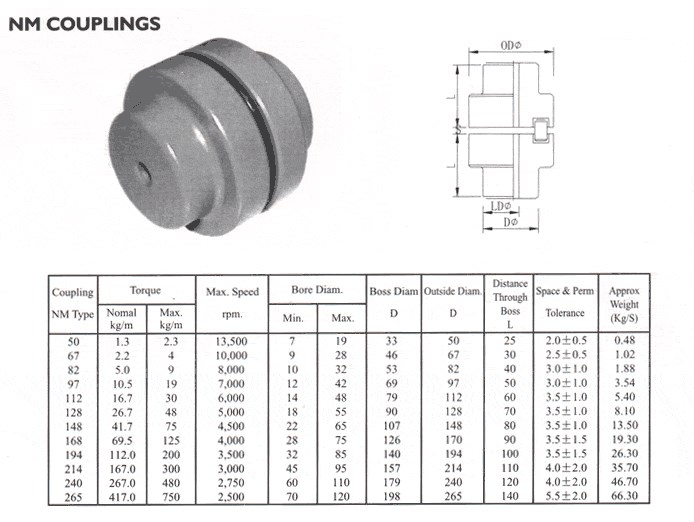
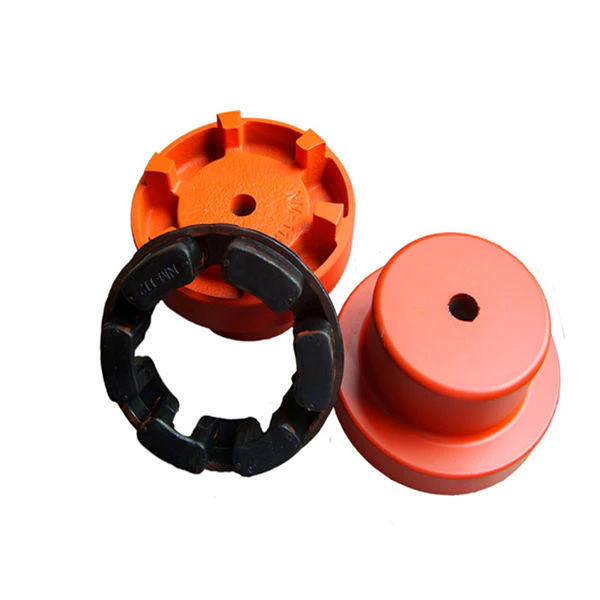
NM Coupling, NM Rubber Coupling Elements, NM Rubber Spider
| Malzeme: | NBR, CSM/SBR | Renk: | Siyah |
| Tensile Strength: | 12 MPa | Sertlik: | 80 kıyı A |
| Uzama: | 350% | Yoğunluk: | 1,25 g/cm³ |
| Boyut: | NM50, NM67, NM82, NM97, NM112, NM128, NM148, NM168, NM194, NM214, NM240, NM265 |
NM bağlantısı
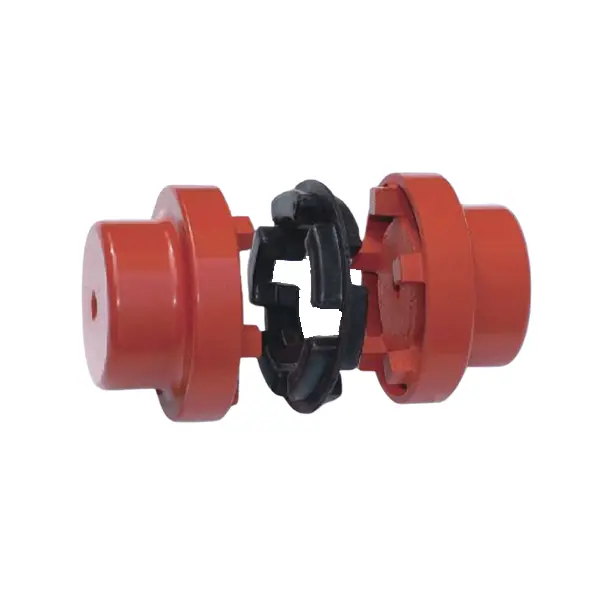
NM tipi, özel olarak tasarlanmış sentetik kauçuktan ve birbirine benzer iki dökme demir gövdeden hassas bir şekilde üretilir.
Dökme demir flanşlar:
Designed not only for the power transmission but also for protection of flexible rubber
Esnek kauçuk: Pompalar, fanlar, kompresörler, araçlar, taşıma ekipmanları, inşaat makineleri, beton mikserleri, traktörler, şanzıman makineleri, metal işleme makineleri, silindirler ve diğer tüm aktarım sistemlerinde kullanılır.
Kauçuktan yapılmış olup, dişlerin içine yerleştirilen çelik çekirdekler sayesinde mükemmel dayanıklılık ve performans sağlayan bir bağlantı elemanıdır.
Özellikler:
Ekonomik ve pratik kullanım
Sessiz ve sorunsuz çalışma
Kolay kurulum ve bakım
Yüksek torklu ve aralıklı çalışma özelliğine sahip makineler için uygundur.
Sentetik kauçuğun özellikleri: uygun esneklik ve sönümlemeye, yağa, asitlere ve alkalilere karşı direnç.
Özellikler:
1: CE sertifikalı
2: Teslimattan önce kalitenin tam olarak tespit edilmesi
3: OEM is welcomed
4: Hassas döküm konusunda zengin deneyim
Malzeme: CSM/SBR, NBR
Renk: siyah.
yüzey: pürüzsüz
Çekme dayanımı: 12 MPa
Sertlik: 80 Shore A
uzama: 400%
Yoğunluk: 1,25 g/cm³
esneklik etkisi: >25%
Yırtılma dayanımı: 35 KN/m
Çalışma sıcaklığı: 100°C
standart boyut:
NM50, NM67, NM82, NM97, NM112, NM128, NM148, NM168, NM194, NM214, NM240, NM265
Fiziksel Özellikler: Yüksek kaliteli polyester veya CSM/SBR kalıplama yöntemiyle enjeksiyon kalıplama ile üretilmiştir. Çok iyi çekme dayanımı, yüksek aşınma direnci, yüksek elastik esneklik, su geçirmezlik, yağ geçirmezlik, mükemmel yorulma direnci, yüksek darbe dayanımı vb. özelliklere sahip, her türlü metal şaft kaplinine özel olarak tasarlanmıştır. Tam kalıp setlerimiz mevcuttur ve yüksek kalite ve mükemmel deneyimle GR, GS, MT, Hb, HRC, L, NM ve Gear J serisi kaplinlerin tüm yelpazesini tedarik ediyoruz. Her türlü endüstriyel metal şaft kaplininde kullanılabilir.
Özellikler:
Malzeme: polyester, CSM/SBR
color: yellow, red, purple, green, black etc.
yüzey: pürüzsüz
Çekme dayanımı: 12-55 MPa
Sertlik: 80-98 Shore A
uzama: 400%-650%
Yoğunluk: 1,25 g/cm³
esneklik etkisi: >25%
Yırtılma dayanımı: 35-155 KN/m
Akron aşınma kaybı: <0,05cm³/1,61km
Sıkıştırma seti (22h*70oC): <10%
Çalışma sıcaklığı: 120°C
Poliüretan bağlantı elemanı için standart boyut:
GR14, GR19, GR24, GR28, GR38, GR42, GR48, GR55, GR65, GR75, GR90, GR100, GR110, GR125, GR140, GR160, GR180
MT1, MT2, MT3, MT4, MT5, MT6, MT7, MT8, MT9, MT10, MT11, MT12, MT13
HRC70, HRC90, HRC110, HRC130, HRC150, HRC180, HRC230, HRC280
L35, L50, L70, L75, L90/95, L99/100, L110, L150, L190, L225, L276
FALK-R 10R, 20R, 30R, 40R, 50R, 60R, 70R, 80R
Kauçuk bağlantı elemanı için standart boyut:
Hb80, Hb95, Hb110, Hb125, Hb140, Hb160, Hb180, Hb200, Hb240, Hb280, Hb315
HRC70, HRC90, HRC110, HRC130, HRC150, HRC180, HRC230, HRC280
L35, L50, L70, L75, L90/95, L99/100, L110, L150, L190, L225
NM50, NM67, NM82, NM97, NM112, NM128, NM148, NM168, NM194, NM214, NM240, NM265
Dişli 3J, 4J, 5J, 6J, 7J, 8J, 9J, 10J, 11J
Alıcının çizimlerine göre özel ölçülerde kalıp üretimi.
***Sipariş verirken lütfen ürün numarasını ve miktarını teyit ediniz.***
/* March 10, 2571 17:59:20 */!function(){function s(e,r){var a,o={};try{e&&e.split(“,”).forEach(function(e,t){e&&(a=e.match(/(.*?):(.*)$/))&&1
| Standard: | DIN, ANSI, GB |
|---|---|
| Malzeme: | Nr+SBR |
| Bağlantı: | Flange |
| Surface Treatment: | Nothing |
| Head Type: | Round |
| Tip: | Nm Type |
| Örnekler: |
US$ 10/Piece
1 Adet (Minimum Sipariş) | |
|---|
| Özelleştirme: |
Mevcut
| Özelleştirilmiş Talep |
|---|
How does a flexible coupling handle angular, parallel, and axial misalignment?
A flexible coupling is designed to accommodate various types of misalignment between two rotating shafts: angular misalignment, parallel misalignment, and axial misalignment. The flexibility of the coupling allows it to maintain a connection between the shafts while compensating for these misalignment types. Here’s how a flexible coupling handles each type of misalignment:
- Angular Misalignment: Angular misalignment occurs when the axes of the two shafts are not collinear and form an angle with each other. Flexible couplings can handle angular misalignment by incorporating an element that can flex and bend. One common design is the “spider” or “jaw” element, which consists of elastomeric materials. As the shafts are misaligned, the elastomeric element can deform slightly, allowing the coupling to accommodate the angular offset between the shafts while still transmitting torque.
- Parallel Misalignment: Parallel misalignment, also known as offset misalignment, occurs when the axes of the two shafts are parallel but not perfectly aligned with each other. Flexible couplings can handle parallel misalignment through the same elastomeric element. The flexible nature of the element enables it to shift and adjust to the offset between the shafts, ensuring continuous power transmission while minimizing additional stresses on the machinery.
- Axial Misalignment: Axial misalignment, also called end-play misalignment, occurs when the two shafts move closer together or farther apart along their common axis. Flexible couplings can handle axial misalignment through specific designs that allow limited axial movement. For instance, some couplings use slotted holes or a floating member that permits axial displacement while maintaining the connection between the shafts.
By providing the capability to handle angular, parallel, and axial misalignment, flexible couplings offer several advantages for power transmission systems:
- They help to prevent premature wear and damage to the connected equipment, reducing maintenance and replacement costs.
- They minimize vibration and shock loads, enhancing the overall smoothness and reliability of the machinery.
- They reduce the risk of equipment failure due to misalignment-induced stresses, improving the system’s operational life.
- They allow for easier installation and alignment adjustments, saving time and effort during setup and maintenance.
Overall, flexible couplings play a crucial role in handling misalignment and ensuring efficient power transmission in various industrial applications.
Can flexible couplings be used in corrosive or harsh environments?
Yes, flexible couplings can be designed and selected to be used in corrosive or harsh environments. The choice of materials and coatings plays a crucial role in ensuring the coupling’s durability and performance under challenging conditions.
Corrosion-Resistant Materials:
In corrosive environments, it is essential to use materials that can withstand chemical attacks and oxidation. Stainless steel, specifically grades like 316 or 17-4 PH, is commonly chosen for flexible couplings in such situations. Stainless steel offers excellent corrosion resistance, making it suitable for applications where the coupling may come into contact with corrosive substances or moisture.
Special Coatings:
For certain harsh environments, coupling manufacturers may apply special coatings to enhance the coupling’s corrosion resistance. Examples of coatings include zinc plating, nickel plating, or epoxy coatings. These coatings provide an additional layer of protection against corrosive agents and help extend the coupling’s lifespan.
Sealed Designs:
In environments where the coupling is exposed to contaminants like dust, dirt, or moisture, sealed designs are preferred. Sealed flexible couplings prevent these substances from entering the coupling’s internal components, thus reducing the risk of corrosion and wear. The sealed design also helps to maintain the coupling’s performance over time in challenging conditions.
High-Temperature Applications:
For harsh environments with high temperatures, flexible couplings made from high-temperature resistant materials, such as certain heat-resistant stainless steels or superalloys, can be used. These materials retain their mechanical properties and corrosion resistance even at elevated temperatures.
Chemical Resistance:
For applications where the coupling might encounter chemicals or solvents, it is essential to select a coupling material that is chemically resistant. This prevents degradation and ensures the coupling’s integrity in such environments.
Specialized Designs:
In some cases, where the environment is exceptionally harsh or unique, custom-designed flexible couplings may be necessary. Engineering a coupling to meet the specific demands of the environment ensures optimal performance and reliability.
Consultation with Manufacturers:
When considering flexible couplings for corrosive or harsh environments, it is advisable to consult with coupling manufacturers or engineering experts. They can provide valuable insights and recommend suitable materials, coatings, and designs based on the specific operating conditions.
Özet:
Flexible couplings can indeed be used in corrosive or harsh environments, provided the appropriate materials, coatings, and designs are chosen. Stainless steel, sealed designs, and special coatings are some of the solutions that enhance the coupling’s corrosion resistance and performance. It is essential to consider the specific environment and application requirements when selecting a flexible coupling to ensure optimal functionality and durability in challenging conditions.
Esnek kaplin nedir ve nasıl çalışır?
Esnek kaplin, iki şaftı birbirine bağlarken aralarındaki göreceli harekete izin veren mekanik bir cihazdır. Bir şafttan diğerine torku iletmek ve aynı zamanda hizalama hatalarını, titreşimleri ve şokları telafi etmek üzere tasarlanmıştır. Esnek kaplinler, bağlı ekipmanı korumaya ve genel performansı artırmaya yardımcı oldukları için çeşitli döner makinelerde ve sistemlerde temel bileşenlerdir.
Esnek Kaplin Çeşitleri:
Esnek bağlantı elemanlarının çeşitli türleri vardır ve her birinin kendine özgü tasarımı ve özellikleri bulunur. Yaygın türlerden bazıları şunlardır:
- Çene Kaplinleri: Çeneli kaplinler, iki göbek arasına oturan elastomer örümceklerden oluşur. Açısal ve paralel hizalama sapmalarını telafi ederken titreşimleri de sönümleyebilirler.
- Disk Kaplinleri: Disk kaplinler, milleri birbirine bağlamak için ince metal diskler kullanır. Son derece esnektirler ve mükemmel hizalama hatası telafisi sağlarlar.
- Dişli Kaplinler: Dişli kaplinler, torku iletmek için dişli çark dişlerini kullanır. Yüksek tork kapasitesi sunarlar ve orta dereceli hizalama sapmalarını kaldırabilirler.
- Kiriş Bağlantıları: Kiriş kaplinleri, metal kiriş gibi tek parça esnek bir malzeme kullanarak torku iletirken hizalama hatalarını da telafi eder.
- Körük Bağlantı Elemanları: Körük tipi kaplinler, eksenel, açısal ve paralel hizalama sapmalarının telafi edilmesini sağlamak için körük benzeri bir yapı kullanır.
- Oldham Bağlantı Elemanları: Oldham kaplinlerinde üç disk kullanılır ve ortadaki diskte, hizalama hatalarını telafi etmek için dik bir yuva bulunur.
Esnek Kaplinin Çalışma Prensibi:
Esnek kaplinin çalışma şekli, özel tasarımına bağlıdır, ancak genel prensipler benzerdir. Esnek kaplinin nasıl çalıştığını açıklamak için çeneli kaplin örneğini ele alalım:
- İki mil, her iki taraftaki bağlantı göbeklerine bağlanır ve aralarına elastomer bir örümcek yerleştirilir.
- Bir şafta tork uygulandığında, örümcek şeklindeki parça hafifçe sıkışır ve deforme olur, bu da torkun diğer şafta iletilmesine neden olur.
- Miller arasında hizalama hatası olması durumunda, elastomer örümcek esner ve hizalama hatasını telafi ederek, millere veya bağlı ekipmanlara aşırı yük bindirmeden sorunsuz tork iletimi sağlar.
- Elastomer örümcek aynı zamanda bir sönümleme elemanı görevi görerek çalışma sırasında titreşimleri ve şokları emer, bu da ekipman üzerindeki aşınmayı azaltır ve sistem stabilitesini artırır.
Genel olarak, esneklik ve hizalama hatalarını telafi etme yeteneği, esnek kaplinin etkili bir şekilde çalışmasını sağlayan temel özelliklerdir. Belirli bir esnek kaplin tipinin seçimi, tork kapasitesi, hizalama hatası telafisi ve çevresel koşullar gibi uygulamanın gereksinimlerine bağlıdır.


editor by CX 2024-01-09