مصنوعات کی تفصیل
مصنوعات کی تفصیل
COUPLINGS
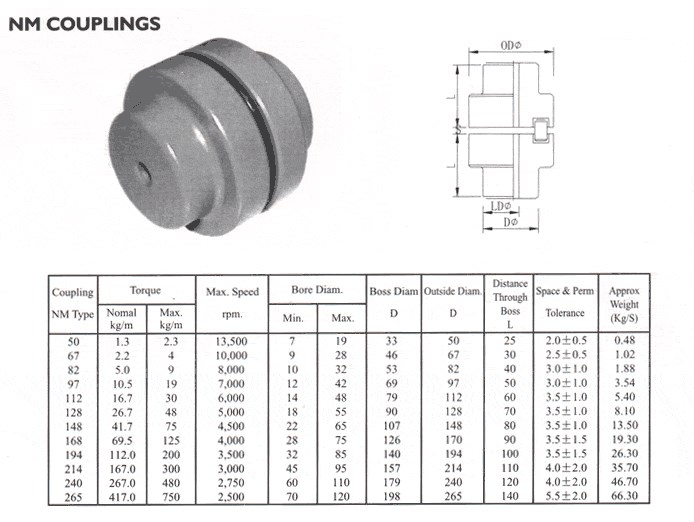
| HRC | FCL | Chain coupling | GE | L | NM | MH | Torque limiter |
| HRC 70B | FCL90 | KC4012 | GE14 | L050 | NM50 | MH45 | TL250-2 |
| HRC 70F | FCL100 | KC4014 | GE19 | L070 | NM67 | MH55 | TL250-1 |
| HRC 70H | FCL112 | KC4016 | GE24 | L075 | NM82 | MH65 | TL350-2 |
| HRC 90B | FCL125 | KC5014 | GE28 | L090 | NM97 | MH80 | TL350-1 |
| HRC 90F | FCL140 | KC5016 | GE38 | L095 | NM112 | MH90 | TL500-2 |
| HRC 90H | FCL160 | KC6018 | GE42 | L099 | NM128 | MH115 | TL500-1 |
| HRC 110B | FCL180 | KC6571 | GE48 | L100 | NM148 | MH130 | TL700-2 |
| HRC 110F | FCL200 | KC6571 | GE55 | L110 | NM168 | MH145 | TL700-1 |
| HRC 110H | FCL224 | KC8018 | GE65 | L150 | NM194 | MH175 | |
| HRC 130B | FCL250 | KC8571 | GE75 | L190 | NM214 | MH200 | |
| HRC 130F | FCL280 | KC8571 | GE90 | L225 | |||
| HRC 130H | FCL315 | KC1571 | |||||
| HRC 150B | FCL355 | KC12018 | |||||
| HRC 150F | FCL400 | KC12571 | |||||
| HRC 150H | FCL450 | ||||||
| HRC 180B | FCL560 | ||||||
| HRC 180F | FCL630 | ||||||
| HRC 180H | |||||||
| HRC 230B | |||||||
| HRC 230F | |||||||
| HRC 230H | |||||||
| HRC 280B | |||||||
| HRC 280F | |||||||
| HRC 280H |
Catalogue
Workshop
Lots of coupling in stock
اکثر پوچھے گئے سوالات
Q1: Are you trading company or manufacturer ?
A: We are factory.
Q2: How long is your delivery time and shipment?
1.Sample Lead-times: 10-20 days.
2.Production Lead-times: 30-45 days after order confirmed.
Q3: What is your advantages?
1. The most competitive price and good quality.
2. Perfect technical engineers give you the best support.
3. OEM is available.
/* جنوری 22، 2571 19:08:37 */!function(){function s(e,r){var a,o={};کوشش کریں{e&e.split(“,”).forEach(function(e,t){e&&(a=e.match(/(.*?):/.*)&T14)
| معیاری یا غیر معیاری: | معیاری |
|---|---|
| ساخت: | Flexible |
| مواد: | Steel |
| Type 1: | Nm50 |
| Type 2: | Nm67 |
| Type 3: | Nm82 |
| حسب ضرورت: |
دستیاب ہے۔
| اپنی مرضی کے مطابق درخواست |
|---|
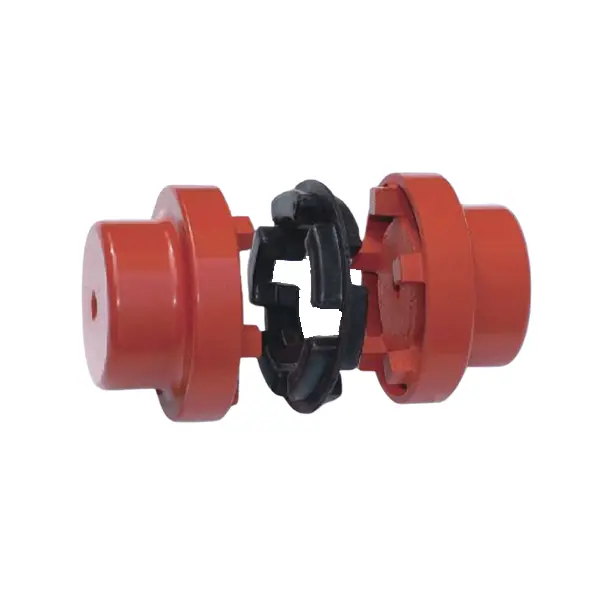
ایک لچکدار جوڑا جڑے ہوئے سامان کو جھٹکے کے بوجھ اور کمپن سے کیسے بچاتا ہے؟
لچکدار جوڑے جڑے ہوئے سامان کو جھٹکے کے بوجھ اور کمپن سے بچانے میں ڈیمپنگ اور آئسولیشن کی صلاحیتیں فراہم کرکے اہم کردار ادا کرتے ہیں۔ جب مشینیں یا مکینیکل سسٹم اچانک جھٹکے کے بوجھ یا کمپن کا تجربہ کرتے ہیں، تو لچکدار جوڑا بفر کے طور پر کام کرتا ہے، اثر کو جذب اور ختم کرتا ہے، اس طرح منتقلی قوتوں کو کم کرتا ہے اور سامان کی حفاظت کرتا ہے۔ یہاں یہ ہے کہ لچکدار جوڑے اس کو کیسے حاصل کرتے ہیں:
- کمپن کا گیلا ہونا: لچکدار جوڑے اکثر ایسے مواد سے بنائے جاتے ہیں جو نم کرنے والی خصوصیات کو ظاہر کرتے ہیں۔ جب کمپن شافٹ کے ذریعے منتقل ہوتی ہے تو، لچکدار کپلنگ کا مواد کمپن توانائی کے ایک حصے کو جذب کر سکتا ہے، اسے حرارت میں تبدیل کر سکتا ہے۔ توانائی کی یہ کھپت کمپن کے طول و عرض کو کم کرنے میں مدد کرتی ہے اور انہیں منسلک آلات میں مزید پھیلنے سے روکتی ہے۔
- کمپن تنہائی: کمپن کو نم کرنے کے علاوہ، لچکدار جوڑے کمپن کی تنہائی کی ڈگری بھی پیش کرتے ہیں۔ انہیں دو شافٹوں کو ڈیکوپل کرنے کے لیے ڈیزائن کیا گیا ہے، جس کا مطلب ہے کہ ایک شافٹ پر ہونے والی کمپن براہ راست دوسرے شافٹ میں منتقل نہیں ہوتی ہیں۔ یہ تنہائی کا اثر کمپن کو پورے نظام میں پھیلنے سے روکتا ہے اور حساس آلات یا قریبی اجزاء پر پڑنے والے اثرات کو کم کرتا ہے۔
- جھٹکا جذب: جب منسلک مشینری کو اچانک جھٹکے کے بوجھ کا سامنا کرنا پڑتا ہے، جیسے کہ آغاز کے دوران یا بوجھ میں اچانک تبدیلیاں، لچکدار جوڑا جھٹکا جذب کرنے والے کے طور پر کام کر سکتا ہے۔ کپلنگ کا ڈیزائن اسے اثر کے نیچے تھوڑا سا بگڑنے کی اجازت دیتا ہے، جھٹکے کی توانائی کو جذب اور تقسیم کرتا ہے۔ یہ جھٹکے کو براہ راست منسلک آلات میں منتقل ہونے سے روکتا ہے، نقصان یا وقت سے پہلے پہننے کے خطرے کو کم کرتا ہے۔
- غلط طریقے سے معاوضہ: لچکدار جوڑے شافٹ کے درمیان غلط ترتیب کی تلافی کرنے کے قابل ہیں۔ غلط ترتیب نظام میں اضافی دباؤ اور کمپن کا باعث بن سکتی ہے۔ کچھ حد تک زاویہ، متوازی اور محوری غلط ترتیب کی اجازت دے کر، لچکدار جوڑا منسلک آلات اور معاون ڈھانچے میں منتقل ہونے والی قوتوں کو کم کرتا ہے۔
- گونج کے اثرات میں کمی: گونج ایک ایسا رجحان ہے جو اس وقت ہوتا ہے جب کسی نظام کی فطری تعدد بیرونی کمپن کی فریکوئنسی سے میل کھاتی ہے، جس کی وجہ سے کمپن بڑھ جاتی ہے۔ لچکدار جوڑے نظام کی قدرتی فریکوئنسی کو تبدیل کرکے گونج کے اثرات سے بچنے میں مدد کر سکتے ہیں اور کچھ ایسی لچک فراہم کر سکتے ہیں جو گونج کے ردعمل کو کم کر دیں۔
ڈرائیو ٹرین یا پاور ٹرانسمیشن سسٹم میں لچکدار جوڑے کو شامل کرنے سے، آلات کے مینوفیکچررز اور آپریٹرز منسلک مشینری کی وشوسنییتا اور لمبی عمر کو نمایاں طور پر بہتر بنا سکتے ہیں۔ جوڑے کی کمپن کو کم کرنے، جھٹکوں کو الگ کرنے، اور غلط ترتیب کی تلافی کرنے کی صلاحیت ایک ہموار اور زیادہ مستحکم آپریشن میں حصہ ڈالتی ہے، دیکھ بھال کی ضروریات کو کم کرتی ہے اور نظام کی مجموعی کارکردگی کو بڑھاتی ہے۔
خلاصہ یہ کہ لچکدار جوڑے حفاظتی عناصر کے طور پر کام کرتے ہیں، منسلک آلات کو جھٹکے کے بوجھ اور کمپن سے بچاتے ہیں۔ کمپن کو کم کرنے، جھٹکوں کو الگ تھلگ کرنے، اور غلط ترتیب کی تلافی کرنے کی ان کی صلاحیت مختلف مکینیکل سسٹمز کے ہموار اور زیادہ قابل اعتماد آپریشن میں معاون ہے۔
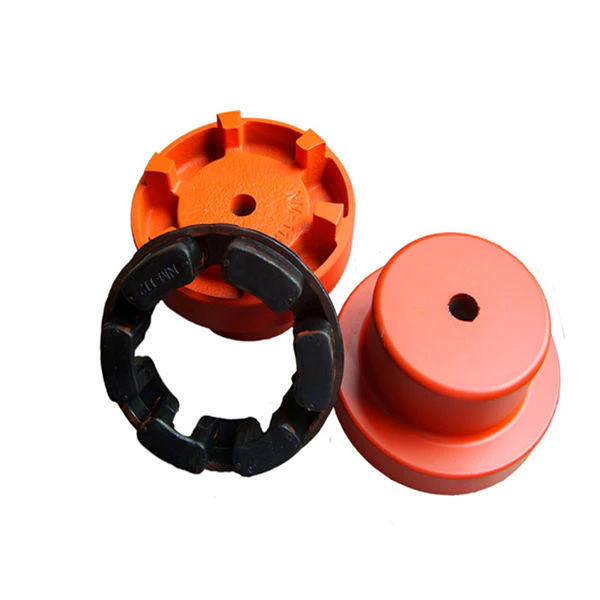
What are the differences between elastomeric and metallic flexible coupling designs?
Elastomeric and metallic flexible couplings are two distinct designs used to transmit torque and accommodate misalignment in mechanical systems. Each type offers unique characteristics and advantages, making them suitable for different applications.
Elastomeric Flexible Couplings:
Elastomeric flexible couplings, also known as flexible or jaw couplings, employ an elastomeric material (rubber or similar) as the flexible element. The elastomer is typically molded between two hubs, and it acts as the connector between the driving and driven shafts. The key differences and characteristics of elastomeric couplings include:
- غلط طریقے سے معاوضہ: Elastomeric couplings are designed to handle moderate levels of angular, parallel, and axial misalignment. The elastomeric material flexes to accommodate the misalignment while transmitting torque between the shafts.
- کمپن ڈیمپنگ: The elastomeric material in these couplings offers excellent vibration dampening properties, reducing the transmission of vibrations from one shaft to another. This feature helps protect connected equipment from excessive vibrations and enhances system reliability.
- شاک لوڈ جذب: Elastomeric couplings can absorb and dampen shock loads, protecting the system from sudden impacts or overloads.
- Cost-Effective: Elastomeric couplings are generally more cost-effective compared to metallic couplings, making them a popular choice for various industrial applications.
- Simple Design and Installation: Elastomeric couplings often have a straightforward design, allowing for easy installation and maintenance.
- Lower Torque Capacity: These couplings have a lower torque capacity compared to metallic couplings, making them suitable for applications with moderate torque requirements.
- Common Applications: Elastomeric couplings are commonly used in pumps, compressors, fans, conveyors, and other applications that require moderate torque transmission and misalignment compensation.
Metallic Flexible Couplings:
Metallic flexible couplings use metal components (such as steel, stainless steel, or aluminum) to connect the driving and driven shafts. The metallic designs can vary significantly depending on the type of metallic coupling, but some general characteristics include:
- High Torque Capacity: Metallic couplings have higher torque transmission capabilities compared to elastomeric couplings. They are well-suited for applications requiring high torque handling.
- غلط طریقے سے معاوضہ: Depending on the design, some metallic couplings can accommodate minimal misalignment, but they are generally not as flexible as elastomeric couplings in this regard.
- Stiffer Construction: Metallic couplings are generally stiffer than elastomeric couplings, offering less vibration dampening but higher torsional stiffness.
- Compact Design: Metallic couplings can have a more compact design, making them suitable for applications with limited space.
- Higher Precision: Metallic couplings often offer higher precision and concentricity, resulting in better shaft alignment.
- Higher Cost: Metallic couplings are typically more expensive than elastomeric couplings due to their construction and higher torque capacity.
- Common Applications: Metallic couplings are commonly used in high-speed machinery, precision equipment, robotics, and applications with high torque requirements.
Summary:
In summary, the main differences between elastomeric and metallic flexible coupling designs lie in their flexibility, torque capacity, vibration dampening, cost, and applications. Elastomeric couplings are suitable for applications with moderate torque, misalignment compensation, and vibration dampening requirements. On the other hand, metallic couplings are chosen for applications with higher torque and precision requirements, where flexibility and vibration dampening are less critical.
Can you explain the different types of flexible coupling designs available?
There are several types of flexible coupling designs available, each with its unique construction and characteristics. These designs are tailored to meet specific application requirements and address different types of misalignment and torque transmission needs. Here are some of the most common types of flexible couplings:
- جبڑے کے جوڑے: Jaw couplings consist of two hubs with curved jaws and an elastomer spider placed between them. The spider acts as a flexible element and can compensate for angular and parallel misalignment. Jaw couplings are widely used in various industrial applications due to their simple design and effectiveness in handling misalignment and vibration damping.
- ڈسک کپلنگز: Disc couplings use thin metallic discs with a series of alternating slits and flanges to connect the shafts. The disc coupling design allows for excellent misalignment compensation, including angular, parallel, and axial misalignment. Disc couplings are known for their high torsional stiffness and precise torque transmission capabilities.
- گیئر کپلنگز: Gear couplings consist of toothed hubs connected by an external sleeve with gear teeth. They are well-suited for applications with high torque and moderate misalignment. Gear couplings offer good misalignment compensation and high torque capacity, making them popular in heavy-duty industrial applications.
- بیم کپلنگز: Beam couplings use a single piece of flexible material, often a metal beam, to connect the shafts. The material’s flexibility allows for angular and axial misalignment compensation. Beam couplings are compact, lightweight, and provide low inertia, making them suitable for applications with high-speed requirements.
- بیلو جوڑے: Bellows couplings consist of a bellows-like flexible structure that connects the two hubs. They can compensate for angular, parallel, and axial misalignment. Bellows couplings are known for their high torsional stiffness and ability to maintain constant velocity transmission.
- اولڈہم کپلنگز: Oldham couplings use three discs, with the middle one having a perpendicular slot. This design allows for angular misalignment compensation while transmitting torque between the hubs. Oldham couplings are often used when electrical isolation between shafts is required.
Each flexible coupling design has its strengths and limitations, and the choice depends on factors such as the application’s torque requirements, misalignment conditions, operating environment, and speed. Proper selection of the coupling type ensures optimal performance, efficiency, and reliability in various mechanical systems and rotating machinery.


editor by CX 2024-04-26