Ürün Açıklaması
Ürün Açıklaması
COUPLINGS
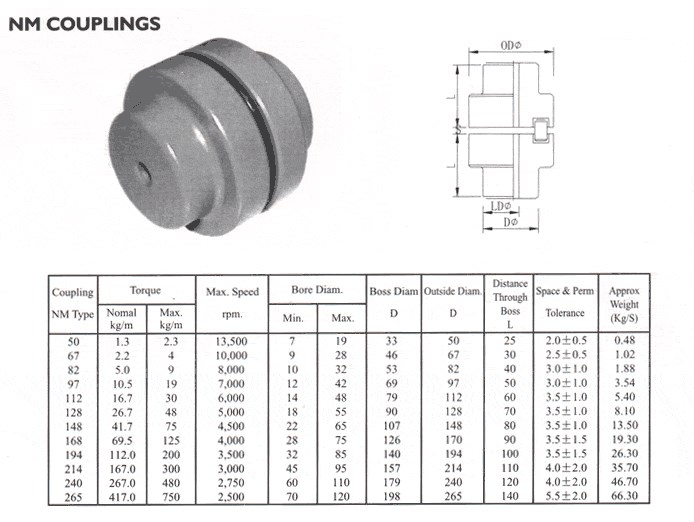
| HRC | FCL | Chain coupling | GE | L | NM | MH | Torque limiter |
| HRC 70B | FCL90 | KC4012 | GE14 | L050 | NM50 | MH45 | TL250-2 |
| HRC 70F | FCL100 | KC4014 | GE19 | L070 | NM67 | MH55 | TL250-1 |
| HRC 70H | FCL112 | KC4016 | GE24 | L075 | NM82 | MH65 | TL350-2 |
| HRC 90B | FCL125 | KC5014 | GE28 | L090 | NM97 | MH80 | TL350-1 |
| HRC 90F | FCL140 | KC5016 | GE38 | L095 | NM112 | MH90 | TL500-2 |
| HRC 90H | FCL160 | KC6018 | GE42 | L099 | NM128 | MH115 | TL500-1 |
| HRC 110B | FCL180 | KC6571 | GE48 | L100 | NM148 | MH130 | TL700-2 |
| HRC 110F | FCL200 | KC6571 | GE55 | L110 | NM168 | MH145 | TL700-1 |
| HRC 110H | FCL224 | KC8018 | GE65 | L150 | NM194 | MH175 | |
| HRC 130B | FCL250 | KC8571 | GE75 | L190 | NM214 | MH200 | |
| HRC 130F | FCL280 | KC8571 | GE90 | L225 | |||
| HRC 130H | FCL315 | KC1571 | |||||
| HRC 150B | FCL355 | KC12018 | |||||
| HRC 150F | FCL400 | KC12571 | |||||
| HRC 150H | FCL450 | ||||||
| HRC 180B | FCL560 | ||||||
| HRC 180F | FCL630 | ||||||
| HRC 180H | |||||||
| HRC 230B | |||||||
| HRC 230F | |||||||
| HRC 230H | |||||||
| HRC 280B | |||||||
| HRC 280F | |||||||
| HRC 280H |
Catalogue
Workshop
Lots of coupling in stock
SSS
Q1: Are you trading company or manufacturer ?
A: We are factory.
Q2: How long is your delivery time and shipment?
1.Sample Lead-times: 10-20 days.
2.Production Lead-times: 30-45 days after order confirmed.
Q3: What is your advantages?
1. The most competitive price and good quality.
2. Perfect technical engineers give you the best support.
3. OEM is available.
/* 22 Ocak 2571 19:08:37 */!function(){function s(e,r){var a,o={};try{e&&e.split(“,”).forEach(function(e,t){e&&(a=e.match(/(.*?):(.*)$/))&&1
| Standard Or Nonstandard: | Standard |
|---|---|
| Yapı: | Flexible |
| Malzeme: | Steel |
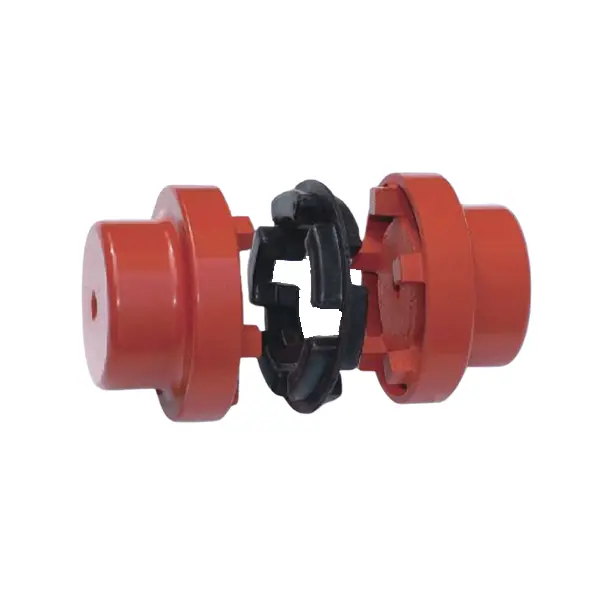
| Type 1: | Nm50 |
| Type 2: | Nm67 |
| Type 3: | Nm82 |
| Özelleştirme: |
Mevcut
| Özelleştirilmiş Talep |
|---|
Esnek bir kaplin, bağlı ekipmanı ani yüklerden ve titreşimlerden nasıl korur?
Esnek kaplinler, sönümleme ve izolasyon yetenekleri sağlayarak bağlı ekipmanı ani yüklerden ve titreşimlerden korumada çok önemli bir rol oynar. Makineler veya mekanik sistemler ani yük veya titreşimlere maruz kaldığında, esnek kaplin bir tampon görevi görerek darbeyi emer ve dağıtır, böylece iletilen kuvvetleri azaltır ve ekipmanı korur. Esnek kaplinler bunu şu şekilde başarır:
- Titreşimlerin Sönümlenmesi: Esnek kaplinler genellikle sönümleme özelliklerine sahip malzemelerden yapılır. Titreşimler miller aracılığıyla iletildiğinde, esnek kaplinin malzemesi titreşim enerjisinin bir kısmını emerek ısıya dönüştürür. Bu enerji dağılımı, titreşimlerin genliğini azaltmaya ve bağlı ekipmana daha fazla yayılmasını önlemeye yardımcı olur.
- Titreşim İzolasyonu: Esnek kaplinler, titreşimleri sönümlemenin yanı sıra bir dereceye kadar titreşim izolasyonu da sağlarlar. İki mili birbirinden ayıracak şekilde tasarlanmışlardır; bu da bir mil üzerinde oluşan titreşimlerin diğer mile doğrudan iletilmemesi anlamına gelir. Bu izolasyon etkisi, titreşimlerin tüm sisteme yayılmasını önler ve hassas ekipman veya yakındaki bileşenler üzerindeki etkiyi en aza indirir.
- Şok Emici: Bağlı makine, çalıştırma sırasında veya yükte ani değişiklikler gibi ani şok yüklerine maruz kaldığında, esnek kaplin bir şok emici görevi görebilir. Kaplinin tasarımı, darbe altında hafifçe deforme olmasına, şok enerjisini emmesine ve dağıtmasına olanak tanır. Bu, şokun doğrudan bağlı ekipmana aktarılmasını önleyerek hasar veya erken aşınma riskini azaltır.
- Hizalama Hatası Telafisi: Esnek kaplinler, miller arasındaki hizalama hatalarını telafi edebilme özelliğine sahiptir. Hizalama hatası, sistemde ek gerilmelere ve titreşimlere yol açabilir. Esnek kaplin, belirli bir derecede açısal, paralel ve eksenel hizalama hatasına izin vererek, bağlı ekipmana ve destekleyici yapılara iletilen kuvvetleri azaltır.
- Rezonans Etkilerinin Azaltılması: Rezonans, bir sistemin doğal frekansının dış titreşimlerin frekansıyla eşleşmesi sonucu titreşimlerin yükselmesine yol açan bir olgudur. Esnek kaplinler, sistemin doğal frekansını değiştirerek ve rezonans tepkisini sönümleyen bir esneklik sağlayarak rezonans etkilerini önlemeye yardımcı olabilir.
Esnek bir kaplinin tahrik sistemine veya güç aktarım sistemine entegre edilmesiyle, ekipman üreticileri ve operatörler, bağlı makinelerin güvenilirliğini ve ömrünü önemli ölçüde artırabilirler. Kaplinin titreşimleri sönümleme, şokları izole etme ve hizalama hatalarını telafi etme yeteneği, daha düzgün ve istikrarlı bir çalışma sağlayarak bakım gereksinimlerini azaltır ve genel sistem performansını artırır.
Özetle, esnek kaplinler, bağlı ekipmanı şok yüklerinden ve titreşimlerden koruyan koruyucu elemanlar olarak görev yapar. Titreşimleri sönümleme, şokları izole etme ve hizalama hatalarını telafi etme yetenekleri, çeşitli mekanik sistemlerin daha sorunsuz ve güvenilir çalışmasına katkıda bulunur.
What are the differences between elastomeric and metallic flexible coupling designs?
Elastomeric and metallic flexible couplings are two distinct designs used to transmit torque and accommodate misalignment in mechanical systems. Each type offers unique characteristics and advantages, making them suitable for different applications.
Elastomeric Flexible Couplings:
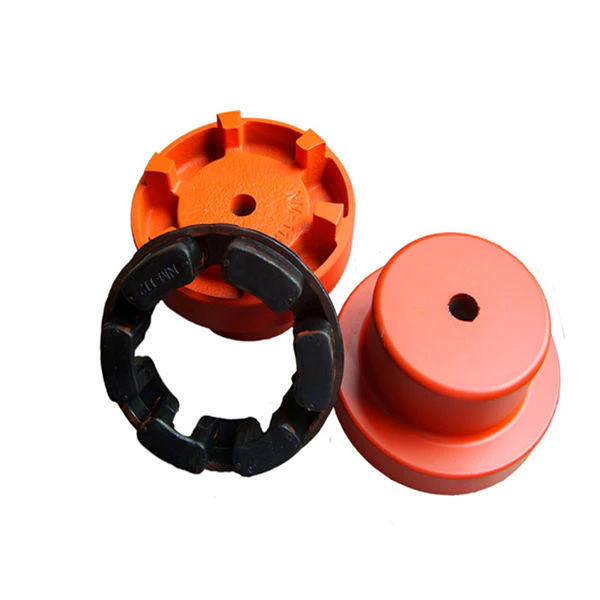
Elastomeric flexible couplings, also known as flexible or jaw couplings, employ an elastomeric material (rubber or similar) as the flexible element. The elastomer is typically molded between two hubs, and it acts as the connector between the driving and driven shafts. The key differences and characteristics of elastomeric couplings include:
- Hizalama Hatası Telafisi: Elastomeric couplings are designed to handle moderate levels of angular, parallel, and axial misalignment. The elastomeric material flexes to accommodate the misalignment while transmitting torque between the shafts.
- Titreşim Sönümleme: The elastomeric material in these couplings offers excellent vibration dampening properties, reducing the transmission of vibrations from one shaft to another. This feature helps protect connected equipment from excessive vibrations and enhances system reliability.
- Şok Yükü Emilimi: Elastomeric couplings can absorb and dampen shock loads, protecting the system from sudden impacts or overloads.
- Cost-Effective: Elastomeric couplings are generally more cost-effective compared to metallic couplings, making them a popular choice for various industrial applications.
- Simple Design and Installation: Elastomeric couplings often have a straightforward design, allowing for easy installation and maintenance.
- Lower Torque Capacity: These couplings have a lower torque capacity compared to metallic couplings, making them suitable for applications with moderate torque requirements.
- Common Applications: Elastomeric couplings are commonly used in pumps, compressors, fans, conveyors, and other applications that require moderate torque transmission and misalignment compensation.
Metallic Flexible Couplings:
Metallic flexible couplings use metal components (such as steel, stainless steel, or aluminum) to connect the driving and driven shafts. The metallic designs can vary significantly depending on the type of metallic coupling, but some general characteristics include:
- High Torque Capacity: Metallic couplings have higher torque transmission capabilities compared to elastomeric couplings. They are well-suited for applications requiring high torque handling.
- Hizalama Hatası Telafisi: Depending on the design, some metallic couplings can accommodate minimal misalignment, but they are generally not as flexible as elastomeric couplings in this regard.
- Stiffer Construction: Metallic couplings are generally stiffer than elastomeric couplings, offering less vibration dampening but higher torsional stiffness.
- Compact Design: Metallic couplings can have a more compact design, making them suitable for applications with limited space.
- Higher Precision: Metallic couplings often offer higher precision and concentricity, resulting in better shaft alignment.
- Higher Cost: Metallic couplings are typically more expensive than elastomeric couplings due to their construction and higher torque capacity.
- Common Applications: Metallic couplings are commonly used in high-speed machinery, precision equipment, robotics, and applications with high torque requirements.
Summary:
In summary, the main differences between elastomeric and metallic flexible coupling designs lie in their flexibility, torque capacity, vibration dampening, cost, and applications. Elastomeric couplings are suitable for applications with moderate torque, misalignment compensation, and vibration dampening requirements. On the other hand, metallic couplings are chosen for applications with higher torque and precision requirements, where flexibility and vibration dampening are less critical.
Can you explain the different types of flexible coupling designs available?
There are several types of flexible coupling designs available, each with its unique construction and characteristics. These designs are tailored to meet specific application requirements and address different types of misalignment and torque transmission needs. Here are some of the most common types of flexible couplings:
- Jaw Couplings: Jaw couplings consist of two hubs with curved jaws and an elastomer spider placed between them. The spider acts as a flexible element and can compensate for angular and parallel misalignment. Jaw couplings are widely used in various industrial applications due to their simple design and effectiveness in handling misalignment and vibration damping.
- Disc Couplings: Disc couplings use thin metallic discs with a series of alternating slits and flanges to connect the shafts. The disc coupling design allows for excellent misalignment compensation, including angular, parallel, and axial misalignment. Disc couplings are known for their high torsional stiffness and precise torque transmission capabilities.
- Gear Couplings: Gear couplings consist of toothed hubs connected by an external sleeve with gear teeth. They are well-suited for applications with high torque and moderate misalignment. Gear couplings offer good misalignment compensation and high torque capacity, making them popular in heavy-duty industrial applications.
- Beam Couplings: Beam couplings use a single piece of flexible material, often a metal beam, to connect the shafts. The material’s flexibility allows for angular and axial misalignment compensation. Beam couplings are compact, lightweight, and provide low inertia, making them suitable for applications with high-speed requirements.
- Bellows Couplings: Bellows couplings consist of a bellows-like flexible structure that connects the two hubs. They can compensate for angular, parallel, and axial misalignment. Bellows couplings are known for their high torsional stiffness and ability to maintain constant velocity transmission.
- Oldham Couplings: Oldham couplings use three discs, with the middle one having a perpendicular slot. This design allows for angular misalignment compensation while transmitting torque between the hubs. Oldham couplings are often used when electrical isolation between shafts is required.
Each flexible coupling design has its strengths and limitations, and the choice depends on factors such as the application’s torque requirements, misalignment conditions, operating environment, and speed. Proper selection of the coupling type ensures optimal performance, efficiency, and reliability in various mechanical systems and rotating machinery.


editor by CX 2024-04-26