توضیحات محصول
توضیحات محصول
COUPLINGS
| HRC | FCL | Chain coupling | GE | L | NM | MH | Torque limiter |
| HRC 70B | FCL90 | KC4012 | GE14 | L050 | NM50 | MH45 | TL250-2 |
| HRC 70F | FCL100 | KC4014 | GE19 | L070 | NM67 | MH55 | TL250-1 |
| HRC 70H | FCL112 | KC4016 | GE24 | L075 | NM82 | MH65 | TL350-2 |
| HRC 90B | FCL125 | KC5014 | GE28 | L090 | NM97 | MH80 | TL350-1 |
| HRC 90F | FCL140 | KC5016 | GE38 | L095 | NM112 | MH90 | TL500-2 |
| HRC 90H | FCL160 | KC6018 | GE42 | L099 | NM128 | MH115 | TL500-1 |
| HRC 110B | FCL180 | KC6571 | GE48 | L100 | NM148 | MH130 | TL700-2 |
| HRC 110F | FCL200 | KC6571 | GE55 | L110 | NM168 | MH145 | TL700-1 |
| HRC 110H | FCL224 | KC8018 | GE65 | L150 | NM194 | MH175 | |
| HRC 130B | FCL250 | KC8571 | GE75 | L190 | NM214 | MH200 | |
| HRC 130F | FCL280 | KC8571 | GE90 | L225 | |||
| HRC 130H | FCL315 | KC1571 | |||||
| HRC 150B | FCL355 | KC12018 | |||||
| HRC 150F | FCL400 | KC12571 | |||||
| HRC 150H | FCL450 | ||||||
| HRC 180B | FCL560 | ||||||
| HRC 180F | FCL630 | ||||||
| HRC 180H | |||||||
| HRC 230B | |||||||
| HRC 230F | |||||||
| HRC 230H | |||||||
| HRC 280B | |||||||
| HRC 280F | |||||||
| HRC 280H |
Catalogue
Workshop
Lots of coupling in stock
سوالات متداول
Q1: Are you trading company or manufacturer ?
A: We are factory.
Q2: How long is your delivery time and shipment?
1.Sample Lead-times: 10-20 days.
2.Production Lead-times: 30-45 days after order confirmed.
Q3: What is your advantages?
1. The most competitive price and good quality.
2. Perfect technical engineers give you the best support.
3. OEM is available.
/* 22 ژانویه 2571 19:08:37 */!function(){function s(e,r){var a,o={};try{e&&e.split(“,”).forEach(function(e,t){e&&(a=e.match(/(.*&4?)):(.*)
| Standard Or Nonstandard: | Standard |
|---|---|
| ساختار: | Flexible |
| Material: | Steel |
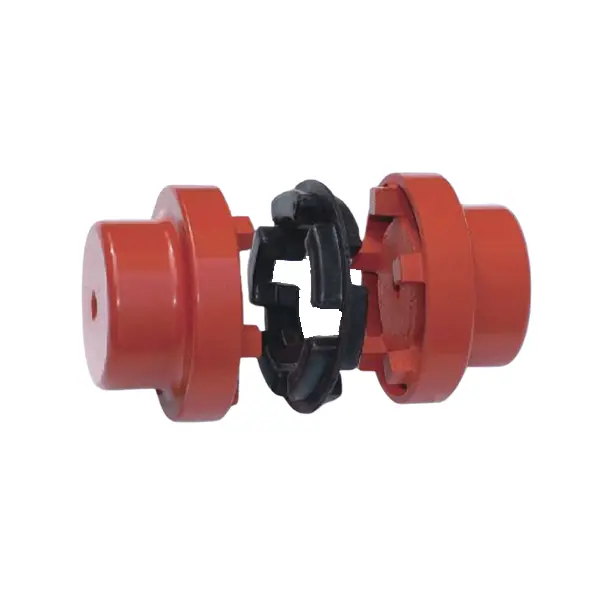
| Type 1: | Nm50 |
| Type 2: | Nm67 |
| Type 3: | Nm82 |
| سفارشی سازی: |
موجود است
| درخواست سفارشی |
|---|

چگونه یک کوپلینگ انعطافپذیر از تجهیزات متصل در برابر بارهای ضربهای و ارتعاشات محافظت میکند؟
کوپلینگهای انعطافپذیر با فراهم کردن قابلیتهای میرایی و ایزولاسیون، نقش مهمی در محافظت از تجهیزات متصل در برابر بارهای ضربهای و ارتعاشات ایفا میکنند. هنگامی که ماشینها یا سیستمهای مکانیکی بارهای ضربهای یا ارتعاشات ناگهانی را تجربه میکنند، کوپلینگ انعطافپذیر به عنوان یک ضربهگیر عمل میکند، ضربه را جذب و دفع میکند و در نتیجه نیروهای منتقل شده را کاهش داده و از تجهیزات محافظت میکند. در اینجا نحوه دستیابی کوپلینگهای انعطافپذیر به این هدف آورده شده است:
- میرایی ارتعاشات: کوپلینگهای انعطافپذیر اغلب از موادی ساخته میشوند که خاصیت میرایی دارند. هنگامی که ارتعاشات از طریق شفتها منتقل میشوند، ماده کوپلینگ انعطافپذیر میتواند بخشی از انرژی ارتعاشی را جذب کرده و آن را به گرما تبدیل کند. این اتلاف انرژی به کاهش دامنه ارتعاشات کمک کرده و از انتشار بیشتر آنها به تجهیزات متصل جلوگیری میکند.
- ایزولاسیون ارتعاش: کوپلینگهای انعطافپذیر علاوه بر میرایی ارتعاشات، تا حدی ایزولاسیون ارتعاش نیز ارائه میدهند. آنها به گونهای طراحی شدهاند که دو شفت را از هم جدا کنند، به این معنی که ارتعاشات رخ داده در یک شفت مستقیماً به شفت دیگر منتقل نمیشوند. این اثر ایزولاسیون از انتشار ارتعاشات در کل سیستم جلوگیری میکند و تأثیر آن بر تجهیزات حساس یا اجزای مجاور را به حداقل میرساند.
- جذب ضربه: وقتی ماشینآلات متصل، بارهای ضربهای ناگهانی، مانند هنگام راهاندازی یا تغییرات ناگهانی بار، را تجربه میکنند، کوپلینگ انعطافپذیر میتواند به عنوان یک کمکفنر عمل کند. طراحی کوپلینگ به آن اجازه میدهد تا تحت ضربه کمی تغییر شکل دهد و انرژی ضربه را جذب و توزیع کند. این امر از انتقال مستقیم ضربه به تجهیزات متصل جلوگیری میکند و خطر آسیب یا فرسودگی زودرس را کاهش میدهد.
- جبران ناهمراستایی: کوپلینگهای انعطافپذیر قادر به جبران ناهمترازی بین شفتها هستند. ناهمترازی میتواند منجر به تنشها و ارتعاشات اضافی در سیستم شود. کوپلینگ انعطافپذیر با در نظر گرفتن مقداری ناهمترازی زاویهای، موازی و محوری، نیروهای منتقل شده به تجهیزات متصل و سازههای نگهدارنده را کاهش میدهد.
- کاهش اثرات رزونانس: رزونانس پدیدهای است که زمانی رخ میدهد که فرکانس طبیعی یک سیستم با فرکانس ارتعاشات خارجی مطابقت داشته باشد و منجر به ارتعاشات تقویتشده شود. کوپلینگهای انعطافپذیر میتوانند با تغییر فرکانس طبیعی سیستم و ارائه سطحی از انعطافپذیری که پاسخ رزونانس را میرا میکند، به جلوگیری از اثرات رزونانس کمک کنند.
با گنجاندن یک کوپلینگ انعطافپذیر در سیستم انتقال قدرت یا سیستم انتقال قدرت، تولیدکنندگان تجهیزات و اپراتورها میتوانند قابلیت اطمینان و طول عمر ماشینآلات متصل را به طور قابل توجهی بهبود بخشند. توانایی کوپلینگ در کاهش ارتعاشات، ایزوله کردن شوکها و جبران عدم همترازی، به عملکرد روانتر و پایدارتر، کاهش نیازهای تعمیر و نگهداری و افزایش عملکرد کلی سیستم کمک میکند.
به طور خلاصه، کوپلینگهای انعطافپذیر به عنوان عناصر محافظ عمل میکنند و تجهیزات متصل را از بارهای ضربهای و ارتعاشات محافظت میکنند. توانایی آنها در کاهش ارتعاشات، ایزوله کردن شوکها و جبران عدم همترازی، به عملکرد روانتر و قابل اعتمادتر سیستمهای مکانیکی مختلف کمک میکند.
What are the differences between elastomeric and metallic flexible coupling designs?
Elastomeric and metallic flexible couplings are two distinct designs used to transmit torque and accommodate misalignment in mechanical systems. Each type offers unique characteristics and advantages, making them suitable for different applications.
Elastomeric Flexible Couplings:
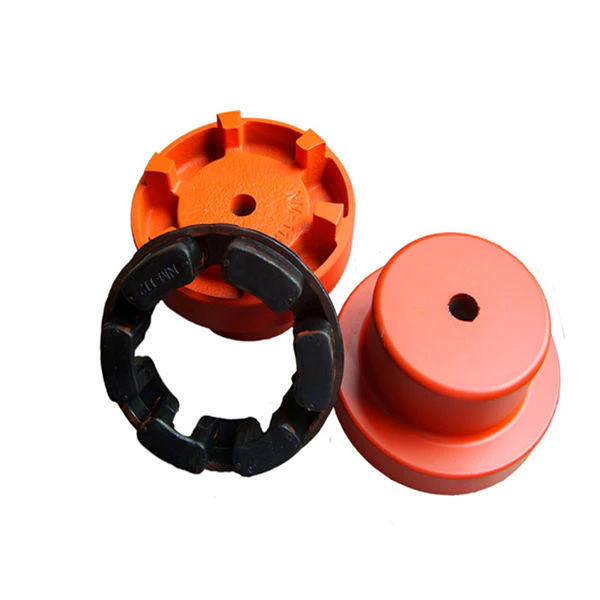
Elastomeric flexible couplings, also known as flexible or jaw couplings, employ an elastomeric material (rubber or similar) as the flexible element. The elastomer is typically molded between two hubs, and it acts as the connector between the driving and driven shafts. The key differences and characteristics of elastomeric couplings include:
- جبران ناهمراستایی: Elastomeric couplings are designed to handle moderate levels of angular, parallel, and axial misalignment. The elastomeric material flexes to accommodate the misalignment while transmitting torque between the shafts.
- میرایی ارتعاش: The elastomeric material in these couplings offers excellent vibration dampening properties, reducing the transmission of vibrations from one shaft to another. This feature helps protect connected equipment from excessive vibrations and enhances system reliability.
- جذب بار ضربه: Elastomeric couplings can absorb and dampen shock loads, protecting the system from sudden impacts or overloads.
- Cost-Effective: Elastomeric couplings are generally more cost-effective compared to metallic couplings, making them a popular choice for various industrial applications.
- Simple Design and Installation: Elastomeric couplings often have a straightforward design, allowing for easy installation and maintenance.
- Lower Torque Capacity: These couplings have a lower torque capacity compared to metallic couplings, making them suitable for applications with moderate torque requirements.
- Common Applications: Elastomeric couplings are commonly used in pumps, compressors, fans, conveyors, and other applications that require moderate torque transmission and misalignment compensation.
Metallic Flexible Couplings:
Metallic flexible couplings use metal components (such as steel, stainless steel, or aluminum) to connect the driving and driven shafts. The metallic designs can vary significantly depending on the type of metallic coupling, but some general characteristics include:
- High Torque Capacity: Metallic couplings have higher torque transmission capabilities compared to elastomeric couplings. They are well-suited for applications requiring high torque handling.
- جبران ناهمراستایی: Depending on the design, some metallic couplings can accommodate minimal misalignment, but they are generally not as flexible as elastomeric couplings in this regard.
- Stiffer Construction: Metallic couplings are generally stiffer than elastomeric couplings, offering less vibration dampening but higher torsional stiffness.
- Compact Design: Metallic couplings can have a more compact design, making them suitable for applications with limited space.
- Higher Precision: Metallic couplings often offer higher precision and concentricity, resulting in better shaft alignment.
- Higher Cost: Metallic couplings are typically more expensive than elastomeric couplings due to their construction and higher torque capacity.
- Common Applications: Metallic couplings are commonly used in high-speed machinery, precision equipment, robotics, and applications with high torque requirements.
Summary:
In summary, the main differences between elastomeric and metallic flexible coupling designs lie in their flexibility, torque capacity, vibration dampening, cost, and applications. Elastomeric couplings are suitable for applications with moderate torque, misalignment compensation, and vibration dampening requirements. On the other hand, metallic couplings are chosen for applications with higher torque and precision requirements, where flexibility and vibration dampening are less critical.
Can you explain the different types of flexible coupling designs available?
There are several types of flexible coupling designs available, each with its unique construction and characteristics. These designs are tailored to meet specific application requirements and address different types of misalignment and torque transmission needs. Here are some of the most common types of flexible couplings:
- Jaw Couplings: Jaw couplings consist of two hubs with curved jaws and an elastomer spider placed between them. The spider acts as a flexible element and can compensate for angular and parallel misalignment. Jaw couplings are widely used in various industrial applications due to their simple design and effectiveness in handling misalignment and vibration damping.
- Disc Couplings: Disc couplings use thin metallic discs with a series of alternating slits and flanges to connect the shafts. The disc coupling design allows for excellent misalignment compensation, including angular, parallel, and axial misalignment. Disc couplings are known for their high torsional stiffness and precise torque transmission capabilities.
- Gear Couplings: Gear couplings consist of toothed hubs connected by an external sleeve with gear teeth. They are well-suited for applications with high torque and moderate misalignment. Gear couplings offer good misalignment compensation and high torque capacity, making them popular in heavy-duty industrial applications.
- Beam Couplings: Beam couplings use a single piece of flexible material, often a metal beam, to connect the shafts. The material’s flexibility allows for angular and axial misalignment compensation. Beam couplings are compact, lightweight, and provide low inertia, making them suitable for applications with high-speed requirements.
- Bellows Couplings: Bellows couplings consist of a bellows-like flexible structure that connects the two hubs. They can compensate for angular, parallel, and axial misalignment. Bellows couplings are known for their high torsional stiffness and ability to maintain constant velocity transmission.
- Oldham Couplings: Oldham couplings use three discs, with the middle one having a perpendicular slot. This design allows for angular misalignment compensation while transmitting torque between the hubs. Oldham couplings are often used when electrical isolation between shafts is required.
Each flexible coupling design has its strengths and limitations, and the choice depends on factors such as the application’s torque requirements, misalignment conditions, operating environment, and speed. Proper selection of the coupling type ensures optimal performance, efficiency, and reliability in various mechanical systems and rotating machinery.


editor by CX 2024-04-26