Mô tả sản phẩm
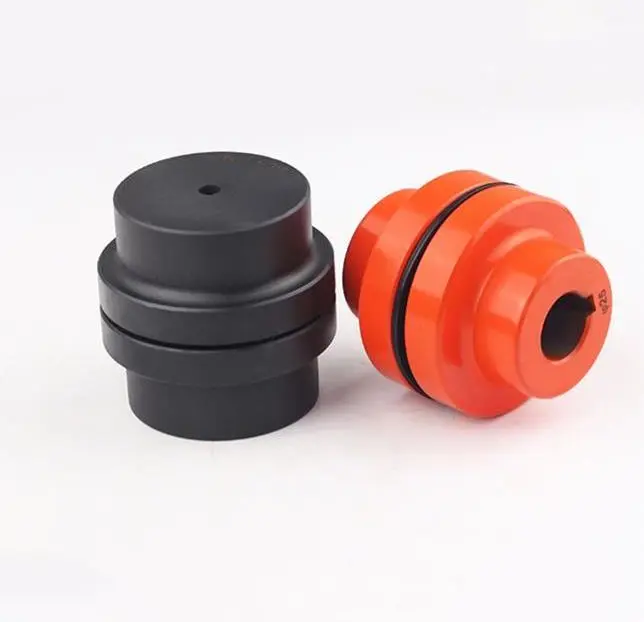
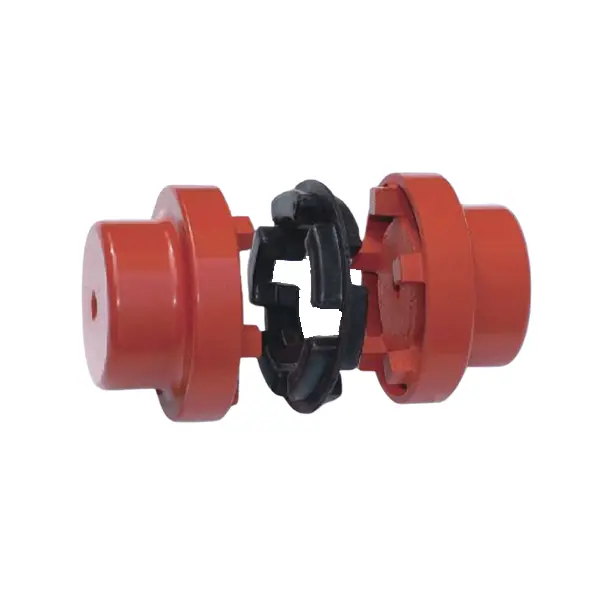
NM Coupling, NM Rubber Coupling Elements, NM Rubber Spider
| Vật liệu: | NBR, CSM/SBR | Màu sắc: | Đen |
| Tensile Strength: | 12Mpa | Độ cứng: | 80 bờ biển A |
| Sự kéo dài: | 350% | Tỉ trọng: | 1,25g/cm3 |
| Kích cỡ: | NM50, NM67, NM82, NM97, NM112, NM128, NM148, NM168, NM194, NM214, NM240, NM265 |
Ghép nối NM
Loại NM được sản xuất chính xác từ cao su tổng hợp được thiết kế đặc biệt với 2 thân bằng gang có cấu tạo tương tự nhau.
Mặt bích gang:
Designed not only for the power transmission but also for protection of flexible rubber
Cao su mềm dẻo: Ứng dụng trong máy bơm, quạt, máy nén khí, xe cộ, thiết bị vận chuyển, máy xây dựng, máy trộn xi măng, máy kéo, máy truyền động, máy gia công kim loại, con lăn và tất cả các hệ thống truyền động khác.
Được làm bằng cao su và lõi thép được chèn vào các răng để mang lại độ bền và hiệu suất khớp nối tuyệt vời.
Đặc trưng:
Sử dụng tiết kiệm và thiết thực
Hoạt động êm ái và trơn tru
Dễ dàng lắp đặt và bảo trì
Thích hợp cho các máy có mô-men xoắn cao và hoạt động gián đoạn.
Đặc tính của cao su tổng hợp: độ đàn hồi và khả năng chống chịu tốt với ma sát, dầu, axit và kiềm.
Thông số kỹ thuật:
1: Có chứng nhận CE
2: Kiểm tra chất lượng toàn diện trước khi giao hàng
3: OEM is welcomed
4: Kinh nghiệm phong phú trong lĩnh vực đúc chính xác
Vật liệu: CSM/SBR, NBR
Màu sắc: đen.
bề mặt: nhẵn
Độ bền kéo: 12 MPa
Độ cứng: 80 Shore A
Độ giãn dài: 400%
Mật độ: 1,25 g/cm³
Tác động đàn hồi: >25%
Độ bền xé: 35KN/m
Nhiệt độ hoạt động: 100oC
kích thước tiêu chuẩn:
NM50, NM67, NM82, NM97, NM112, NM128, NM148, NM168, NM194, NM214, NM240, NM265
Đặc điểm vật lý: được sản xuất bằng phương pháp ép phun với nhựa polyester chất lượng cao hoặc nhựa CSM/SBR. Sản phẩm được thiết kế đặc biệt cho tất cả các loại khớp nối trục kim loại với hiệu suất rất tốt về độ bền kéo cao, khả năng chống mài mòn cao, độ đàn hồi cao, khả năng chống nước, chống dầu và khả năng chống mỏi tuyệt vời, khả năng chống va đập cao, v.v. Chúng tôi có đầy đủ bộ khuôn và cung cấp đầy đủ các loại khớp nối GR, GS, MT, Hb, HRC, L, NM và Gear J với chất lượng cao và kinh nghiệm tuyệt vời. Áp dụng cho tất cả các loại khớp nối trục kim loại công nghiệp.
Thông số kỹ thuật:
Chất liệu: polyester, CSM/SBR
color: yellow, red, purple, green, black etc.
bề mặt: nhẵn
Độ bền kéo: 12-55 MPa
Độ cứng: 80-98 Shore A
Độ giãn dài: 400%-650%
Mật độ: 1,25 g/cm³
Tác động đàn hồi: >25%
Độ bền xé: 35-155KN/m
Mức hao mòn Akron: <0,05 cm³/1,61 km
Độ biến dạng nén (22 giờ * 70°C): <10%
Nhiệt độ hoạt động: 120oC
Kích thước tiêu chuẩn cho khớp nối polyurethane:
GR14, GR19, GR24, GR28, GR38, GR42, GR48, GR55, GR65, GR75, GR90, GR100, GR110, GR125, GR140, GR160, GR180
MT1, MT2, MT3, MT4, MT5, MT6, MT7, MT8, MT9, MT10, MT11, MT12, MT13
HRC70, HRC90, HRC110, HRC130, HRC150, HRC180, HRC230, HRC280
L35, L50, L70, L75, L90/95, L99/100, L110, L150, L190, L225, L276
FALK-R 10R, 20R, 30R, 40R, 50R, 60R, 70R, 80R
Kích thước tiêu chuẩn cho khớp nối cao su:
Hb80, Hb95, Hb110, Hb125, Hb140, Hb160, Hb180, Hb200, Hb240, Hb280, Hb315
HRC70, HRC90, HRC110, HRC130, HRC150, HRC180, HRC230, HRC280
L35, L50, L70, L75, L90/95, L99/100, L110, L150, L190, L225
NM50, NM67, NM82, NM97, NM112, NM128, NM148, NM168, NM194, NM214, NM240, NM265
Bánh răng 3J, 4J, 5J, 6J, 7J, 8J, 9J, 10J, 11J
Khuôn đúc kích thước đặc biệt được chế tạo theo bản vẽ của người mua.
***Khi hỏi hàng, vui lòng xác nhận mã số sản phẩm và số lượng***
| Standard: | DIN, ANSI, GB |
|---|---|
| Vật liệu: | Nr+SBR |
| Sự liên quan: | Flange |
| Surface Treatment: | Nothing |
| Head Type: | Round |
| Sự kéo dài: | 350% |
| Mẫu: |
US$ 10/Piece
1 chiếc (Số lượng đặt tối thiểu) | |
|---|
| Tùy chỉnh: |
Có sẵn
| Yêu cầu tùy chỉnh |
|---|

Can flexible couplings accommodate high torque and high-speed applications?
Yes, flexible couplings can accommodate both high torque and high-speed applications, but the suitability depends on the specific design and material of the flexible coupling. Different types of flexible couplings have varying torque and speed capacities, and it’s crucial to select the right type of coupling based on the application requirements.
High Torque Applications:
Some flexible couplings, such as gear couplings and disc couplings, are designed to handle high torque levels. Gear couplings consist of toothed hubs that mesh with each other, providing a robust and efficient torque transmission. They are commonly used in heavy-duty industrial applications, such as steel mills, mining equipment, and power generation plants, where high torque loads are prevalent.
Disc couplings are also suitable for high torque applications. They use a series of flexible metal discs that can handle significant torque while compensating for misalignment. Disc couplings are often used in high-speed machinery and critical applications where precise torque transmission is essential.
High-Speed Applications:
Flexible couplings can also be used in high-speed applications. For instance, certain disc couplings, elastomeric couplings, and grid couplings are capable of handling high rotational speeds. These couplings have low inertia, which means they can respond quickly to changes in speed and provide efficient power transmission at high RPMs.
Elastomeric couplings, such as jaw couplings and tire couplings, are commonly used in various industrial applications, including pumps, compressors, and fans, where both torque and speed requirements are high. They offer good flexibility and damping properties, making them suitable for applications with high-speed variations and vibrations.
Considerations:
When selecting a flexible coupling for high torque and high-speed applications, several factors should be considered:
- The torque and speed ratings provided by the coupling manufacturer should be checked to ensure they meet or exceed the application’s requirements.
- The design and materials of the coupling should be suitable for the specific operating conditions, including temperature, environment, and potential exposure to corrosive substances.
- Proper alignment and installation of the coupling are critical to ensure optimal performance and prevent premature wear.
- In some cases, it may be necessary to use additional components, such as torque limiters or speed reducers, to protect the coupling and the connected equipment from excessive loads or speed fluctuations.
In conclusion, flexible couplings can indeed accommodate high torque and high-speed applications, but the appropriate coupling type and proper selection are essential to ensure reliable and efficient performance in these demanding conditions.
Can flexible couplings be used in corrosive or harsh environments?
Yes, flexible couplings can be designed and selected to be used in corrosive or harsh environments. The choice of materials and coatings plays a crucial role in ensuring the coupling’s durability and performance under challenging conditions.
Corrosion-Resistant Materials:
In corrosive environments, it is essential to use materials that can withstand chemical attacks and oxidation. Stainless steel, specifically grades like 316 or 17-4 PH, is commonly chosen for flexible couplings in such situations. Stainless steel offers excellent corrosion resistance, making it suitable for applications where the coupling may come into contact with corrosive substances or moisture.
Special Coatings:
For certain harsh environments, coupling manufacturers may apply special coatings to enhance the coupling’s corrosion resistance. Examples of coatings include zinc plating, nickel plating, or epoxy coatings. These coatings provide an additional layer of protection against corrosive agents and help extend the coupling’s lifespan.
Sealed Designs:
In environments where the coupling is exposed to contaminants like dust, dirt, or moisture, sealed designs are preferred. Sealed flexible couplings prevent these substances from entering the coupling’s internal components, thus reducing the risk of corrosion and wear. The sealed design also helps to maintain the coupling’s performance over time in challenging conditions.
High-Temperature Applications:
For harsh environments with high temperatures, flexible couplings made from high-temperature resistant materials, such as certain heat-resistant stainless steels or superalloys, can be used. These materials retain their mechanical properties and corrosion resistance even at elevated temperatures.
Chemical Resistance:
For applications where the coupling might encounter chemicals or solvents, it is essential to select a coupling material that is chemically resistant. This prevents degradation and ensures the coupling’s integrity in such environments.
Specialized Designs:
In some cases, where the environment is exceptionally harsh or unique, custom-designed flexible couplings may be necessary. Engineering a coupling to meet the specific demands of the environment ensures optimal performance and reliability.
Consultation with Manufacturers:
When considering flexible couplings for corrosive or harsh environments, it is advisable to consult with coupling manufacturers or engineering experts. They can provide valuable insights and recommend suitable materials, coatings, and designs based on the specific operating conditions.
Summary:
Flexible couplings can indeed be used in corrosive or harsh environments, provided the appropriate materials, coatings, and designs are chosen. Stainless steel, sealed designs, and special coatings are some of the solutions that enhance the coupling’s corrosion resistance and performance. It is essential to consider the specific environment and application requirements when selecting a flexible coupling to ensure optimal functionality and durability in challenging conditions.
Những vật liệu nào thường được sử dụng trong sản xuất khớp nối mềm?
Các khớp nối mềm được sản xuất bằng nhiều loại vật liệu khác nhau, mỗi loại đều có những đặc tính và đặc điểm riêng phù hợp với các ứng dụng cụ thể. Việc lựa chọn vật liệu phụ thuộc vào các yếu tố như yêu cầu của ứng dụng, điều kiện môi trường, khả năng chịu momen xoắn và độ linh hoạt mong muốn. Dưới đây là một số vật liệu thường được sử dụng trong sản xuất khớp nối mềm:
- Thép: Thép là vật liệu được sử dụng rộng rãi trong các khớp nối mềm nhờ độ bền, độ chắc chắn và khả năng truyền mô-men xoắn tuyệt vời. Khớp nối thép phù hợp cho các ứng dụng công nghiệp nặng với yêu cầu mô-men xoắn cao và điều kiện hoạt động khắc nghiệt.
- Thép không gỉ: Thép không gỉ thường được sử dụng để chế tạo các khớp nối mềm trong môi trường có khả năng ăn mòn cao. Các khớp nối bằng thép không gỉ có khả năng chống gỉ và các yếu tố ăn mòn khác tuyệt vời, lý tưởng cho các ứng dụng trong ngành hàng hải, chế biến thực phẩm và công nghiệp hóa chất.
- Nhôm: Các khớp nối bằng nhôm có trọng lượng nhẹ, quán tính thấp và khả năng cân bằng tuyệt vời. Chúng thường được sử dụng trong các ứng dụng mà việc giảm trọng lượng là rất quan trọng, chẳng hạn như hàng không vũ trụ và robot.
- Thau: Các khớp nối bằng đồng thau nổi tiếng về khả năng dẫn điện và được sử dụng trong các ứng dụng yêu cầu nối đất hoặc cách điện, chẳng hạn như trong một số máy móc công nghiệp hoặc thiết bị điện tử.
- Gang đúc: Các khớp nối bằng gang có độ bền và độ chắc chắn tốt, thường được sử dụng trong các ứng dụng công nghiệp cần khả năng chịu được tải trọng va đập và rung động.
- Nhựa/Polyme: Một số khớp nối mềm sử dụng các polyme hoặc nhựa hiệu suất cao, chẳng hạn như polyurethane hoặc nylon. Những vật liệu này mang lại độ linh hoạt tốt, ma sát thấp và khả năng chống hóa chất. Khớp nối bằng nhựa phù hợp cho các ứng dụng cần khả năng chống ăn mòn và trọng lượng nhẹ.
- Chất đàn hồi: Vật liệu đàn hồi được sử dụng làm các phần tử linh hoạt trong nhiều khớp nối mềm. Các vật liệu như cao su tự nhiên, neoprene hoặc urethane thường được sử dụng làm các phần tử đàn hồi dạng mạng nhện, mang lại tính linh hoạt và khả năng giảm chấn rung động.
Việc lựa chọn vật liệu khớp nối phụ thuộc vào nhu cầu cụ thể của ứng dụng. Ví dụ, các ứng dụng hiệu suất cao và tải nặng có thể yêu cầu khớp nối bằng thép hoặc thép không gỉ vì độ bền của chúng, trong khi các ứng dụng mà việc giảm trọng lượng là rất quan trọng có thể hưởng lợi từ khớp nối bằng nhôm hoặc polyme. Ngoài ra, việc lựa chọn vật liệu còn bị ảnh hưởng bởi các yếu tố như phạm vi nhiệt độ, tiếp xúc với hóa chất và các yêu cầu về điện trong môi trường hoạt động của ứng dụng.
Các nhà sản xuất thường cung cấp thông số kỹ thuật vật liệu cho các khớp nối của họ, giúp người dùng đưa ra quyết định sáng suốt dựa trên các yêu cầu cụ thể của ứng dụng.


editor by CX 2023-10-17