مصنوعات کی تفصیل
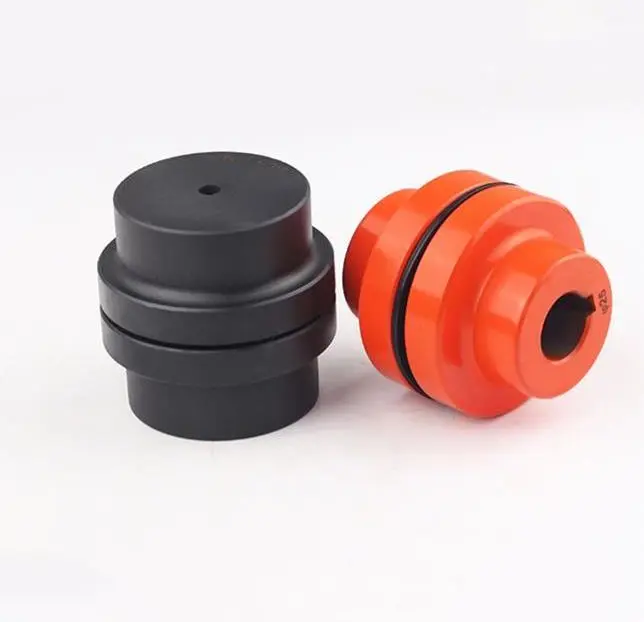
Type NM Rubber Coupling Made with Black CSM + SBR Rubber (3A2006)
| مواد: | NBR، CSM/SBR | رنگ: | سیاہ |
| Tensile Strength: | 12 ایم پی اے | سختی: | 80شور اے |
| طولانی: | 350% | کثافت: | 1.25 گرام/سینٹی میٹر 3 |
| سائز: | NM50, NM67, NM82, NM97, NM112, NM128, NM148, NM168, NM194, NM214, NM240, NM265 |
NM50-265 coupling , rubber coupling , polyurethane coupling for pumps, fans, compressors, vehicles, transporting equipme
NM جوڑے
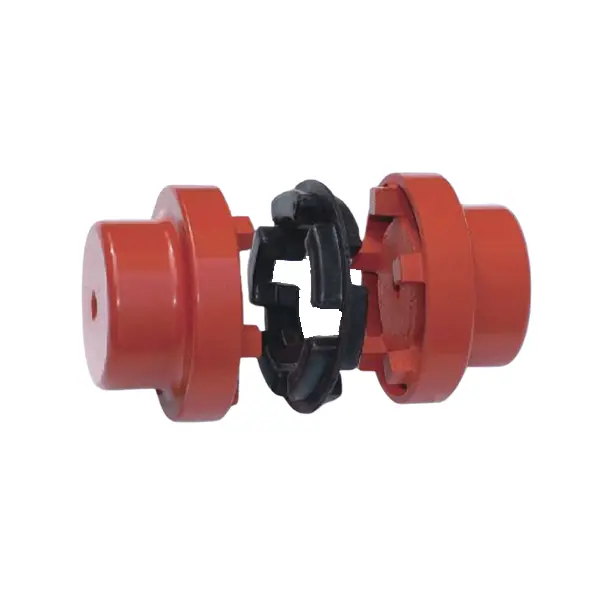
NM قسم خاص طور پر ایک خاص ڈیزائن کردہ مصنوعی ربڑ سے تیار کی جاتی ہے جس میں 2 ملتے جلتے کاسٹ آئرن کے جسم ہوتے ہیں۔
کاسٹ آئرن فلانجز:
Designed not only for the power transmission but also for protection of flexible rubber
لچکدار ربڑ: پمپ، پنکھے، کمپریسرز، گاڑیاں، نقل و حمل کے سازوسامان، کنسٹرکٹرز، سیمنٹ مکسر، ٹریکٹر، ٹرانسمیشن مشین، دھاتی کام کرنے والی مشینیں، رولرس اور دیگر تمام ٹرانسمیشنز کے لیے درخواستیں
ربڑ اور سٹیل سے بنے کور دانتوں میں ڈالے جاتے ہیں تاکہ جوڑے کی بہترین استحکام اور کارکردگی فراہم کی جا سکے۔
خصوصیات:
معاشی اور عملی استعمال
پرسکون اور ہموار آپریشن
آسان تنصیب اور دیکھ بھال
اعلی ٹارک اور وقفے وقفے سے آپریشن والی مشینوں کے لیے دستیاب ہے۔
مصنوعی ربڑ کی خصوصیات: مناسب لچک اور ڈیمپنگ، تیل، تیزاب اور الکلی کے خلاف مزاحمت
تفصیلات:
1: سی ای سرٹیفکیٹ کے ساتھ
2: ترسیل سے پہلے معیار کا مکمل پتہ لگانا
3: OEM is welcomed
4: صحت سے متعلق کاسٹنگ میں بھرپور تجربہ
مواد: CSM/SBR، NBR
رنگ: سیاہ
سطح: ہموار
تناؤ کی طاقت: 12 ایم پی اے
سختی: 80Shore A
بڑھاو: 400%
کثافت: 1.25 گرام/سینٹی میٹر
لچک کا اثر:>25%
آنسو کی طاقت: 35KN/m
کام کرنے کا درجہ حرارت: 100oC
معیاری سائز:
NM50, NM67, NM82, NM97, NM112, NM128, NM148, NM168, NM194, NM214, NM240, NM265
جسمانی کردار: اعلی معیار کے پالئیےسٹر یا مولڈ CSM/SBR کے ساتھ انجیکشن کے ذریعے بنایا گیا ہے۔ یہ تمام قسم کے دھاتی شافٹ کپلنگ کے لیے ڈیزائننگ اور خاص ہے جس میں بہت اچھی کارکردگی ہے جس میں ہائی ٹینسائل طاقت، زیادہ لباس مزاحم، اعلی لچکدار لچک، پانی مزاحم، تیل مزاحم اور بہترین تھکاوٹ مزاحم، زیادہ اثر مزاحم وغیرہ ہیں۔ ہمارے پاس مکمل سیٹ مولڈز ہیں اور بہترین GR، GS، MT، Hb، HB، JM، اور اعلی معیار کے ساتھ جی آر سی سیریز کی مکمل رینج فراہم کرتے ہیں۔ تجربہ تمام قسم کے صنعتی دھاتی شافٹ کپلنگ پر لگائیں۔
تفصیلات:
مواد: پالئیےسٹر، CSM/SBR
color: yellow, red, purple, green, black etc.
سطح: ہموار
تناؤ کی طاقت: 12-55Mpa
سختی: 80-98Shore A
لمبائی: 400%-650%
کثافت: 1.25 گرام/سینٹی میٹر
لچک کا اثر:>25%
آنسو کی طاقت: 35-155KN/m
اکرون ابریشن نقصان: <0.05cm3/1.61km
کمپریشن سیٹ (22h*70oC): <10%
کام کرنے کا درجہ حرارت: 120oC
پولیوریتھین کپلنگ کے لیے معیاری سائز:
GR14, GR19, GR24, GR28, GR38, GR42, GR48, GR55, GR65, GR75, GR90, GR100, GR110, GR125, GR140, GR160, GR180
MT1, MT2, MT3, MT4, MT5, MT6, MT7, MT8, MT9, MT10, MT11, MT12, MT13
HRC70, HRC90, HRC110, HRC130, HRC150, HRC180, HRC230, HRC280
L35, L50, L70, L75, L90/95, L99/100, L110, L150, L190, L225, L276
FALK-R 10R، 20R، 30R، 40R، 50R، 60R، 70R، 80R
ربڑ کے جوڑے کے لئے معیاری سائز:
Hb80, Hb95, Hb110, Hb125, Hb140, Hb160, Hb180, Hb200, Hb240, Hb280, Hb315
HRC70, HRC90, HRC110, HRC130, HRC150, HRC180, HRC230, HRC280
L35, L50, L70, L75, L90/95, L99/100, L110, L150, L190, L225
NM50, NM67, NM82, NM97, NM112, NM128, NM148, NM168, NM194, NM214, NM240, NM265
گیئر 3J، 4J، 5J، 6J، 7J، 8J، 9J، 10J، 11J
خریدار کی ڈرائنگ کے مطابق خصوصی سائز کی تعمیر مولڈنگ
*** جب آپ انکوائری کرتے ہیں تو براہ کرم پروڈکٹ کے نمبر اور مقدار کی تصدیق کریں ***
/* March 10, 2571 17:59:20 */!function(){function s(e,r){var a,o={};try{e&&e.split(“,”).forEach(function(e,t){e&&(a=e.match(/(.*?):(.*)$/))&&1
| Standard: | DIN, ANSI, GB |
|---|---|
| مواد: | Csm+SBR |
| Connection: | Flange |
| Surface Treatment: | Nothing |
| Head Type: | Round |
| قسم: | Nm Type |
| نمونے: |
US$ 10/Piece
1 ٹکڑا (کم سے کم آرڈر) | |
|---|
| حسب ضرورت: |
دستیاب ہے۔
| اپنی مرضی کے مطابق درخواست |
|---|

کیا لچکدار کپلنگ ہائی ٹارک اور تیز رفتار ایپلی کیشنز کو ایڈجسٹ کر سکتے ہیں؟
جی ہاں، لچکدار کپلنگ ہائی ٹارک اور تیز رفتار ایپلی کیشنز دونوں کو ایڈجسٹ کر سکتے ہیں، لیکن مناسبیت لچکدار کپلنگ کے مخصوص ڈیزائن اور مواد پر منحصر ہے۔ مختلف قسم کے لچکدار کپلنگز میں ٹارک اور رفتار کی صلاحیتیں مختلف ہوتی ہیں، اور درخواست کی ضروریات کی بنیاد پر صحیح قسم کے جوڑے کا انتخاب کرنا بہت ضروری ہے۔
ہائی ٹارک ایپلی کیشنز:
کچھ لچکدار کپلنگز، جیسے گیئر کپلنگز اور ڈسک کپلنگز، ہائی ٹارک لیول کو سنبھالنے کے لیے بنائے گئے ہیں۔ گئر کپلنگز دانتوں والے حب پر مشتمل ہوتے ہیں جو ایک دوسرے کے ساتھ میش ہوتے ہیں، جو ایک مضبوط اور موثر ٹارک ٹرانسمیشن فراہم کرتے ہیں۔ وہ عام طور پر ہیوی ڈیوٹی صنعتی ایپلی کیشنز میں استعمال ہوتے ہیں، جیسے اسٹیل ملز، کان کنی کا سامان، اور پاور جنریشن پلانٹس، جہاں زیادہ ٹارک کا بوجھ ہوتا ہے۔
ڈسک کپلنگز ہائی ٹارک ایپلی کیشنز کے لیے بھی موزوں ہیں۔ وہ لچکدار دھاتی ڈسکوں کی ایک سیریز کا استعمال کرتے ہیں جو غلط ترتیب کی تلافی کرتے ہوئے اہم ٹارک کو سنبھال سکتے ہیں۔ ڈسک کپلنگ اکثر تیز رفتار مشینری اور اہم ایپلی کیشنز میں استعمال ہوتے ہیں جہاں درست ٹارک ٹرانسمیشن ضروری ہے۔
تیز رفتار ایپلی کیشنز:
لچکدار جوڑے کو تیز رفتار ایپلی کیشنز میں بھی استعمال کیا جا سکتا ہے۔ مثال کے طور پر، کچھ ڈسک کپلنگز، ایلسٹومیرک کپلنگز، اور گرڈ کپلنگز زیادہ گردشی رفتار کو سنبھالنے کی صلاحیت رکھتے ہیں۔ ان کپلنگز میں کم جڑتا ہے، جس کا مطلب ہے کہ وہ رفتار میں ہونے والی تبدیلیوں کا فوری جواب دے سکتے ہیں اور اعلی RPMs پر موثر پاور ٹرانسمیشن فراہم کر سکتے ہیں۔
الاسٹومیرک کپلنگز، جیسے جبڑے کے جوڑے اور ٹائر کپلنگ، عام طور پر مختلف صنعتی ایپلی کیشنز میں استعمال ہوتے ہیں، بشمول پمپ، کمپریسرز، اور پنکھے، جہاں ٹارک اور رفتار دونوں کی ضروریات زیادہ ہوتی ہیں۔ وہ اچھی لچک اور نم کی خصوصیات پیش کرتے ہیں، جو انہیں تیز رفتار تغیرات اور کمپن کے ساتھ ایپلی کیشنز کے لیے موزوں بناتے ہیں۔
تحفظات:
ہائی ٹارک اور تیز رفتار ایپلی کیشنز کے لیے لچکدار جوڑے کا انتخاب کرتے وقت، کئی عوامل پر غور کیا جانا چاہیے:
- کپلنگ مینوفیکچرر کی طرف سے فراہم کردہ ٹارک اور رفتار کی درجہ بندی کو یقینی بنانے کے لیے چیک کیا جانا چاہیے کہ وہ درخواست کی ضروریات کو پورا کرتے ہیں یا اس سے زیادہ ہیں۔
- کپلنگ کا ڈیزائن اور مواد مخصوص آپریٹنگ حالات کے لیے موزوں ہونا چاہیے، بشمول درجہ حرارت، ماحول، اور سنکنرن مادوں کی ممکنہ نمائش۔
- بہترین کارکردگی کو یقینی بنانے اور قبل از وقت پہننے سے بچنے کے لیے کپلنگ کی مناسب سیدھ اور تنصیب بہت ضروری ہے۔
- کچھ معاملات میں، اضافی اجزاء، جیسے ٹارک محدود کرنے والے یا رفتار کم کرنے والے، جوڑے اور منسلک آلات کو ضرورت سے زیادہ بوجھ یا رفتار کے اتار چڑھاؤ سے بچانے کے لیے استعمال کرنا ضروری ہو سکتا ہے۔
آخر میں، لچکدار کپلنگز واقعی تیز ٹارک اور تیز رفتار ایپلی کیشنز کو ایڈجسٹ کر سکتے ہیں، لیکن ان مشکل حالات میں قابل اعتماد اور موثر کارکردگی کو یقینی بنانے کے لیے مناسب جوڑے کی قسم اور مناسب انتخاب ضروری ہے۔
Can flexible couplings be used in applications with varying operating temperatures?
Yes, flexible couplings can be used in applications with varying operating temperatures. The suitability of a flexible coupling for a specific temperature range depends on its design and the materials used in its construction. Different types of flexible couplings are available to handle a wide range of temperature conditions, making them versatile for use in various industries and environments.
High-Temperature Applications:
For applications with high operating temperatures, such as those found in certain industrial processes, exhaust systems, or high-temperature machinery, flexible couplings made from materials with excellent heat resistance are used. These materials may include stainless steel alloys, heat-treated steels, or specialized high-temperature elastomers. High-temperature flexible couplings are designed to maintain their mechanical properties, including flexibility and torque transmission capabilities, even at elevated temperatures.
Low-Temperature Applications:
Conversely, for applications in extremely cold environments or cryogenic processes, flexible couplings constructed from materials with low-temperature resistance are employed. These couplings are designed to remain flexible and functional at very low temperatures without becoming brittle or losing their ability to handle misalignment. Some low-temperature couplings may use special polymers or elastomers with excellent cold-temperature performance.
Temperature Range Considerations:
When selecting a flexible coupling for applications with varying operating temperatures, it is essential to consider the specific temperature range in which the coupling will operate. Some flexible couplings have a wider temperature range, allowing them to function effectively in both high and low-temperature environments. However, in extreme temperature conditions, specialized couplings may be necessary to ensure reliable performance and prevent premature failure.
Manufacturer Guidelines:
Manufacturers of flexible couplings provide guidelines and specifications regarding the temperature range of their products. It is crucial to consult the manufacturer’s documentation to ensure that the chosen coupling is suitable for the intended operating temperature of the application. Using a coupling beyond its recommended temperature range can lead to performance issues, reduced efficiency, or even failure.
درخواستیں:
Flexible couplings with varying temperature resistance find use in numerous industries, including aerospace, automotive, manufacturing, power generation, and more. Whether in high-temperature exhaust systems, low-temperature cryogenic processes, or regular industrial applications with temperature fluctuations, flexible couplings play a vital role in providing reliable power transmission and misalignment compensation.
In summary, flexible couplings can be effectively used in applications with varying operating temperatures, provided that the coupling’s design and material properties align with the specific temperature requirements of the application.
How do you select the appropriate flexible coupling for a specific application?
Choosing the right flexible coupling for a specific application requires careful consideration of various factors to ensure optimal performance, reliability, and longevity. Here are the key steps to select the appropriate flexible coupling:
- Application Requirements: Understand the specific requirements of the application, including torque and speed specifications, misalignment conditions, operating environment (e.g., temperature, humidity, and presence of corrosive substances), and space limitations.
- Torque Capacity: Determine the maximum torque that the coupling needs to transmit. Choose a flexible coupling with a torque rating that exceeds the application’s requirements to ensure a safety margin and prevent premature failure.
- غلط طریقے سے معاوضہ: Consider the type and magnitude of misalignment that the coupling needs to accommodate. Different coupling designs offer varying degrees of misalignment compensation. Select a coupling that can handle the expected misalignment in the system.
- کمپن ڈیمپنگ: If the application involves significant vibrations, choose a flexible coupling with good damping properties to reduce vibration transmission to connected equipment and improve system stability.
- Environmental Factors: Take into account the environmental conditions in which the coupling will operate. For harsh environments, consider couplings made from corrosion-resistant materials.
- Torsional Stiffness: Depending on the application’s requirements, decide on the desired torsional stiffness of the coupling. Some applications may require high torsional stiffness for precise motion control, while others may benefit from a more flexible coupling for shock absorption.
- Cost and Life-Cycle Considerations: Evaluate the overall cost-effectiveness of the coupling over its expected life cycle. Consider factors such as initial cost, maintenance requirements, and potential downtime costs associated with coupling replacement.
- Manufacturer Recommendations: Consult coupling manufacturers and their technical specifications to ensure the selected coupling is suitable for the intended application.
- Installation and Maintenance: Ensure that the selected flexible coupling is compatible with the equipment and shaft sizes. Follow the manufacturer’s installation guidelines and recommended maintenance practices to maximize the coupling’s performance and longevity.
By following these steps and carefully evaluating the application’s requirements, you can select the most appropriate flexible coupling for your specific needs. The right coupling choice will lead to improved system performance, reduced wear on equipment, and enhanced overall reliability in various mechanical systems and rotating machinery.


editor by CX 2024-01-12