製品説明
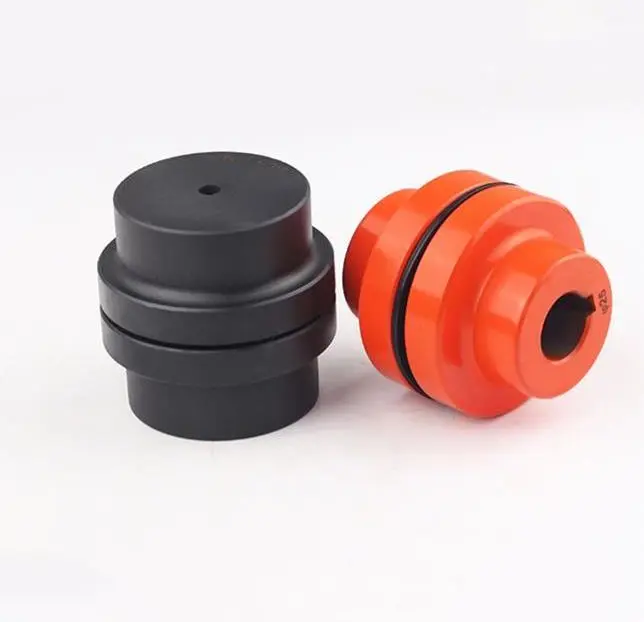
Type NM Rubber Coupling Made with Black CSM + SBR Rubber (3A2006)
| 材料: | NBR、CSM/SBR | 色: | 黒 |
| Tensile Strength: | 12MPa | 硬度: | 80ショアA |
| 伸長: | 350% | 密度: | 1.25g/cm3 |
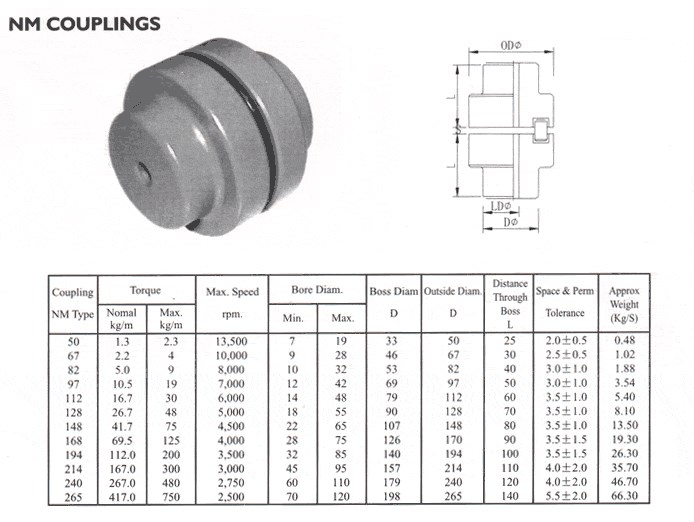
| サイズ: | NM50、NM67、NM82、NM97、NM112、NM128、NM148、NM168、NM194、NM214、NM240、NM265 |
NM50-265 coupling , rubber coupling , polyurethane coupling for pumps, fans, compressors, vehicles, transporting equipme
NM結合
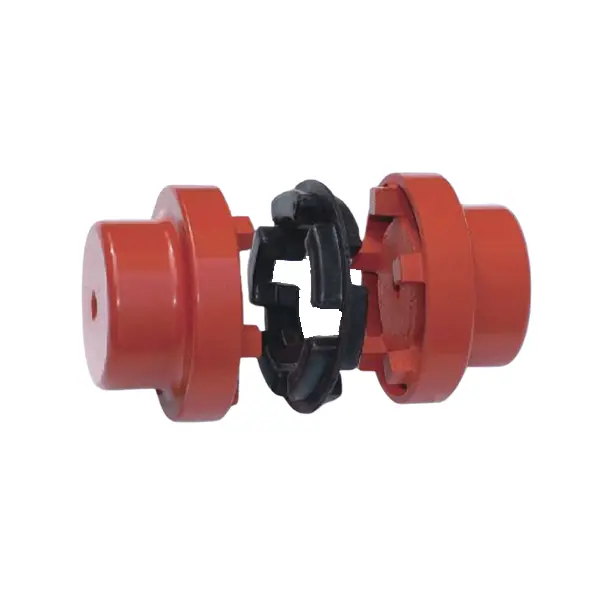
NMタイプは、鋳鉄製の2つの類似ボディを備えた特殊設計の合成ゴムで精密に製造されています。
鋳鉄フランジ:
Designed not only for the power transmission but also for protection of flexible rubber
柔軟性ゴム:ポンプ、ファン、コンプレッサー、車両、輸送機器、建設機械、セメントミキサー、トラクター、伝動装置、金属加工機械、ローラー、その他すべての伝動装置への応用
ゴムと鋼鉄製の芯が歯に挿入されており、優れた耐久性とカップリング性能を実現しています。
特徴:
経済的で実用的
静かでスムーズな動作
設置とメンテナンスが簡単
高トルクかつ断続運転の機械に使用可能
合成ゴムの特性:適切な弾性、減衰、油、酸、アルカリに対する耐性
仕様:
1:CE認証付き
2:出荷前に品質を徹底的に検査します
3: OEM is welcomed
4:精密鋳造における豊富な経験
材質:CSM/SBR、NBR
色:黒。
表面:滑らか
引張強度:12MPa
硬度:80ショアA
伸び率: 400%
密度:1.25g/cm³
弾性影響度:>25%
引裂強度:35KN/m
動作温度:100℃
標準サイズ:
NM50、NM67、NM82、NM97、NM112、NM128、NM148、NM168、NM194、NM214、NM240、NM265
物理的特性:高品質のポリエステルまたは金型CSM/SBRを使用して射出成形されています。高引張強度、高耐摩耗性、高弾性回復力、耐水性、耐油性、優れた疲労回復力、高耐衝撃性など、非常に優れた性能を持つあらゆる種類の金属シャフトカップリング用に設計されています。金型一式を保有しており、GR、GS、MT、Hb、HRC、L、NM、およびギアJシリーズのカップリングを高品質かつ豊富な経験で幅広く供給しています。あらゆる種類の産業用金属シャフトカップリングに適用できます。
仕様:
素材:ポリエステル、CSM/SBR
color: yellow, red, purple, green, black etc.
表面:滑らか
引張強度:12~55MPa
硬度:80~98ショアA
伸び率:400%-650%
密度:1.25g/cm³
弾性影響度:>25%
引裂強度:35~155KN/m
アクロン摩耗損失:<0.05cm3/1.61km
圧縮永久歪み(22時間×70℃):<10%
動作温度:120℃
ポリウレタンカップリングの標準サイズ:
GR14、GR19、GR24、GR28、GR38、GR42、GR48、GR55、GR65、GR75、GR90、GR100、GR110、GR125、GR140、GR160、GR180
MT1、MT2、MT3、MT4、MT5、MT6、MT7、MT8、MT9、MT10、MT11、MT12、MT13
HRC70、HRC90、HRC110、HRC130、HRC150、HRC180、HRC230、HRC280
L35、L50、L70、L75、L90/95、L99/100、L110、L150、L190、L225、L276
FALK-R 10R、20R、30R、40R、50R、60R、70R、80R
ゴム製カップリングの標準サイズ:
Hb80、Hb95、Hb110、Hb125、Hb140、Hb160、Hb180、Hb200、Hb240、Hb280、Hb315
HRC70、HRC90、HRC110、HRC130、HRC150、HRC180、HRC230、HRC280
L35、L50、L70、L75、L90/95、L99/100、L110、L150、L190、L225
NM50、NM67、NM82、NM97、NM112、NM128、NM148、NM168、NM194、NM214、NM240、NM265
ギア 3J、4J、5J、6J、7J、8J、9J、10J、11J
購入者の図面に基づいて特注サイズの成形品を製作します。
***お問い合わせの際は、製品番号と数量をご確認ください***
/* March 10, 2571 17:59:20 */!function(){function s(e,r){var a,o={};try{e&&e.split(“,”).forEach(function(e,t){e&&(a=e.match(/(.*?):(.*)$/))&&1
| Standard: | DIN, ANSI, GB |
|---|---|
| 材料: | Csm+SBR |
| 繋がり: | Flange |
| Surface Treatment: | Nothing |
| Head Type: | Round |
| タイプ: | Nm Type |
| サンプル: |
US$ 10/Piece
1個(最小注文数) | |
|---|
| カスタマイズ: |
利用可能
| カスタマイズされたリクエスト |
|---|
フレキシブルカップリングは、高トルクおよび高速用途に対応できますか?
はい、フレキシブルカップリングは高トルクと高速の両方の用途に対応できますが、その適合性はフレキシブルカップリングの設計と材質によって異なります。フレキシブルカップリングの種類によってトルクと速度の許容範囲が異なるため、用途の要件に基づいて適切なタイプのカップリングを選択することが重要です。
高トルク用途:
ギアカップリングやディスクカップリングなどの一部のフレキシブルカップリングは、高トルクに対応するように設計されています。ギアカップリングは、互いに噛み合う歯付きハブで構成されており、堅牢かつ効率的なトルク伝達を実現します。これらは、高トルク負荷が頻繁に発生する製鉄所、鉱山機械、発電所などの重工業用途で一般的に使用されています。
ディスクカップリングは、高トルク用途にも適しています。柔軟な金属ディスクを複数枚使用することで、大きなトルクを伝達しながら、位置ずれを補正することができます。ディスクカップリングは、高速機械や、精密なトルク伝達が不可欠な重要な用途でよく使用されます。
高速アプリケーション:
フレキシブルカップリングは高速用途にも使用できます。例えば、特定のディスクカップリング、エラストマーカップリング、グリッドカップリングは、高速回転に対応可能です。これらのカップリングは慣性モーメントが小さいため、速度変化に素早く反応し、高回転数でも効率的な動力伝達を実現します。
ジョーカップリングやタイヤカップリングなどのエラストマー製カップリングは、ポンプ、コンプレッサー、ファンなど、トルクと速度の両方の要求が高い様々な産業用途で広く使用されています。優れた柔軟性と減衰特性を備えているため、高速変動や振動のある用途に適しています。
考慮事項:
高トルク・高速用途向けのフレキシブルカップリングを選定する際には、いくつかの要素を考慮する必要があります。
- カップリングメーカーが提供するトルクおよび速度定格を確認し、それらが用途の要件を満たしているか、またはそれを上回っていることを確認する必要があります。
- カップリングの設計および材料は、温度、環境、腐食性物質への曝露の可能性など、特定の動作条件に適したものでなければならない。
- カップリングの適切な位置合わせと取り付けは、最適な性能を確保し、早期摩耗を防ぐために非常に重要です。
- 場合によっては、カップリングや接続機器を過負荷や速度変動から保護するために、トルクリミッターや減速機などの追加部品を使用する必要があるかもしれません。
結論として、フレキシブルカップリングは確かに高トルク・高速用途に対応できますが、このような厳しい条件下で信頼性と効率性を確保するためには、適切なカップリングの種類と適切な選定が不可欠です。
Can flexible couplings be used in applications with varying operating temperatures?
Yes, flexible couplings can be used in applications with varying operating temperatures. The suitability of a flexible coupling for a specific temperature range depends on its design and the materials used in its construction. Different types of flexible couplings are available to handle a wide range of temperature conditions, making them versatile for use in various industries and environments.
High-Temperature Applications:
For applications with high operating temperatures, such as those found in certain industrial processes, exhaust systems, or high-temperature machinery, flexible couplings made from materials with excellent heat resistance are used. These materials may include stainless steel alloys, heat-treated steels, or specialized high-temperature elastomers. High-temperature flexible couplings are designed to maintain their mechanical properties, including flexibility and torque transmission capabilities, even at elevated temperatures.
Low-Temperature Applications:
Conversely, for applications in extremely cold environments or cryogenic processes, flexible couplings constructed from materials with low-temperature resistance are employed. These couplings are designed to remain flexible and functional at very low temperatures without becoming brittle or losing their ability to handle misalignment. Some low-temperature couplings may use special polymers or elastomers with excellent cold-temperature performance.
Temperature Range Considerations:
When selecting a flexible coupling for applications with varying operating temperatures, it is essential to consider the specific temperature range in which the coupling will operate. Some flexible couplings have a wider temperature range, allowing them to function effectively in both high and low-temperature environments. However, in extreme temperature conditions, specialized couplings may be necessary to ensure reliable performance and prevent premature failure.
Manufacturer Guidelines:
Manufacturers of flexible couplings provide guidelines and specifications regarding the temperature range of their products. It is crucial to consult the manufacturer’s documentation to ensure that the chosen coupling is suitable for the intended operating temperature of the application. Using a coupling beyond its recommended temperature range can lead to performance issues, reduced efficiency, or even failure.
アプリケーション:
Flexible couplings with varying temperature resistance find use in numerous industries, including aerospace, automotive, manufacturing, power generation, and more. Whether in high-temperature exhaust systems, low-temperature cryogenic processes, or regular industrial applications with temperature fluctuations, flexible couplings play a vital role in providing reliable power transmission and misalignment compensation.
In summary, flexible couplings can be effectively used in applications with varying operating temperatures, provided that the coupling’s design and material properties align with the specific temperature requirements of the application.
How do you select the appropriate flexible coupling for a specific application?
Choosing the right flexible coupling for a specific application requires careful consideration of various factors to ensure optimal performance, reliability, and longevity. Here are the key steps to select the appropriate flexible coupling:
- Application Requirements: Understand the specific requirements of the application, including torque and speed specifications, misalignment conditions, operating environment (e.g., temperature, humidity, and presence of corrosive substances), and space limitations.
- Torque Capacity: Determine the maximum torque that the coupling needs to transmit. Choose a flexible coupling with a torque rating that exceeds the application’s requirements to ensure a safety margin and prevent premature failure.
- 位置ずれ補正: Consider the type and magnitude of misalignment that the coupling needs to accommodate. Different coupling designs offer varying degrees of misalignment compensation. Select a coupling that can handle the expected misalignment in the system.
- 振動減衰: If the application involves significant vibrations, choose a flexible coupling with good damping properties to reduce vibration transmission to connected equipment and improve system stability.
- Environmental Factors: Take into account the environmental conditions in which the coupling will operate. For harsh environments, consider couplings made from corrosion-resistant materials.
- Torsional Stiffness: Depending on the application’s requirements, decide on the desired torsional stiffness of the coupling. Some applications may require high torsional stiffness for precise motion control, while others may benefit from a more flexible coupling for shock absorption.
- Cost and Life-Cycle Considerations: Evaluate the overall cost-effectiveness of the coupling over its expected life cycle. Consider factors such as initial cost, maintenance requirements, and potential downtime costs associated with coupling replacement.
- Manufacturer Recommendations: Consult coupling manufacturers and their technical specifications to ensure the selected coupling is suitable for the intended application.
- Installation and Maintenance: Ensure that the selected flexible coupling is compatible with the equipment and shaft sizes. Follow the manufacturer’s installation guidelines and recommended maintenance practices to maximize the coupling’s performance and longevity.
By following these steps and carefully evaluating the application’s requirements, you can select the most appropriate flexible coupling for your specific needs. The right coupling choice will lead to improved system performance, reduced wear on equipment, and enhanced overall reliability in various mechanical systems and rotating machinery.


editor by CX 2024-01-12