Ürün Açıklaması
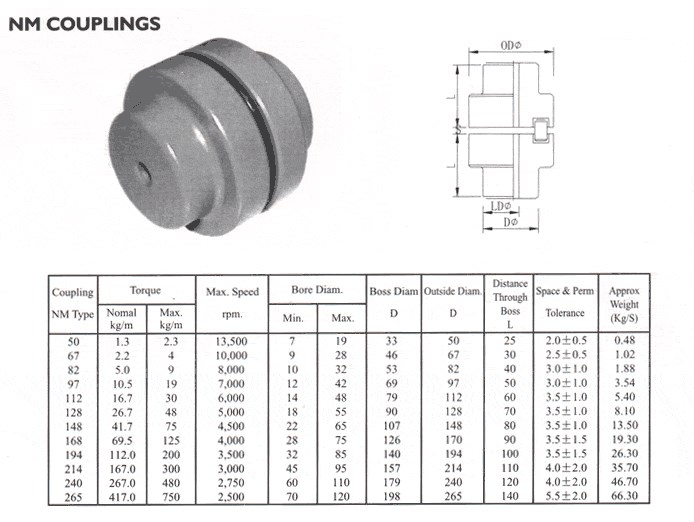
NM Coupling, NM Rubber Coupling Elements, NM Rubber Spider
| Malzeme: | NBR, CSM/SBR | Renk: | Siyah |
| Tensile Strength: | 12 MPa | Sertlik: | 80 kıyı A |
| Uzama: | 350% | Yoğunluk: | 1,25 g/cm³ |
| Boyut: | NM50, NM67, NM82, NM97, NM112, NM128, NM148, NM168, NM194, NM214, NM240, NM265 |
NM bağlantısı
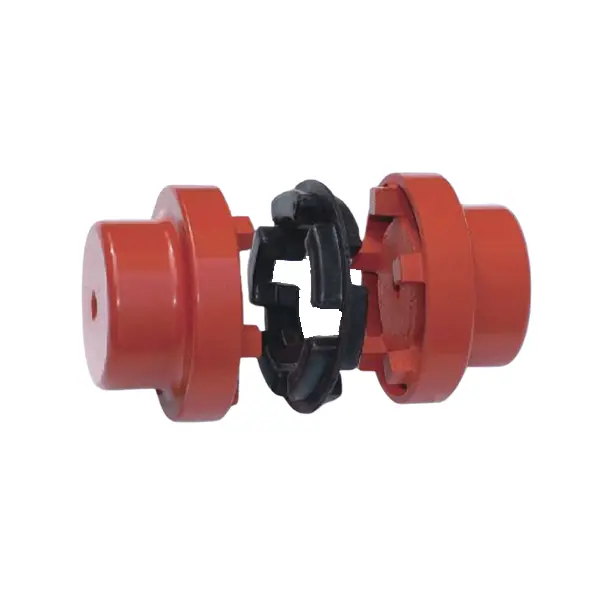
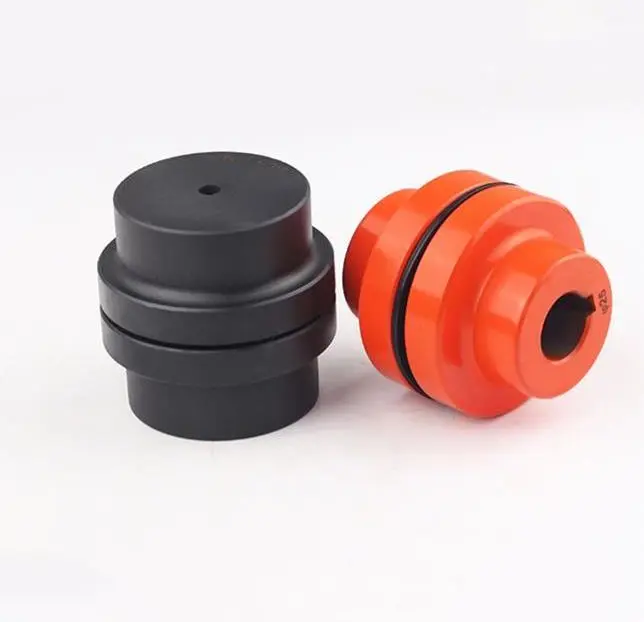
NM tipi, özel olarak tasarlanmış sentetik kauçuktan ve birbirine benzer iki dökme demir gövdeden hassas bir şekilde üretilir.
Dökme demir flanşlar:
Designed not only for the power transmission but also for protection of flexible rubber
Esnek kauçuk: Pompalar, fanlar, kompresörler, araçlar, taşıma ekipmanları, inşaat makineleri, beton mikserleri, traktörler, şanzıman makineleri, metal işleme makineleri, silindirler ve diğer tüm aktarım sistemlerinde kullanılır.
Kauçuktan yapılmış olup, dişlerin içine yerleştirilen çelik çekirdekler sayesinde mükemmel dayanıklılık ve performans sağlayan bir bağlantı elemanıdır.
Özellikler:
Ekonomik ve pratik kullanım
Sessiz ve sorunsuz çalışma
Kolay kurulum ve bakım
Yüksek torklu ve aralıklı çalışma özelliğine sahip makineler için uygundur.
Sentetik kauçuğun özellikleri: uygun esneklik ve sönümlemeye, yağa, asitlere ve alkalilere karşı direnç.
Özellikler:
1: CE sertifikalı
2: Teslimattan önce kalitenin tam olarak tespit edilmesi
3: OEM is welcomed
4: Hassas döküm konusunda zengin deneyim
Malzeme: CSM/SBR, NBR
Renk: siyah.
yüzey: pürüzsüz
Çekme dayanımı: 12 MPa
Sertlik: 80 Shore A
uzama: 400%
Yoğunluk: 1,25 g/cm³
esneklik etkisi: >25%
Yırtılma dayanımı: 35 KN/m
Çalışma sıcaklığı: 100°C
standart boyut:
NM50, NM67, NM82, NM97, NM112, NM128, NM148, NM168, NM194, NM214, NM240, NM265
Fiziksel Özellikler: Yüksek kaliteli polyester veya CSM/SBR kalıplama yöntemiyle enjeksiyon kalıplama ile üretilmiştir. Çok iyi çekme dayanımı, yüksek aşınma direnci, yüksek elastik esneklik, su geçirmezlik, yağ geçirmezlik, mükemmel yorulma direnci, yüksek darbe dayanımı vb. özelliklere sahip, her türlü metal şaft kaplinine özel olarak tasarlanmıştır. Tam kalıp setlerimiz mevcuttur ve yüksek kalite ve mükemmel deneyimle GR, GS, MT, Hb, HRC, L, NM ve Gear J serisi kaplinlerin tüm yelpazesini tedarik ediyoruz. Her türlü endüstriyel metal şaft kaplininde kullanılabilir.
Özellikler:
Malzeme: polyester, CSM/SBR
color: yellow, red, purple, green, black etc.
yüzey: pürüzsüz
Çekme dayanımı: 12-55 MPa
Sertlik: 80-98 Shore A
uzama: 400%-650%
Yoğunluk: 1,25 g/cm³
esneklik etkisi: >25%
Yırtılma dayanımı: 35-155 KN/m
Akron aşınma kaybı: <0,05cm³/1,61km
Sıkıştırma seti (22h*70oC): <10%
Çalışma sıcaklığı: 120°C
Poliüretan bağlantı elemanı için standart boyut:
GR14, GR19, GR24, GR28, GR38, GR42, GR48, GR55, GR65, GR75, GR90, GR100, GR110, GR125, GR140, GR160, GR180
MT1, MT2, MT3, MT4, MT5, MT6, MT7, MT8, MT9, MT10, MT11, MT12, MT13
HRC70, HRC90, HRC110, HRC130, HRC150, HRC180, HRC230, HRC280
L35, L50, L70, L75, L90/95, L99/100, L110, L150, L190, L225, L276
FALK-R 10R, 20R, 30R, 40R, 50R, 60R, 70R, 80R
Kauçuk bağlantı elemanı için standart boyut:
Hb80, Hb95, Hb110, Hb125, Hb140, Hb160, Hb180, Hb200, Hb240, Hb280, Hb315
HRC70, HRC90, HRC110, HRC130, HRC150, HRC180, HRC230, HRC280
L35, L50, L70, L75, L90/95, L99/100, L110, L150, L190, L225
NM50, NM67, NM82, NM97, NM112, NM128, NM148, NM168, NM194, NM214, NM240, NM265
Dişli 3J, 4J, 5J, 6J, 7J, 8J, 9J, 10J, 11J
Alıcının çizimlerine göre özel ölçülerde kalıp üretimi.
***Sipariş verirken lütfen ürün numarasını ve miktarını teyit ediniz.***
| Standard: | DIN, ANSI, GB |
|---|---|
| Malzeme: | Nr+SBR |
| Bağlantı: | Flange |
| Surface Treatment: | Nothing |
| Head Type: | Round |
| Tip: | Nm Type |
| Örnekler: |
US$ 10/Piece
1 Adet (Minimum Sipariş) | |
|---|
| Özelleştirme: |
Mevcut
| Özelleştirilmiş Talep |
|---|
Esnek bir kaplin, bağlı ekipmanı ani yüklerden ve titreşimlerden nasıl korur?
Esnek kaplinler, sönümleme ve izolasyon yetenekleri sağlayarak bağlı ekipmanı ani yüklerden ve titreşimlerden korumada çok önemli bir rol oynar. Makineler veya mekanik sistemler ani yük veya titreşimlere maruz kaldığında, esnek kaplin bir tampon görevi görerek darbeyi emer ve dağıtır, böylece iletilen kuvvetleri azaltır ve ekipmanı korur. Esnek kaplinler bunu şu şekilde başarır:
- Titreşimlerin Sönümlenmesi: Esnek kaplinler genellikle sönümleme özelliklerine sahip malzemelerden yapılır. Titreşimler miller aracılığıyla iletildiğinde, esnek kaplinin malzemesi titreşim enerjisinin bir kısmını emerek ısıya dönüştürür. Bu enerji dağılımı, titreşimlerin genliğini azaltmaya ve bağlı ekipmana daha fazla yayılmasını önlemeye yardımcı olur.
- Titreşim İzolasyonu: Esnek kaplinler, titreşimleri sönümlemenin yanı sıra bir dereceye kadar titreşim izolasyonu da sağlarlar. İki mili birbirinden ayıracak şekilde tasarlanmışlardır; bu da bir mil üzerinde oluşan titreşimlerin diğer mile doğrudan iletilmemesi anlamına gelir. Bu izolasyon etkisi, titreşimlerin tüm sisteme yayılmasını önler ve hassas ekipman veya yakındaki bileşenler üzerindeki etkiyi en aza indirir.
- Şok Emici: Bağlı makine, çalıştırma sırasında veya yükte ani değişiklikler gibi ani şok yüklerine maruz kaldığında, esnek kaplin bir şok emici görevi görebilir. Kaplinin tasarımı, darbe altında hafifçe deforme olmasına, şok enerjisini emmesine ve dağıtmasına olanak tanır. Bu, şokun doğrudan bağlı ekipmana aktarılmasını önleyerek hasar veya erken aşınma riskini azaltır.
- Hizalama Hatası Telafisi: Esnek kaplinler, miller arasındaki hizalama hatalarını telafi edebilme özelliğine sahiptir. Hizalama hatası, sistemde ek gerilmelere ve titreşimlere yol açabilir. Esnek kaplin, belirli bir derecede açısal, paralel ve eksenel hizalama hatasına izin vererek, bağlı ekipmana ve destekleyici yapılara iletilen kuvvetleri azaltır.
- Rezonans Etkilerinin Azaltılması: Rezonans, bir sistemin doğal frekansının dış titreşimlerin frekansıyla eşleşmesi sonucu titreşimlerin yükselmesine yol açan bir olgudur. Esnek kaplinler, sistemin doğal frekansını değiştirerek ve rezonans tepkisini sönümleyen bir esneklik sağlayarak rezonans etkilerini önlemeye yardımcı olabilir.
Esnek bir kaplinin tahrik sistemine veya güç aktarım sistemine entegre edilmesiyle, ekipman üreticileri ve operatörler, bağlı makinelerin güvenilirliğini ve ömrünü önemli ölçüde artırabilirler. Kaplinin titreşimleri sönümleme, şokları izole etme ve hizalama hatalarını telafi etme yeteneği, daha düzgün ve istikrarlı bir çalışma sağlayarak bakım gereksinimlerini azaltır ve genel sistem performansını artırır.
Özetle, esnek kaplinler, bağlı ekipmanı şok yüklerinden ve titreşimlerden koruyan koruyucu elemanlar olarak görev yapar. Titreşimleri sönümleme, şokları izole etme ve hizalama hatalarını telafi etme yetenekleri, çeşitli mekanik sistemlerin daha sorunsuz ve güvenilir çalışmasına katkıda bulunur.
Can flexible couplings be used in corrosive or harsh environments?
Yes, flexible couplings can be designed and selected to be used in corrosive or harsh environments. The choice of materials and coatings plays a crucial role in ensuring the coupling’s durability and performance under challenging conditions.
Corrosion-Resistant Materials:
In corrosive environments, it is essential to use materials that can withstand chemical attacks and oxidation. Stainless steel, specifically grades like 316 or 17-4 PH, is commonly chosen for flexible couplings in such situations. Stainless steel offers excellent corrosion resistance, making it suitable for applications where the coupling may come into contact with corrosive substances or moisture.
Special Coatings:
For certain harsh environments, coupling manufacturers may apply special coatings to enhance the coupling’s corrosion resistance. Examples of coatings include zinc plating, nickel plating, or epoxy coatings. These coatings provide an additional layer of protection against corrosive agents and help extend the coupling’s lifespan.
Sealed Designs:
In environments where the coupling is exposed to contaminants like dust, dirt, or moisture, sealed designs are preferred. Sealed flexible couplings prevent these substances from entering the coupling’s internal components, thus reducing the risk of corrosion and wear. The sealed design also helps to maintain the coupling’s performance over time in challenging conditions.
High-Temperature Applications:
For harsh environments with high temperatures, flexible couplings made from high-temperature resistant materials, such as certain heat-resistant stainless steels or superalloys, can be used. These materials retain their mechanical properties and corrosion resistance even at elevated temperatures.
Chemical Resistance:
For applications where the coupling might encounter chemicals or solvents, it is essential to select a coupling material that is chemically resistant. This prevents degradation and ensures the coupling’s integrity in such environments.
Specialized Designs:
In some cases, where the environment is exceptionally harsh or unique, custom-designed flexible couplings may be necessary. Engineering a coupling to meet the specific demands of the environment ensures optimal performance and reliability.
Consultation with Manufacturers:
When considering flexible couplings for corrosive or harsh environments, it is advisable to consult with coupling manufacturers or engineering experts. They can provide valuable insights and recommend suitable materials, coatings, and designs based on the specific operating conditions.
Özet:
Flexible couplings can indeed be used in corrosive or harsh environments, provided the appropriate materials, coatings, and designs are chosen. Stainless steel, sealed designs, and special coatings are some of the solutions that enhance the coupling’s corrosion resistance and performance. It is essential to consider the specific environment and application requirements when selecting a flexible coupling to ensure optimal functionality and durability in challenging conditions.
How do you select the appropriate flexible coupling for a specific application?
Choosing the right flexible coupling for a specific application requires careful consideration of various factors to ensure optimal performance, reliability, and longevity. Here are the key steps to select the appropriate flexible coupling:
- Application Requirements: Understand the specific requirements of the application, including torque and speed specifications, misalignment conditions, operating environment (e.g., temperature, humidity, and presence of corrosive substances), and space limitations.
- Torque Capacity: Determine the maximum torque that the coupling needs to transmit. Choose a flexible coupling with a torque rating that exceeds the application’s requirements to ensure a safety margin and prevent premature failure.
- Hizalama Hatası Telafisi: Consider the type and magnitude of misalignment that the coupling needs to accommodate. Different coupling designs offer varying degrees of misalignment compensation. Select a coupling that can handle the expected misalignment in the system.
- Titreşim Sönümleme: If the application involves significant vibrations, choose a flexible coupling with good damping properties to reduce vibration transmission to connected equipment and improve system stability.
- Environmental Factors: Take into account the environmental conditions in which the coupling will operate. For harsh environments, consider couplings made from corrosion-resistant materials.
- Torsional Stiffness: Depending on the application’s requirements, decide on the desired torsional stiffness of the coupling. Some applications may require high torsional stiffness for precise motion control, while others may benefit from a more flexible coupling for shock absorption.
- Cost and Life-Cycle Considerations: Evaluate the overall cost-effectiveness of the coupling over its expected life cycle. Consider factors such as initial cost, maintenance requirements, and potential downtime costs associated with coupling replacement.
- Manufacturer Recommendations: Consult coupling manufacturers and their technical specifications to ensure the selected coupling is suitable for the intended application.
- Installation and Maintenance: Ensure that the selected flexible coupling is compatible with the equipment and shaft sizes. Follow the manufacturer’s installation guidelines and recommended maintenance practices to maximize the coupling’s performance and longevity.
By following these steps and carefully evaluating the application’s requirements, you can select the most appropriate flexible coupling for your specific needs. The right coupling choice will lead to improved system performance, reduced wear on equipment, and enhanced overall reliability in various mechanical systems and rotating machinery.


editor by CX 2023-11-20