제품 설명
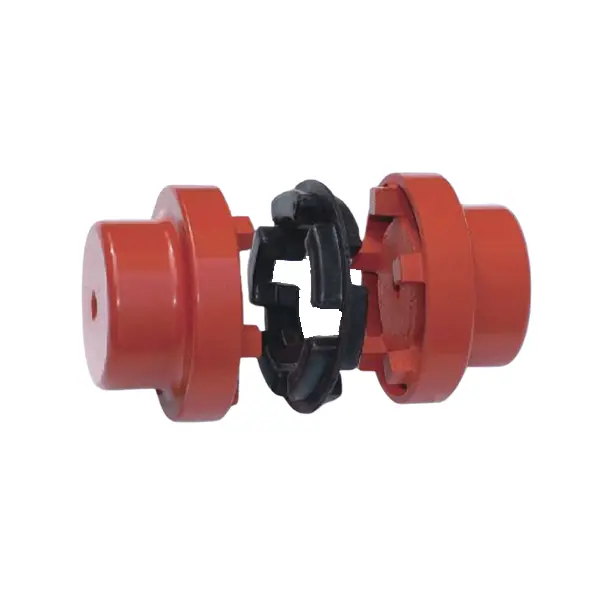
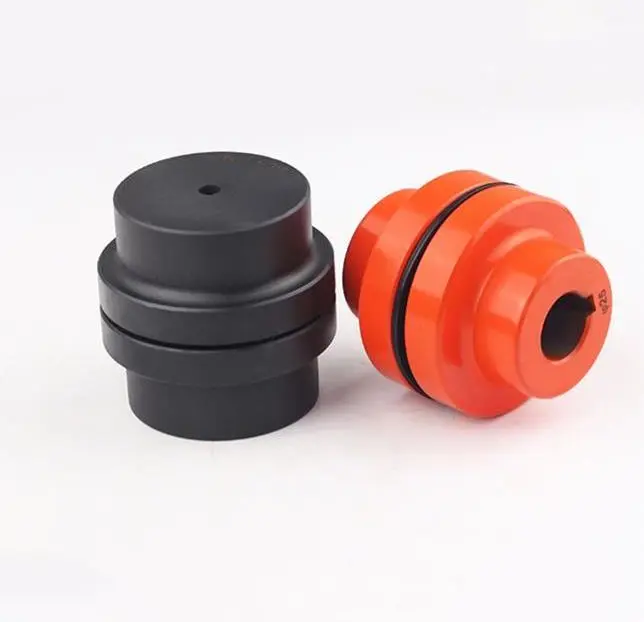
NM Coupling, NM Rubber Coupling Elements, NM Rubber Spider
| 재료: | NBR, CSM/SBR | 색상: | 검은색 |
| Tensile Strength: | 12Mpa | 경도: | 80쇼어 A |
| 연장: | 350% | 밀도: | 1.25g/cm3 |
| 크기: | NM50, NM67, NM82, NM97, NM112, NM128, NM148, NM168, NM194, NM214, NM240, NM265 |
NM 커플링
NM 타입은 특수 설계된 합성 고무와 유사한 주철 본체 두 개로 정밀하게 제작됩니다.
주철 플랜지:
Designed not only for the power transmission but also for protection of flexible rubber
연성 고무: 펌프, 팬, 압축기, 차량, 운송 장비, 건설 장비, 시멘트 믹서, 트랙터, 변속기, 금속 가공 기계, 롤러 및 기타 모든 변속기에 적용 가능
고무 재질로 만들어졌으며, 강철 코어가 톱니에 삽입되어 뛰어난 내구성과 성능을 제공하는 커플링 부품입니다.
특징:
경제적이고 실용적인 사용
조용하고 부드러운 작동
간편한 설치 및 유지보수
높은 토크와 간헐적 작동이 필요한 기계에 사용 가능합니다.
합성 고무의 특징: 적절한 탄성 및 감쇠 저항성, 내유성, 내산성 및 내알칼리성
명세서:
1: CE 인증서 포함
2: 배송 전 품질에 대한 완벽한 검사
3: OEM is welcomed
4: 정밀 주조 분야의 풍부한 경험
재질: CSM/SBR, NBR
색상: 검정색.
표면: 매끄러움
인장 강도: 12Mpa
경도: 80 쇼어 A
신장률: 400%
밀도: 1.25g/cm3
탄성 영향: >25%
인열 강도: 35KN/m
작동 온도: 100°C
표준 크기:
NM50, NM67, NM82, NM97, NM112, NM128, NM148, NM168, NM194, NM214, NM240, NM265
물리적 특성: 고품질 폴리에스터 사출 성형 또는 CSM/SBR 금형 성형으로 제작됩니다. 높은 인장 강도, 내마모성, 탄성, 내수성, 내유성, 우수한 피로 저항성, 높은 충격 저항성 등 탁월한 성능을 자랑하며, 모든 종류의 금속 샤프트 커플링에 적합하도록 특별히 설계되었습니다. 당사는 완벽한 금형 세트를 보유하고 있으며, GR, GS, MT, Hb, HRC, L, NM 및 Gear J 시리즈 커플링 전 제품군을 고품질과 풍부한 경험을 바탕으로 공급합니다. 모든 종류의 산업용 금속 샤프트 커플링에 적용 가능합니다.
명세서:
소재: 폴리에스터, CSM/SBR
color: yellow, red, purple, green, black etc.
표면: 매끄러움
인장 강도: 12-55Mpa
경도: 쇼어 A 80-98
신장률: 400%-650%
밀도: 1.25g/cm3
탄성 영향: >25%
인열 강도: 35-155KN/m
아크론 마모 손실: <0.05cm3/1.61km
압축 변형률(22시간*70℃): <10%
작동 온도: 120°C
폴리우레탄 커플링의 표준 크기:
GR14, GR19, GR24, GR28, GR38, GR42, GR48, GR55, GR65, GR75, GR90, GR100, GR110, GR125, GR140, GR160, GR180
MT1, MT2, MT3, MT4, MT5, MT6, MT7, MT8, MT9, MT10, MT11, MT12, MT13
HRC70, HRC90, HRC110, HRC130, HRC150, HRC180, HRC230, HRC280
L35, L50, L70, L75, L90/95, L99/100, L110, L150, L190, L225, L276
FALK-R 10R, 20R, 30R, 40R, 50R, 60R, 70R, 80R
고무 커플링의 표준 크기:
헤모글로빈 80, 헤모글로빈 95, 헤모글로빈 110, 헤모글로빈 125, 헤모글로빈 140, 헤모글로빈 160, 헤모글로빈 180, 헤모글로빈 200, 헤모글로빈 240, 헤모글로빈 280, 헤모글로빈 315
HRC70, HRC90, HRC110, HRC130, HRC150, HRC180, HRC230, HRC280
L35, L50, L70, L75, L90/95, L99/100, L110, L150, L190, L225
NM50, NM67, NM82, NM97, NM112, NM128, NM148, NM168, NM194, NM214, NM240, NM265
기어 3J, 4J, 5J, 6J, 7J, 8J, 9J, 10J, 11J
구매자의 도면에 따라 특수 크기로 금형을 제작합니다.
***문의 시 제품 번호와 수량을 확인해 주세요.***
| Standard: | DIN, ANSI, GB |
|---|---|
| 재료: | Nr+SBR |
| Connection: | Flange |
| Surface Treatment: | Nothing |
| Head Type: | Round |
| 유형: | Nm Type |
| 샘플: |
US$ 10/Piece
1개 (최소 주문 수량) | |
|---|
| 맞춤 설정: |
사용 가능
| 맞춤형 요청 |
|---|

플렉시블 커플링은 연결된 장비를 충격 하중과 진동으로부터 어떻게 보호합니까?
플렉시블 커플링은 감쇠 및 진동 차단 기능을 제공하여 연결된 장비를 충격 하중과 진동으로부터 보호하는 데 중요한 역할을 합니다. 기계 또는 기계 시스템이 갑작스러운 충격 하중이나 진동을 받을 때, 플렉시블 커플링은 완충 장치 역할을 하여 충격을 흡수하고 분산시켜 전달되는 힘을 줄이고 장비를 보호합니다. 플렉시블 커플링이 이러한 기능을 수행하는 원리는 다음과 같습니다.
- 진동 감쇠: 플렉시블 커플링은 종종 감쇠 특성을 나타내는 재질로 만들어집니다. 진동이 축을 통해 전달될 때, 플렉시블 커플링의 재질은 진동 에너지의 일부를 흡수하여 열로 변환할 수 있습니다. 이러한 에너지 소산은 진동의 진폭을 줄이고 연결된 장비로 진동이 전파되는 것을 방지하는 데 도움이 됩니다.
- 진동 차단: 플렉시블 커플링은 진동 감쇠 기능 외에도 진동 차단 기능을 제공합니다. 두 축을 분리하도록 설계되어 있어 한 축에서 발생하는 진동이 다른 축으로 직접 전달되지 않습니다. 이러한 차단 효과는 진동이 시스템 전체로 전파되는 것을 방지하고 민감한 장비나 주변 부품에 미치는 영향을 최소화합니다.
- 충격 흡수: 연결된 기계가 시동이나 급격한 부하 변화와 같은 갑작스러운 충격 하중을 받을 때, 플렉시블 커플링은 충격 흡수 장치 역할을 할 수 있습니다. 커플링의 설계는 충격 시 약간 변형되도록 되어 있어 충격 에너지를 흡수하고 분산시킵니다. 이를 통해 충격이 연결된 장비에 직접 전달되는 것을 방지하여 손상이나 조기 마모의 위험을 줄입니다.
- 정렬 불량 보정: 플렉시블 커플링은 축 사이의 정렬 불량을 보정할 수 있습니다. 정렬 불량은 시스템에 추가적인 응력과 진동을 유발할 수 있습니다. 플렉시블 커플링은 각도, 평행 및 축 방향의 정렬 불량을 어느 정도 허용함으로써 연결된 장비와 지지 구조물에 전달되는 힘을 줄여줍니다.
- 공명 효과 감소: 공진은 시스템의 고유 진동수가 외부 진동수와 일치할 때 발생하는 현상으로, 진동이 증폭됩니다. 유연한 커플링은 시스템의 고유 진동수를 변경하고 공진 반응을 감쇠시키는 유연성을 제공함으로써 공진 효과를 방지하는 데 도움이 될 수 있습니다.
구동계 또는 동력 전달 시스템에 플렉시블 커플링을 통합함으로써 장비 제조업체와 운영자는 연결된 기계의 신뢰성과 수명을 크게 향상시킬 수 있습니다. 커플링은 진동을 감쇠하고 충격을 차단하며 정렬 불량을 보정하는 기능을 통해 더욱 원활하고 안정적인 작동을 가능하게 하여 유지 보수 요구 사항을 줄이고 시스템 성능을 전반적으로 향상시킵니다.
요약하자면, 플렉시블 커플링은 연결된 장비를 충격 하중과 진동으로부터 보호하는 보호 요소 역할을 합니다. 진동 감쇠, 충격 차단, 그리고 정렬 불량 보정 기능은 다양한 기계 시스템의 더욱 원활하고 안정적인 작동에 기여합니다.
Can flexible couplings be used in corrosive or harsh environments?
Yes, flexible couplings can be designed and selected to be used in corrosive or harsh environments. The choice of materials and coatings plays a crucial role in ensuring the coupling’s durability and performance under challenging conditions.
Corrosion-Resistant Materials:
In corrosive environments, it is essential to use materials that can withstand chemical attacks and oxidation. Stainless steel, specifically grades like 316 or 17-4 PH, is commonly chosen for flexible couplings in such situations. Stainless steel offers excellent corrosion resistance, making it suitable for applications where the coupling may come into contact with corrosive substances or moisture.
Special Coatings:
For certain harsh environments, coupling manufacturers may apply special coatings to enhance the coupling’s corrosion resistance. Examples of coatings include zinc plating, nickel plating, or epoxy coatings. These coatings provide an additional layer of protection against corrosive agents and help extend the coupling’s lifespan.
Sealed Designs:
In environments where the coupling is exposed to contaminants like dust, dirt, or moisture, sealed designs are preferred. Sealed flexible couplings prevent these substances from entering the coupling’s internal components, thus reducing the risk of corrosion and wear. The sealed design also helps to maintain the coupling’s performance over time in challenging conditions.
High-Temperature Applications:
For harsh environments with high temperatures, flexible couplings made from high-temperature resistant materials, such as certain heat-resistant stainless steels or superalloys, can be used. These materials retain their mechanical properties and corrosion resistance even at elevated temperatures.
Chemical Resistance:
For applications where the coupling might encounter chemicals or solvents, it is essential to select a coupling material that is chemically resistant. This prevents degradation and ensures the coupling’s integrity in such environments.
Specialized Designs:
In some cases, where the environment is exceptionally harsh or unique, custom-designed flexible couplings may be necessary. Engineering a coupling to meet the specific demands of the environment ensures optimal performance and reliability.
Consultation with Manufacturers:
When considering flexible couplings for corrosive or harsh environments, it is advisable to consult with coupling manufacturers or engineering experts. They can provide valuable insights and recommend suitable materials, coatings, and designs based on the specific operating conditions.
요약:
Flexible couplings can indeed be used in corrosive or harsh environments, provided the appropriate materials, coatings, and designs are chosen. Stainless steel, sealed designs, and special coatings are some of the solutions that enhance the coupling’s corrosion resistance and performance. It is essential to consider the specific environment and application requirements when selecting a flexible coupling to ensure optimal functionality and durability in challenging conditions.
How do you select the appropriate flexible coupling for a specific application?
Choosing the right flexible coupling for a specific application requires careful consideration of various factors to ensure optimal performance, reliability, and longevity. Here are the key steps to select the appropriate flexible coupling:
- Application Requirements: Understand the specific requirements of the application, including torque and speed specifications, misalignment conditions, operating environment (e.g., temperature, humidity, and presence of corrosive substances), and space limitations.
- Torque Capacity: Determine the maximum torque that the coupling needs to transmit. Choose a flexible coupling with a torque rating that exceeds the application’s requirements to ensure a safety margin and prevent premature failure.
- 정렬 불량 보정: Consider the type and magnitude of misalignment that the coupling needs to accommodate. Different coupling designs offer varying degrees of misalignment compensation. Select a coupling that can handle the expected misalignment in the system.
- 진동 감쇠: If the application involves significant vibrations, choose a flexible coupling with good damping properties to reduce vibration transmission to connected equipment and improve system stability.
- Environmental Factors: Take into account the environmental conditions in which the coupling will operate. For harsh environments, consider couplings made from corrosion-resistant materials.
- Torsional Stiffness: Depending on the application’s requirements, decide on the desired torsional stiffness of the coupling. Some applications may require high torsional stiffness for precise motion control, while others may benefit from a more flexible coupling for shock absorption.
- Cost and Life-Cycle Considerations: Evaluate the overall cost-effectiveness of the coupling over its expected life cycle. Consider factors such as initial cost, maintenance requirements, and potential downtime costs associated with coupling replacement.
- Manufacturer Recommendations: Consult coupling manufacturers and their technical specifications to ensure the selected coupling is suitable for the intended application.
- Installation and Maintenance: Ensure that the selected flexible coupling is compatible with the equipment and shaft sizes. Follow the manufacturer’s installation guidelines and recommended maintenance practices to maximize the coupling’s performance and longevity.
By following these steps and carefully evaluating the application’s requirements, you can select the most appropriate flexible coupling for your specific needs. The right coupling choice will lead to improved system performance, reduced wear on equipment, and enhanced overall reliability in various mechanical systems and rotating machinery.


editor by CX 2023-11-20