Opis produktu
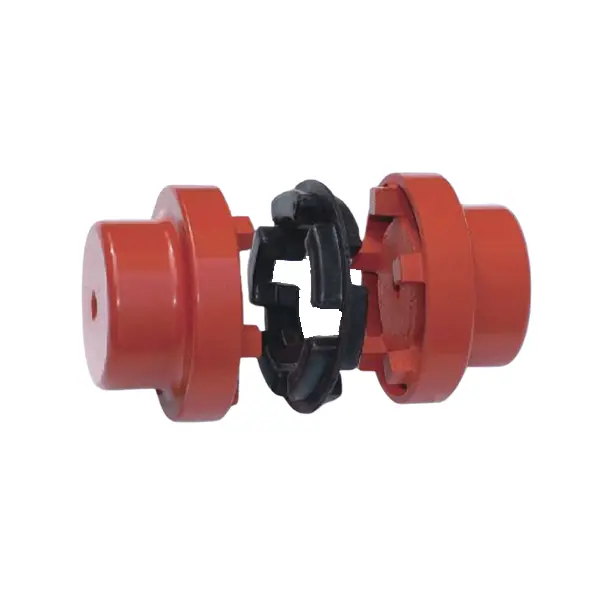
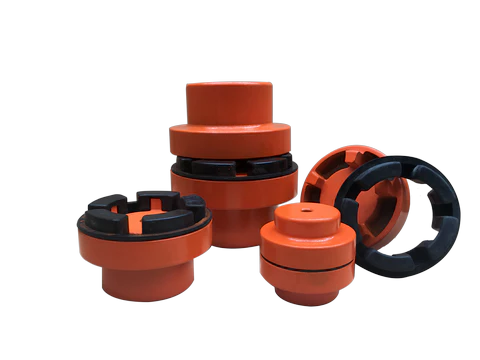
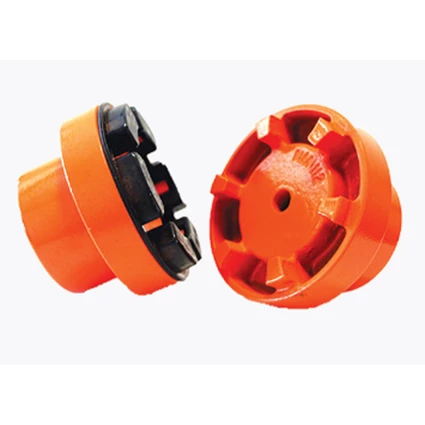
NM COUPLING COMPLETE SET WITH RUBBER SPIDER NM50
Description
NM couplings are offered in the industry’s largest variety of stock bore/keyway combinations. These couplings require no lubrication and provide highly reliable service for light, medium, and heavy duty electrical motor and internal combustion power transmission applications. Applications include power transmission to industrial equipment such as pumps, gear boxes, compressors, blowers, mixers, and conveyors.
Operating Conditions
NM coupling consists of 2 hubs and flexible ring able to compensate all types of shaft misalignments. The flexible rings are made of Nitile rubber (NBR) which have a high internal damping characteristic which enable to absorb and dampen torsional vibrations, operate effectively in temperature range of -40 °C to +100 °C. The NBR material also resists to oil, dirt, grease, moisture, CHINAMFG and many chemical solvents.
Feartures:
TYPE – NM
| Standardowe czy niestandardowe: | Standard |
|---|---|
| Otwór wału: | 19-32 |
| Moment obrotowy: | >80NM |
| Średnica otworu: | 19 mm |
| Prędkość: | 4000 obr./min |
| Struktura: | Elastyczny |
| Próbki: |
US$ 20/Piece
1 sztuka (minimalne zamówienie) | |
|---|
| Personalizacja: |
Dostępny
| Spersonalizowane żądanie |
|---|

W jaki sposób elastyczne sprzęgło chroni podłączone urządzenia przed obciążeniami udarowymi i wibracjami?
Sprzęgła elastyczne odgrywają kluczową rolę w ochronie podłączonych urządzeń przed obciążeniami udarowymi i wibracjami, zapewniając tłumienie i izolację. Gdy maszyny lub systemy mechaniczne są narażone na nagłe obciążenia udarowe lub wibracje, sprzęgło elastyczne działa jak amortyzator, absorbując i rozpraszając uderzenia, zmniejszając w ten sposób przenoszone siły i chroniąc urządzenie. Oto, w jaki sposób sprzęgła elastyczne to osiągają:
- Tłumienie drgań: Sprzęgła elastyczne są często wykonane z materiałów o właściwościach tłumiących. Gdy drgania są przenoszone przez wały, materiał sprzęgła elastycznego może absorbować część energii drgań, przekształcając ją w ciepło. To rozproszenie energii pomaga zmniejszyć amplitudę drgań i zapobiega ich dalszemu rozprzestrzenianiu się na podłączone urządzenia.
- Izolacja wibracji: Oprócz tłumienia drgań, sprzęgła elastyczne oferują również pewien stopień izolacji drgań. Zostały zaprojektowane w celu odsprzęgnięcia dwóch wałów, co oznacza, że drgania występujące na jednym wale nie są bezpośrednio przenoszone na drugi wał. Ten efekt izolacji zapobiega rozprzestrzenianiu się drgań w całym systemie i minimalizuje wpływ na wrażliwe urządzenia lub pobliskie podzespoły.
- Amortyzacja: Gdy podłączone maszyny są poddawane nagłym obciążeniom udarowym, na przykład podczas rozruchu lub gwałtownych zmian obciążenia, sprzęgło elastyczne może pełnić funkcję amortyzatora. Konstrukcja sprzęgła pozwala mu na lekkie odkształcenie pod wpływem uderzenia, absorbując i rozpraszając energię uderzenia. Zapobiega to bezpośredniemu przenoszeniu się wstrząsów na podłączone urządzenia, zmniejszając ryzyko ich uszkodzenia lub przedwczesnego zużycia.
- Kompensacja odchylenia: Sprzęgła elastyczne umożliwiają kompensację niewspółosiowości wałów. Niewspółosiowość może prowadzić do dodatkowych naprężeń i drgań w układzie. Pozwalając na pewien stopień niewspółosiowości kątowej, równoległej i osiowej, sprzęgło elastyczne redukuje siły przenoszone na podłączone urządzenia i konstrukcje wsporcze.
- Redukcja efektów rezonansowych: Rezonans to zjawisko występujące, gdy częstotliwość drgań własnych układu zrównuje się z częstotliwością drgań zewnętrznych, co prowadzi do wzmocnienia drgań. Sprzęgła elastyczne mogą pomóc uniknąć efektu rezonansu, zmieniając częstotliwość drgań własnych układu i zapewniając pewien poziom elastyczności, który tłumi odpowiedź rezonansową.
Dzięki zastosowaniu elastycznego sprzęgła w układzie napędowym lub układzie przeniesienia napędu, producenci i operatorzy sprzętu mogą znacząco poprawić niezawodność i żywotność podłączonych maszyn. Zdolność sprzęgła do tłumienia drgań, izolacji wstrząsów i kompensacji niewspółosiowości przyczynia się do płynniejszej i bardziej stabilnej pracy, zmniejszając wymagania konserwacyjne i poprawiając ogólną wydajność systemu.
Podsumowując, sprzęgła elastyczne pełnią funkcję elementów ochronnych, chroniąc podłączone urządzenia przed obciążeniami udarowymi i wibracjami. Ich zdolność do tłumienia wibracji, izolacji wstrząsów i kompensacji niewspółosiowości przyczynia się do płynniejszej i bardziej niezawodnej pracy różnych układów mechanicznych.
Can flexible couplings be used for both motor-to-shaft and shaft-to-shaft connections?
Yes, flexible couplings can be used for both motor-to-shaft and shaft-to-shaft connections in various applications. The versatility of flexible couplings allows them to adapt to different types of connections and meet the specific requirements of the system.
Motor-to-Shaft Connections:
When connecting a motor to a shaft, a flexible coupling serves as an intermediary component that joins the motor shaft and the driven shaft. Flexible couplings are commonly used in motor-driven systems to accommodate misalignment between the motor and the driven load. In motor applications, flexible couplings help reduce stress and wear on the motor bearings, thus extending the motor’s life and enhancing overall system reliability. They also act as vibration dampeners, minimizing vibrations transmitted from the motor to the driven shaft, and subsequently to connected equipment, ensuring smoother operation.
Shaft-to-Shaft Connections:
In many mechanical systems, such as those in the manufacturing, automation, and power transmission industries, shaft-to-shaft connections are required. A flexible coupling can bridge the gap between two shafts and transmit torque while accommodating misalignment. This type of coupling is commonly used to connect shafts that are not perfectly aligned due to factors like manufacturing tolerances, thermal expansion, or foundation settling. By allowing for misalignment, the flexible coupling protects the connected components from excessive stresses and ensures efficient power transmission.
Versatility and Advantages:
The ability of flexible couplings to handle both motor-to-shaft and shaft-to-shaft connections makes them versatile solutions for a wide range of industrial applications. Some of the advantages of using flexible couplings in these connections include:
- Minimizing stress and wear on connected components, such as bearings and seals.
- Compensating for misalignment, ensuring smooth power transmission.
- Damping vibrations and shock loads, reducing the risk of mechanical failures.
- Protecting equipment from excessive forces, enhancing system reliability.
- Simplifying installation and alignment procedures, reducing downtime.
- Improving overall system performance and operational efficiency.
Zastosowania:
Flexible couplings find applications in a wide range of industries, including manufacturing, material handling, automotive, aerospace, robotics, and more. Whether connecting a motor to a shaft or joining two shafts directly, flexible couplings play a crucial role in enhancing the reliability and efficiency of rotating machinery and mechanical systems.
In conclusion, flexible couplings can effectively serve as connectors for both motor-to-shaft and shaft-to-shaft connections, providing essential misalignment compensation and protection for connected equipment in various industrial applications.
Are there any limitations or disadvantages of using flexible couplings?
While flexible couplings offer numerous advantages, they do come with some limitations and disadvantages that should be considered when selecting them for specific applications. Here are some of the common limitations and disadvantages of using flexible couplings:
- Torsional Stiffness: Flexible couplings provide some level of torsional flexibility, which is advantageous in many applications. However, in systems that require high precision and minimal angular deflection, the inherent flexibility of the coupling may not be suitable. In such cases, a rigid coupling may be more appropriate.
- Limitation in High-Torque Applications: While some flexible couplings can handle moderate to high torque levels, they may not be as well-suited for extremely high-torque applications. In such cases, specialized couplings, such as gear couplings, may be required to handle the high torque demands.
- Temperature Limitations: The performance of certain flexible coupling materials, especially elastomers and plastics, may be affected by extreme temperature conditions. High temperatures can lead to premature wear and reduced lifespan of the coupling, while low temperatures may result in reduced flexibility and potential brittleness.
- Chemical Compatibility: Certain flexible coupling materials may not be compatible with certain chemicals or substances present in the application’s environment. Exposure to chemicals can cause degradation or corrosion of the coupling material, affecting its performance and lifespan.
- Installation and Alignment: Flexible couplings require proper installation and alignment to function effectively. If not installed correctly, misalignment issues may persist, leading to premature wear and reduced performance. Aligning the shafts accurately can be time-consuming and may require specialized equipment and expertise.
- Cost: In some cases, flexible couplings may be more expensive than rigid couplings due to their more complex design and use of specialized materials. However, the cost difference is often justified by the benefits they offer in terms of misalignment compensation and vibration damping.
- Service Life: The service life of a flexible coupling can vary depending on the application’s conditions and the quality of the coupling. Regular maintenance and timely replacement of worn or damaged parts are essential to ensure the coupling’s longevity and prevent unexpected failures.
Despite these limitations, flexible couplings remain highly valuable components in a wide range of applications, providing efficient torque transmission and compensating for misalignment. Proper selection, installation, and maintenance can help mitigate many of the disadvantages associated with flexible couplings, ensuring their reliable and long-lasting performance in various mechanical systems.


editor by CX 2023-11-30