مصنوعات کی تفصیل
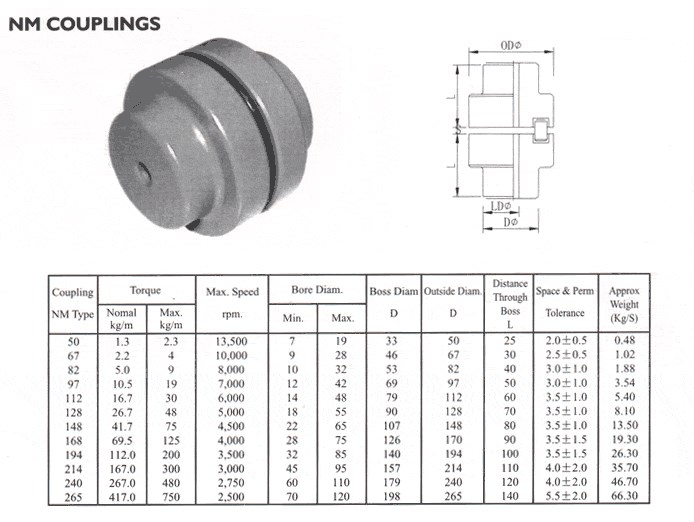
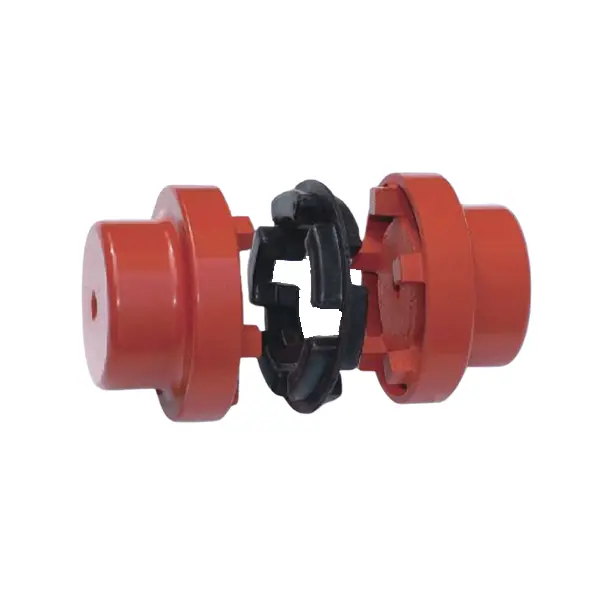
NM COUPLING COMPLETE SET WITH RUBBER SPIDER NM50
Description
NM couplings are offered in the industry’s largest variety of stock bore/keyway combinations. These couplings require no lubrication and provide highly reliable service for light, medium, and heavy duty electrical motor and internal combustion power transmission applications. Applications include power transmission to industrial equipment such as pumps, gear boxes, compressors, blowers, mixers, and conveyors.
Operating Conditions
NM coupling consists of 2 hubs and flexible ring able to compensate all types of shaft misalignments. The flexible rings are made of Nitile rubber (NBR) which have a high internal damping characteristic which enable to absorb and dampen torsional vibrations, operate effectively in temperature range of -40 °C to +100 °C. The NBR material also resists to oil, dirt, grease, moisture, CHINAMFG and many chemical solvents.
Feartures:
TYPE – NM
| معیاری یا غیر معیاری: | معیاری |
|---|---|
| شافٹ سوراخ: | 19-32 |
| ٹارک: | >80N.M |
| بور کا قطر: | 19 ملی میٹر |
| رفتار: | 4000r/M |
| ساخت: | Flexible |
| نمونے: |
US$ 20/Piece
1 ٹکڑا (کم سے کم آرڈر) | |
|---|
| حسب ضرورت: |
دستیاب ہے۔
| اپنی مرضی کے مطابق درخواست |
|---|
ایک لچکدار جوڑا جڑے ہوئے سامان کو جھٹکے کے بوجھ اور کمپن سے کیسے بچاتا ہے؟
لچکدار جوڑے جڑے ہوئے سامان کو جھٹکے کے بوجھ اور کمپن سے بچانے میں ڈیمپنگ اور آئسولیشن کی صلاحیتیں فراہم کرکے اہم کردار ادا کرتے ہیں۔ جب مشینیں یا مکینیکل سسٹم اچانک جھٹکے کے بوجھ یا کمپن کا تجربہ کرتے ہیں، تو لچکدار جوڑا بفر کے طور پر کام کرتا ہے، اثر کو جذب اور ختم کرتا ہے، اس طرح منتقلی قوتوں کو کم کرتا ہے اور سامان کی حفاظت کرتا ہے۔ یہاں یہ ہے کہ لچکدار جوڑے اس کو کیسے حاصل کرتے ہیں:
- کمپن کا گیلا ہونا: لچکدار جوڑے اکثر ایسے مواد سے بنائے جاتے ہیں جو نم کرنے والی خصوصیات کو ظاہر کرتے ہیں۔ جب کمپن شافٹ کے ذریعے منتقل ہوتی ہے تو، لچکدار کپلنگ کا مواد کمپن توانائی کے ایک حصے کو جذب کر سکتا ہے، اسے حرارت میں تبدیل کر سکتا ہے۔ توانائی کی یہ کھپت کمپن کے طول و عرض کو کم کرنے میں مدد کرتی ہے اور انہیں منسلک آلات میں مزید پھیلنے سے روکتی ہے۔
- کمپن تنہائی: کمپن کو نم کرنے کے علاوہ، لچکدار جوڑے کمپن کی تنہائی کی ڈگری بھی پیش کرتے ہیں۔ انہیں دو شافٹوں کو ڈیکوپل کرنے کے لیے ڈیزائن کیا گیا ہے، جس کا مطلب ہے کہ ایک شافٹ پر ہونے والی کمپن براہ راست دوسرے شافٹ میں منتقل نہیں ہوتی ہیں۔ یہ تنہائی کا اثر کمپن کو پورے نظام میں پھیلنے سے روکتا ہے اور حساس آلات یا قریبی اجزاء پر پڑنے والے اثرات کو کم کرتا ہے۔
- جھٹکا جذب: جب منسلک مشینری کو اچانک جھٹکے کے بوجھ کا سامنا کرنا پڑتا ہے، جیسے کہ آغاز کے دوران یا بوجھ میں اچانک تبدیلیاں، لچکدار جوڑا جھٹکا جذب کرنے والے کے طور پر کام کر سکتا ہے۔ کپلنگ کا ڈیزائن اسے اثر کے نیچے تھوڑا سا بگڑنے کی اجازت دیتا ہے، جھٹکے کی توانائی کو جذب اور تقسیم کرتا ہے۔ یہ جھٹکے کو براہ راست منسلک آلات میں منتقل ہونے سے روکتا ہے، نقصان یا وقت سے پہلے پہننے کے خطرے کو کم کرتا ہے۔
- غلط طریقے سے معاوضہ: لچکدار جوڑے شافٹ کے درمیان غلط ترتیب کی تلافی کرنے کے قابل ہیں۔ غلط ترتیب نظام میں اضافی دباؤ اور کمپن کا باعث بن سکتی ہے۔ کچھ حد تک زاویہ، متوازی اور محوری غلط ترتیب کی اجازت دے کر، لچکدار جوڑا منسلک آلات اور معاون ڈھانچے میں منتقل ہونے والی قوتوں کو کم کرتا ہے۔
- گونج کے اثرات میں کمی: گونج ایک ایسا رجحان ہے جو اس وقت ہوتا ہے جب کسی نظام کی فطری تعدد بیرونی کمپن کی فریکوئنسی سے میل کھاتی ہے، جس کی وجہ سے کمپن بڑھ جاتی ہے۔ لچکدار جوڑے نظام کی قدرتی فریکوئنسی کو تبدیل کرکے گونج کے اثرات سے بچنے میں مدد کر سکتے ہیں اور کچھ ایسی لچک فراہم کر سکتے ہیں جو گونج کے ردعمل کو کم کر دیں۔
ڈرائیو ٹرین یا پاور ٹرانسمیشن سسٹم میں لچکدار جوڑے کو شامل کرنے سے، آلات کے مینوفیکچررز اور آپریٹرز منسلک مشینری کی وشوسنییتا اور لمبی عمر کو نمایاں طور پر بہتر بنا سکتے ہیں۔ جوڑے کی کمپن کو کم کرنے، جھٹکوں کو الگ کرنے، اور غلط ترتیب کی تلافی کرنے کی صلاحیت ایک ہموار اور زیادہ مستحکم آپریشن میں حصہ ڈالتی ہے، دیکھ بھال کی ضروریات کو کم کرتی ہے اور نظام کی مجموعی کارکردگی کو بڑھاتی ہے۔
خلاصہ یہ کہ لچکدار جوڑے حفاظتی عناصر کے طور پر کام کرتے ہیں، منسلک آلات کو جھٹکے کے بوجھ اور کمپن سے بچاتے ہیں۔ کمپن کو کم کرنے، جھٹکوں کو الگ تھلگ کرنے، اور غلط ترتیب کی تلافی کرنے کی ان کی صلاحیت مختلف مکینیکل سسٹمز کے ہموار اور زیادہ قابل اعتماد آپریشن میں معاون ہے۔
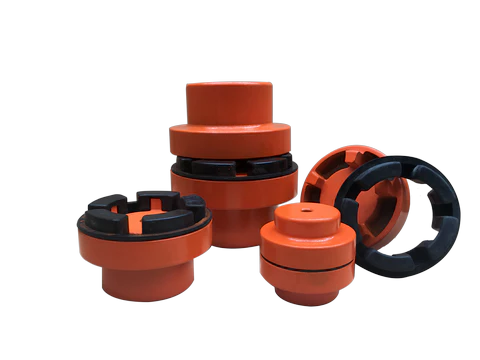
Can flexible couplings be used for both motor-to-shaft and shaft-to-shaft connections?
Yes, flexible couplings can be used for both motor-to-shaft and shaft-to-shaft connections in various applications. The versatility of flexible couplings allows them to adapt to different types of connections and meet the specific requirements of the system.
Motor-to-Shaft Connections:
When connecting a motor to a shaft, a flexible coupling serves as an intermediary component that joins the motor shaft and the driven shaft. Flexible couplings are commonly used in motor-driven systems to accommodate misalignment between the motor and the driven load. In motor applications, flexible couplings help reduce stress and wear on the motor bearings, thus extending the motor’s life and enhancing overall system reliability. They also act as vibration dampeners, minimizing vibrations transmitted from the motor to the driven shaft, and subsequently to connected equipment, ensuring smoother operation.
Shaft-to-Shaft Connections:
In many mechanical systems, such as those in the manufacturing, automation, and power transmission industries, shaft-to-shaft connections are required. A flexible coupling can bridge the gap between two shafts and transmit torque while accommodating misalignment. This type of coupling is commonly used to connect shafts that are not perfectly aligned due to factors like manufacturing tolerances, thermal expansion, or foundation settling. By allowing for misalignment, the flexible coupling protects the connected components from excessive stresses and ensures efficient power transmission.
Versatility and Advantages:
The ability of flexible couplings to handle both motor-to-shaft and shaft-to-shaft connections makes them versatile solutions for a wide range of industrial applications. Some of the advantages of using flexible couplings in these connections include:
- Minimizing stress and wear on connected components, such as bearings and seals.
- Compensating for misalignment, ensuring smooth power transmission.
- Damping vibrations and shock loads, reducing the risk of mechanical failures.
- Protecting equipment from excessive forces, enhancing system reliability.
- Simplifying installation and alignment procedures, reducing downtime.
- Improving overall system performance and operational efficiency.
درخواستیں:
Flexible couplings find applications in a wide range of industries, including manufacturing, material handling, automotive, aerospace, robotics, and more. Whether connecting a motor to a shaft or joining two shafts directly, flexible couplings play a crucial role in enhancing the reliability and efficiency of rotating machinery and mechanical systems.
In conclusion, flexible couplings can effectively serve as connectors for both motor-to-shaft and shaft-to-shaft connections, providing essential misalignment compensation and protection for connected equipment in various industrial applications.
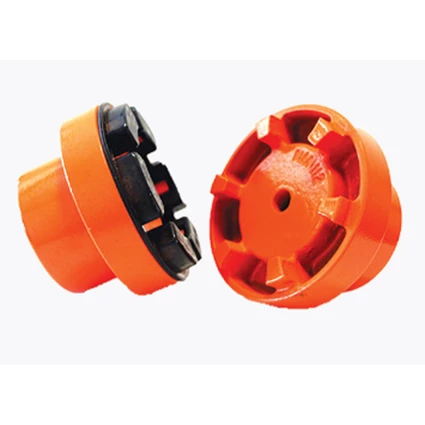
Are there any limitations or disadvantages of using flexible couplings?
While flexible couplings offer numerous advantages, they do come with some limitations and disadvantages that should be considered when selecting them for specific applications. Here are some of the common limitations and disadvantages of using flexible couplings:
- Torsional Stiffness: Flexible couplings provide some level of torsional flexibility, which is advantageous in many applications. However, in systems that require high precision and minimal angular deflection, the inherent flexibility of the coupling may not be suitable. In such cases, a rigid coupling may be more appropriate.
- Limitation in High-Torque Applications: While some flexible couplings can handle moderate to high torque levels, they may not be as well-suited for extremely high-torque applications. In such cases, specialized couplings, such as gear couplings, may be required to handle the high torque demands.
- Temperature Limitations: The performance of certain flexible coupling materials, especially elastomers and plastics, may be affected by extreme temperature conditions. High temperatures can lead to premature wear and reduced lifespan of the coupling, while low temperatures may result in reduced flexibility and potential brittleness.
- Chemical Compatibility: Certain flexible coupling materials may not be compatible with certain chemicals or substances present in the application’s environment. Exposure to chemicals can cause degradation or corrosion of the coupling material, affecting its performance and lifespan.
- Installation and Alignment: Flexible couplings require proper installation and alignment to function effectively. If not installed correctly, misalignment issues may persist, leading to premature wear and reduced performance. Aligning the shafts accurately can be time-consuming and may require specialized equipment and expertise.
- Cost: In some cases, flexible couplings may be more expensive than rigid couplings due to their more complex design and use of specialized materials. However, the cost difference is often justified by the benefits they offer in terms of misalignment compensation and vibration damping.
- Service Life: The service life of a flexible coupling can vary depending on the application’s conditions and the quality of the coupling. Regular maintenance and timely replacement of worn or damaged parts are essential to ensure the coupling’s longevity and prevent unexpected failures.
Despite these limitations, flexible couplings remain highly valuable components in a wide range of applications, providing efficient torque transmission and compensating for misalignment. Proper selection, installation, and maintenance can help mitigate many of the disadvantages associated with flexible couplings, ensuring their reliable and long-lasting performance in various mechanical systems.


editor by CX 2023-11-30