Ürün Açıklaması
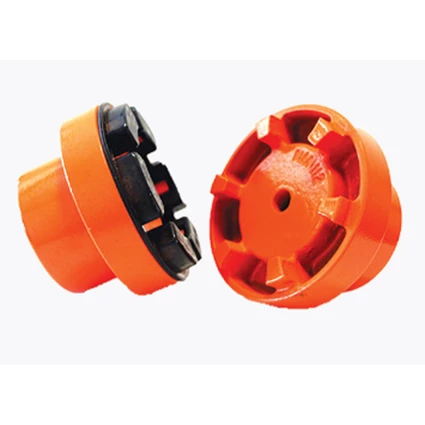
Sfero Döküm Nor-Mex Bağlantı Elemanları, Boyutlar: 50/67/82/97/112/128/148/168/194/214/240/265/295/330/370/415/480/575
Ürün Açıklaması
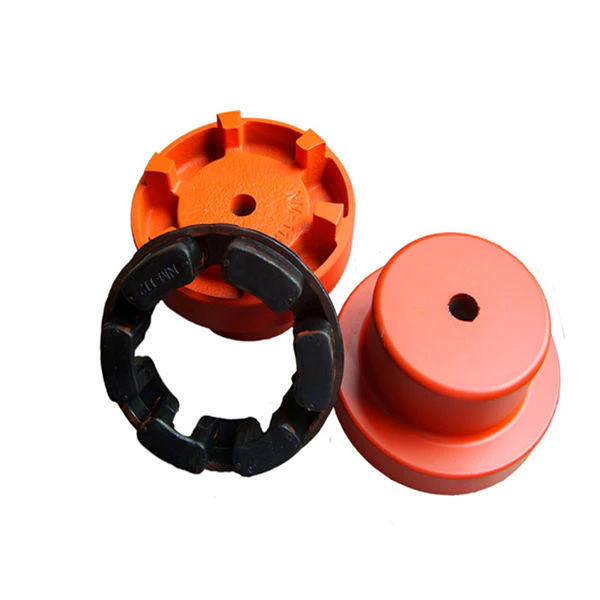
NM esnek şaft kaplini, kaplinin iki tarafı ile dış halkanın iç yüzeyi arasına yerleştirilen ve torku pim aracılığıyla aktararak iki yarım kaplin arasındaki bağlantıyı sağlayan, metal olmayan bazı malzemelerden yapılmış silindirik bir pimdir.
NM esnek şaft kaplini, bakalit kumaş veya poliüretandan yapılmış kaydırıcılar arasında yüksek hız, büyük tork ve keskin darbe içermeyen 2 bağlantı için uygundur. İzin verilen maksimum tork 850 N·m, maksimum şaft çapı ise 50 mm'dir.
Parametre
| Şanzıman parçasının adı | su pompası bağlantısı |
| Normex bağlantı elemanları serisi | NM 50, NM 67, NM 82, NM 97, NM 112, NM 128, NM 148, NM 168, NM 194, NM 214, NM 240, NM 265, NM 295, NM 330, NM 370, NM 415, NM 480, NM 575. |
| Malzeme | dökme demir GG25 |
| Delik tipi | pilot delik, bitmiş delik |
| Yüzey işlemi | Fosfat kaplı. |
| Ürün yapısı |
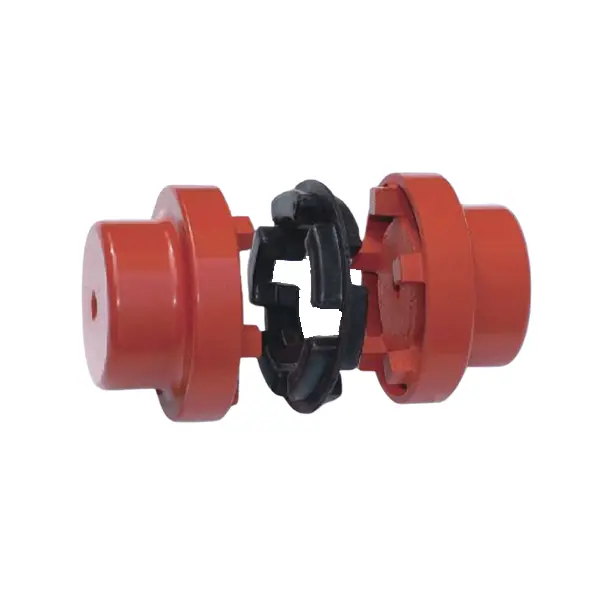
İki adet dökme demir pençeden ve doğal kauçuktan yapılmış iç halkadan oluşmaktadır. |
| Uygun şaft çapı | 7mm-75mm |
| Uygun motor gücü | 60 hp / 45 kW aralığında |
Ürün özellikleri:
1. The maximum torque is 125kgm
2. Stable operation and low noise
3. The product is made of cast iron and cast by precision die casting, so it is not easy to cause fracture during operation
Diğer Bağlantılar:
OUR COMPANY
ZheJiang Mighty Machinery Co., Ltd. specializes in offering best service and the most competitive price for our customer.
After over 10 years’ hard work, MIGHTY’s business has grown rapidly and become an important partner for oversea clients in the industrial field and become a holding company for 3 manufacturing factories.
MIGHTY’s products have obtained reputation of domestic and oversea customers with taking advantage of technology, managemeNt, quality and very competitive price.
Your satisfaction is the biggest motivation for our work, choose us to get high quality products and best service.
OUR FACTORY
Başlıca Ürünler:
Timing belt pulleys, timing bars, timing belt clamping plates.
Locking elements and shrink discs: could be alternative for Ringfeder, Sati, Chiaravalli, BEA, KBK, Tollok, etc.
V belt pulleys and taper lock bush.
Sprockets, idler, and plate wheels.
Dişliler ve raflar: spur gear, helical gear, bevel gear, worm gear, gear rack.
Şaft kaplinleri: miniature coupling, curved tooth coupling, chain coupling, HRC coupling, normex coupling, FCL coupling, GE coupling, rigid and flexible coupling, jaw coupling, disc coupling, multi-beam coupling, universal joint, torque limiter, shaft collars.
Dövme, Döküm, Damgalama Parçaları.
Other customized power transmission products and Machining Parts (OEM).
Başvuru
1. Engineering: machine tools, foundry equipments, conveyors, compressors, painting systems, etc.
2. Pharmaceuticals& Food Processing: pulp mill blowers, conveyor in warehouse, agitators, grain, boiler, bakery machine, labeling machine, robots, etc.
3. Agriculture Industries: cultivator, rice winnower tractor, harvester, rice planter, farm equipment, etc.
4. Texitile Mills: looms, spinning, wrappers, high-speed auto looms, processing machine, twister, carding machine, ruler calendar machine, high speed winder, etc.
5. Printing Machinery: newspaper press, rotary machine, screen printer machine, linotype machine offset printer, etc.
6. Paper Industries: chipper roll grinder, cut off saw, edgers, flotation cell and chips saws, etc.
7. Building Construction Machinery: buffers, elevator floor polisher mixing machine, vibrator, hoists, crusher, etc.
8. Office Equipments: typewriter, plotters, camera, money drive, money sorting machine, data storage equipment, etc.
9. Glass and Plastic Industries: conveyor, carton sealers, grinders, creeper paper manufacturing machine, lintec backing, etc.
10. Home Appliances: vacuum cleaner, laundry machine, icecream machine, sewing machine, kitchen equipments, etc.
SSS
S: Siz bir ticaret şirketi misiniz yoksa üretici misiniz?
A: Biz bir fabrikayız.
S: Teslimat süreniz ne kadar?
A: Generally it is 5-10 days if the goods are in stock. or it is 15-20 days if the goods are not in stock, it is according to quantity.
S: Numune veriyor musunuz? Ücretsiz mi yoksa ücretli mi?
A: Evet, numuneyi ücretsiz olarak sunabiliriz ancak kargo ücretini karşılamıyoruz.
S: Ödeme koşullarınız nelerdir?
A: Payment=1000USD, 30% T/T in advance ,balance before shippment.
Başka bir sorunuz varsa, lütfen aşağıdaki iletişim bilgilerini kullanarak bizimle iletişime geçmekten çekinmeyin:
Contacts
We warmly welcome friends from domestic and abroad come to us for business negotiation and cooperation for mutual benefit. To supply customers excellent quality products with good price and punctual delivery time is our responsibility.
Any question or inquiry, pls contact us without hesitate, we assure any of your inquiry will get our prompt attention and reply!
Tina Shaw
| Standart mı, Standart Dışı mı? | Standart |
|---|---|
| Şaft Deliği: | 50-218 mm |
| Tork: | 2.7-300 N.M |
| Delik Çapı: | 7-95 mm |
| Hız: | 3000-12500 Rpm |
| Yapı: | Jaw / Spider |
| Örnekler: |
US$ 0.1/Piece
1 Adet (Minimum Sipariş) | |
|---|
| Özelleştirme: |
Mevcut
| Özelleştirilmiş Talep |
|---|

Are there any safety considerations when using flexible couplings in rotating machinery?
Yes, there are several safety considerations to keep in mind when using flexible couplings in rotating machinery. While flexible couplings offer numerous benefits in terms of misalignment compensation, vibration isolation, and shock absorption, improper use or maintenance can lead to safety hazards. Here are some important safety considerations:
- Proper Installation: Ensure that the flexible coupling is installed correctly and securely following the manufacturer’s guidelines. Improper installation can lead to coupling failure, unexpected disconnection, or ejection of coupling components, which may result in equipment damage or injury to personnel.
- Alignment: Proper shaft alignment is essential for the reliable and safe operation of flexible couplings. Misaligned shafts can cause excessive stress on the coupling and connected components, leading to premature wear and possible failure. Regularly check and maintain proper shaft alignment to prevent safety risks.
- Operating Conditions: Consider the environmental and operating conditions of the machinery when selecting a flexible coupling. Some couplings are designed for specific temperature ranges, hazardous environments, or corrosive atmospheres. Using a coupling that is not suitable for the operating conditions can compromise safety and performance.
- Torque and Speed Limits: Always operate the flexible coupling within its specified torque and speed limits. Exceeding these limits can cause coupling failure, leading to unexpected downtime, equipment damage, and potential safety hazards.
- Maintenance: Regularly inspect and maintain the flexible coupling to ensure its continued safe operation. Check for signs of wear, damage, or corrosion, and promptly replace any worn or damaged components with genuine parts from the manufacturer.
- Emergency Stop Mechanism: In applications where safety is critical, consider implementing an emergency stop mechanism to quickly halt machinery operation in case of coupling failure or other emergencies.
- Personal Protective Equipment (PPE): When working with rotating machinery or during maintenance tasks involving couplings, personnel should wear appropriate PPE, such as gloves, eye protection, and clothing that can resist entanglement hazards.
- Training and Awareness: Ensure that personnel working with the machinery understand the potential hazards associated with flexible couplings and receive proper training on safe handling, installation, and maintenance procedures.
By adhering to these safety considerations, operators and maintenance personnel can mitigate potential risks and ensure the safe and reliable operation of rotating machinery with flexible couplings. Additionally, it is essential to comply with relevant safety standards and regulations specific to the industry and application to ensure a safe working environment.
What are the differences between elastomeric and metallic flexible coupling designs?
Elastomeric and metallic flexible couplings are two distinct designs used to transmit torque and accommodate misalignment in mechanical systems. Each type offers unique characteristics and advantages, making them suitable for different applications.
Elastomeric Flexible Couplings:
Elastomeric flexible couplings, also known as flexible or jaw couplings, employ an elastomeric material (rubber or similar) as the flexible element. The elastomer is typically molded between two hubs, and it acts as the connector between the driving and driven shafts. The key differences and characteristics of elastomeric couplings include:
- Hizalama Hatası Telafisi: Elastomeric couplings are designed to handle moderate levels of angular, parallel, and axial misalignment. The elastomeric material flexes to accommodate the misalignment while transmitting torque between the shafts.
- Titreşim Sönümleme: The elastomeric material in these couplings offers excellent vibration dampening properties, reducing the transmission of vibrations from one shaft to another. This feature helps protect connected equipment from excessive vibrations and enhances system reliability.
- Şok Yükü Emilimi: Elastomeric couplings can absorb and dampen shock loads, protecting the system from sudden impacts or overloads.
- Cost-Effective: Elastomeric couplings are generally more cost-effective compared to metallic couplings, making them a popular choice for various industrial applications.
- Simple Design and Installation: Elastomeric couplings often have a straightforward design, allowing for easy installation and maintenance.
- Lower Torque Capacity: These couplings have a lower torque capacity compared to metallic couplings, making them suitable for applications with moderate torque requirements.
- Common Applications: Elastomeric couplings are commonly used in pumps, compressors, fans, conveyors, and other applications that require moderate torque transmission and misalignment compensation.
Metallic Flexible Couplings:
Metallic flexible couplings use metal components (such as steel, stainless steel, or aluminum) to connect the driving and driven shafts. The metallic designs can vary significantly depending on the type of metallic coupling, but some general characteristics include:
- High Torque Capacity: Metallic couplings have higher torque transmission capabilities compared to elastomeric couplings. They are well-suited for applications requiring high torque handling.
- Hizalama Hatası Telafisi: Depending on the design, some metallic couplings can accommodate minimal misalignment, but they are generally not as flexible as elastomeric couplings in this regard.
- Stiffer Construction: Metallic couplings are generally stiffer than elastomeric couplings, offering less vibration dampening but higher torsional stiffness.
- Compact Design: Metallic couplings can have a more compact design, making them suitable for applications with limited space.
- Higher Precision: Metallic couplings often offer higher precision and concentricity, resulting in better shaft alignment.
- Higher Cost: Metallic couplings are typically more expensive than elastomeric couplings due to their construction and higher torque capacity.
- Common Applications: Metallic couplings are commonly used in high-speed machinery, precision equipment, robotics, and applications with high torque requirements.
Özet:
In summary, the main differences between elastomeric and metallic flexible coupling designs lie in their flexibility, torque capacity, vibration dampening, cost, and applications. Elastomeric couplings are suitable for applications with moderate torque, misalignment compensation, and vibration dampening requirements. On the other hand, metallic couplings are chosen for applications with higher torque and precision requirements, where flexibility and vibration dampening are less critical.
Esnek bağlantı elemanlarının üretiminde yaygın olarak hangi malzemeler kullanılır?
Esnek kaplinler, her biri belirli uygulamalara uygun farklı özellikler ve karakteristikler sunan çeşitli malzemeler kullanılarak üretilir. Malzeme seçimi, uygulamanın gereksinimleri, çevresel koşullar, tork kapasitesi ve istenen esneklik gibi faktörlere bağlıdır. İşte esnek kaplinlerin üretiminde yaygın olarak kullanılan bazı malzemeler:
- Çelik: Çelik, mukavemeti, dayanıklılığı ve mükemmel tork iletim yetenekleri nedeniyle esnek kaplinlerde yaygın olarak kullanılan bir malzemedir. Çelik kaplinler, yüksek tork gereksinimleri ve zorlu çalışma koşullarına sahip ağır hizmet tipi endüstriyel uygulamalar için uygundur.
- Paslanmaz çelik: Paslanmaz çelik, korozyon potansiyeli yüksek ortamlarda esnek bağlantı elemanlarının üretiminde sıklıkla kullanılır. Paslanmaz çelik bağlantı elemanları, pasa ve diğer aşındırıcı unsurlara karşı mükemmel direnç göstererek denizcilik, gıda işleme ve kimya endüstrisi uygulamaları için idealdir.
- Alüminyum: Alüminyum kaplinler hafiftir, düşük atalete sahiptir ve mükemmel denge sağlar. Havacılık ve robotik gibi ağırlığın azaltılmasının kritik olduğu uygulamalarda yaygın olarak kullanılırlar.
- Pirinç: Pirinç bağlantı elemanları, elektriksel iletkenlikleriyle bilinir ve belirli endüstriyel makinelerde veya elektronik ekipmanlarda olduğu gibi elektriksel topraklama veya elektriksel izolasyonun gerekli olduğu uygulamalarda kullanılır.
- Dökme Demir: Dökme demir kaplinler iyi mukavemet ve dayanıklılık sunar ve genellikle şok yüklerine ve titreşimlere karşı direncin gerekli olduğu endüstriyel uygulamalarda kullanılır.
- Plastik/Polimer: Bazı esnek kaplinlerde poliüretan veya naylon gibi yüksek performanslı polimerler veya plastikler kullanılır. Bu malzemeler iyi esneklik, düşük sürtünme ve kimyasallara karşı direnç sağlar. Plastik kaplinler, korozyon direnci ve hafifliğin önemli olduğu uygulamalar için uygundur.
- Elastomerler: Elastomerler, birçok esnek bağlantı elemanında esnek eleman olarak kullanılır. Doğal kauçuk, neopren veya üretan gibi malzemeler, esneklik ve titreşim sönümleme özellikleri sağlayan elastomer örümcek elemanları olarak yaygın olarak kullanılır.
Bağlantı malzemesinin seçimi, uygulamanın özel ihtiyaçlarına bağlıdır. Örneğin, yüksek performanslı ve ağır hizmet uygulamaları, sağlamlıkları nedeniyle çelik veya paslanmaz çelik bağlantı elemanları gerektirebilirken, ağırlık azaltmanın kritik olduğu uygulamalar alüminyum veya polimer bağlantı elemanlarından fayda sağlayabilir. Ayrıca, malzeme seçimi, uygulamanın çalışma ortamındaki sıcaklık aralığı, kimyasal maruziyet ve elektriksel gereksinimler gibi faktörlerden de etkilenir.
Üreticiler genellikle bağlantı elemanları için malzeme özelliklerini belirterek, kullanıcıların uygulamalarının özel gereksinimlerine göre bilinçli kararlar vermelerine yardımcı olurlar.


editor by CX 2023-10-19