Produktbeskrivning
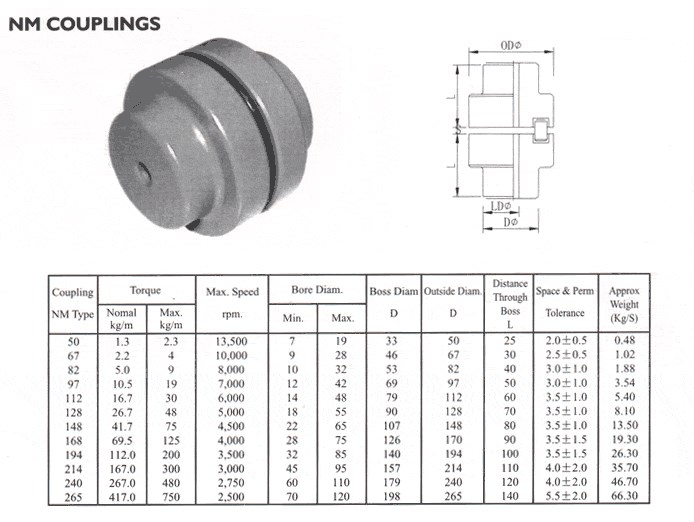
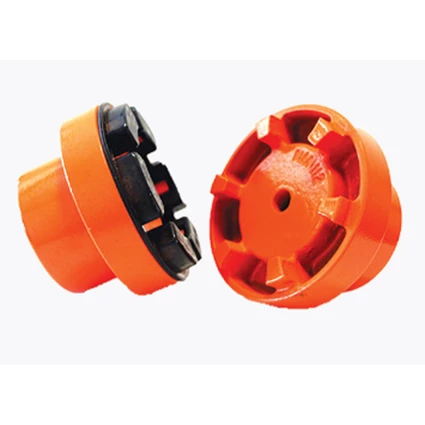
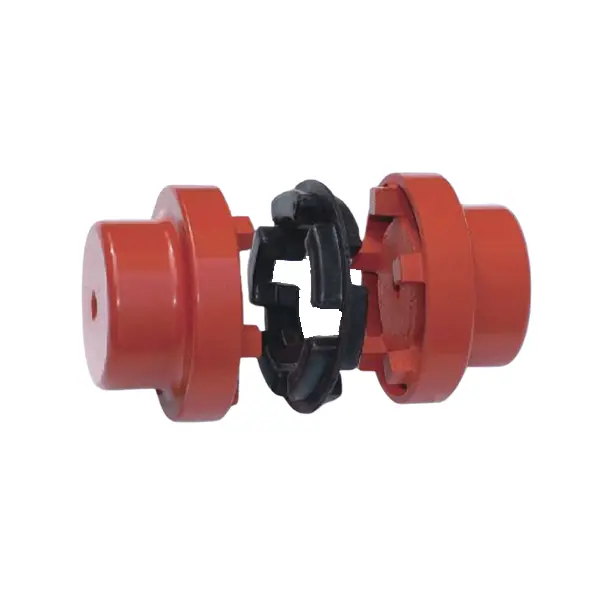
Ductile Iron Nor-Mex Couplings Size 50/67/82/97/112/128/148/168/194/214/240/265/295/330/370/415/480/575
Produktbeskrivning
NM flexibel axelkoppling är en cylindrisk stift tillverkad av icke-metalliska material, som placeras mellan kopplingens två sidor och den yttre ringens inre yta, och en anordning för att överföra vridmomentet genom kolumnstiftet för att realisera anslutningen mellan de två halvkopplingarna.
NM flexibel axelkoppling mellan sliden är tillverkad av bakelitduk eller polyuretan, lämplig för hög hastighet, stort vridmoment, ingen skarp stöt från de två anslutningarna. Det maximala tillåtna vridmomentet är 850 Nm, och den maximala axeldiametern är 50 mm.
Parameter
| Name of transmission part | water pump coupling |
| Series of Normex couplings | NM 50, NM 67, NM 82, NM 97, NM 112, NM 128, NM 148, NM 168, NM 194, NM 214, NM 240, NM 265, NM 295, NM 330, NM 370, NM 415, NM 480, NM 575. |
| Material | cast iron GG25 |
| Bore type | pilot bore, finished bore |
| Surface finish | phosphate coated. |
| Product structure |
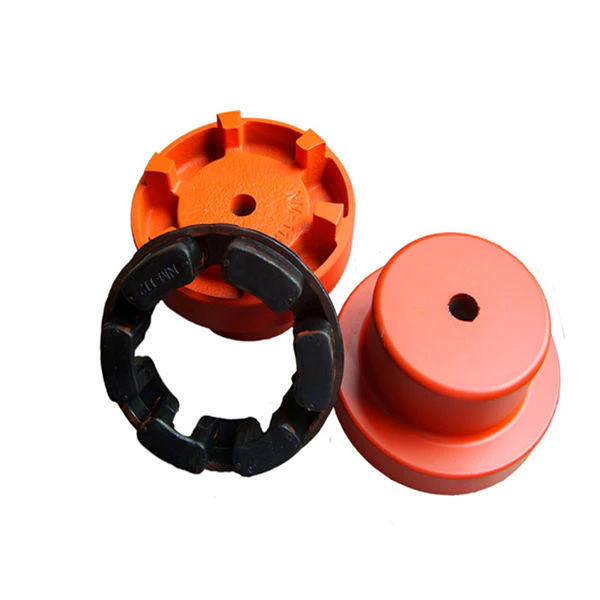
it is composed of 2 cast iron claws and a natural rubber inner ring |
| Suitable shaft diameter | 7mm-75mm |
| Suitable motor power | within 60hp / 45KW |
Product features:
1. The maximum torque is 125kgm
2. Stable operation and low noise
3. The product is made of cast iron and cast by precision die casting, so it is not easy to cause fracture during operation
Other Couplings:
OUR COMPANY
ZheJiang Mighty Machinery Co., Ltd. specializes in offering best service and the most competitive price for our customer.
After over 10 years’ hard work, MIGHTY’s business has grown rapidly and become an important partner for oversea clients in the industrial field and become a holding company for 3 manufacturing factories.
MIGHTY’s products have obtained reputation of domestic and oversea customers with taking advantage of technology, management, quality and very competitive price.
Your satisfaction is the biggest motivation for our work, choose us to get high quality products and best service.
OUR FACTORY
Huvudprodukter:
Timing belt pulleys, timing bars, timing belt clamping plates.
Locking elements and shrink discs: could be alternative for Ringfeder, Sati, Chiaravalli, BEA, KBK, Tollok, etc.
V belt pulleys and taper lock bush.
Sprockets, idler, and plate wheels.
Kugghjul och kuggstänger: spur gear, helical gear, bevel gear, worm gear, gear rack.
Axelkopplingar: miniature coupling, curved tooth coupling, chain coupling, HRC coupling, normex coupling, FCL coupling, GE coupling, rigid and flexible coupling, jaw coupling, disc coupling, multi-beam coupling, universal joint, torque limiter, shaft collars.
Forging, Casting, Stamping Parts.
Other customized power transmission products and Machining Parts (OEM).
Ansökan
1. Engineering: machine tools, foundry equipments, conveyors, compressors, painting systems, etc.
2. Pharmaceuticals& Food Processing: pulp mill blowers, conveyor in warehouse, agitators, grain, boiler, bakery machine, labeling machine, robots, etc.
3. Agriculture Industries: cultivator, rice winnower tractor, harvester, rice planter, farm equipment, etc.
4. Texitile Mills: looms, spinning, wrappers, high-speed auto looms, processing machine, twister, carding machine, ruler calendar machine, high speed winder, etc.
5. Printing Machinery: newspaper press, rotary machine, screen printer machine, linotype machine offset printer, etc.
6. Paper Industries: chipper roll grinder, cut off saw, edgers, flotation cell and chips saws, etc.
7. Building Construction Machinery: buffers, elevator floor polisher mixing machine, vibrator, hoists, crusher, etc.
8. Office Equipments: typewriter, plotters, camera, money drive, money sorting machine, data storage equipment, etc.
9. Glass and Plastic Industries: conveyor, carton sealers, grinders, creeper paper manufacturing machine, lintec backing, etc.
10. Home Appliances: vacuum cleaner, laundry machine, icecream machine, sewing machine, kitchen equipments, etc.
Vanliga frågor
F: Är du ett handelsföretag eller en tillverkare?
A: Vi är fabrik.
F: Hur lång är din leveranstid?
A: Generally it is 5-10 days if the goods are in stock. or it is 15-20 days if the goods are not in stock, it is according to quantity.
F: Erbjuder ni prover? Är det gratis eller kostar det extra?
A: Ja, vi kan erbjuda provet gratis men betalar inte fraktkostnaden.
F: Vilka är era betalningsvillkor?
A: Payment=1000USD, 30% T/T in advance ,balance before shippment.
Om du har en annan fråga är du välkommen att kontakta oss enligt nedan:
Contacts
We warmly welcome friends from domestic and abroad come to us for business negotiation and cooperation for mutual benefit. To supply customers excellent quality products with good price and punctual delivery time is our responsibility.
Enny question or inquiry, pls contact us without hesitate, we assure any of your inquiry will get our prompt attention and reply!
Tina Shaw
| Standard eller icke-standard: | Standard |
|---|---|
| Axelhål: | 50-218 mm |
| Vridmoment: | 2.7-300 N.M |
| Borrdiameter: | 7-95 mm |
| Hastighet: | 3000-12500 Rpm |
| Strukturera: | Jaw / Spider |
| Prover: |
US$ 0.1/Piece
1 styck (minsta beställning) | |
|---|
| Anpassning: |
Tillgänglig
| Anpassad förfrågan |
|---|
Are there any safety considerations when using flexible couplings in rotating machinery?
Yes, there are several safety considerations to keep in mind when using flexible couplings in rotating machinery. While flexible couplings offer numerous benefits in terms of misalignment compensation, vibration isolation, and shock absorption, improper use or maintenance can lead to safety hazards. Here are some important safety considerations:
- Proper Installation: Ensure that the flexible coupling is installed correctly and securely following the manufacturer’s guidelines. Improper installation can lead to coupling failure, unexpected disconnection, or ejection of coupling components, which may result in equipment damage or injury to personnel.
- Alignment: Proper shaft alignment is essential for the reliable and safe operation of flexible couplings. Misaligned shafts can cause excessive stress on the coupling and connected components, leading to premature wear and possible failure. Regularly check and maintain proper shaft alignment to prevent safety risks.
- Operating Conditions: Consider the environmental and operating conditions of the machinery when selecting a flexible coupling. Some couplings are designed for specific temperature ranges, hazardous environments, or corrosive atmospheres. Using a coupling that is not suitable for the operating conditions can compromise safety and performance.
- Torque and Speed Limits: Always operate the flexible coupling within its specified torque and speed limits. Exceeding these limits can cause coupling failure, leading to unexpected downtime, equipment damage, and potential safety hazards.
- Maintenance: Regularly inspect and maintain the flexible coupling to ensure its continued safe operation. Check for signs of wear, damage, or corrosion, and promptly replace any worn or damaged components with genuine parts from the manufacturer.
- Emergency Stop Mechanism: In applications where safety is critical, consider implementing an emergency stop mechanism to quickly halt machinery operation in case of coupling failure or other emergencies.
- Personal Protective Equipment (PPE): When working with rotating machinery or during maintenance tasks involving couplings, personnel should wear appropriate PPE, such as gloves, eye protection, and clothing that can resist entanglement hazards.
- Training and Awareness: Ensure that personnel working with the machinery understand the potential hazards associated with flexible couplings and receive proper training on safe handling, installation, and maintenance procedures.
By adhering to these safety considerations, operators and maintenance personnel can mitigate potential risks and ensure the safe and reliable operation of rotating machinery with flexible couplings. Additionally, it is essential to comply with relevant safety standards and regulations specific to the industry and application to ensure a safe working environment.
What are the differences between elastomeric and metallic flexible coupling designs?
Elastomeric and metallic flexible couplings are two distinct designs used to transmit torque and accommodate misalignment in mechanical systems. Each type offers unique characteristics and advantages, making them suitable for different applications.
Elastomeric Flexible Couplings:
Elastomeric flexible couplings, also known as flexible or jaw couplings, employ an elastomeric material (rubber or similar) as the flexible element. The elastomer is typically molded between two hubs, and it acts as the connector between the driving and driven shafts. The key differences and characteristics of elastomeric couplings include:
- Feljusteringskompensation: Elastomeric couplings are designed to handle moderate levels of angular, parallel, and axial misalignment. The elastomeric material flexes to accommodate the misalignment while transmitting torque between the shafts.
- Vibrationsdämpning: The elastomeric material in these couplings offers excellent vibration dampening properties, reducing the transmission of vibrations from one shaft to another. This feature helps protect connected equipment from excessive vibrations and enhances system reliability.
- Shock Load Absorption: Elastomeric couplings can absorb and dampen shock loads, protecting the system from sudden impacts or overloads.
- Cost-Effective: Elastomeric couplings are generally more cost-effective compared to metallic couplings, making them a popular choice for various industrial applications.
- Simple Design and Installation: Elastomeric couplings often have a straightforward design, allowing for easy installation and maintenance.
- Lower Torque Capacity: These couplings have a lower torque capacity compared to metallic couplings, making them suitable for applications with moderate torque requirements.
- Common Applications: Elastomeric couplings are commonly used in pumps, compressors, fans, conveyors, and other applications that require moderate torque transmission and misalignment compensation.
Metallic Flexible Couplings:
Metallic flexible couplings use metal components (such as steel, stainless steel, or aluminum) to connect the driving and driven shafts. The metallic designs can vary significantly depending on the type of metallic coupling, but some general characteristics include:
- High Torque Capacity: Metallic couplings have higher torque transmission capabilities compared to elastomeric couplings. They are well-suited for applications requiring high torque handling.
- Feljusteringskompensation: Depending on the design, some metallic couplings can accommodate minimal misalignment, but they are generally not as flexible as elastomeric couplings in this regard.
- Stiffer Construction: Metallic couplings are generally stiffer than elastomeric couplings, offering less vibration dampening but higher torsional stiffness.
- Compact Design: Metallic couplings can have a more compact design, making them suitable for applications with limited space.
- Higher Precision: Metallic couplings often offer higher precision and concentricity, resulting in better shaft alignment.
- Higher Cost: Metallic couplings are typically more expensive than elastomeric couplings due to their construction and higher torque capacity.
- Common Applications: Metallic couplings are commonly used in high-speed machinery, precision equipment, robotics, and applications with high torque requirements.
Sammanfattning:
In summary, the main differences between elastomeric and metallic flexible coupling designs lie in their flexibility, torque capacity, vibration dampening, cost, and applications. Elastomeric couplings are suitable for applications with moderate torque, misalignment compensation, and vibration dampening requirements. On the other hand, metallic couplings are chosen for applications with higher torque and precision requirements, where flexibility and vibration dampening are less critical.
Vilka material används vanligtvis vid tillverkning av flexibla kopplingar?
Flexibla kopplingar tillverkas av en mängd olika material, som alla erbjuder olika egenskaper och kännetecken som är lämpliga för specifika tillämpningar. Materialvalet beror på faktorer som tillämpningens krav, miljöförhållanden, vridmomentkapacitet och önskad flexibilitet. Här är några av de vanligaste materialen vid tillverkning av flexibla kopplingar:
- Stål: Stål är ett vanligt förekommande material i flexibla kopplingar på grund av dess styrka, hållbarhet och utmärkta momentöverföringsförmåga. Stålkopplingar är lämpliga för tunga industriella applikationer med höga momentkrav och tuffa driftsförhållanden.
- Rostfritt stål: Rostfritt stål används ofta för att tillverka flexibla kopplingar i miljöer med hög korrosionspotential. Kopplingar i rostfritt stål erbjuder utmärkt motståndskraft mot rost och andra korrosiva ämnen, vilket gör dem idealiska för tillämpningar inom marin, livsmedels- och kemisk industri.
- Aluminium: Aluminiumkopplingar är lätta, har låg tröghetsmoment och ger utmärkt balans. De används ofta i applikationer där viktreducering är avgörande, såsom flyg- och rymdteknik och robotteknik.
- Mässing: Mässingskopplingar är kända för sin elektriska ledningsförmåga och används i applikationer där elektrisk jordning eller elektrisk isolering krävs, till exempel i vissa industrimaskiner eller elektronisk utrustning.
- Gjutjärn: Gjutjärnskopplingar erbjuder god styrka och hållbarhet och används ofta i industriella applikationer där motståndskraft mot stötbelastningar och vibrationer är nödvändig.
- Plast/Polymer: Vissa flexibla kopplingar använder högpresterande polymerer eller plaster, såsom polyuretan eller nylon. Dessa material ger god flexibilitet, låg friktion och kemikaliebeständighet. Plastkopplingar är lämpliga för tillämpningar där korrosionsbeständighet och låg vikt är avgörande.
- Elastomerer: Elastomerer används som flexibla element i många flexibla kopplingar. Material som naturgummi, neopren eller uretan används ofta som elastomer-spindelelement, vilket ger flexibilitet och vibrationsdämpande egenskaper.
Valet av kopplingsmaterial beror på applikationens specifika behov. Till exempel kan högpresterande och tunga applikationer kräva kopplingar i stål eller rostfritt stål för sin robusthet, medan applikationer där viktminskning är avgörande kan dra nytta av kopplingar i aluminium eller polymer. Dessutom påverkas materialvalet av faktorer som temperaturintervall, kemisk exponering och elektriska krav i applikationens driftsmiljö.
Tillverkare tillhandahåller vanligtvis materialspecifikationer för sina kopplingar, vilket hjälper användare att fatta välgrundade beslut baserat på de specifika kraven i deras applikationer.


editor by CX 2023-10-19