وصف المنتج
وصف المنتج
COUPLINGS
| HRC | FCL | Chain coupling | GE | ل | NM | MH | Torque limiter |
| HRC 70B | FCL90 | KC4012 | GE14 | L050 | NM50 | MH45 | TL250-2 |
| HRC 70F | FCL100 | KC4014 | GE19 | L070 | NM67 | MH55 | TL250-1 |
| HRC 70H | FCL112 | KC4016 | GE24 | L075 | NM82 | MH65 | TL350-2 |
| HRC 90B | FCL125 | KC5014 | GE28 | L090 | NM97 | MH80 | TL350-1 |
| HRC 90F | FCL140 | KC5016 | GE38 | L095 | NM112 | MH90 | TL500-2 |
| HRC 90H | FCL160 | KC6018 | GE42 | L099 | NM128 | MH115 | TL500-1 |
| HRC 110B | FCL180 | KC6571 | GE48 | L100 | NM148 | MH130 | TL700-2 |
| HRC 110F | FCL200 | KC6571 | GE55 | L110 | NM168 | MH145 | TL700-1 |
| HRC 110H | FCL224 | KC8018 | GE65 | L150 | NM194 | MH175 | |
| HRC 130B | FCL250 | KC8571 | GE75 | L190 | NM214 | MH200 | |
| HRC 130F | FCL280 | KC8571 | GE90 | L225 | |||
| HRC 130H | FCL315 | KC1571 | |||||
| HRC 150B | FCL355 | KC12018 | |||||
| HRC 150F | FCL400 | KC12571 | |||||
| HRC 150H | FCL450 | ||||||
| HRC 180B | FCL560 | ||||||
| HRC 180F | FCL630 | ||||||
| HRC 180H | |||||||
| HRC 230B | |||||||
| HRC 230F | |||||||
| HRC 230H | |||||||
| HRC 280B | |||||||
| HRC 280F | |||||||
| HRC 280H |
Catalogue
Workshop
Lots of coupling in stock
التعليمات
Q1: Are you trading company or manufacturer ?
A: We are factory.
Q2: How long is your delivery time and shipment?
1.Sample Lead-times: 10-20 days.
2.Production Lead-times: 30-45 days after order confirmed.
Q3: What is your advantages?
1. The most competitive price and good quality.
2. Perfect technical engineers give you the best support.
3. OEM is available.
/* March 10, 2571 17:59:20 */!function(){function s(e,r){var a,o={};try{e&&e.split(“,”).forEach(function(e,t){e&&(a=e.match(/(.*?):(.*)$/))&&1
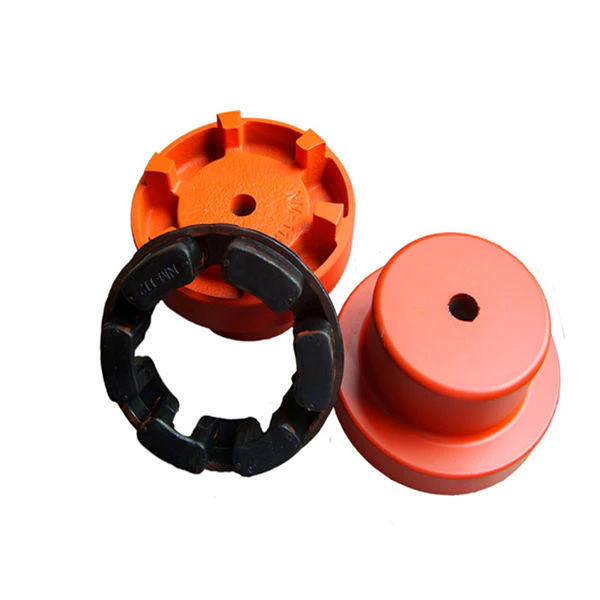
| قياسي أم غير قياسي: | معيار |
|---|---|
| بناء: | مرن |
| مادة: | Steel |
| Type 1: | Nm50 |
| Type 2: | Nm67 |
| Type 3: | Nm82 |
| التخصيص: |
متاح
| طلب مخصص |
|---|

What are the maintenance requirements for flexible couplings?
Maintenance of flexible couplings is essential to ensure their reliable and efficient performance over their service life. Proper maintenance helps prevent premature wear, reduces the risk of unexpected failures, and extends the lifespan of the couplings. Here are some key maintenance requirements for flexible couplings:
- Regular Inspection: Perform regular visual inspections of the flexible couplings to check for signs of wear, damage, or misalignment. Look for cracks, tears, or any other visible issues in the coupling components.
- Lubrication: Some flexible couplings, especially those with moving parts or sliding surfaces, may require periodic lubrication. Follow the manufacturer’s recommendations regarding the type and frequency of lubrication to ensure smooth operation.
- Alignment Checks: Misalignment is a common cause of coupling failure. Regularly check the alignment of the connected shafts and adjust as necessary. Proper alignment reduces stress on the coupling and improves power transmission efficiency.
- Torque Monitoring: Monitoring the torque transmitted through the coupling can help detect any abnormal or excessive loads. If the coupling is subjected to loads beyond its rated capacity, it may lead to premature failure.
- Environmental Protection: If the couplings are exposed to harsh environmental conditions, take measures to protect them from dust, dirt, moisture, and corrosive substances. Consider using protective covers or seals to shield the couplings from potential contaminants.
- Temperature Considerations: Ensure that the operating temperature of the flexible coupling is within its designed range. Excessive heat can accelerate wear, while extremely low temperatures may affect the flexibility of certain coupling materials.
- Replace Worn or Damaged Parts: If any components of the flexible coupling show signs of wear or damage, replace them promptly with genuine replacement parts from the manufacturer.
- Manufacturer’s Guidelines: Follow the maintenance guidelines provided by the coupling manufacturer. They often include specific maintenance intervals and procedures tailored to the coupling’s design and materials.
- Training and Expertise: Ensure that maintenance personnel have the necessary training and expertise to inspect and maintain the flexible couplings properly. Improper maintenance practices can lead to further issues and compromise the coupling’s performance.
By adhering to these maintenance requirements, you can maximize the service life of the flexible couplings and minimize the risk of unexpected downtime or costly repairs. Regular maintenance helps maintain the efficiency and reliability of the coupling in various industrial, automotive, and machinery applications.
What are the differences between elastomeric and metallic flexible coupling designs?
Elastomeric and metallic flexible couplings are two distinct designs used to transmit torque and accommodate misalignment in mechanical systems. Each type offers unique characteristics and advantages, making them suitable for different applications.
Elastomeric Flexible Couplings:
Elastomeric flexible couplings, also known as flexible or jaw couplings, employ an elastomeric material (rubber or similar) as the flexible element. The elastomer is typically molded between two hubs, and it acts as the connector between the driving and driven shafts. The key differences and characteristics of elastomeric couplings include:
- Misalignment Compensation: Elastomeric couplings are designed to handle moderate levels of angular, parallel, and axial misalignment. The elastomeric material flexes to accommodate the misalignment while transmitting torque between the shafts.
- تخميد الاهتزازات: The elastomeric material in these couplings offers excellent vibration dampening properties, reducing the transmission of vibrations from one shaft to another. This feature helps protect connected equipment from excessive vibrations and enhances system reliability.
- Shock Load Absorption: Elastomeric couplings can absorb and dampen shock loads, protecting the system from sudden impacts or overloads.
- Cost-Effective: Elastomeric couplings are generally more cost-effective compared to metallic couplings, making them a popular choice for various industrial applications.
- Simple Design and Installation: Elastomeric couplings often have a straightforward design, allowing for easy installation and maintenance.
- Lower Torque Capacity: These couplings have a lower torque capacity compared to metallic couplings, making them suitable for applications with moderate torque requirements.
- Common Applications: Elastomeric couplings are commonly used in pumps, compressors, fans, conveyors, and other applications that require moderate torque transmission and misalignment compensation.
Metallic Flexible Couplings:
Metallic flexible couplings use metal components (such as steel, stainless steel, or aluminum) to connect the driving and driven shafts. The metallic designs can vary significantly depending on the type of metallic coupling, but some general characteristics include:
- High Torque Capacity: Metallic couplings have higher torque transmission capabilities compared to elastomeric couplings. They are well-suited for applications requiring high torque handling.
- Misalignment Compensation: Depending on the design, some metallic couplings can accommodate minimal misalignment, but they are generally not as flexible as elastomeric couplings in this regard.
- Stiffer Construction: Metallic couplings are generally stiffer than elastomeric couplings, offering less vibration dampening but higher torsional stiffness.
- Compact Design: Metallic couplings can have a more compact design, making them suitable for applications with limited space.
- Higher Precision: Metallic couplings often offer higher precision and concentricity, resulting in better shaft alignment.
- Higher Cost: Metallic couplings are typically more expensive than elastomeric couplings due to their construction and higher torque capacity.
- Common Applications: Metallic couplings are commonly used in high-speed machinery, precision equipment, robotics, and applications with high torque requirements.
ملخص:
In summary, the main differences between elastomeric and metallic flexible coupling designs lie in their flexibility, torque capacity, vibration dampening, cost, and applications. Elastomeric couplings are suitable for applications with moderate torque, misalignment compensation, and vibration dampening requirements. On the other hand, metallic couplings are chosen for applications with higher torque and precision requirements, where flexibility and vibration dampening are less critical.
ما هو الوصل المرن وكيف يعمل؟
الوصلة المرنة هي جهاز ميكانيكي يُستخدم لربط عمودين مع السماح بحركة نسبية بينهما. وهي مصممة لنقل عزم الدوران من عمود إلى آخر مع تعويض عدم المحاذاة والاهتزازات والصدمات. تُعدّ الوصلات المرنة مكونات أساسية في العديد من الآلات والأنظمة الدوارة، حيث تُساعد على حماية المعدات المتصلة وتحسين الأداء العام.
أنواع الوصلات المرنة:
توجد أنواع عديدة من الوصلات المرنة، لكل منها تصميمها وخصائصها الفريدة. ومن الأنواع الشائعة ما يلي:
- وصلات الفك: تتميز وصلات الفك بوجود أجزاء مطاطية مرنة تتلاءم بين محورين. ويمكنها استيعاب عدم المحاذاة الزاوية والمتوازية مع تخميد الاهتزازات.
- وصلات الأقراص: تستخدم وصلات الأقراص أقراصًا معدنية رقيقة لتوصيل الأعمدة. وهي تتميز بمرونة عالية وتوفر تعويضًا ممتازًا عن عدم المحاذاة.
- وصلات التروس: تستخدم وصلات التروس أسنان التروس لنقل عزم الدوران. وهي توفر قدرة عالية على نقل عزم الدوران ويمكنها التعامل مع عدم المحاذاة المتوسطة.
- وصلات الحزمة: تستخدم وصلات الحزم قطعة واحدة من مادة مرنة، مثل حزمة معدنية، لنقل عزم الدوران مع التعويض عن عدم المحاذاة.
- وصلات منفاخية: تستخدم وصلات المنفاخ بنية تشبه المنفاخ للسماح بتعويض عدم المحاذاة المحورية والزاوية والمتوازية.
- وصلات أولدهام: تستخدم وصلات أولدهام ثلاثة أقراص، ويحتوي القرص الأوسط على فتحة عمودية للسماح بتعويض عدم المحاذاة.
كيف يعمل الوصل المرن:
يعتمد تشغيل الوصلة المرنة على تصميمها المحدد، لكن المبادئ العامة متشابهة. لنأخذ مثالاً على وصلة الفك لشرح كيفية عمل الوصلة المرنة:
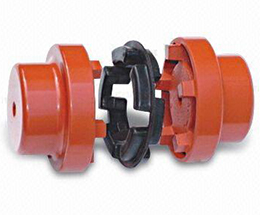
- يتم توصيل عمودين بمحاور التوصيل على كلا الجانبين، مع وضع عنكبوت مطاطي بينهما.
- عند تطبيق عزم الدوران على أحد الأعمدة، فإنه يتسبب في انضغاط العنكبوت وتشوهه قليلاً، مما يؤدي إلى نقل عزم الدوران إلى العمود الآخر.
- في حالة عدم المحاذاة بين الأعمدة، ينثني العنكبوت المطاطي ويعوض عن عدم المحاذاة، مما يضمن نقل عزم الدوران بسلاسة دون فرض أحمال زائدة على الأعمدة أو المعدات المتصلة.
- كما يعمل العنكبوت المطاطي كعنصر تخميد، حيث يمتص الاهتزازات والصدمات أثناء التشغيل، مما يقلل من تآكل المعدات ويعزز استقرار النظام.
بشكل عام، تُعدّ المرونة والقدرة على تعويض عدم المحاذاة من أهمّ الميزات التي تُمكّن الوصلة المرنة من العمل بكفاءة. ويعتمد اختيار نوع مُحدّد من الوصلات المرنة على متطلبات التطبيق، مثل سعة عزم الدوران، وتعويض عدم المحاذاة، والظروف البيئية.


editor by CX 2024-01-23