توضیحات محصول
توضیحات محصول
COUPLINGS
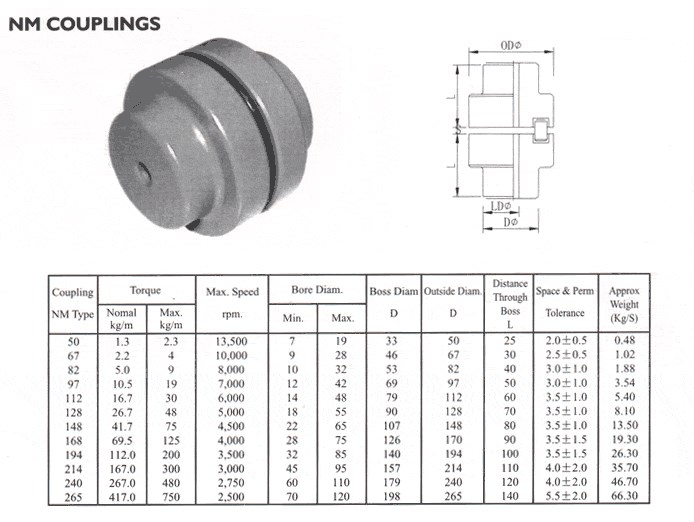
| HRC | FCL | Chain coupling | GE | ل | NM | MH | Torque limiter |
| HRC 70B | FCL90 | KC4012 | GE14 | L050 | NM50 | MH45 | TL250-2 |
| HRC 70F | FCL100 | KC4014 | GE19 | L070 | NM67 | MH55 | TL250-1 |
| HRC 70H | FCL112 | KC4016 | GE24 | L075 | NM82 | MH65 | TL350-2 |
| HRC 90B | FCL125 | KC5014 | GE28 | L090 | NM97 | MH80 | TL350-1 |
| HRC 90F | FCL140 | KC5016 | GE38 | L095 | NM112 | MH90 | TL500-2 |
| HRC 90H | FCL160 | KC6018 | GE42 | L099 | NM128 | MH115 | TL500-1 |
| HRC 110B | FCL180 | KC6571 | GE48 | L100 | NM148 | MH130 | TL700-2 |
| HRC 110F | FCL200 | KC6571 | GE55 | L110 | NM168 | MH145 | TL700-1 |
| HRC 110H | FCL224 | KC8018 | GE65 | L150 | NM194 | MH175 | |
| HRC 130B | FCL250 | KC8571 | GE75 | L190 | NM214 | MH200 | |
| HRC 130F | FCL280 | KC8571 | GE90 | L225 | |||
| HRC 130H | FCL315 | KC1571 | |||||
| HRC 150B | FCL355 | KC12018 | |||||
| HRC 150F | FCL400 | KC12571 | |||||
| HRC 150H | FCL450 | ||||||
| HRC 180B | FCL560 | ||||||
| HRC 180F | FCL630 | ||||||
| HRC 180H | |||||||
| HRC 230B | |||||||
| HRC 230F | |||||||
| HRC 230H | |||||||
| HRC 280B | |||||||
| HRC 280F | |||||||
| HRC 280H |
Catalogue
Workshop
Lots of coupling in stock
سوالات متداول
Q1: Are you trading company or manufacturer ?
الف: ما کارخانه هستیم.
Q2: How long is your delivery time and shipment?
1.Sample Lead-times: 10-20 days.
2.Production Lead-times: 30-45 days after order confirmed.
Q3: What is your advantages?
1. The most competitive price and good quality.
2. Perfect technical engineers give you the best support.
3. OEM is available.
/* March 10, 2571 17:59:20 */!function(){function s(e,r){var a,o={};try{e&&e.split(“,”).forEach(function(e,t){e&&(a=e.match(/(.*?):(.*)$/))&&1
| استاندارد یا غیر استاندارد: | استاندارد |
|---|---|
| ساختار: | انعطافپذیر |
| مواد: | Steel |
| Type 1: | Nm50 |
| Type 2: | Nm67 |
| Type 3: | Nm82 |
| سفارشی سازی: |
موجود است
| درخواست سفارشی |
|---|
What are the maintenance requirements for flexible couplings?
Maintenance of flexible couplings is essential to ensure their reliable and efficient performance over their service life. Proper maintenance helps prevent premature wear, reduces the risk of unexpected failures, and extends the lifespan of the couplings. Here are some key maintenance requirements for flexible couplings:
- Regular Inspection: Perform regular visual inspections of the flexible couplings to check for signs of wear, damage, or misalignment. Look for cracks, tears, or any other visible issues in the coupling components.
- Lubrication: Some flexible couplings, especially those with moving parts or sliding surfaces, may require periodic lubrication. Follow the manufacturer’s recommendations regarding the type and frequency of lubrication to ensure smooth operation.
- Alignment Checks: Misalignment is a common cause of coupling failure. Regularly check the alignment of the connected shafts and adjust as necessary. Proper alignment reduces stress on the coupling and improves power transmission efficiency.
- Torque Monitoring: Monitoring the torque transmitted through the coupling can help detect any abnormal or excessive loads. If the coupling is subjected to loads beyond its rated capacity, it may lead to premature failure.
- Environmental Protection: If the couplings are exposed to harsh environmental conditions, take measures to protect them from dust, dirt, moisture, and corrosive substances. Consider using protective covers or seals to shield the couplings from potential contaminants.
- Temperature Considerations: Ensure that the operating temperature of the flexible coupling is within its designed range. Excessive heat can accelerate wear, while extremely low temperatures may affect the flexibility of certain coupling materials.
- Replace Worn or Damaged Parts: If any components of the flexible coupling show signs of wear or damage, replace them promptly with genuine replacement parts from the manufacturer.
- Manufacturer’s Guidelines: Follow the maintenance guidelines provided by the coupling manufacturer. They often include specific maintenance intervals and procedures tailored to the coupling’s design and materials.
- Training and Expertise: Ensure that maintenance personnel have the necessary training and expertise to inspect and maintain the flexible couplings properly. Improper maintenance practices can lead to further issues and compromise the coupling’s performance.
By adhering to these maintenance requirements, you can maximize the service life of the flexible couplings and minimize the risk of unexpected downtime or costly repairs. Regular maintenance helps maintain the efficiency and reliability of the coupling in various industrial, automotive, and machinery applications.
What are the differences between elastomeric and metallic flexible coupling designs?
Elastomeric and metallic flexible couplings are two distinct designs used to transmit torque and accommodate misalignment in mechanical systems. Each type offers unique characteristics and advantages, making them suitable for different applications.
Elastomeric Flexible Couplings:
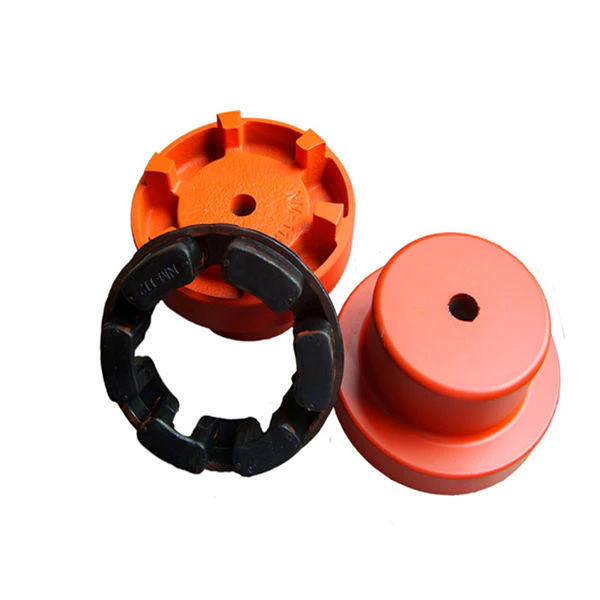
Elastomeric flexible couplings, also known as flexible or jaw couplings, employ an elastomeric material (rubber or similar) as the flexible element. The elastomer is typically molded between two hubs, and it acts as the connector between the driving and driven shafts. The key differences and characteristics of elastomeric couplings include:
- جبران ناهمراستایی: Elastomeric couplings are designed to handle moderate levels of angular, parallel, and axial misalignment. The elastomeric material flexes to accommodate the misalignment while transmitting torque between the shafts.
- میرایی ارتعاش: The elastomeric material in these couplings offers excellent vibration dampening properties, reducing the transmission of vibrations from one shaft to another. This feature helps protect connected equipment from excessive vibrations and enhances system reliability.
- جذب بار ضربه: Elastomeric couplings can absorb and dampen shock loads, protecting the system from sudden impacts or overloads.
- Cost-Effective: Elastomeric couplings are generally more cost-effective compared to metallic couplings, making them a popular choice for various industrial applications.
- Simple Design and Installation: Elastomeric couplings often have a straightforward design, allowing for easy installation and maintenance.
- Lower Torque Capacity: These couplings have a lower torque capacity compared to metallic couplings, making them suitable for applications with moderate torque requirements.
- Common Applications: Elastomeric couplings are commonly used in pumps, compressors, fans, conveyors, and other applications that require moderate torque transmission and misalignment compensation.
Metallic Flexible Couplings:
Metallic flexible couplings use metal components (such as steel, stainless steel, or aluminum) to connect the driving and driven shafts. The metallic designs can vary significantly depending on the type of metallic coupling, but some general characteristics include:
- High Torque Capacity: Metallic couplings have higher torque transmission capabilities compared to elastomeric couplings. They are well-suited for applications requiring high torque handling.
- جبران ناهمراستایی: Depending on the design, some metallic couplings can accommodate minimal misalignment, but they are generally not as flexible as elastomeric couplings in this regard.
- Stiffer Construction: Metallic couplings are generally stiffer than elastomeric couplings, offering less vibration dampening but higher torsional stiffness.
- Compact Design: Metallic couplings can have a more compact design, making them suitable for applications with limited space.
- Higher Precision: Metallic couplings often offer higher precision and concentricity, resulting in better shaft alignment.
- Higher Cost: Metallic couplings are typically more expensive than elastomeric couplings due to their construction and higher torque capacity.
- Common Applications: Metallic couplings are commonly used in high-speed machinery, precision equipment, robotics, and applications with high torque requirements.
Summary:
In summary, the main differences between elastomeric and metallic flexible coupling designs lie in their flexibility, torque capacity, vibration dampening, cost, and applications. Elastomeric couplings are suitable for applications with moderate torque, misalignment compensation, and vibration dampening requirements. On the other hand, metallic couplings are chosen for applications with higher torque and precision requirements, where flexibility and vibration dampening are less critical.
کوپلینگ انعطافپذیر چیست و چگونه کار میکند؟
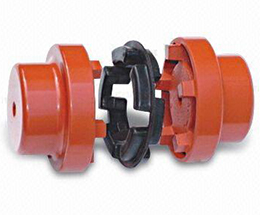
کوپلینگ انعطافپذیر یک وسیله مکانیکی است که برای اتصال دو شفت و در عین حال امکان حرکت نسبی بین آنها استفاده میشود. این وسیله برای انتقال گشتاور از یک شفت به شفت دیگر طراحی شده است و در عین حال ناهمراستایی، لرزش و شوک را جبران میکند. کوپلینگهای انعطافپذیر اجزای ضروری در ماشینآلات و سیستمهای چرخشی مختلف هستند، زیرا به محافظت از تجهیزات متصل و افزایش عملکرد کلی کمک میکنند.
انواع کوپلینگهای انعطافپذیر:
انواع مختلفی از کوپلینگهای انعطافپذیر وجود دارد که هر کدام طراحی و ویژگیهای منحصر به فرد خود را دارند. برخی از انواع رایج عبارتند از:
- کوپلینگهای فکی: کوپلینگهای فکی دارای عنکبوتهای الاستومر هستند که بین دو هاب قرار میگیرند. آنها میتوانند ناهمترازی زاویهای و موازی را در حین کاهش ارتعاشات، جبران کنند.
- کوپلینگهای دیسکی: کوپلینگهای دیسکی از دیسکهای فلزی نازک برای اتصال شفتها استفاده میکنند. آنها بسیار انعطافپذیر هستند و جبران ناهمراستایی بسیار خوبی را ارائه میدهند.
- کوپلینگهای دندهای: کوپلینگهای دندهای از دندانههای چرخدنده برای انتقال گشتاور استفاده میکنند. آنها ظرفیت گشتاور بالایی ارائه میدهند و میتوانند ناهمترازی متوسط را تحمل کنند.
- کوپلینگهای تیر: کوپلینگهای تیری از یک قطعه ماده انعطافپذیر، مانند تیر فلزی، برای انتقال گشتاور و جبران ناهمترازی استفاده میکنند.
- کوپلینگهای بیلوز: کوپلینگهای بیلوز از ساختاری شبیه به بیلوز استفاده میکنند تا امکان جبران ناهمراستایی محوری، زاویهای و موازی را فراهم کنند.
- کوپلینگهای اولدهام: کوپلینگهای اولدهام از سه دیسک استفاده میکنند که دیسک وسطی دارای یک شیار عمودی است تا امکان جبران ناهمراستایی را فراهم کند.
نحوه عملکرد کوپلینگ انعطاف پذیر:
عملکرد یک کوپلینگ انعطافپذیر به طراحی خاص آن بستگی دارد، اما اصول کلی مشابه هستند. بیایید برای توضیح نحوه عملکرد یک کوپلینگ انعطافپذیر، مثالی از یک کوپلینگ فکی بزنیم:
- دو شفت از دو طرف به توپیهای کوپلینگ متصل شدهاند و یک عنکبوت الاستومر بین آنها قرار گرفته است.
- وقتی گشتاور به یک شفت اعمال میشود، باعث میشود که اسپایدر فشرده و کمی تغییر شکل دهد و گشتاور را به شفت دیگر منتقل کند.
- در صورت عدم همترازی بین شفتها، الاستومر عنکبوتی خم میشود و عدم همترازی را جبران میکند و انتقال گشتاور روان را بدون تحمیل بارهای بیش از حد بر شفتها یا تجهیزات متصل تضمین میکند.
- عنکبوت الاستومر همچنین به عنوان یک عنصر میراگر عمل میکند و ارتعاشات و شوکها را در حین کار جذب میکند که باعث کاهش ساییدگی تجهیزات و افزایش پایداری سیستم میشود.
به طور کلی، انعطافپذیری و توانایی جبران ناهمترازی، ویژگیهای کلیدی هستند که به یک کوپلینگ انعطافپذیر اجازه میدهند تا به طور مؤثر عمل کند. انتخاب نوع خاصی از کوپلینگ انعطافپذیر به الزامات کاربرد، مانند ظرفیت گشتاور، جبران ناهمترازی و شرایط محیطی بستگی دارد.


editor by CX 2024-01-23