Описание продукта
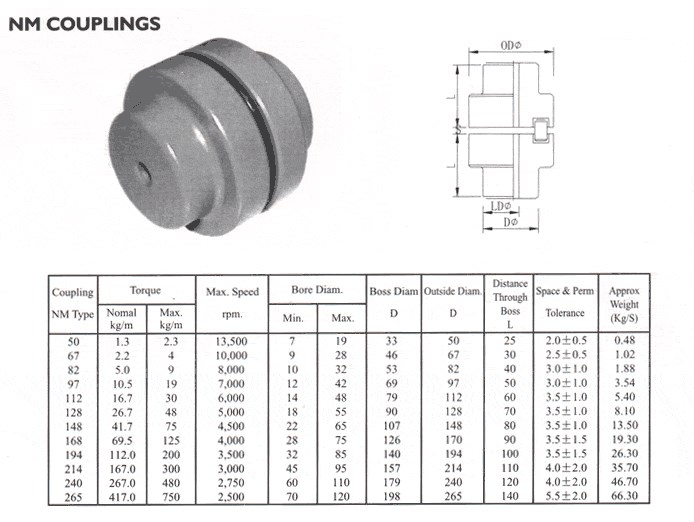
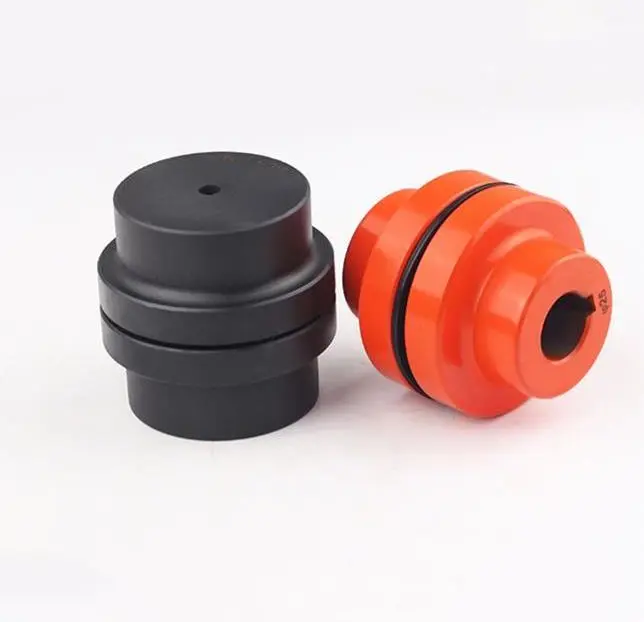
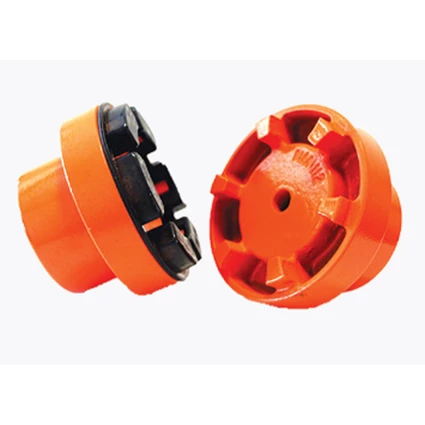
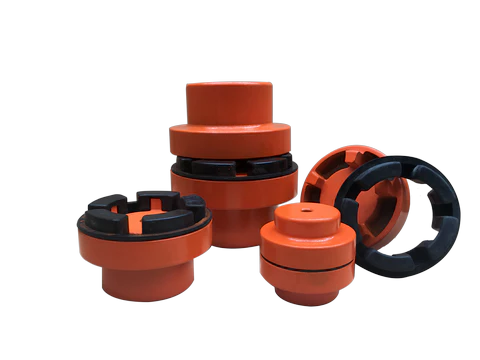
Cast Iron Steel Aluminum NM L FCL Shaft Couplings
Shaft Couplings
The chain coupling, composed of two-strand chains and 2 sprockets, features simple and compact structure, and high flexibility, power transmission capability and durability.
What’s more, the chain coupling allows simple connection/disconnection, and the use of the housing enhances safety and durability.
Type number: 3012, 4012, 4014, 4016, 5014, 5016, 5018,6018, 6571, 6571, 8018, 8571, 1571, 12571.
Основная продукция:
1. Timing Belt Pulley (Synchronous Pulley), Timing Bar, Clamping Plate;
2. Forging, Casting, Stampling Part;
3. V Belt Pulley and Taper Lock Bush; Sprocket, Idler and Plate Wheel;Spur Gear, Bevel Gear, Rack;
4. Shaft Locking Device: could be alternative for Ringfeder, Sati, Chiaravalli, Tollok, etc.;
5. Shaft Coupling: including Miniature couplings, Curved tooth coupling, Chain coupling, HRC coupling,
Normex coupling, Type coupling, GE Coupling, torque limiter, Universal Joint;
6. Shaft Collars: including Setscrew Type, Single Split and Double Splits;
7. Gear & Rack: Spur gear/rack, bevel gear, helical gear/rack.
8. Other customized Machining Parts according to drawings (OEM) Forging, Casting, Stamping Parts.
Packaging & Shipping:
All the products can be packed in cartons,or,you can choose the pallet packing.
MADE IN CHINA can be pressed on wooden cases.Land,air,sea transportation are available.UPS,DHL,TNT,
FedEx and EMS are all supported.
Company Introduction:
Factory View:
Exhibition:
ЧАСТО ЗАДАВАЕМЫЕ ВОПРОСЫ:
1. Минимальный объем заказа (MOQ)
A: Generally, 1 pc for standard parts; contact for nonstandard parts.
2. Delivery Time
A: In stock: within 5 working days. Out of stock: depends on your order quantity.
3. Как выбрать
A: part number or drawing, catalogue. If no, you can send us your sample, so we can make the drawing and sample accordingly.
4: What is the Warranty for your products?
A:Normally our warranty is 1 year.
Contacts:
| Стандартный или нестандартный: | Standard & Nonstandard |
|---|---|
| Отверстие для вала: | 8-50 |
| Крутящий момент: | 70-80N.M |
| Диаметр отверстия: | Доступный |
| Скорость: | 9000r/M |
| Структура: | Гибкий |
| Образцы: |
US$ 0.1/Set
1 комплект (минимальный заказ) | |
|---|
| Настройка: |
Доступный
| Индивидуальный запрос |
|---|
Могут ли гибкие муфты выдерживать высокие крутящие моменты и высокие скорости?
Да, гибкие муфты могут использоваться как в условиях высокого крутящего момента, так и при высоких скоростях, но их пригодность зависит от конкретной конструкции и материала муфты. Различные типы гибких муфт имеют разную грузоподъемность по крутящему моменту и скорости, поэтому крайне важно выбрать правильный тип муфты в зависимости от требований конкретного применения.
Применение в условиях высокого крутящего момента:
Некоторые гибкие муфты, такие как зубчатые и дисковые муфты, предназначены для работы с высокими крутящими моментами. Зубчатые муфты состоят из зубчатых ступиц, которые зацепляются друг с другом, обеспечивая надежную и эффективную передачу крутящего момента. Они широко используются в тяжелых промышленных условиях, таких как металлургические заводы, горнодобывающее оборудование и электростанции, где распространены высокие нагрузки, связанные с крутящим моментом.
Дисковые муфты также подходят для применений с высоким крутящим моментом. В них используется ряд гибких металлических дисков, способных выдерживать значительный крутящий момент, компенсируя при этом несоосность. Дисковые муфты часто используются в высокоскоростном оборудовании и ответственных областях применения, где необходима точная передача крутящего момента.
Высокоскоростные приложения:
Гибкие муфты также могут использоваться в высокоскоростных приложениях. Например, некоторые дисковые муфты, эластомерные муфты и решетчатые муфты способны выдерживать высокие скорости вращения. Эти муфты обладают низкой инерцией, что означает, что они могут быстро реагировать на изменения скорости и обеспечивать эффективную передачу мощности при высоких оборотах.
Эластомерные муфты, такие как кулачковые и шинные муфты, широко используются в различных промышленных областях, включая насосы, компрессоры и вентиляторы, где предъявляются высокие требования как к крутящему моменту, так и к скорости вращения. Они обладают хорошей гибкостью и демпфирующими свойствами, что делает их подходящими для применений с высокими колебаниями скорости и вибрациями.
Соображения:
При выборе гибкой муфты для применений с высоким крутящим моментом и высокой скоростью следует учитывать несколько факторов:
- Необходимо проверить указанные производителем муфты значения крутящего момента и скорости, чтобы убедиться, что они соответствуют или превосходят требования конкретного применения.
- Конструкция и материалы муфты должны соответствовать конкретным условиям эксплуатации, включая температуру, окружающую среду и потенциальное воздействие коррозионных веществ.
- Правильная центровка и установка муфты имеют решающее значение для обеспечения оптимальной производительности и предотвращения преждевременного износа.
- В некоторых случаях может потребоваться использование дополнительных компонентов, таких как ограничители крутящего момента или редукторы, для защиты муфты и подключенного оборудования от чрезмерных нагрузок или колебаний скорости.
В заключение, гибкие муфты действительно способны выдерживать высокие крутящие моменты и высокие скорости, но для обеспечения надежной и эффективной работы в этих сложных условиях крайне важны соответствующий тип муфты и правильный выбор.
Какие факторы следует учитывать при выборе гибкого соединительного элемента для конкретной системы?
Выбор подходящего гибкого соединительного элемента для конкретной системы требует тщательного учета ряда факторов. Ниже перечислены ключевые факторы, которые следует принять во внимание:
- 1. Требования к несовпадению: Оцените тип и величину ожидаемого смещения в системе. Различные муфты предназначены для работы с определенными типами смещения, такими как угловое, параллельное или осевое смещение. Выберите муфту, которая сможет компенсировать ожидаемое смещение, чтобы предотвратить преждевременный износ и выход из строя.
- 2. Крутящий момент: Определите требуемую крутящую способность муфты, чтобы обеспечить передачу необходимой мощности между валами. Учитывайте как постоянные, так и пиковые нагрузки крутящего момента, которые может испытывать система.
- 3. Рабочая скорость: Учитывайте скорость вращения системы. Для высокоскоростных применений могут потребоваться муфты, способные выдерживать дополнительные центробежные силы и обеспечивать балансировку.
- 4. Диапазон температур: Учитывайте диапазон рабочих температур системы. Выберите соединительный материал, способный выдерживать возникающие температуры без потери механических свойств.
- 5. Окружающая среда и условия: Оцените условия окружающей среды, в которых будет использоваться соединительный элемент, например, воздействие влаги, химических веществ, пыли или коррозионных веществ. Выберите материал соединительного элемента, совместимый с условиями эксплуатации.
- 6. Ограничения по пространству: Оцените доступное пространство для установки муфты. Некоторые муфты имеют компактную конструкцию, подходящую для применений в условиях ограниченного пространства.
- 7. Установка и техническое обслуживание: Учитывайте простоту установки и обслуживания. Для обслуживания некоторых муфт могут потребоваться специальные инструменты или разборка, в то время как другие обеспечивают быструю и простую установку.
- 8. Жесткость на кручение: Оцените жесткость муфты на кручение. Баланс между гибкостью и жесткостью необходим для предотвращения чрезмерных крутильных колебаний и компенсации несоосности.
- 9. Гашение ударов и вибраций: Для применений с высокими ударными нагрузками или вибрацией следует выбирать муфту с превосходными демпфирующими характеристиками, чтобы защитить систему от чрезмерных воздействий.
- 10. Стоимость и бюджет: Сравните стоимость соединения с общим бюджетом системы. Учитывайте долгосрочные финансовые последствия, включая расходы на техническое обслуживание и замену.
В конечном итоге, выбор гибкой муфты должен соответствовать конкретным требованиям и условиям эксплуатации системы. Консультации с производителями муфт или инженерными экспертами могут предоставить ценную информацию для обеспечения оптимального выбора муфты, которая повысит производительность, надежность и эффективность системы.
Каковы преимущества использования гибких муфт в механических системах?
Гибкие муфты обладают рядом преимуществ в механических системах, что делает их незаменимыми компонентами в различных областях применения. Вот основные преимущества использования гибких муфт:
- Компенсация несоосности: Одним из главных преимуществ гибких муфт является их способность компенсировать несоосность валов. В механических системах несоосность может возникать из-за различных факторов, таких как ошибки монтажа, тепловое расширение или деформация вала. Гибкие муфты могут компенсировать угловую, параллельную и осевую несоосность, обеспечивая плавную передачу мощности и снижая нагрузку на подключенное оборудование и валы.
- Виброгашение: Гибкие муфты действуют как демпфирующие элементы, поглощая и рассеивая вибрации и удары, возникающие во время работы. Эта особенность помогает снизить уровень шума, защитить оборудование от чрезмерного износа и повысить общую надежность и производительность системы.
- Крутильная гибкость: Гибкие муфты обеспечивают кручение, позволяя им компенсировать небольшие угловые и осевые отклонения. Эта возможность защищает оборудование от внезапных колебаний крутящего момента, ударных нагрузок и скачков крутящего момента, обеспечивая более плавную работу и предотвращая повреждение механизмов.
- Защита от перегрузки: В случае внезапных перегрузок или скачков крутящего момента гибкие муфты способны поглощать и распределять избыточный крутящий момент, защищая подключенное оборудование и трансмиссию от повреждений. Эта функция защиты от перегрузок предотвращает непредвиденные отказы и сокращает время простоя в критически важных системах.
- Снижение износа и затрат на техническое обслуживание: Компенсируя несоосность и гася вибрации, гибкие муфты помогают снизить износ подключенного оборудования, подшипников и уплотнений. Это приводит к увеличению срока службы компонентов и снижению требований к техническому обслуживанию, что влечет за собой экономию средств и повышение надежности системы.
- Компенсация теплового расширения: В системах, подверженных колебаниям температуры, гибкие муфты могут компенсировать тепловое расширение и сжатие, поддерживая правильное выравнивание и предотвращая заедание или чрезмерное напряжение оборудования при изменении температуры.
- Электрическая изоляция: Некоторые типы гибких муфт, например дисковые, обеспечивают электрическую изоляцию между валами. Эта особенность полезна в тех случаях, когда необходимо свести к минимуму гальваническую коррозию или электрические помехи между соединенными компонентами.
- Экономия места и веса: Гибкие муфты часто имеют компактную конструкцию и низкую инерцию, что является преимуществом в условиях ограниченного пространства и там, где минимизация веса имеет решающее значение для производительности и эффективности.
- Экономическая эффективность: Гибкие муфты, как правило, являются экономически эффективным решением для передачи энергии и управления движением, особенно по сравнению с более сложными и дорогостоящими типами муфт. Их относительно простая конструкция и легкость установки способствуют экономии средств.
В заключение, гибкие муфты играют жизненно важную роль в механических системах, обеспечивая компенсацию несоосности, гашение вибраций, защиту от перегрузок и гибкость при кручении. Эти преимущества приводят к улучшению характеристик системы, снижению износа и затрат на техническое обслуживание, а также повышению надежности оборудования, что делает гибкие муфты предпочтительным выбором в различных промышленных, автомобильных, морских и аэрокосмических областях применения.


Редактор: CX, 14.12.2023