وصف المنتج
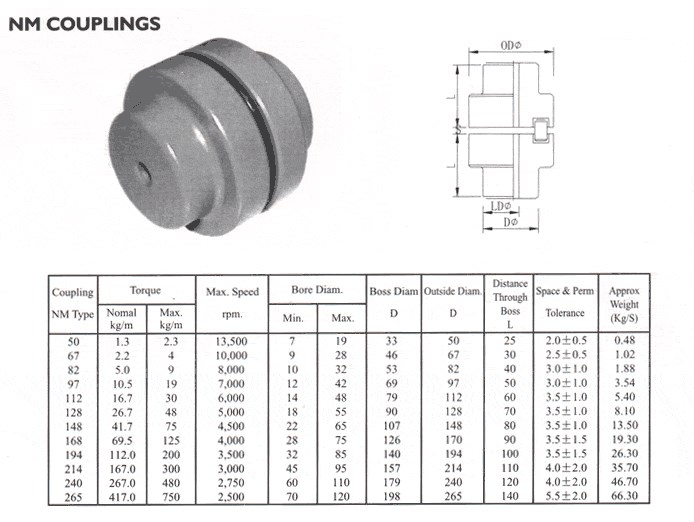
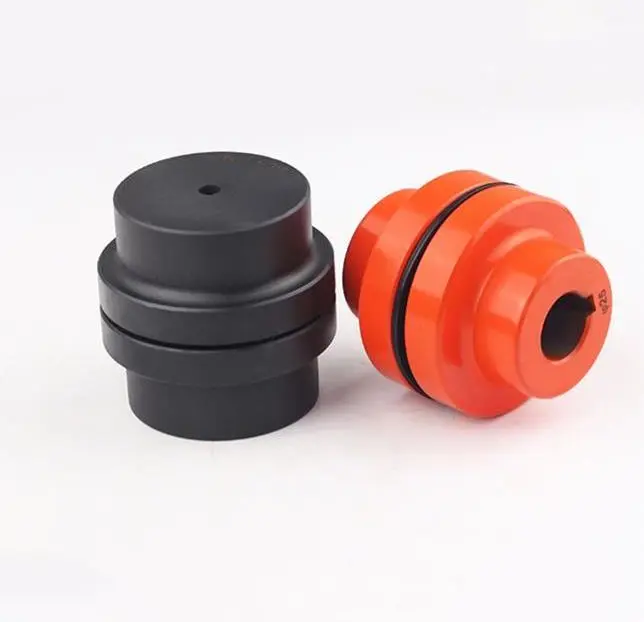
Cast Iron Steel Aluminum NM L FCL Shaft Couplings
Shaft Couplings
The chain coupling, composed of two-strand chains and 2 sprockets, features simple and compact structure, and high flexibility, power transmission capability and durability.
What’s more, the chain coupling allows simple connection/disconnection, and the use of the housing enhances safety and durability.
Type number: 3012, 4012, 4014, 4016, 5014, 5016, 5018,6018, 6571, 6571, 8018, 8571, 1571, 12571.
Main Products:
1. Timing Belt Pulley (Synchronous Pulley), Timing Bar, Clamping Plate;
2. Forging, Casting, Stampling Part;
3. V Belt Pulley and Taper Lock Bush; Sprocket, Idler and Plate Wheel;Spur Gear, Bevel Gear, Rack;
4. Shaft Locking Device: could be alternative for Ringfeder, Sati, Chiaravalli, Tollok, etc.;
5. Shaft Coupling: including Miniature couplings, Curved tooth coupling, Chain coupling, HRC coupling,
Normex coupling, Type coupling, GE Coupling, torque limiter, Universal Joint;
6. Shaft Collars: including Setscrew Type, Single Split and Double Splits;
7. Gear & Rack: Spur gear/rack, bevel gear, helical gear/rack.
8. Other customized Machining Parts according to drawings (OEM) Forging, Casting, Stamping Parts.
Packaging & Shipping:
All the products can be packed in cartons,or,you can choose the pallet packing.
MADE IN CHINA can be pressed on wooden cases.Land,air,sea transportation are available.UPS,DHL,TNT,
FedEx and EMS are all supported.
Company Introduction:
Factory View:
Exhibition:
التعليمات:
1. MOQ
A: Generally, 1 pc for standard parts; contact for nonstandard parts.
2. Delivery Time
A: In stock: within 5 working days. Out of stock: depends on your order quantity.
3. How To Select
A: part number or drawing, catalogue. If no, you can send us your sample, so we can make the drawing and sample accordingly.
4: What is the Warranty for your products?
A:Normally our warranty is 1 year.
Contacts:
| قياسي أم غير قياسي: | Standard & Nonstandard |
|---|---|
| فتحة العمود: | 8-50 |
| عزم الدوران: | 70-80N.M |
| قطر التجويف: | متاح |
| سرعة: | 9000r/M |
| بناء: | مرن |
| أمثلة: |
US$ 0.1/Set
1 Set(Min.Order) | |
|---|
| التخصيص: |
متاح
| طلب مخصص |
|---|
هل يمكن للوصلات المرنة استيعاب تطبيقات عزم الدوران العالي والسرعة العالية؟
نعم، يمكن للوصلات المرنة استيعاب تطبيقات عزم الدوران العالي والسرعات العالية، ولكن مدى ملاءمتها يعتمد على تصميمها ومادتها. تختلف أنواع الوصلات المرنة في قدرات عزم الدوران والسرعة، ومن الضروري اختيار النوع المناسب بناءً على متطلبات التطبيق.
تطبيقات عزم الدوران العالي:
صُممت بعض الوصلات المرنة، مثل وصلات التروس ووصلات الأقراص، لتحمل مستويات عزم دوران عالية. تتكون وصلات التروس من محاور مسننة تتشابك مع بعضها، مما يوفر نقلًا قويًا وفعالًا لعزم الدوران. وهي شائعة الاستخدام في التطبيقات الصناعية الشاقة، مثل مصانع الصلب ومعدات التعدين ومحطات توليد الطاقة، حيث تكثر أحمال عزم الدوران العالية.
تُعدّ وصلات الأقراص مناسبةً أيضاً للتطبيقات التي تتطلب عزم دوران عالٍ. فهي تستخدم سلسلة من الأقراص المعدنية المرنة التي تتحمل عزم دوران كبير مع تعويض أي اختلال في المحاذاة. وتُستخدم وصلات الأقراص بكثرة في الآلات عالية السرعة والتطبيقات الحساسة التي تتطلب نقلاً دقيقاً لعزم الدوران.
تطبيقات عالية السرعة:
يمكن استخدام الوصلات المرنة في التطبيقات عالية السرعة. فعلى سبيل المثال، تتميز بعض الوصلات القرصية والوصلات المطاطية والوصلات الشبكية بقدرتها على التعامل مع سرعات دوران عالية. تتميز هذه الوصلات بانخفاض قصورها الذاتي، مما يعني قدرتها على الاستجابة السريعة لتغيرات السرعة وتوفير نقل طاقة فعال عند سرعات دوران عالية.
تُستخدم الوصلات المطاطية، مثل وصلات الفك ووصلات الإطارات، على نطاق واسع في العديد من التطبيقات الصناعية، بما في ذلك المضخات والضواغط والمراوح، حيث تكون متطلبات عزم الدوران والسرعة عالية. وتتميز هذه الوصلات بمرونة جيدة وخصائص تخميد ممتازة، مما يجعلها مناسبة للتطبيقات التي تشهد تغيرات كبيرة في السرعة واهتزازات عالية.
الاعتبارات:
عند اختيار وصلة مرنة لتطبيقات عزم الدوران العالي والسرعة العالية، ينبغي مراعاة عدة عوامل:
- ينبغي التحقق من تصنيفات عزم الدوران والسرعة التي يقدمها مصنع الوصلات للتأكد من أنها تلبي أو تتجاوز متطلبات التطبيق.
- ينبغي أن يكون تصميم ومواد الوصلة مناسبًا لظروف التشغيل المحددة، بما في ذلك درجة الحرارة والبيئة والتعرض المحتمل للمواد المسببة للتآكل.
- يُعدّ المحاذاة والتركيب الصحيحان للوصلة أمراً بالغ الأهمية لضمان الأداء الأمثل ومنع التآكل المبكر.
- في بعض الحالات، قد يكون من الضروري استخدام مكونات إضافية، مثل محددات عزم الدوران أو مخفضات السرعة، لحماية الوصلة والمعدات المتصلة بها من الأحمال الزائدة أو تقلبات السرعة.
في الختام، يمكن للوصلات المرنة بالفعل استيعاب تطبيقات عزم الدوران العالي والسرعة العالية، ولكن نوع الوصلة المناسب والاختيار الصحيح أمران ضروريان لضمان أداء موثوق وفعال في هذه الظروف الصعبة.
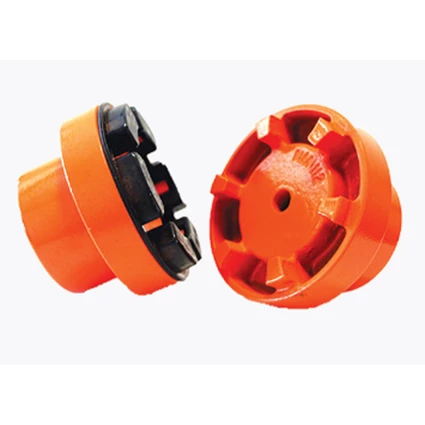
What are the factors to consider when choosing a flexible coupling for a specific system?
Choosing the right flexible coupling for a specific system requires careful consideration of several factors. The following are the key factors that should be taken into account:
- 1. Misalignment Requirements: Assess the type and magnitude of misalignment expected in the system. Different couplings are designed to handle specific types of misalignment, such as angular, parallel, or axial misalignment. Choose a coupling that can accommodate the expected misalignment to prevent premature wear and failure.
- 2. Torque Capacity: Determine the required torque capacity of the coupling to ensure it can transmit the necessary power between the shafts. Consider both the continuous and peak torque loads that the system may experience.
- 3. Operating Speed: Take into account the rotational speed of the system. High-speed applications may require couplings that can handle the additional centrifugal forces and balance requirements.
- 4. Temperature Range: Consider the operating temperature range of the system. Select a coupling material that can withstand the temperatures encountered without losing its mechanical properties.
- 5. Environment and Conditions: Evaluate the environmental conditions where the coupling will be used, such as exposure to moisture, chemicals, dust, or corrosive substances. Choose a coupling material that is compatible with the operating environment.
- 6. Space Constraints: Assess the available space for the coupling installation. Some couplings have compact designs suitable for applications with limited space.
- 7. Installation and Maintenance: Consider the ease of installation and maintenance. Some couplings may require special tools or disassembly for maintenance, while others offer quick and simple installation.
- 8. Torsional Stiffness: Evaluate the torsional stiffness of the coupling. A balance between flexibility and stiffness is essential to prevent excessive torsional vibrations while accommodating misalignment.
- 9. Shock and Vibration Damping: For applications with high shock loads or vibration, select a coupling with excellent damping characteristics to protect the system from excessive forces.
- 10. Cost and Budget: Compare the cost of the coupling with the overall budget for the system. Consider the long-term cost implications, including maintenance and replacement expenses.
Ultimately, the choice of a flexible coupling should align with the specific requirements and operating conditions of the system. Consulting with coupling manufacturers or engineering experts can provide valuable insights to ensure the optimal selection of a coupling that enhances system performance, reliability, and efficiency.
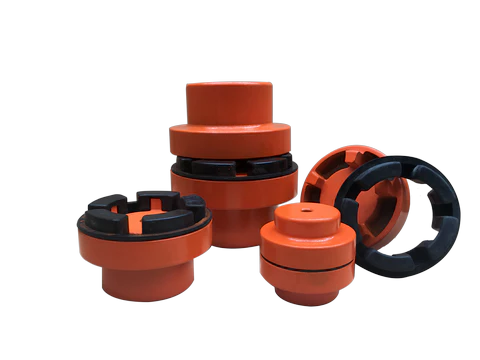
What are the advantages of using flexible couplings in mechanical systems?
Flexible couplings offer several advantages in mechanical systems, making them essential components in various applications. Here are the key advantages of using flexible couplings:
- Misalignment Compensation: One of the primary advantages of flexible couplings is their ability to compensate for shaft misalignment. In mechanical systems, misalignment can occur due to various factors such as installation errors, thermal expansion, or shaft deflection. Flexible couplings can accommodate angular, parallel, and axial misalignment, ensuring smooth power transmission and reducing stress on the connected equipment and shafts.
- تخميد الاهتزازات: Flexible couplings act as damping elements, absorbing and dissipating vibrations and shocks generated during operation. This feature helps to reduce noise, protect the equipment from excessive wear, and enhance overall system reliability and performance.
- Torsional Flexibility: Flexible couplings provide torsional flexibility, allowing them to handle slight angular and axial deflections. This capability protects the equipment from sudden torque fluctuations, shock loads, and torque spikes, ensuring smoother operation and preventing damage to the machinery.
- Overload Protection: In case of sudden overloads or torque spikes, flexible couplings can absorb and distribute the excess torque, protecting the connected equipment and drivetrain from damage. This overload protection feature prevents unexpected failures and reduces downtime in critical applications.
- Reduce Wear and Maintenance: By compensating for misalignment and damping vibrations, flexible couplings help reduce wear on the connected equipment, bearings, and seals. This results in extended component life and reduced maintenance requirements, leading to cost savings and improved system reliability.
- Compensation for Thermal Expansion: In systems exposed to temperature variations, flexible couplings can compensate for thermal expansion and contraction, maintaining proper alignment and preventing binding or excessive stress on the equipment during temperature changes.
- Electric Isolation: Some types of flexible couplings, such as disc couplings, offer electrical isolation between shafts. This feature is beneficial in applications where galvanic corrosion or electrical interference between connected components needs to be minimized.
- Space and Weight Savings: Flexible couplings often have compact designs and low inertia, which is advantageous in applications with space constraints and where minimizing weight is crucial for performance and efficiency.
- Cost-Effectiveness: Flexible couplings are generally cost-effective solutions for power transmission and motion control, especially when compared to more complex and expensive coupling types. Their relatively simple design and ease of installation contribute to cost savings.
In summary, flexible couplings play a vital role in mechanical systems by providing misalignment compensation, vibration damping, overload protection, and torsional flexibility. These advantages lead to improved system performance, reduced wear and maintenance, and enhanced equipment reliability, making flexible couplings a preferred choice in various industrial, automotive, marine, and aerospace applications.


editor by CX 2023-12-14