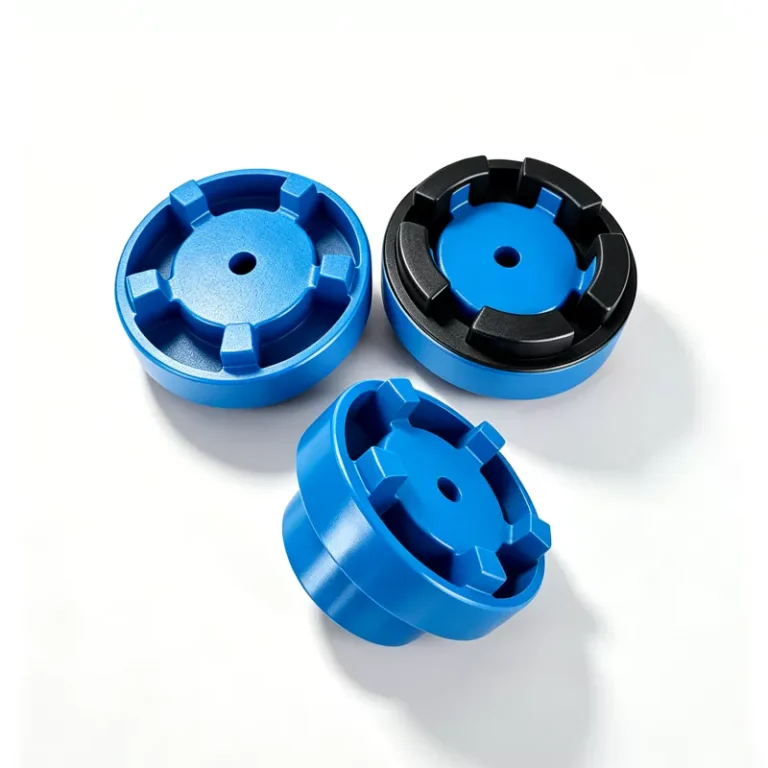
Гибкая муфта NM50
Гибкая муфта NM50 NM с диапазоном диаметров поршня 7-19 мм, эталонной максимальной скоростью вращения 12500 об/мин и эталонным нормальным крутящим моментом 1,3 кгс·м.
Просмотреть подробности →Основная линейка продукции включает гибкие муфты NM50–NM214. Сменные резиновые элементы и другие типы муфт представлены отдельно в качестве дополнительных опций.
Сравните весь диапазон размеров NM, затем отправьте размеры вала и область применения для окончательной проверки при механической обработке.
Гибкая муфта NM50 NM с диапазоном диаметров поршня 7-19 мм, эталонной максимальной скоростью вращения 12500 об/мин и эталонным нормальным крутящим моментом 1,3 кгс·м.
Просмотреть подробности →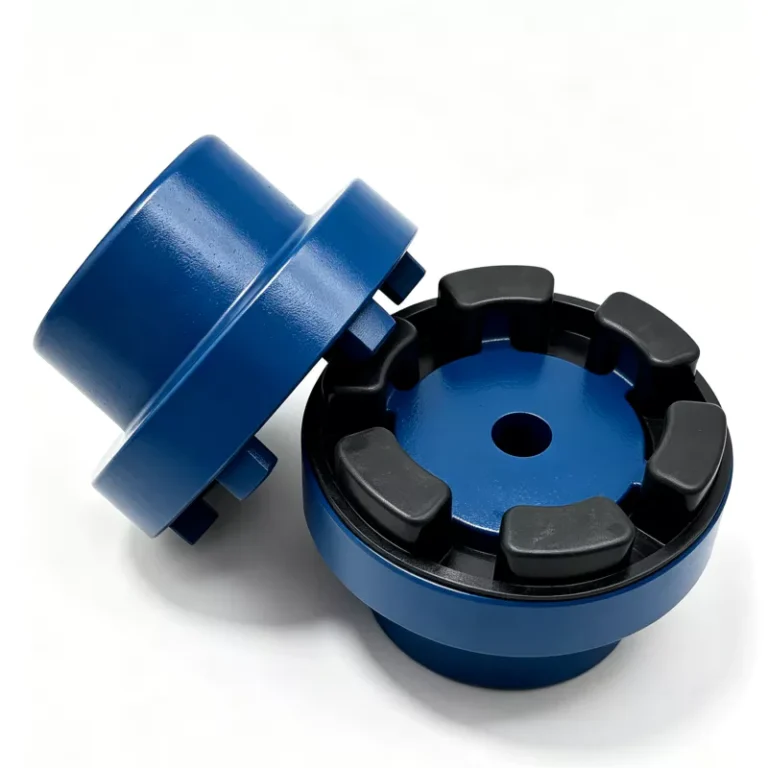
Гибкая муфта NM67 NM с диапазоном диаметров поршня 8-28 мм, эталонной максимальной скоростью вращения 10000 об/мин и эталонным нормальным крутящим моментом 2,2 кгс·м.
Просмотреть подробности →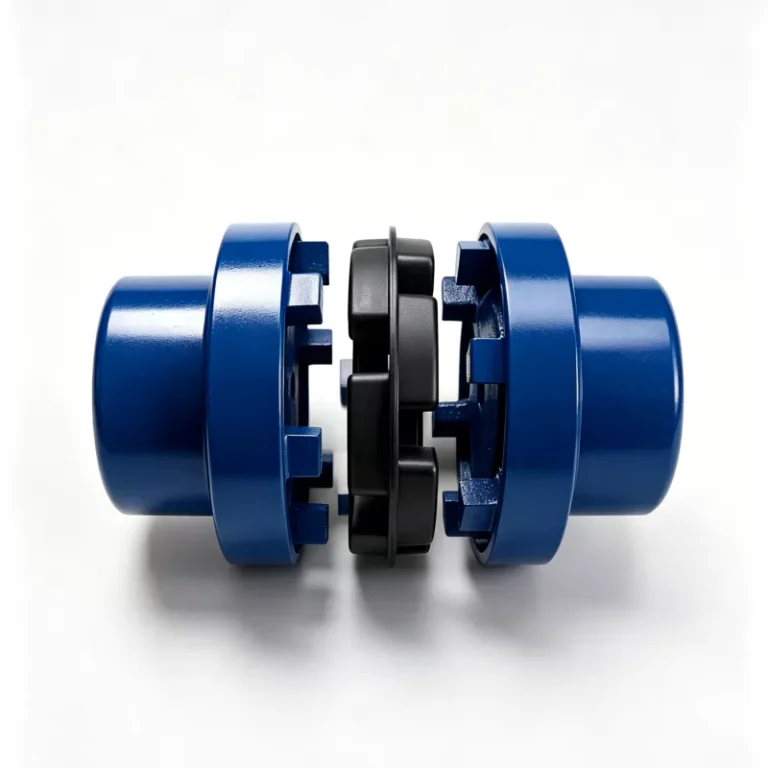
Гибкая муфта NM82 NM с диапазоном диаметров поршня 10-32 мм, эталонной максимальной скоростью вращения 8000 об/мин и эталонным нормальным крутящим моментом 5,0 кгс·м.
Просмотреть подробности →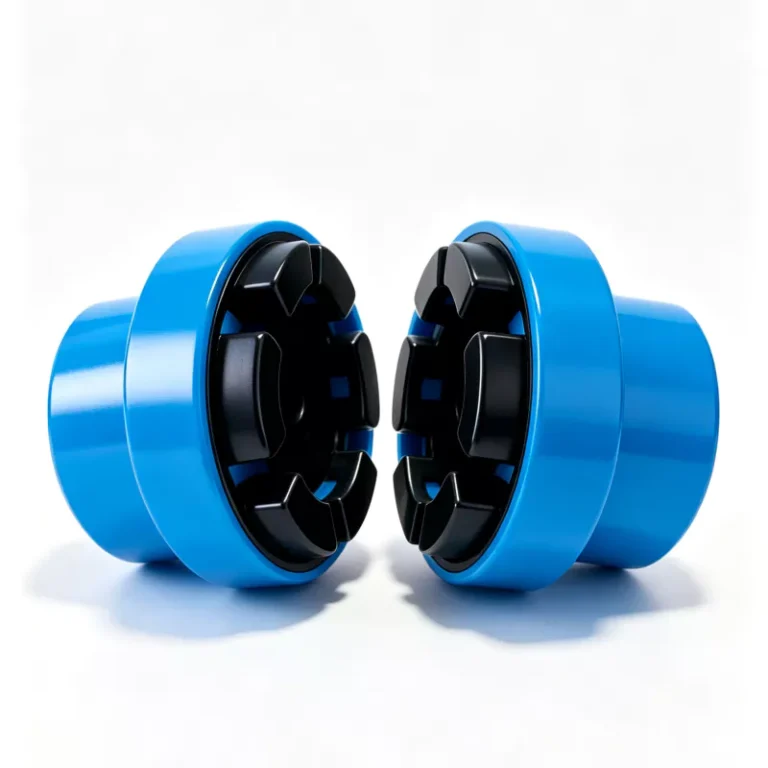
Гибкая муфта NM97 NM с диапазоном диаметров поршня 10-42 мм, эталонной максимальной скоростью вращения 7000 об/мин и эталонным нормальным крутящим моментом 10,5 кгс·м.
Просмотреть подробности →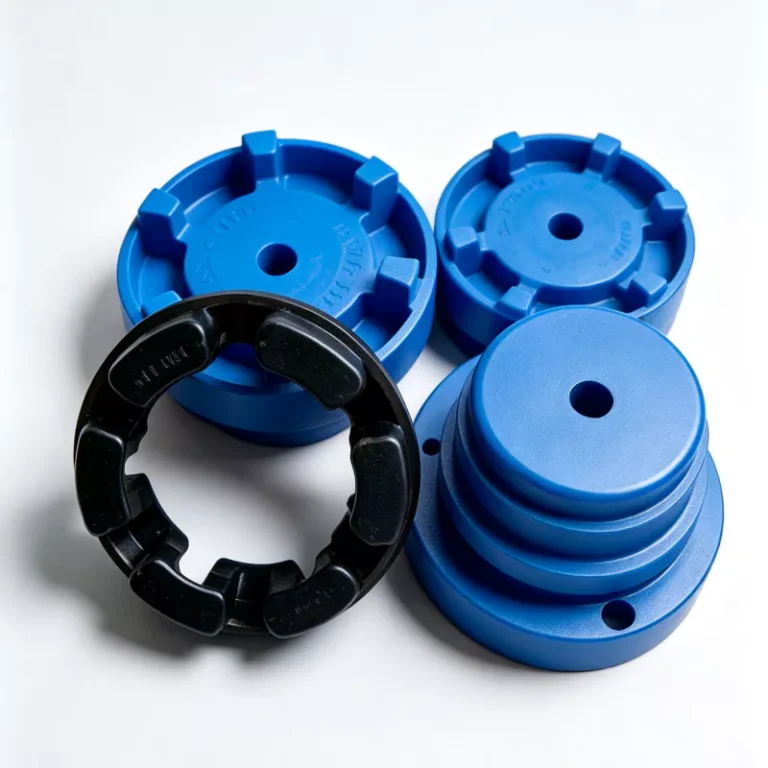
Гибкая муфта NM112 NM с диапазоном диаметров поршня 14-48 мм, эталонной максимальной скоростью вращения 6000 об/мин и эталонным нормальным крутящим моментом 16,7 кгс·м.
Просмотреть подробности →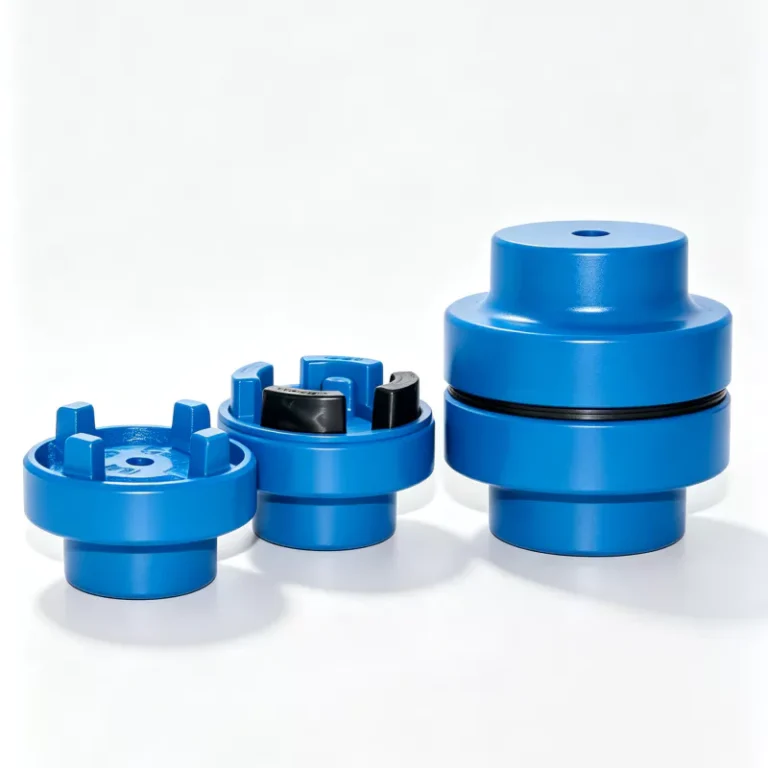
Гибкая муфта NM128 NM с диапазоном диаметров поршня 18-55 мм, эталонной максимальной скоростью вращения 5000 об/мин и эталонным нормальным крутящим моментом 26,7 кгс·м.
Просмотреть подробности →
Гибкая муфта NM148 NM с диапазоном диаметров поршня 22-65 мм, эталонной максимальной скоростью вращения 4500 об/мин и эталонным нормальным крутящим моментом 41,7 кгс·м.
Просмотреть подробности →
Гибкая муфта NM168 NM с диапазоном диаметров поршня 28-75 мм, эталонной максимальной скоростью вращения 4000 об/мин и эталонным нормальным крутящим моментом 59,5 кгс·м.
Просмотреть подробности →Гибкая муфта NM194 NM с диапазоном диаметров поршня 32-85 мм, эталонной максимальной скоростью вращения 3500 об/мин и эталонным нормальным крутящим моментом 112,0 кгс·м.
Просмотреть подробности →Гибкая муфта NM214 NM с диапазоном диаметров поршня 40-95 мм, эталонной максимальной скоростью вращения 3000 об/мин и эталонным нормальным крутящим моментом 167,0 кгс·м.
Просмотреть подробности →Подберите заменяемые элементы в соответствии с фактическим размером NM и осмотрите оба ступичных узла, прежде чем возвращать привод в эксплуатацию.
Резиновые элементы NM являются сервисными деталями, обеспечивающими гибкое соединение между двумя ступицами.
Просмотреть подробности →Используйте эти изделия, если конструкция машины основана на другом принципе соединения или если существующий узел необходимо привести в соответствие с его первоначальной конструкцией.
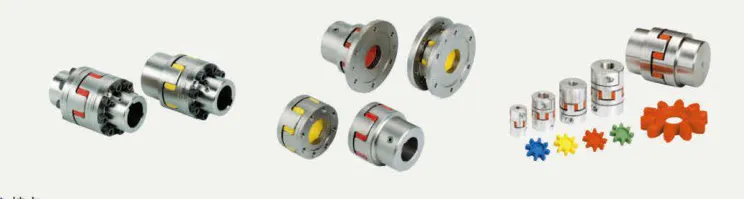
В кулачковых муфтах используются взаимозацепляющиеся ступичные зажимы с эластомерным элементом.
Просмотреть подробности →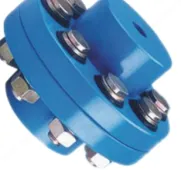
Шарнирно-втулочные муфты передают крутящий момент через штифты и упругие втулки.
Просмотреть подробности →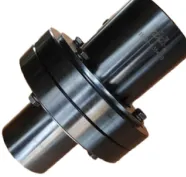
В упругих штифтовых муфтах между половинками муфты используются упругие штифтовые элементы.
Просмотреть подробности →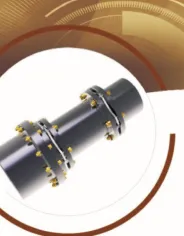
В дисковых муфтах вместо эластомерного элемента используются металлические гибкие диски.
Просмотреть подробности →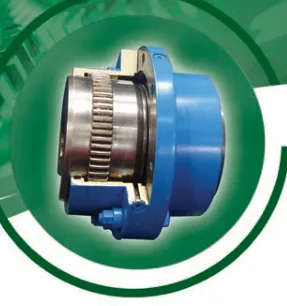
Зубчатые муфты передают крутящий момент посредством зубчатого зацепления между ступицами и втулками.
Просмотреть подробности →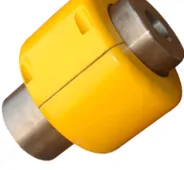
В цепных муфтах зубчатые ступицы соединяются посредством зацепления роликовых цепей.
Просмотреть подробности →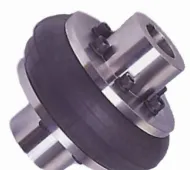
В шинных муфтах между фланцами используется гибкий элемент, напоминающий шину.
Просмотреть подробности →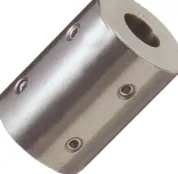
Жесткие муфты с втулками соединяют валы без упругого элемента.
Просмотреть подробности →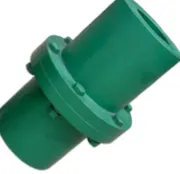
Фланцевые муфты используют болтовые фланцы для соединения валов.
Просмотреть подробности →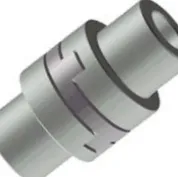
Поперечно-ползунковые муфты обеспечивают смещение за счет скользящих элементов.
Просмотреть подробности →