Opis produktu
Opis produktu
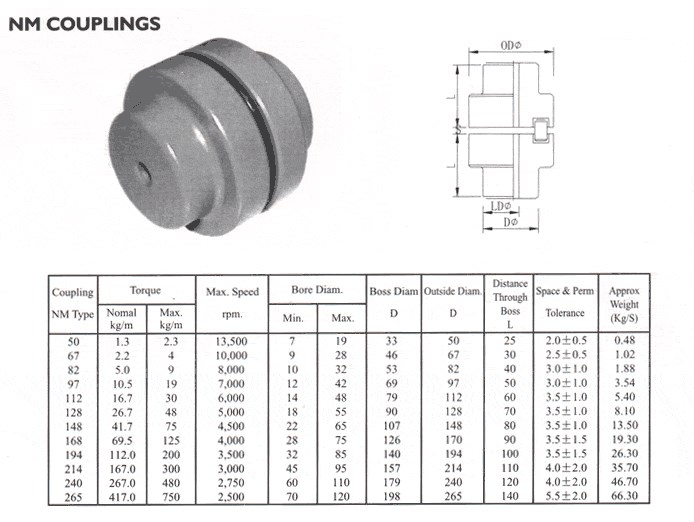
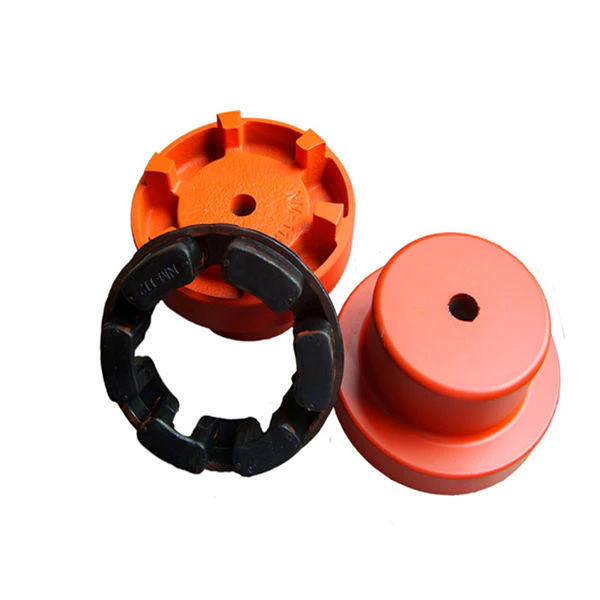
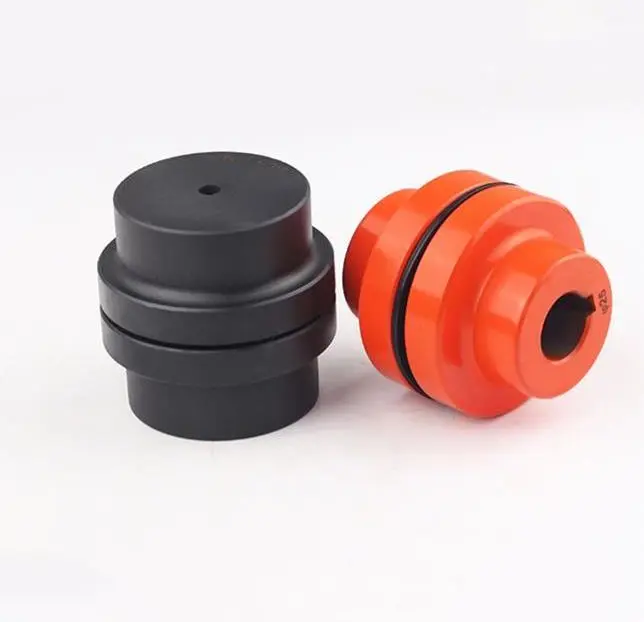
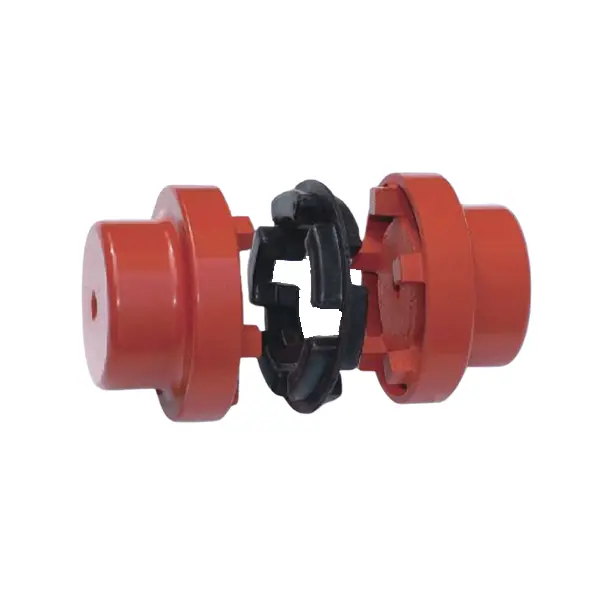
NM Flexible Couplings
Sprzęgło NM
1. Combine the prime mover with working machinery axis and transmit torque;
2.Radial and axial error of the two shafts which caused by manufacturing and installing factors can be appropriately compensated.
3. High torque, high load, can move both forward and reversed.
4. Maintenance-free, fight oil.
5. When overloads, coupling skids or pin breaks to protect working machinery;
6. Perfectly absorb axis deviation, angle deviation and the differences of the ends of the roller, which could duffer and absorb shock.
MODEL: NM50,NM67, NM82, NM97, NM12, NM128, NM148,NM168, NM194, NM214.
Zastosowanie sprzęgła NM
NM couplings are offered in the industry’s largest variety of stock bore/keyway combinations.
These couplings require no lubrication and provide highly reliable service for light, medium, and heavy duty electrical motor and internal combustion power transmission applications. Applications include power transmission to industrial equipment such as pumps, gear boxes, compressors, blowers, mixers, and conveyors.
Opakowanie i wysyłka
All the products can be packed in cartons,or,you can choose the pallet packing.
MADE IN CHINA can be pressed on wooden cases.Land,air,sea transportation are available.UPS,DHL,TNT,
FedEx and EMS are all supported.
Profil firmy
Często zadawane pytania
1. Minimalne zamówienie
A: Generally, 1 pc for standard parts; contact for nonstandard parts.
2. Delivery Time
A: In stock: within 5 working days. Out of stock: depends on your order quantity.
3. Jak wybrać
A: part number or drawing, catalogue. If no, you can send us your sample, so we can make the drawing and sample accordingly.
4: What is the Warranty for your products?
A:Normally our warranty is 1 year.
/* March 10, 2571 17:59:20 */!function(){function s(e,r){var a,o={};try{e&&e.split(“,”).forEach(function(e,t){e&&(a=e.match(/(.*?):(.*)$/))&&1
| Standardowe czy niestandardowe: | Standard |
|---|---|
| Struktura: | Elastyczny |
| Tworzywo: | Cast Iron/ Steel |
| Typ: | Flexible Coupling |
| Product Name: | Nm Coupling |
| Orzecznictwo: | ISO9001:2008 |
| Próbki: |
US$ 8.68/Piece
1 sztuka (minimalne zamówienie) | |
|---|
| Personalizacja: |
Dostępny
| Spersonalizowane żądanie |
|---|
What are the maintenance requirements for flexible couplings?
Maintenance of flexible couplings is essential to ensure their reliable and efficient performance over their service life. Proper maintenance helps prevent premature wear, reduces the risk of unexpected failures, and extends the lifespan of the couplings. Here are some key maintenance requirements for flexible couplings:
- Regular Inspection: Perform regular visual inspections of the flexible couplings to check for signs of wear, damage, or misalignment. Look for cracks, tears, or any other visible issues in the coupling components.
- Lubrication: Some flexible couplings, especially those with moving parts or sliding surfaces, may require periodic lubrication. Follow the manufacturer’s recommendations regarding the type and frequency of lubrication to ensure smooth operation.
- Alignment Checks: Misalignment is a common cause of coupling failure. Regularly check the alignment of the connected shafts and adjust as necessary. Proper alignment reduces stress on the coupling and improves power transmission efficiency.
- Torque Monitoring: Monitoring the torque transmitted through the coupling can help detect any abnormal or excessive loads. If the coupling is subjected to loads beyond its rated capacity, it may lead to premature failure.
- Environmental Protection: If the couplings are exposed to harsh environmental conditions, take measures to protect them from dust, dirt, moisture, and corrosive substances. Consider using protective covers or seals to shield the couplings from potential contaminants.
- Temperature Considerations: Ensure that the operating temperature of the flexible coupling is within its designed range. Excessive heat can accelerate wear, while extremely low temperatures may affect the flexibility of certain coupling materials.
- Replace Worn or Damaged Parts: If any components of the flexible coupling show signs of wear or damage, replace them promptly with genuine replacement parts from the manufacturer.
- Manufacturer’s Guidelines: Follow the maintenance guidelines provided by the coupling manufacturer. They often include specific maintenance intervals and procedures tailored to the coupling’s design and materials.
- Training and Expertise: Ensure that maintenance personnel have the necessary training and expertise to inspect and maintain the flexible couplings properly. Improper maintenance practices can lead to further issues and compromise the coupling’s performance.
By adhering to these maintenance requirements, you can maximize the service life of the flexible couplings and minimize the risk of unexpected downtime or costly repairs. Regular maintenance helps maintain the efficiency and reliability of the coupling in various industrial, automotive, and machinery applications.
What role does a flexible coupling play in reducing downtime and maintenance costs?
A flexible coupling plays a significant role in reducing downtime and maintenance costs in industrial machinery and rotating equipment. Here are the key ways in which flexible couplings contribute to these benefits:
- Kompensacja odchylenia: One of the primary functions of a flexible coupling is to accommodate misalignment between two connected shafts. Misalignment can occur due to various factors such as thermal expansion, foundation settling, or manufacturing tolerances. By allowing for misalignment, flexible couplings reduce the transmission of harmful forces and stresses to connected components, minimizing wear and preventing premature failures that could lead to costly downtime and repairs.
- Vibration Damping: Flexible couplings have inherent damping properties due to the elastomeric or flexible elements they incorporate. These elements absorb and dissipate vibration and shock loads that may arise from the operation of rotating machinery. By dampening vibrations, flexible couplings protect the connected equipment from excessive wear and fatigue, extending their service life and reducing the need for frequent maintenance or replacement.
- Shock Load Absorption: In applications where sudden loads or shocks are common, such as in heavy machinery or high-speed equipment, flexible couplings act as shock absorbers. They can absorb and dissipate the impact energy, preventing damage to the machinery and minimizing downtime caused by unexpected failures or breakdowns.
- Easy Installation and Alignment: Flexible couplings are designed for ease of installation and alignment. Unlike rigid couplings that require precise shaft alignment, flexible couplings can tolerate some degree of misalignment during installation. This feature simplifies the setup process, reduces installation time, and lowers the risk of misalignment-related issues, ultimately minimizing downtime during initial installation or replacement of couplings.
- Reduced Maintenance Frequency: The ability of flexible couplings to handle misalignment and dampen vibrations results in reduced wear on bearings, seals, and other connected components. Consequently, the frequency of maintenance intervals can be extended, reducing the need for frequent inspections and component replacements. This directly translates to lower maintenance costs and less downtime for maintenance tasks.
- Equipment Protection: By reducing the transmission of shock loads and vibrations, flexible couplings act as protective barriers for connected equipment. They help prevent catastrophic failures and subsequent damage to expensive machinery, avoiding unplanned shutdowns and costly repairs.
Overall, flexible couplings are critical components that improve the reliability and longevity of rotating equipment. Their ability to handle misalignment, dampen vibrations, and protect against shock loads contributes to reduced downtime, lower maintenance costs, and increased productivity in industrial applications.
Jakie materiały są powszechnie stosowane do produkcji sprzęgieł elastycznych?
Sprzęgła elastyczne są produkowane z różnorodnych materiałów, z których każdy oferuje inne właściwości i charakterystyki, dostosowane do konkretnych zastosowań. Wybór materiału zależy od takich czynników, jak wymagania danego zastosowania, warunki środowiskowe, moment obrotowy i pożądana elastyczność. Oto niektóre z materiałów powszechnie stosowanych w produkcji sprzęgieł elastycznych:
- Stal: Stal jest powszechnie stosowanym materiałem w sprzęgłach elastycznych ze względu na swoją wytrzymałość, trwałość i doskonałe właściwości przenoszenia momentu obrotowego. Sprzęgła stalowe nadają się do ciężkich zastosowań przemysłowych, wymagających wysokiego momentu obrotowego i trudnych warunków pracy.
- Stal nierdzewna: Stal nierdzewna jest często używana do produkcji elastycznych złączy w środowiskach o wysokim potencjale korozyjnym. Złącza ze stali nierdzewnej charakteryzują się doskonałą odpornością na rdzę i inne czynniki korozyjne, dzięki czemu idealnie nadają się do zastosowań w przemyśle morskim, spożywczym i chemicznym.
- Aluminium: Sprzęgła aluminiowe są lekkie, charakteryzują się niską bezwładnością i zapewniają doskonałą równowagę. Są powszechnie stosowane w zastosowaniach, w których redukcja masy ma kluczowe znaczenie, takich jak przemysł lotniczy i robotyka.
- Mosiądz: Złączki mosiężne znane są ze swojej przewodności elektrycznej i są używane w zastosowaniach, w których wymagane jest uziemienie lub izolacja elektryczna, np. w niektórych maszynach przemysłowych lub sprzęcie elektronicznym.
- Lane żelazo: Sprzęgła żeliwne charakteryzują się dobrą wytrzymałością i trwałością, dlatego też są często wykorzystywane w przemyśle, gdzie wymagana jest odporność na obciążenia udarowe i wibracje.
- Plastik/Polimer: Niektóre elastyczne sprzęgła wykorzystują wysokowydajne polimery lub tworzywa sztuczne, takie jak poliuretan czy nylon. Materiały te zapewniają dobrą elastyczność, niskie tarcie i odporność na działanie chemikaliów. Złącza plastikowe nadają się do zastosowań, w których odporność na korozję i niska masa są kluczowe.
- Elastomery: Elastomery są stosowane jako elementy elastyczne w wielu złączach elastycznych. Materiały takie jak kauczuk naturalny, neopren lub uretan są powszechnie stosowane jako elementy elastomerowe, zapewniające elastyczność i właściwości tłumiące drgania.
Wybór materiału sprzęgła zależy od specyficznych potrzeb danego zastosowania. Na przykład, w zastosowaniach o wysokiej wydajności i dużej wytrzymałości, ze względu na ich wytrzymałość, wymagane mogą być sprzęgła stalowe lub ze stali nierdzewnej, natomiast w zastosowaniach, w których redukcja masy ma kluczowe znaczenie, korzystne mogą okazać się sprzęgła aluminiowe lub polimerowe. Ponadto, na wybór materiału wpływają takie czynniki, jak zakres temperatur, narażenie na działanie substancji chemicznych oraz wymagania elektryczne w środowisku pracy danego zastosowania.
Producenci zazwyczaj podają specyfikacje materiałowe swoich sprzęgieł, pomagając użytkownikom podejmować świadome decyzje w oparciu o konkretne wymagania ich zastosowań.


editor by CX 2024-01-09