وصف المنتج
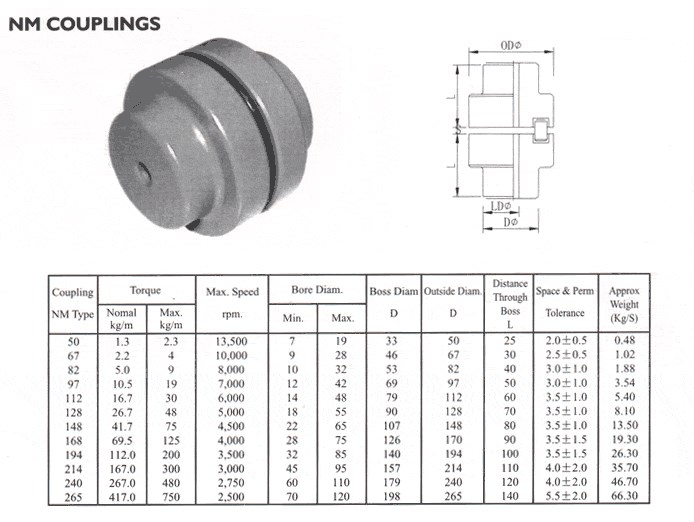
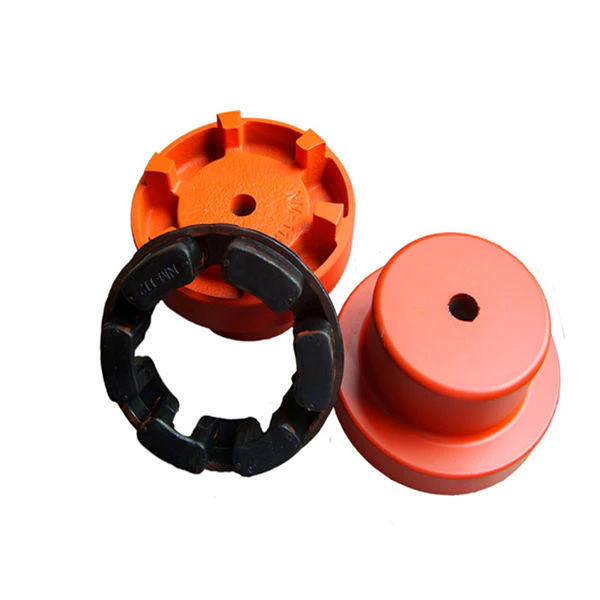
Cast Iron Normex Coupling NM Coupling
| Product Name | GE / GR Flexible Shaft Coupling |
| مادة | Steel ( stainless steel , alumimun also available ) |
| Elastomer Material | Rubber (TPU) |
| Structure | 2 shaft ( 1 / 1a / 1b )+ flexible spider |
| Bore size | 0~40mm |
| Weight | About 3.3kg / pcs |
| packing | plastic bag +paper box +wooden box +wooden pallet |
Main Products:
1. Timing Belt Pulley (Synchronous Pulley), Timing Bar, Clamping Plate;
2. Forging, Casting, Stampling Part;
3. V Belt Pulley and Taper Lock Bush; Sprocket, Idler and Plate Wheel;Spur Gear, Bevel Gear, Rack;
4. Shaft Locking Device: could be alternative for Ringfeder, Sati, Chiaravalli, Tollok, etc.;
5. Shaft Coupling: including Miniature couplings, Curved tooth coupling, Chain coupling, HRC coupling,
Normex coupling, Type coupling, GE Coupling, torque limiter, Universal Joint;
6. Shaft Collars: including Setscrew Type, Single Split and Double Splits;
7. Gear & Rack: Spur gear/rack, bevel gear, helical gear/rack.
8. Other customized Machining Parts according to drawings (OEM) Forging, Casting, Stamping Parts.
Packaging & Shipping:
All the products can be packed in cartons,or,you can choose the pallet packing.
MADE IN CHINA can be pressed on wooden cases.Land,air,sea transportation are available.UPS,DHL,TNT,
FedEx and EMS are all supported.
Company Introduction:
Factory View:
Exhibition:
التعليمات:
1. MOQ
A: Generally, 1 pc for standard parts; contact for nonstandard parts.
2. Delivery Time
A: In stock: within 5 working days. Out of stock: depends on your order quantity.
3. How To Select
A: part number or drawing, catalogue. If no, you can send us your sample, so we can make the drawing and sample accordingly.
4: What is the Warranty for your products?
A:Normally our warranty is 1 year.
Contacts:
| قياسي أم غير قياسي: | معيار |
|---|---|
| فتحة العمود: | 19-32 |
| عزم الدوران: | >80 ميلًا بحريًا |
| قطر التجويف: | 19 ملم |
| سرعة: | 4000 دورة/دقيقة |
| بناء: | Metal Bellows |
| أمثلة: |
US$ 0.1/Piece
قطعة واحدة (الحد الأدنى للطلب) | |
|---|
| التخصيص: |
متاح
| طلب مخصص |
|---|
كيف تتعامل وصلة مرنة مع عدم المحاذاة الزاوية والمتوازية والمحورية؟
صُممت الوصلة المرنة لاستيعاب أنواع مختلفة من عدم المحاذاة بين عمودين دوارين: عدم المحاذاة الزاوية، وعدم المحاذاة المتوازية، وعدم المحاذاة المحورية. تسمح مرونة الوصلة بالحفاظ على اتصال بين العمودين مع تعويض هذه الأنواع من عدم المحاذاة. إليك كيفية تعامل الوصلة المرنة مع كل نوع من أنواع عدم المحاذاة:
- عدم محاذاة الزاوية: يحدث عدم المحاذاة الزاوية عندما لا يكون محورا العمودين على استقامة واحدة ويشكلان زاوية مع بعضهما البعض. يمكن للوصلات المرنة معالجة عدم المحاذاة الزاوية من خلال دمج عنصر قابل للانثناء والانحناء. أحد التصاميم الشائعة هو عنصر "العنكبوت" أو "الفك"، والذي يتكون من مواد مطاطية. عندما يكون العمودان غير محاذيين، يمكن للعنصر المطاطي أن يتشوه قليلاً، مما يسمح للوصلة باستيعاب الإزاحة الزاوية بين العمودين مع الاستمرار في نقل عزم الدوران.
- عدم محاذاة متوازية: يحدث عدم المحاذاة المتوازية، والمعروف أيضًا بعدم المحاذاة غير المتوازية، عندما تكون محاور العمودين متوازية ولكنها ليست متطابقة تمامًا. يمكن للوصلات المرنة معالجة عدم المحاذاة المتوازية من خلال نفس العنصر المطاطي. تُمكّن مرونة هذا العنصر من تحريكه وتعديله وفقًا للإزاحة بين العمودين، مما يضمن استمرارية نقل الطاقة مع تقليل الإجهادات الإضافية على الآلات.
- عدم محاذاة المحور: يحدث عدم المحاذاة المحورية، أو ما يُسمى أيضًا بعدم محاذاة الحركة الطرفية، عندما يقترب عمودان من بعضهما أو يتباعدان على طول محورهما المشترك. يمكن للوصلات المرنة معالجة عدم المحاذاة المحورية من خلال تصميمات خاصة تسمح بحركة محورية محدودة. على سبيل المثال، تستخدم بعض الوصلات فتحات مشقوقة أو عنصرًا عائمًا يسمح بالإزاحة المحورية مع الحفاظ على الاتصال بين العمودين.
بفضل قدرتها على التعامل مع عدم المحاذاة الزاوية والمتوازية والمحورية، توفر الوصلات المرنة العديد من المزايا لأنظمة نقل الطاقة:
- فهي تساعد على منع التآكل المبكر وتلف المعدات المتصلة، مما يقلل من تكاليف الصيانة والاستبدال.
- فهي تقلل من الاهتزازات وأحمال الصدمات، مما يعزز سلاسة وموثوقية الآلات بشكل عام.
- فهي تقلل من خطر تعطل المعدات بسبب الإجهادات الناتجة عن عدم المحاذاة، مما يحسن العمر التشغيلي للنظام.
- فهي تتيح سهولة التركيب وضبط المحاذاة، مما يوفر الوقت والجهد أثناء الإعداد والصيانة.
بشكل عام، تلعب الوصلات المرنة دورًا حاسمًا في معالجة عدم المحاذاة وضمان نقل الطاقة بكفاءة في مختلف التطبيقات الصناعية.
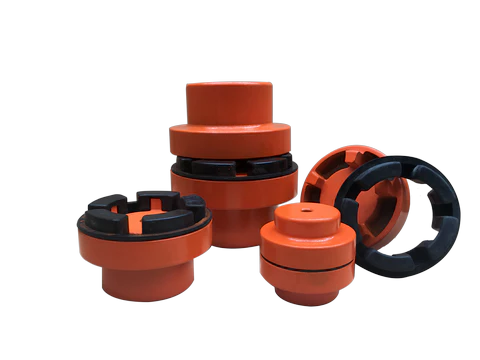
Can flexible couplings be used for both motor-to-shaft and shaft-to-shaft connections?
Yes, flexible couplings can be used for both motor-to-shaft and shaft-to-shaft connections in various applications. The versatility of flexible couplings allows them to adapt to different types of connections and meet the specific requirements of the system.
Motor-to-Shaft Connections:
When connecting a motor to a shaft, a flexible coupling serves as an intermediary component that joins the motor shaft and the driven shaft. Flexible couplings are commonly used in motor-driven systems to accommodate misalignment between the motor and the driven load. In motor applications, flexible couplings help reduce stress and wear on the motor bearings, thus extending the motor’s life and enhancing overall system reliability. They also act as vibration dampeners, minimizing vibrations transmitted from the motor to the driven shaft, and subsequently to connected equipment, ensuring smoother operation.
Shaft-to-Shaft Connections:
In many mechanical systems, such as those in the manufacturing, automation, and power transmission industries, shaft-to-shaft connections are required. A flexible coupling can bridge the gap between two shafts and transmit torque while accommodating misalignment. This type of coupling is commonly used to connect shafts that are not perfectly aligned due to factors like manufacturing tolerances, thermal expansion, or foundation settling. By allowing for misalignment, the flexible coupling protects the connected components from excessive stresses and ensures efficient power transmission.
Versatility and Advantages:
The ability of flexible couplings to handle both motor-to-shaft and shaft-to-shaft connections makes them versatile solutions for a wide range of industrial applications. Some of the advantages of using flexible couplings in these connections include:
- Minimizing stress and wear on connected components, such as bearings and seals.
- Compensating for misalignment, ensuring smooth power transmission.
- Damping vibrations and shock loads, reducing the risk of mechanical failures.
- Protecting equipment from excessive forces, enhancing system reliability.
- Simplifying installation and alignment procedures, reducing downtime.
- Improving overall system performance and operational efficiency.
التطبيقات:
Flexible couplings find applications in a wide range of industries, including manufacturing, material handling, automotive, aerospace, robotics, and more. Whether connecting a motor to a shaft or joining two shafts directly, flexible couplings play a crucial role in enhancing the reliability and efficiency of rotating machinery and mechanical systems.
In conclusion, flexible couplings can effectively serve as connectors for both motor-to-shaft and shaft-to-shaft connections, providing essential misalignment compensation and protection for connected equipment in various industrial applications.
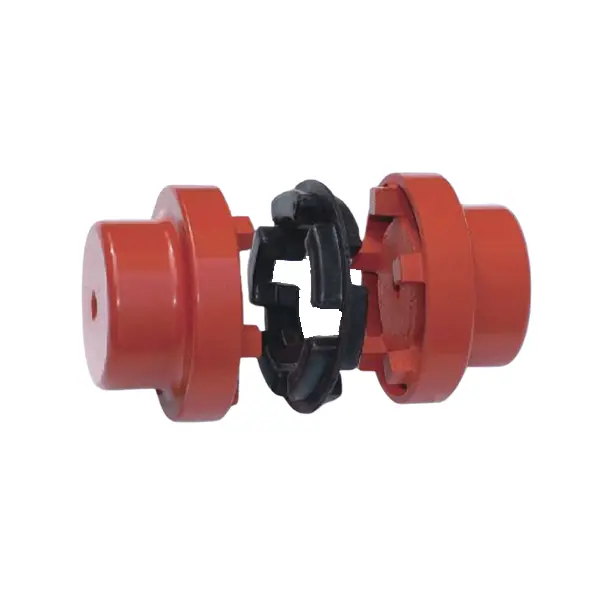
What materials are commonly used in manufacturing flexible couplings?
Flexible couplings are manufactured using a variety of materials, each offering different properties and characteristics suited for specific applications. The choice of material depends on factors such as the application’s requirements, environmental conditions, torque capacity, and desired flexibility. Here are some of the commonly used materials in manufacturing flexible couplings:
- Steel: Steel is a widely used material in flexible couplings due to its strength, durability, and excellent torque transmission capabilities. Steel couplings are suitable for heavy-duty industrial applications with high torque requirements and harsh operating conditions.
- Stainless Steel: Stainless steel is often used to manufacture flexible couplings in environments with high corrosion potential. Stainless steel couplings offer excellent resistance to rust and other corrosive elements, making them ideal for marine, food processing, and chemical industry applications.
- Aluminum: Aluminum couplings are lightweight, have low inertia, and provide excellent balance. They are commonly used in applications where reducing weight is critical, such as aerospace and robotics.
- Brass: Brass couplings are known for their electrical conductivity and are used in applications where electrical grounding or electrical isolation is required, such as in certain industrial machinery or electronics equipment.
- Cast Iron: Cast iron couplings offer good strength and durability and are often used in industrial applications where resistance to shock loads and vibrations is necessary.
- Plastic/Polymer: Some flexible couplings use high-performance polymers or plastics, such as polyurethane or nylon. These materials provide good flexibility, low friction, and resistance to chemicals. Plastic couplings are suitable for applications where corrosion resistance and lightweight are essential.
- Elastomers: Elastomers are used as the flexible elements in many flexible couplings. Materials like natural rubber, neoprene, or urethane are commonly used as elastomer spider elements, providing flexibility and vibration damping properties.
The selection of the coupling material depends on the specific needs of the application. For instance, high-performance and heavy-duty applications may require steel or stainless steel couplings for their robustness, while applications where weight reduction is crucial may benefit from aluminum or polymer couplings. Additionally, the choice of material is influenced by factors such as temperature range, chemical exposure, and electrical requirements in the application’s operating environment.
Manufacturers typically provide material specifications for their couplings, helping users make informed decisions based on the specific demands of their applications.


editor by CX 2023-10-19