Mô tả sản phẩm
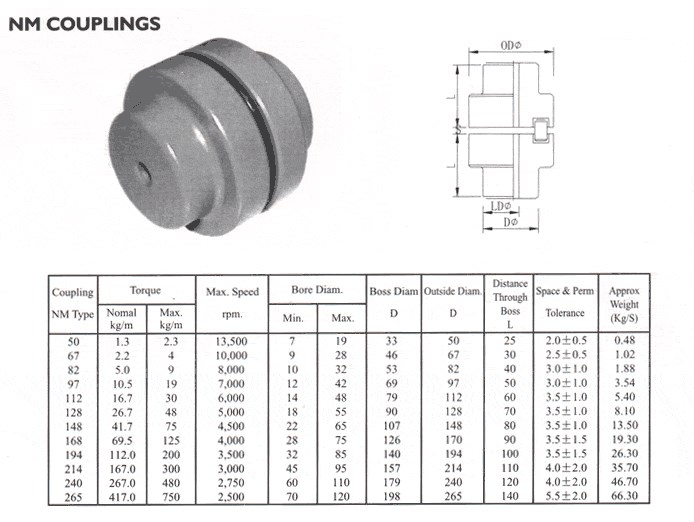
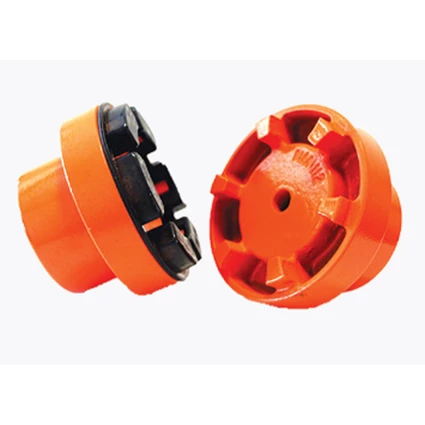
| Tên sản phẩm | ghép nối nm |
| Vật liệu | gang |
| Kiểu | nm 50-214 |
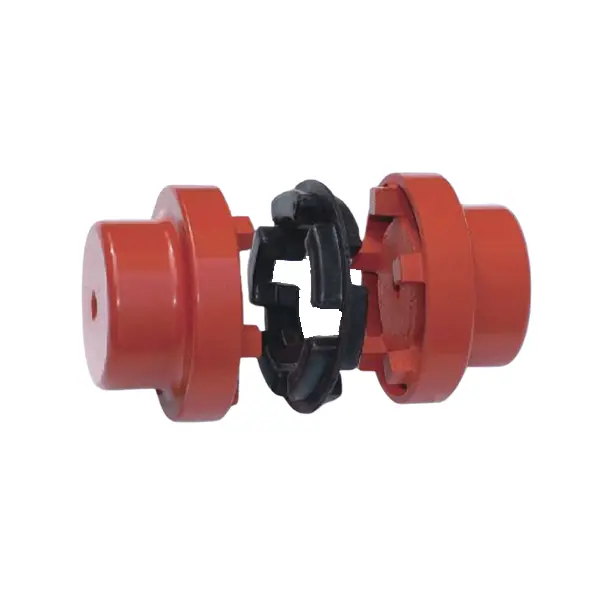
| Kết cấu | 2 shaft ( 1 / 1a / 1b )+spider |
| Kích thước lỗ khoan | 7-952mm |
| Cân nặng | Khoảng 0,48-35,7 kg/chiếc |
| packing | plastic bag +paper box +wooden box +wooden pallet |
Flexible Coupling/Couplings
1. One Piece metallic spring coupling
2. Zero backlash
3. Absorption of parallel, angular misalignment and shaft end-play by spring action
4. Identical clockwise and anticlockwise rotational characteristics
5. Setscrew type or Clamp Type
6. Material: Aluminum Alloy or Stainless steel or other materials per customers’ request.
7. Anti-corrsion,widely used in medical science ,chemistry
8. High flexibilty
9. For servomotor stepmotor
What applications are coupling used for?
Couplings are used in servo drive technology, machine tools, packaging machinery, automation systems, printing presses, industrial robots, control and positioning technology, and general mechanical engineering.
SẢN PHẨM CHÍNH:
1) Puli đai cam (puli đồng bộ), thanh định thời, tấm kẹp;
2) Rèn, đúc, dập chi tiết;
3) Ròng rọc đai chữ V và bạc lót côn; đĩa xích, bánh dẫn hướng và bánh răng trụ; bánh răng trụ thẳng, bánh răng côn, thanh răng;
4) Thiết bị khóa trục: có thể là lựa chọn thay thế cho Ringfeder, Sati, Chiaravalli, Tollok, v.v.;
5) Khớp nối trục: bao gồm khớp nối thu nhỏ, khớp nối răng cong, khớp nối xích, khớp nối HRC, khớp nối Normex, khớp nối kiểu Type, khớp nối GE, bộ giới hạn momen xoắn, khớp nối vạn năng;
6) Vòng kẹp trục: bao gồm loại vít định vị, loại tách đơn và loại tách đôi;
7) Dây đai truyền động: bao gồm dây đai truyền động bằng cao su và PU dùng trong công nghiệp;
8) Các chi tiết gia công tùy chỉnh khác theo bản vẽ (OEM).
| Tiêu chuẩn hay không tiêu chuẩn: | Tiêu chuẩn |
|---|---|
| Lỗ trục: | 8-24 |
| Kết cấu: | Linh hoạt |
| Vật liệu: | Cast Iron |
| Kiểu: | Rigid Coupling |
| Weight: | Depends on Specifications |
| Mẫu: |
US$ 10/Piece
1 chiếc (Số lượng đặt tối thiểu) | |
|---|
| Tùy chỉnh: |
Có sẵn
| Yêu cầu tùy chỉnh |
|---|
Are there any safety considerations when using flexible couplings in rotating machinery?
Yes, there are several safety considerations to keep in mind when using flexible couplings in rotating machinery. While flexible couplings offer numerous benefits in terms of misalignment compensation, vibration isolation, and shock absorption, improper use or maintenance can lead to safety hazards. Here are some important safety considerations:
- Proper Installation: Ensure that the flexible coupling is installed correctly and securely following the manufacturer’s guidelines. Improper installation can lead to coupling failure, unexpected disconnection, or ejection of coupling components, which may result in equipment damage or injury to personnel.
- Alignment: Proper shaft alignment is essential for the reliable and safe operation of flexible couplings. Misaligned shafts can cause excessive stress on the coupling and connected components, leading to premature wear and possible failure. Regularly check and maintain proper shaft alignment to prevent safety risks.
- Operating Conditions: Consider the environmental and operating conditions of the machinery when selecting a flexible coupling. Some couplings are designed for specific temperature ranges, hazardous environments, or corrosive atmospheres. Using a coupling that is not suitable for the operating conditions can compromise safety and performance.
- Torque and Speed Limits: Always operate the flexible coupling within its specified torque and speed limits. Exceeding these limits can cause coupling failure, leading to unexpected downtime, equipment damage, and potential safety hazards.
- Maintenance: Regularly inspect and maintain the flexible coupling to ensure its continued safe operation. Check for signs of wear, damage, or corrosion, and promptly replace any worn or damaged components with genuine parts from the manufacturer.
- Emergency Stop Mechanism: In applications where safety is critical, consider implementing an emergency stop mechanism to quickly halt machinery operation in case of coupling failure or other emergencies.
- Personal Protective Equipment (PPE): When working with rotating machinery or during maintenance tasks involving couplings, personnel should wear appropriate PPE, such as gloves, eye protection, and clothing that can resist entanglement hazards.
- Training and Awareness: Ensure that personnel working with the machinery understand the potential hazards associated with flexible couplings and receive proper training on safe handling, installation, and maintenance procedures.
By adhering to these safety considerations, operators and maintenance personnel can mitigate potential risks and ensure the safe and reliable operation of rotating machinery with flexible couplings. Additionally, it is essential to comply with relevant safety standards and regulations specific to the industry and application to ensure a safe working environment.
Can flexible couplings be used in applications with varying operating temperatures?
Yes, flexible couplings can be used in applications with varying operating temperatures. The suitability of a flexible coupling for a specific temperature range depends on its design and the materials used in its construction. Different types of flexible couplings are available to handle a wide range of temperature conditions, making them versatile for use in various industries and environments.
High-Temperature Applications:
For applications with high operating temperatures, such as those found in certain industrial processes, exhaust systems, or high-temperature machinery, flexible couplings made from materials with excellent heat resistance are used. These materials may include stainless steel alloys, heat-treated steels, or specialized high-temperature elastomers. High-temperature flexible couplings are designed to maintain their mechanical properties, including flexibility and torque transmission capabilities, even at elevated temperatures.
Low-Temperature Applications:
Conversely, for applications in extremely cold environments or cryogenic processes, flexible couplings constructed from materials with low-temperature resistance are employed. These couplings are designed to remain flexible and functional at very low temperatures without becoming brittle or losing their ability to handle misalignment. Some low-temperature couplings may use special polymers or elastomers with excellent cold-temperature performance.
Temperature Range Considerations:
When selecting a flexible coupling for applications with varying operating temperatures, it is essential to consider the specific temperature range in which the coupling will operate. Some flexible couplings have a wider temperature range, allowing them to function effectively in both high and low-temperature environments. However, in extreme temperature conditions, specialized couplings may be necessary to ensure reliable performance and prevent premature failure.
Manufacturer Guidelines:
Manufacturers of flexible couplings provide guidelines and specifications regarding the temperature range of their products. It is crucial to consult the manufacturer’s documentation to ensure that the chosen coupling is suitable for the intended operating temperature of the application. Using a coupling beyond its recommended temperature range can lead to performance issues, reduced efficiency, or even failure.
Ứng dụng:
Flexible couplings with varying temperature resistance find use in numerous industries, including aerospace, automotive, manufacturing, power generation, and more. Whether in high-temperature exhaust systems, low-temperature cryogenic processes, or regular industrial applications with temperature fluctuations, flexible couplings play a vital role in providing reliable power transmission and misalignment compensation.
In summary, flexible couplings can be effectively used in applications with varying operating temperatures, provided that the coupling’s design and material properties align with the specific temperature requirements of the application.
Khớp nối mềm là gì và nó hoạt động như thế nào?
Khớp nối mềm là một thiết bị cơ khí được sử dụng để kết nối hai trục đồng thời cho phép chuyển động tương đối giữa chúng. Nó được thiết kế để truyền mô-men xoắn từ trục này sang trục khác trong khi bù trừ cho sự lệch trục, rung động và va chạm. Khớp nối mềm là thành phần thiết yếu trong nhiều máy móc và hệ thống quay, vì chúng giúp bảo vệ thiết bị được kết nối và nâng cao hiệu suất tổng thể.
Các loại khớp nối mềm:
Có nhiều loại khớp nối mềm, mỗi loại có thiết kế và đặc điểm riêng. Một số loại phổ biến bao gồm:
- Khớp nối hàm: Khớp nối kiểu hàm có các vòng đệm đàn hồi nằm giữa hai trục. Chúng có thể điều chỉnh độ lệch góc và độ lệch song song đồng thời giảm thiểu rung động.
- Khớp nối dạng đĩa: Khớp nối đĩa sử dụng các đĩa kim loại mỏng để nối các trục. Chúng có độ linh hoạt cao và khả năng bù sai lệch trục tuyệt vời.
- Khớp nối bánh răng: Khớp nối bánh răng sử dụng răng bánh răng để truyền mô-men xoắn. Chúng có khả năng truyền mô-men xoắn cao và có thể xử lý độ lệch trục vừa phải.
- Các khớp nối chùm tia: Các khớp nối dạng thanh sử dụng một mảnh vật liệu linh hoạt duy nhất, chẳng hạn như một thanh kim loại, để truyền mô-men xoắn đồng thời bù trừ sự lệch trục.
- Khớp nối dạng ống xếp: Khớp nối kiểu ống xếp sử dụng cấu trúc giống như ống xếp để bù trừ sai lệch trục, góc và song song.
- Khớp nối Oldham: Khớp nối Oldham sử dụng ba đĩa, trong đó đĩa ở giữa có một rãnh vuông góc để bù trừ sự lệch trục.
Cách thức hoạt động của khớp nối mềm:
Nguyên lý hoạt động của khớp nối mềm phụ thuộc vào thiết kế cụ thể của nó, nhưng các nguyên tắc chung thì tương tự. Hãy lấy ví dụ về khớp nối kiểu càng cua để giải thích cách hoạt động của khớp nối mềm:
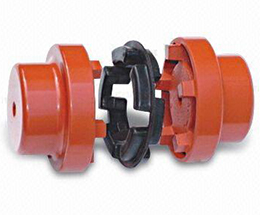
- Hai trục được nối với các khớp nối ở hai bên, với một vòng đệm đàn hồi được đặt giữa chúng.
- Khi momen xoắn được tác dụng lên một trục, nó sẽ làm cho bộ phận hình nhện bị nén và biến dạng nhẹ, truyền momen xoắn đó sang trục còn lại.
- Trong trường hợp trục không thẳng hàng, bộ phận giảm chấn bằng chất đàn hồi sẽ uốn cong và bù lại sự lệch trục, đảm bảo truyền mô-men xoắn trơn tru mà không gây tải trọng quá mức lên trục hoặc thiết bị được kết nối.
- Bộ phận giảm chấn bằng chất đàn hồi cũng đóng vai trò như một phần tử giảm xóc, hấp thụ các rung động và va chạm trong quá trình hoạt động, giúp giảm hao mòn thiết bị và tăng cường độ ổn định của hệ thống.
Nhìn chung, tính linh hoạt và khả năng bù sai lệch là những đặc điểm chính giúp khớp nối mềm hoạt động hiệu quả. Việc lựa chọn loại khớp nối mềm cụ thể phụ thuộc vào yêu cầu của ứng dụng, chẳng hạn như khả năng chịu momen xoắn, khả năng bù sai lệch và điều kiện môi trường.


editor by CX 2023-10-08