Descripción del Producto
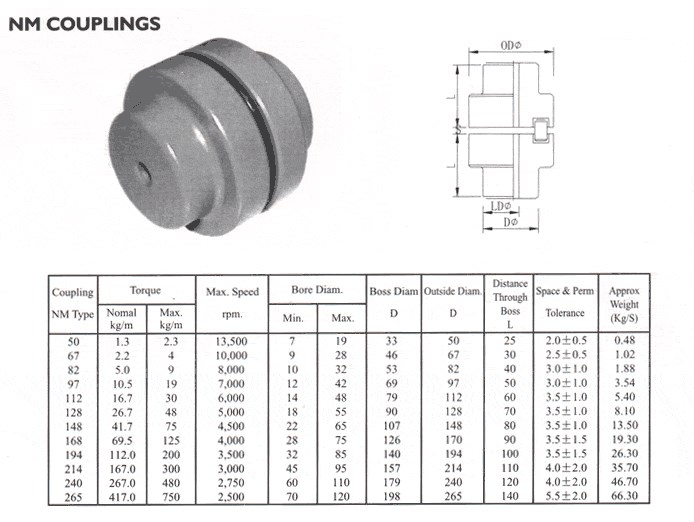
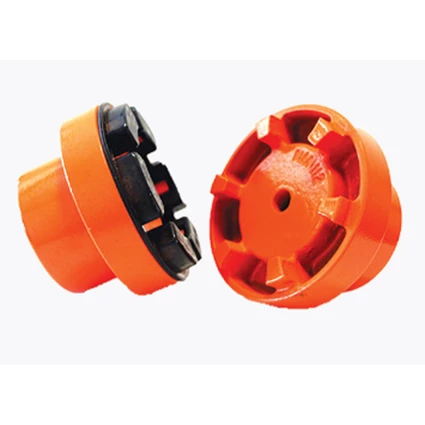
| Nombre del producto | acoplamiento de nm |
| Material | hierro fundido |
| Tipo | nm 50-214 |
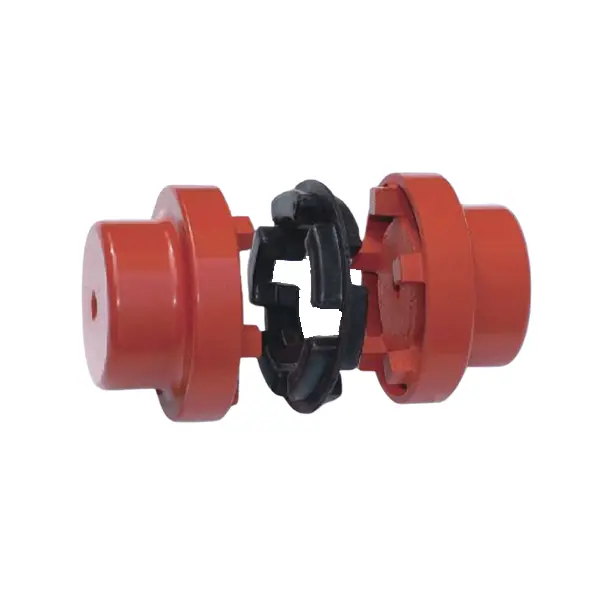
| Estructura | 2 ejes (1 / 1a / 1b) + araña |
| Tamaño del orificio | 7-952 mm |
| Peso | Aproximadamente 0,48-35,7 kg / unidad |
| embalaje | bolsa de plástico + caja de papel + caja de madera + palé de madera |
Acoplamiento/Acoplamientos flexibles
1. Acoplamiento de resorte metálico de una pieza
2. Cero reacciones negativas
3. Absorción de la desalineación paralela y angular, así como del juego axial del eje, mediante la acción del resorte.
4. Características de rotación idénticas en sentido horario y antihorario.
5. Tipo tornillo de fijación o tipo abrazadera.
6. Material: Aleación de aluminio, acero inoxidable u otros materiales según la solicitud del cliente.
7. Anticorrosivo, ampliamente utilizado en ciencias médicas y química.
8. Alta flexibilidad
9. Para servomotor paso a paso
¿Para qué aplicaciones se utiliza el acoplamiento?
Los acoplamientos se utilizan en la tecnología de servoaccionamiento, máquinas herramienta, maquinaria de embalaje, sistemas de automatización, imprentas, robots industriales, tecnología de control y posicionamiento, e ingeniería mecánica en general.
PRODUCTOS PRINCIPALES:
1) Polea de la correa de distribución (polea síncrona), barra de distribución, placa de sujeción;
2) Pieza forjada, fundida o estampada;
3) Polea de correa trapezoidal y casquillo de bloqueo cónico; piñón, rueda tensora y rueda de plato; engranaje recto, engranaje cónico, cremallera;
4) Dispositivo de bloqueo del eje: podría ser una alternativa para Ringfeder, Sati, Chiaravalli, Tollok, etc.;
5) Acoplamiento de eje: incluyendo acoplamientos en miniatura, acoplamiento de dientes curvos, acoplamiento de cadena, acoplamiento HRC, acoplamiento Normex, acoplamiento tipo, acoplamiento GE, limitador de par, junta universal;
6) Collares de eje: incluyendo los de tipo tornillo de fijación, de división simple y de división doble;
7) Correa de distribución: incluyendo correas de distribución de caucho y poliuretano para uso industrial;
8) Otras piezas mecanizadas a medida según planos (OEM).
| Estándar o no estándar: | Estándar |
|---|---|
| Agujero del eje: | 8-24 |
| Estructura: | Flexible |
| Material: | Hierro fundido |
| Tipo: | Rigid Coupling |
| Weight: | Depends on Specifications |
| Muestras: |
US$ 10/pieza
1 unidad (pedido mínimo) | |
|---|
| Personalización: |
Disponible
| Solicitud personalizada |
|---|
¿Existen consideraciones de seguridad al utilizar acoplamientos flexibles en maquinaria rotativa?
Sí, existen varias consideraciones de seguridad que deben tenerse en cuenta al usar acoplamientos flexibles en maquinaria rotativa. Si bien los acoplamientos flexibles ofrecen numerosos beneficios en términos de compensación de desalineación, aislamiento de vibraciones y absorción de impactos, un uso o mantenimiento inadecuado puede generar riesgos para la seguridad. A continuación, se presentan algunas consideraciones de seguridad importantes:
- Instalación correcta: Asegúrese de que el acoplamiento flexible esté instalado de forma correcta y segura, siguiendo las instrucciones del fabricante. Una instalación incorrecta puede provocar fallos en el acoplamiento, desconexiones inesperadas o la expulsión de sus componentes, lo que podría ocasionar daños en el equipo o lesiones al personal.
- Alineación: La correcta alineación de los ejes es esencial para el funcionamiento fiable y seguro de los acoplamientos flexibles. Los ejes desalineados pueden provocar una tensión excesiva en el acoplamiento y los componentes conectados, lo que conlleva un desgaste prematuro y posibles fallos. Compruebe y mantenga periódicamente la correcta alineación de los ejes para prevenir riesgos de seguridad.
- Condiciones de funcionamiento: Al seleccionar un acoplamiento flexible, tenga en cuenta las condiciones ambientales y de funcionamiento de la maquinaria. Algunos acoplamientos están diseñados para rangos de temperatura específicos, entornos peligrosos o atmósferas corrosivas. El uso de un acoplamiento inadecuado para las condiciones de funcionamiento puede comprometer la seguridad y el rendimiento.
- Límites de par y velocidad: Utilice siempre el acoplamiento flexible dentro de los límites de par y velocidad especificados. Superar estos límites puede provocar fallos en el acoplamiento, lo que ocasionaría paradas inesperadas, daños en el equipo y posibles riesgos para la seguridad.
- Mantenimiento: Inspeccione y mantenga periódicamente el acoplamiento flexible para garantizar su funcionamiento seguro y continuo. Compruebe si presenta signos de desgaste, daños o corrosión, y sustituya de inmediato cualquier componente desgastado o dañado por repuestos originales del fabricante.
- Mecanismo de parada de emergencia: En aplicaciones donde la seguridad es fundamental, considere la posibilidad de implementar un mecanismo de parada de emergencia para detener rápidamente el funcionamiento de la maquinaria en caso de fallo del acoplamiento u otras emergencias.
- Equipo de protección individual (EPI): Al trabajar con maquinaria rotativa o durante tareas de mantenimiento que involucren acoplamientos, el personal debe usar el equipo de protección personal (EPP) adecuado, como guantes, protección ocular y ropa que pueda resistir los riesgos de atrapamiento.
- Formación y sensibilización: Asegúrese de que el personal que trabaja con la maquinaria comprenda los peligros potenciales asociados con los acoplamientos flexibles y reciba la capacitación adecuada sobre los procedimientos seguros de manipulación, instalación y mantenimiento.
Al respetar estas medidas de seguridad, los operarios y el personal de mantenimiento pueden mitigar los riesgos potenciales y garantizar el funcionamiento seguro y fiable de la maquinaria rotativa con acoplamientos flexibles. Además, es fundamental cumplir con las normas y reglamentos de seguridad pertinentes, específicos del sector y la aplicación, para garantizar un entorno de trabajo seguro.
¿Se pueden utilizar acoplamientos flexibles en aplicaciones con temperaturas de funcionamiento variables?
Sí, los acoplamientos flexibles pueden utilizarse en aplicaciones con temperaturas de funcionamiento variables. La idoneidad de un acoplamiento flexible para un rango de temperatura específico depende de su diseño y de los materiales empleados en su fabricación. Existen diferentes tipos de acoplamientos flexibles para soportar una amplia gama de temperaturas, lo que los hace versátiles para su uso en diversas industrias y entornos.
Aplicaciones de alta temperatura:
Para aplicaciones con altas temperaturas de funcionamiento, como las que se encuentran en ciertos procesos industriales, sistemas de escape o maquinaria de alta temperatura, se utilizan acoplamientos flexibles fabricados con materiales de excelente resistencia al calor. Estos materiales pueden incluir aleaciones de acero inoxidable, aceros tratados térmicamente o elastómeros especializados de alta temperatura. Los acoplamientos flexibles de alta temperatura están diseñados para mantener sus propiedades mecánicas, incluyendo la flexibilidad y la capacidad de transmisión de par, incluso a temperaturas elevadas.
Aplicaciones a bajas temperaturas:
Por el contrario, para aplicaciones en entornos extremadamente fríos o procesos criogénicos, se emplean acoplamientos flexibles fabricados con materiales resistentes a bajas temperaturas. Estos acoplamientos están diseñados para mantener su flexibilidad y funcionalidad a temperaturas muy bajas sin volverse quebradizos ni perder su capacidad para compensar la desalineación. Algunos acoplamientos para bajas temperaturas pueden utilizar polímeros o elastómeros especiales con un excelente rendimiento a bajas temperaturas.
Consideraciones sobre el rango de temperatura:
Al seleccionar un acoplamiento flexible para aplicaciones con temperaturas de funcionamiento variables, es fundamental considerar el rango de temperatura específico en el que operará. Algunos acoplamientos flexibles tienen un rango de temperatura más amplio, lo que les permite funcionar eficazmente tanto en entornos de alta como de baja temperatura. Sin embargo, en condiciones de temperatura extremas, pueden ser necesarios acoplamientos especializados para garantizar un rendimiento fiable y evitar fallos prematuros.
Directrices del fabricante:
Los fabricantes de acoplamientos flexibles proporcionan directrices y especificaciones sobre el rango de temperatura de sus productos. Es fundamental consultar la documentación del fabricante para asegurarse de que el acoplamiento elegido sea adecuado para la temperatura de funcionamiento prevista de la aplicación. Utilizar un acoplamiento fuera de su rango de temperatura recomendado puede provocar problemas de rendimiento, una menor eficiencia o incluso fallos.
Aplicaciones:
Los acoplamientos flexibles con resistencia a la temperatura variable se utilizan en numerosas industrias, como la aeroespacial, la automotriz, la manufacturera, la de generación de energía y muchas más. Ya sea en sistemas de escape de alta temperatura, procesos criogénicos de baja temperatura o aplicaciones industriales habituales con fluctuaciones de temperatura, los acoplamientos flexibles desempeñan un papel fundamental al proporcionar una transmisión de potencia fiable y una compensación de desalineación.
En resumen, los acoplamientos flexibles pueden utilizarse eficazmente en aplicaciones con temperaturas de funcionamiento variables, siempre que el diseño y las propiedades del material del acoplamiento se ajusten a los requisitos de temperatura específicos de la aplicación.
¿Qué es un acoplamiento flexible y cómo funciona?
Un acoplamiento flexible es un dispositivo mecánico que conecta dos ejes, permitiendo el movimiento relativo entre ellos. Está diseñado para transmitir el par de torsión de un eje a otro, compensando la desalineación, la vibración y los impactos. Los acoplamientos flexibles son componentes esenciales en diversas máquinas y sistemas rotativos, ya que protegen los equipos conectados y mejoran su rendimiento general.
Tipos de acoplamientos flexibles:
Existen varios tipos de acoplamientos flexibles, cada uno con su diseño y características únicas. Algunos tipos comunes incluyen:
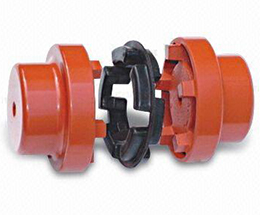
- Acoplamientos de mandíbula: Los acoplamientos de mandíbula cuentan con arañas de elastómero que se ajustan entre dos cubos. Pueden compensar la desalineación angular y paralela a la vez que amortiguan las vibraciones.
- Acoplamientos de disco: Los acoplamientos de disco utilizan discos metálicos delgados para conectar los ejes. Son muy flexibles y proporcionan una excelente compensación de la desalineación.
- Acoplamientos de engranajes: Los acoplamientos de engranajes utilizan los dientes de los engranajes para transmitir el par motor. Ofrecen una alta capacidad de par y pueden soportar desalineaciones moderadas.
- Acoplamientos de vigas: Los acoplamientos de viga utilizan una sola pieza de material flexible, como una viga metálica, para transmitir el par motor a la vez que compensan la desalineación.
- Acoplamientos de fuelle: Los acoplamientos de fuelle utilizan una estructura similar a un fuelle para permitir la compensación de la desalineación axial, angular y paralela.
- Acoplamientos Oldham: Los acoplamientos Oldham utilizan tres discos, el central de los cuales tiene una ranura perpendicular para compensar la desalineación.
Cómo funciona un acoplamiento flexible:
El funcionamiento de un acoplamiento flexible depende de su diseño específico, pero los principios generales son similares. Tomemos como ejemplo un acoplamiento de mandíbula para explicar cómo funciona un acoplamiento flexible:
- Dos ejes están conectados a los cubos de acoplamiento a cada lado, con una araña de elastómero colocada entre ellos.
- Cuando se aplica un par motor a un eje, la araña se comprime y se deforma ligeramente, transmitiendo el par al otro eje.
- En caso de desalineación entre los ejes, la araña de elastómero se flexiona y compensa dicha desalineación, garantizando una transmisión de par suave sin imponer cargas excesivas sobre los ejes o los equipos conectados.
- La araña de elastómero también actúa como elemento amortiguador, absorbiendo vibraciones e impactos durante el funcionamiento, lo que reduce el desgaste del equipo y mejora la estabilidad del sistema.
En general, la flexibilidad y la capacidad de compensar la desalineación son las características clave que permiten que un acoplamiento flexible funcione eficazmente. La elección de un tipo específico de acoplamiento flexible depende de los requisitos de la aplicación, como la capacidad de torsión, la compensación de la desalineación y las condiciones ambientales.


Editor por CX 2023-10-08