คำอธิบายผลิตภัณฑ์
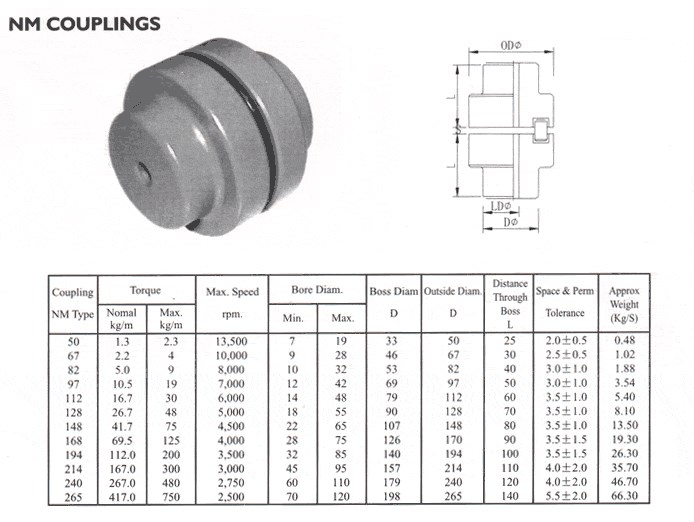
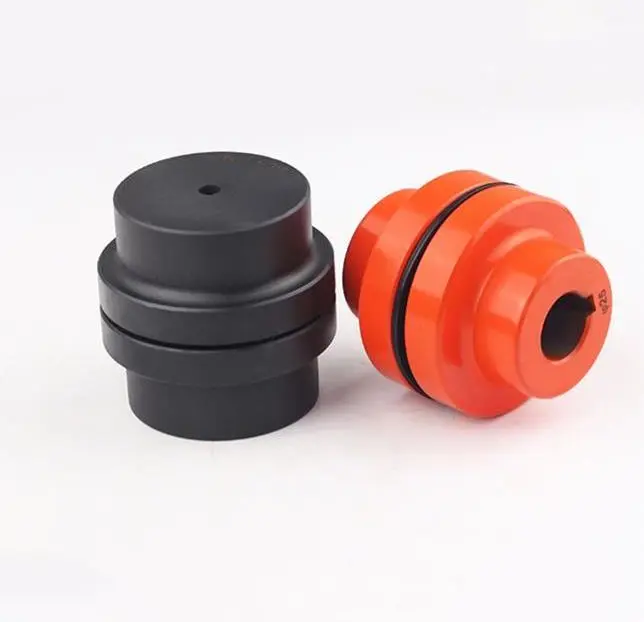
โซ่ไฮดรอลิกแบบยืดหยุ่น ข้อต่อแบบก้ามปู เฟืองหน้าแปลน ตัวยึดแบบแข็ง HRC Mh Nm แคลมป์สไปลน์ Fenaflex Oldham แบบอเนกประสงค์ ตะแกรงยาง มอเตอร์เซอร์โวไฮดรอลิก ข้อต่อเพลา
คุณสมบัติ
วัสดุ: เหล็กหล่อ GG25, GG20 เหล็กกล้า: C45
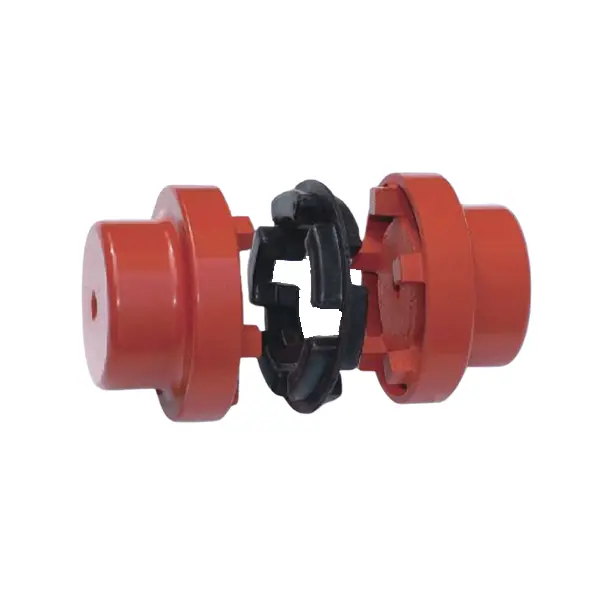
ชิ้นส่วน: ข้อต่อ 2 ชิ้น และตัวครอบล้อ 1 ชิ้น
ขนาดตั้งแต่ F40-F250 และประเภท: “B”, “F”, “H”
อุณหภูมิใช้งาน: -20 ถึง 80 องศาเซลเซียส
แรงบิดในการส่งกำลัง: 10-20000 นิวตันเมตร
การเยื้องแนวแกน: D*2%
การเบี่ยงเบนเชิงรัศมี: D*1%
การเบี่ยงเบนเชิงมุม: 3°-6°
การใช้งาน: ข้อต่อยางมักใช้ในสภาพการทำงานที่เปียกชื้น มีฝุ่นละออง อยู่ภายใต้แรงดูด มีการสั่นสะเทือน มีการหมุน และสภาพการทำงานที่ซับซ้อน เช่น ปั๊มดีเซล
การติดตั้ง: ถอดง่าย ติดตั้งง่าย
การบำรุงรักษา: ไม่จำเป็นต้องใช้สารหล่อลื่น และมีความทนทาน
คำอธิบายผลิตภัณฑ์
| ขนาด | พิมพ์ | บุชหมายเลข 1 | แม็กซ์บอร์ | ประเภท F&H | ประเภท H | เสิร์ฟพร้อม สำคัญ |
เอ | ซี | ดี | เอฟ | เอ็ม | |||
| มม. | นิ้ว | แอล | อี | แอล | อี | |||||||||
| เอฟ40 | บี | – | 32 | – | – | – | 33 | 22 | เอ็ม5 | 104 | 82 | – | – | 11 |
| เอฟ40 | เอฟ | 1008 | 25 | 1″ | 33 | 22 | – | – | – | 104 | 82 | – | – | 11 |
| เอฟ40 | ชม | 1008 | 25 | 1″ | 33 | 22 | – | – | – | 104 | 82 | – | – | 11 |
| เอฟ50 | บี | – | 38 | – | – | – | 43 | 32 | เอ็ม5 | 133 | 100 | 79 | – | 12.5 |
| เอฟ50 | เอฟ | 1210 | 32 | 1 1/4″ | 38 | 25 | – | – | – | 133 | 100 | 79 | – | 12.5 |
| เอฟ50 | ชม | 1210 | 32 | 1 1/4″ | 38 | 25 | – | – | – | 133 | 100 | 79 | – | 12.5 |
| เอฟ80 | บี | – | 45 | – | – | – | 55 | 33 | เอ็ม6 | 165 | 125 | 70 | – | 16.5 |
| เอฟ80 | เอฟ | 1610 | 42 | 1 5/8″ | 42 | 25 | – | – | – | 165 | 125 | 103 | – | 16.5 |
| เอฟ60 | ชม | 1610 | 42 | 1 5/8″ | 42 | 25 | – | – | – | 165 | 125 | 103 | – | 16.6 |
| เอฟ70 | บี | – | 50 | – | – | – | 47 | 35 | เอ็ม8 | 187 | 142 | 80 | 60 | 11.5 |
| เอฟ70 | เอฟ | 2012 | 50 | 2″ | 44 | 32 | – | – | – | 187 | 142 | 80 | 50 | 11.5 |
| เอฟ70 | ชม | 1810 | 42 | 1 5/8″ | 42 | 25 | – | – | – | 187 | 142 | 80 | 50 | 11.5 |
| เอฟ80 | บี | – | 60 | – | – | – | 55 | 42 | เอ็ม8 | 211 | 165 | 98 | 54 | 12.5 |
| เอฟ80 | เอฟ | 2517 | 80 | 2 1/2″ | 58 | 45 | – | – | – | 211 | 165 | 98 | 54 | 12.5 |
| เอฟ80 | ชม | 2012 | 50 | 2″ | 45 | 32 | – | – | – | 211 | 165 | 98 | 54 | 12.5 |
| เอฟ90 | ชม | – | 70 | – | – | – | 63.5 | 49 | เอ็ม10 | 235 | 188 | 108 | 62 | 13.5 |
| เอฟ90 | เอฟ | 2517 | 60 | 2 1/2″ | 58.5 | 45 | – | – | – | 235 | 188 | 108 | 62 | 13.5 |
| เอฟ90 | ชม | 2517 | 60 | 2 1/2″ | 58.5 | 45 | – | – | – | 235 | 188 | 108 | 62 | 13.5 |
| เอฟ100 | ชม | – | 80 | – | – | – | 63.5 | 49 | เอ็ม10 | 235 | 188 | 120 | 62 | 13.5 |
| เอฟ100 | เอฟ | 3571 | 75 | 3″ | 64.5 | 51 | – | – | – | 235 | 188 | 125 | 62 | 13.5 |
| เอฟ100 | ชม | 2517 | 60 | 2 1/2″ | 58.5 | 45 | – | – | – | 235 | 188 | 113 | 62 | 13.5 |
| เอฟ110 | บี | – | 90 | – | – | – | 75.5 | 63 | เอ็ม12 | 279 | 233 | 128 | 62 | 12.5 |
| เอฟ110 | เอฟ | 3571 | 75 | 3″ | 63.5 | 51 | – | – | – | 279 | 233 | 134 | 62 | 12.5 |
| เอฟ110 | ชม | 3571 | 75 | 3″ | 63.5 | 51 | – | – | – | 279 | 233 | 134 | 62 | 12.5 |
| เอฟ120 | บี | – | 100 | – | – | – | 84.5 | 70 | เอ็ม12 | 314 | 264 | 140 | 67 | 14.5 |
| เอฟ120 | เอฟ | 3525 | 100 | 4″ | 79.5 | 65 | – | – | – | 314 | 264 | 144 | 67 | 14.5 |
| เอฟ120 | ชม | 3571 | 75 | 4″ | 85.5 | 51 | – | – | – | 314 | 264 | 144 | 67 | 14.5 |
| เอฟ140 | บี | – | 130 | – | – | – | 110.5 | 4 | เอ็ม16 | 359 | 311 | 178 | 73 | 16 |
| เอฟ140 | เอฟ | 3525 | 100 | 4″ | 81.5 | 65 | – | – | – | 359 | 311 | 178 | 73 | 16 |
| เอฟ140 | ชม | 3525 | 100 | 4″ | 81.5 | 65 | – | – | – | 359 | 311 | 178 | 73 | 18 |
| เอฟ160 | บี | – | 140 | – | – | – | 117 | 102 | เอ็ม20 | 402 | 345 | 187 | 78 | 16 |
| เอฟ160 | เอฟ | 4030 | 115 | 4 1/2″ | 92 | 77 | – | – | – | 402 | 345 | 197 | 78 | 16 |
| เอฟ160 | ชม | 4030 | 115 | 4 1/2″ | 92 | 77 | – | – | – | 402 | 345 | 197 | 78 | 16 |
| เอฟ180 | บี | – | 150 | – | – | – | 137 | 114 | เอ็ม16 | 470 | 394 | 205 | 94 | 23 |
| เอฟ180 | เอฟ | 4536 | 125 | 5″ | 112 | 89 | – | – | – | 470 | 394 | 205 | 94 | 23 |
| เอฟ180 | ชม | 4535 | 125 | 5″ | 112 | 89 | – | – | – | 470 | 394 | 205 | 94 | 23 |
| เอฟ200 | บี | – | 150 | – | – | – | 138 | 114 | เอ็ม20 | 508 | 429 | 205 | 103 | 24 |
| เอฟ200 | เอฟ | 4535 | 125 | 5″ | 113 | 89 | – | – | – | 508 | 429 | 205 | 103 | 24 |
| เอฟ200 | ชม | 4535 | 125 | 5″ | 113 | 89 | – | – | 508 | 429 | 205 | 103 | 24 | |
| เอฟ220 | บี | – | 160 | – | – | – | 154.5 | 127 | เอ็ม20 | 562 | 474 | 223 | 118 | 27.5 |
| เอฟ220 | เอฟ | 5571 | 125 | 5″ | 129.5 | 102 | – | – | – | 562 | 474 | 223 | 118 | 27.5 |
| เอฟ220 | ชม | 5571 | 125 | 5″ | 129.5 | 102 | – | – | – | 562 | 474 | 223 | 118 | 27.5 |
| เอฟ250 | ชม | – | 190 | – | – | 161.5 | 132 | เอ็ม20 | 628 | 522 | 254 | 125 | 29.5 | |
ผลิตภัณฑ์ที่เกี่ยวข้อง
ข้อมูลบริษัท
คำถามที่พบบ่อย
ถาม: จะจัดส่งสินค้ามาให้เราได้อย่างไร?
A: สามารถขนส่งได้ทางอากาศ ทางทะเล หรือทางรถไฟ
ถาม: จะชำระเงินอย่างไร?
A: การโอนเงินผ่านธนาคาร (T/T) และเลตเตอร์ออฟเครดิต (L/C) เป็นวิธีที่นิยมใช้ โดยรองรับสกุลเงินต่างๆ เช่น ดอลลาร์สหรัฐ ยูโร หยวน เป็นต้น
ถาม: ฉันจะรู้ได้อย่างไรว่าผลิตภัณฑ์นี้เหมาะกับฉัน?
A: >ขั้นตอนที่ 1 ยืนยันแบบและข้อกำหนด >ขั้นตอนที่ 2 ทดสอบตัวอย่าง >ขั้นตอนที่ 3 เริ่มการผลิตจำนวนมาก
ถาม: ฉันสามารถไปเยี่ยมชมบริษัทของคุณได้หรือไม่?
A: ได้ค่ะ คุณยินดีต้อนรับมาเยี่ยมเราได้ทุกเมื่อค่ะ
|
ค่าจัดส่ง:
ค่าขนส่งโดยประมาณต่อหน่วย |
อยู่ระหว่างการเจรจา |
|---|
| มาตรฐานหรือไม่มาตรฐาน: | มาตรฐาน |
|---|---|
| รูเพลา: | 25-190 |
| แรงบิด: | 10-30 นิวตันเมตร |
| ตัวอย่าง: |
US$ 5 ชิ้น/ชิ้น
1 ชิ้น (สั่งขั้นต่ำ) | สั่งซื้อตัวอย่าง |
|---|
| การปรับแต่ง: |
มีอยู่
| คำขอที่กำหนดเอง |
|---|
ข้อต่อแบบยืดหยุ่นสามารถรองรับแรงบิดสูงและความเร็วสูงได้หรือไม่?
ใช่แล้ว ข้อต่อแบบยืดหยุ่นสามารถรองรับทั้งแรงบิดสูงและความเร็วสูงได้ แต่ความเหมาะสมนั้นขึ้นอยู่กับการออกแบบและวัสดุของข้อต่อแบบยืดหยุ่นนั้นๆ ข้อต่อแบบยืดหยุ่นแต่ละประเภทมีความสามารถในการรับแรงบิดและความเร็วที่แตกต่างกัน และการเลือกประเภทของข้อต่อที่เหมาะสมตามความต้องการใช้งานนั้นเป็นสิ่งสำคัญ
การใช้งานที่ต้องการแรงบิดสูง:
ข้อต่อแบบยืดหยุ่นบางชนิด เช่น ข้อต่อเฟืองและข้อต่อจาน ถูกออกแบบมาเพื่อรองรับแรงบิดสูง ข้อต่อเฟืองประกอบด้วยดุมที่มีฟันซึ่งขบกัน ทำให้เกิดการส่งแรงบิดที่แข็งแรงและมีประสิทธิภาพ มักใช้ในงานอุตสาหกรรมหนัก เช่น โรงงานเหล็ก อุปกรณ์เหมืองแร่ และโรงไฟฟ้า ซึ่งมีแรงบิดสูงเกิดขึ้นบ่อยครั้ง
ข้อต่อแบบจานยังเหมาะสำหรับงานที่ต้องการแรงบิดสูงอีกด้วย โดยใช้แผ่นโลหะยืดหยุ่นหลายแผ่นที่สามารถรับแรงบิดได้มากพร้อมทั้งชดเชยการเยื้องศูนย์ ข้อต่อแบบจานมักใช้ในเครื่องจักรความเร็วสูงและงานที่สำคัญซึ่งการส่งแรงบิดที่แม่นยำเป็นสิ่งจำเป็น
แอปพลิเคชันความเร็วสูง:
ข้อต่อแบบยืดหยุ่นยังสามารถใช้ในงานที่มีความเร็วสูงได้อีกด้วย ตัวอย่างเช่น ข้อต่อแบบจาน ข้อต่อแบบยางยืด และข้อต่อแบบตะแกรงบางชนิด สามารถรองรับความเร็วในการหมุนสูงได้ ข้อต่อเหล่านี้มีแรงเฉื่อยต่ำ ซึ่งหมายความว่าสามารถตอบสนองต่อการเปลี่ยนแปลงความเร็วได้อย่างรวดเร็ว และส่งกำลังได้อย่างมีประสิทธิภาพที่ความเร็วรอบสูง
ข้อต่อยางยืด เช่น ข้อต่อแบบก้ามปูและข้อต่อแบบยาง มักใช้ในงานอุตสาหกรรมต่างๆ รวมถึงปั๊ม คอมเพรสเซอร์ และพัดลม ซึ่งต้องการแรงบิดและความเร็วสูง ข้อต่อเหล่านี้มีความยืดหยุ่นและคุณสมบัติการลดแรงสั่นสะเทือนที่ดี ทำให้เหมาะสำหรับงานที่มีการเปลี่ยนแปลงความเร็วและแรงสั่นสะเทือนสูง
ข้อควรพิจารณา:
ในการเลือกข้อต่อแบบยืดหยุ่นสำหรับงานที่ต้องการแรงบิดสูงและความเร็วสูง ควรพิจารณาปัจจัยหลายประการ:
- ควรตรวจสอบค่าแรงบิดและความเร็วที่ผู้ผลิตข้อต่อระบุไว้ เพื่อให้แน่ใจว่าตรงตามหรือเกินกว่าข้อกำหนดของงานนั้นๆ
- การออกแบบและวัสดุของข้อต่อควรเหมาะสมกับสภาวะการใช้งานเฉพาะ รวมถึงอุณหภูมิ สภาพแวดล้อม และการสัมผัสกับสารกัดกร่อนที่อาจเกิดขึ้นได้
- การจัดวางและการติดตั้งข้อต่ออย่างถูกต้องนั้นมีความสำคัญอย่างยิ่งต่อการรับประกันประสิทธิภาพสูงสุดและป้องกันการสึกหรอก่อนกำหนด
- ในบางกรณี อาจจำเป็นต้องใช้อุปกรณ์เสริมเพิ่มเติม เช่น ตัวจำกัดแรงบิดหรือตัวลดความเร็ว เพื่อป้องกันข้อต่อและอุปกรณ์ที่เชื่อมต่อจากการรับน้ำหนักมากเกินไปหรือความผันผวนของความเร็ว
โดยสรุปแล้ว ข้อต่อแบบยืดหยุ่นสามารถรองรับแรงบิดสูงและความเร็วสูงได้จริง แต่การเลือกประเภทข้อต่อที่เหมาะสมและการใช้งานที่ถูกต้องเป็นสิ่งสำคัญเพื่อให้มั่นใจได้ถึงประสิทธิภาพที่เชื่อถือได้และมีประสิทธิผลในสภาวะที่ต้องการความแม่นยำสูงเหล่านี้
ข้อต่อแบบยืดหยุ่นสามารถนำไปใช้ในงานที่มีอุณหภูมิการทำงานเปลี่ยนแปลงได้หรือไม่?
ใช่แล้ว ข้อต่อแบบยืดหยุ่นสามารถใช้ในงานที่มีอุณหภูมิการทำงานแตกต่างกันได้ ความเหมาะสมของข้อต่อแบบยืดหยุ่นสำหรับช่วงอุณหภูมิเฉพาะนั้นขึ้นอยู่กับการออกแบบและวัสดุที่ใช้ในการผลิต ข้อต่อแบบยืดหยุ่นมีหลายประเภทให้เลือกใช้เพื่อรองรับสภาวะอุณหภูมิที่หลากหลาย ทำให้สามารถใช้งานได้อย่างอเนกประสงค์ในอุตสาหกรรมและสภาพแวดล้อมต่างๆ
การใช้งานในอุณหภูมิสูง:
สำหรับงานที่มีอุณหภูมิการทำงานสูง เช่น ในกระบวนการทางอุตสาหกรรมบางประเภท ระบบไอเสีย หรือเครื่องจักรที่ทำงานที่อุณหภูมิสูง จะใช้ข้อต่อแบบยืดหยุ่นที่ทำจากวัสดุที่มีความทนทานต่อความร้อนสูง วัสดุเหล่านี้อาจรวมถึงโลหะผสมสแตนเลส เหล็กอบชุบ หรืออีลาสโตเมอร์ชนิดพิเศษสำหรับอุณหภูมิสูง ข้อต่อแบบยืดหยุ่นสำหรับอุณหภูมิสูงได้รับการออกแบบมาเพื่อรักษาคุณสมบัติทางกล รวมถึงความยืดหยุ่นและความสามารถในการส่งแรงบิด แม้ในอุณหภูมิสูง
การใช้งานในอุณหภูมิต่ำ:
ในทางกลับกัน สำหรับการใช้งานในสภาพแวดล้อมที่หนาวจัดหรือกระบวนการแช่แข็ง จะใช้ข้อต่อแบบยืดหยุ่นที่ทำจากวัสดุที่มีความทนทานต่ออุณหภูมิต่ำ ข้อต่อเหล่านี้ได้รับการออกแบบมาให้ยังคงความยืดหยุ่นและใช้งานได้ที่อุณหภูมิต่ำมากโดยไม่เปราะหรือสูญเสียความสามารถในการรับมือกับการเบี่ยงเบน ข้อต่อสำหรับอุณหภูมิต่ำบางชนิดอาจใช้โพลิเมอร์หรืออีลาสโตเมอร์ชนิดพิเศษที่มีประสิทธิภาพดีเยี่ยมในอุณหภูมิต่ำ
ข้อควรพิจารณาเกี่ยวกับช่วงอุณหภูมิ:
ในการเลือกข้อต่อแบบยืดหยุ่นสำหรับงานที่มีอุณหภูมิการทำงานแตกต่างกัน จำเป็นอย่างยิ่งที่จะต้องพิจารณาช่วงอุณหภูมิเฉพาะที่ข้อต่อจะทำงาน ข้อต่อแบบยืดหยุ่นบางชนิดมีช่วงอุณหภูมิที่กว้างกว่า ทำให้สามารถทำงานได้อย่างมีประสิทธิภาพทั้งในสภาพแวดล้อมที่มีอุณหภูมิสูงและต่ำ อย่างไรก็ตาม ในสภาวะอุณหภูมิที่รุนแรง อาจจำเป็นต้องใช้ข้อต่อแบบพิเศษเพื่อให้มั่นใจได้ถึงประสิทธิภาพที่เชื่อถือได้และป้องกันการชำรุดก่อนกำหนด
คำแนะนำจากผู้ผลิต:
ผู้ผลิตข้อต่อแบบยืดหยุ่นได้จะให้คำแนะนำและข้อกำหนดเกี่ยวกับช่วงอุณหภูมิการใช้งานของผลิตภัณฑ์ จึงเป็นสิ่งสำคัญอย่างยิ่งที่จะต้องศึกษาเอกสารของผู้ผลิตเพื่อให้แน่ใจว่าข้อต่อที่เลือกนั้นเหมาะสมกับอุณหภูมิการใช้งานที่ต้องการ การใช้งานข้อต่อเกินช่วงอุณหภูมิที่แนะนำอาจทำให้เกิดปัญหาด้านประสิทธิภาพ ประสิทธิภาพลดลง หรือแม้กระทั่งความเสียหายได้
การใช้งาน:
ข้อต่อแบบยืดหยุ่นที่มีความทนทานต่ออุณหภูมิแตกต่างกันถูกนำไปใช้ในอุตสาหกรรมต่างๆ มากมาย รวมถึงอุตสาหกรรมการบินและอวกาศ ยานยนต์ การผลิต การผลิตไฟฟ้า และอื่นๆ ไม่ว่าจะเป็นในระบบไอเสียอุณหภูมิสูง กระบวนการแช่แข็งที่อุณหภูมิต่ำ หรือการใช้งานในอุตสาหกรรมทั่วไปที่มีอุณหภูมิผันผวน ข้อต่อแบบยืดหยุ่นมีบทบาทสำคัญในการส่งกำลังที่เชื่อถือได้และการชดเชยการเยื้องศูนย์
โดยสรุปแล้ว ข้อต่อแบบยืดหยุ่นสามารถใช้งานได้อย่างมีประสิทธิภาพในงานที่มีอุณหภูมิการทำงานแปรผันได้ โดยมีเงื่อนไขว่าการออกแบบและคุณสมบัติของวัสดุของข้อต่อต้องสอดคล้องกับข้อกำหนดด้านอุณหภูมิเฉพาะของงานนั้นๆ
คุณจะเลือกข้อต่อแบบยืดหยุ่นที่เหมาะสมสำหรับงานเฉพาะเจาะจงได้อย่างไร?
การเลือกข้อต่อแบบยืดหยุ่นที่เหมาะสมสำหรับงานเฉพาะนั้น จำเป็นต้องพิจารณาปัจจัยต่างๆ อย่างรอบคอบ เพื่อให้มั่นใจได้ถึงประสิทธิภาพ ความน่าเชื่อถือ และอายุการใช้งานที่ยาวนาน ต่อไปนี้คือขั้นตอนสำคัญในการเลือกข้อต่อแบบยืดหยุ่นที่เหมาะสม:
- ข้อกำหนดในการสมัคร: ทำความเข้าใจข้อกำหนดเฉพาะของงาน รวมถึงข้อกำหนดด้านแรงบิดและความเร็ว สภาวะการเยื้องศูนย์ สภาพแวดล้อมในการทำงาน (เช่น อุณหภูมิ ความชื้น และการมีอยู่ของสารกัดกร่อน) และข้อจำกัดด้านพื้นที่
- ความสามารถในการรับแรงบิด: กำหนดแรงบิดสูงสุดที่ข้อต่อต้องส่งผ่าน เลือกข้อต่อแบบยืดหยุ่นที่มีพิกัดแรงบิดสูงกว่าข้อกำหนดของงาน เพื่อให้มั่นใจถึงความปลอดภัยและป้องกันการชำรุดก่อนกำหนด
- การชดเชยความคลาดเคลื่อน: พิจารณาประเภทและขนาดของการเยื้องศูนย์ที่ข้อต่อต้องรองรับ การออกแบบข้อต่อแต่ละแบบให้การชดเชยการเยื้องศูนย์ในระดับที่แตกต่างกัน เลือกข้อต่อที่สามารถรับมือกับการเยื้องศูนย์ที่คาดว่าจะเกิดขึ้นในระบบได้
- การลดแรงสั่นสะเทือน: หากการใช้งานเกี่ยวข้องกับการสั่นสะเทือนอย่างมาก ควรเลือกข้อต่อแบบยืดหยุ่นที่มีคุณสมบัติการลดแรงสั่นสะเทือนที่ดี เพื่อลดการส่งผ่านแรงสั่นสะเทือนไปยังอุปกรณ์ที่เชื่อมต่อ และเพิ่มเสถียรภาพของระบบ
- ปัจจัยด้านสิ่งแวดล้อม: ควรพิจารณาสภาพแวดล้อมในการใช้งานของข้อต่อ สำหรับสภาพแวดล้อมที่รุนแรง ควรพิจารณาข้อต่อที่ทำจากวัสดุที่ทนต่อการกัดกร่อน
- ความแข็งแกร่งต่อแรงบิด: ขึ้นอยู่กับข้อกำหนดของงาน ให้ตัดสินใจเลือกค่าความแข็งในการบิดที่ต้องการของข้อต่อ บางงานอาจต้องการความแข็งในการบิดสูงเพื่อการควบคุมการเคลื่อนที่ที่แม่นยำ ในขณะที่บางงานอาจได้รับประโยชน์จากข้อต่อที่มีความยืดหยุ่นมากกว่าเพื่อดูดซับแรงกระแทก
- ข้อควรพิจารณาด้านต้นทุนและวงจรชีวิต: ประเมินความคุ้มค่าโดยรวมของข้อต่อตลอดอายุการใช้งานที่คาดการณ์ไว้ พิจารณาปัจจัยต่างๆ เช่น ต้นทุนเริ่มต้น ความต้องการในการบำรุงรักษา และต้นทุนการหยุดทำงานที่อาจเกิดขึ้นจากการเปลี่ยนข้อต่อ
- คำแนะนำจากผู้ผลิต: ควรปรึกษาผู้ผลิตข้อต่อและข้อมูลจำเพาะทางเทคนิคของพวกเขา เพื่อให้แน่ใจว่าข้อต่อที่เลือกนั้นเหมาะสมกับการใช้งานที่ต้องการ
- การติดตั้งและการบำรุงรักษา: ตรวจสอบให้แน่ใจว่าข้อต่อแบบยืดหยุ่นที่เลือกนั้นเข้ากันได้กับอุปกรณ์และขนาดเพลา ปฏิบัติตามคำแนะนำในการติดตั้งและแนวทางการบำรุงรักษาที่ผู้ผลิตแนะนำ เพื่อเพิ่มประสิทธิภาพและอายุการใช้งานของข้อต่อให้สูงสุด
ด้วยการทำตามขั้นตอนเหล่านี้และประเมินความต้องการของแอปพลิเคชันอย่างรอบคอบ คุณจะสามารถเลือกข้อต่อแบบยืดหยุ่นที่เหมาะสมที่สุดสำหรับความต้องการเฉพาะของคุณได้ การเลือกข้อต่อที่ถูกต้องจะนำไปสู่ประสิทธิภาพของระบบที่ดีขึ้น ลดการสึกหรอของอุปกรณ์ และเพิ่มความน่าเชื่อถือโดยรวมในระบบกลไกและเครื่องจักรหมุนต่างๆ


แก้ไขโดย CX 2023-09-07