Produktbeskrivning
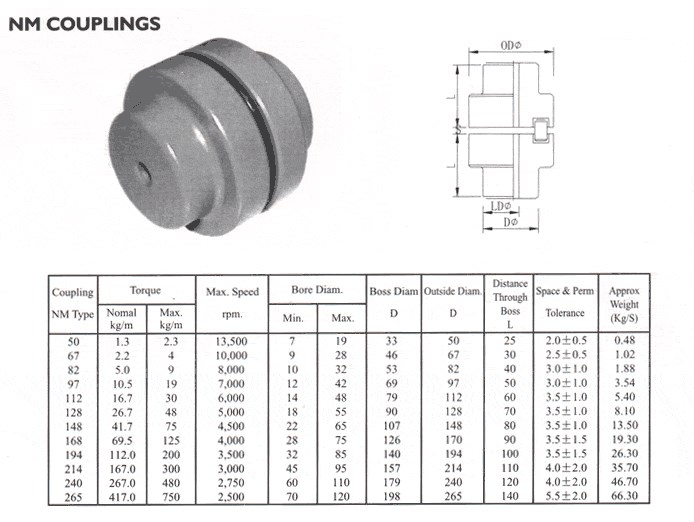
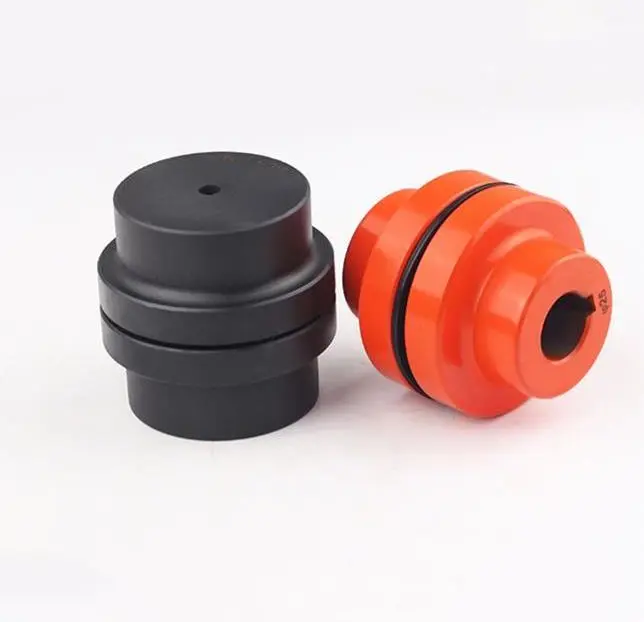
Flexibla NM-kopplingar
1. Material: 45# stål och NBR-gummi
2. Lätt att underhålla
3. Hög precision
4. OEM
Fördelar med flexibla NM-kopplingar:
1. Konstruktion:
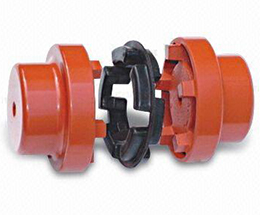
1) NM-typen är exakt producerad av ett specialdesignat syntetiskt gummi med två liknande gjutjärnskroppar
2) Utformad inte bara för kraftöverföring utan även för skydd av flexibelt gummi
3) Tillverkade av gummi och stålkärnor är införda i tänderna för att ge utmärkt hållbarhet och prestanda för kopplingen
2. Användningsområden:
Pumpar, fläktar, kompressorer, fordon, transportutrustning, konstruktörer, cementblandare, traktorer, transmissionsmaskiner,
Metallbearbetningsmaskiner, rullar och alla andra transmissioner
3. Funktioner:
1) Ekonomisk och praktisk användning
2) Tyst och smidig drift
3) Enkel installation och underhåll
4) Tillgänglig för maskiner med högt vridmoment och intermittent drift
5) Egenskaper hos syntetiskt gummi: Korrekt elasticitet och motståndskraft mot dämpning, olja, syror och alkalier
Vi kan även leverera kedjekopplingar, rullkedjekopplingar, styva kopplingar, flexibla kopplingar, fcl-koppling, flexibel gummikoppling fcl, flexibel fcl-koppling, smidd stålkoppling fcl, flexibel koppling fcl, fcl flexibel axelkoppling, käftkoppling, hrc-koppling, chinamfg-koppling, gjutstålskoppling, aluminiumkoppling, rostfri koppling, stiftkoppling, mh-koppling, nm-koppling, distanskoppling, konisk låsningsstyv koppling, flänskoppling, hylskoppling, nylonhylskoppling, kugghjulskoppling, crc-koppling, js-koppling
Konkurrensfördel:
More than 20 years advanced technology and experience of us will give strong support for the coupling you need. We will understand your need of product quickly, and give quick respond and good service. A lot of cases of our products will show you that it worth your trust.
Under ett fullständigt kvalitetskontrollsystem genomgår våra produkter exakta produktlinjer och strikta tester. Vi har utmärkta arbetsflöden och standarder för att säkerställa stabilitet och produkter som är tillräckligt tillförlitliga för användning.
Ta vår skalekonomi, överlägsenhet i råvaror och vår höga kvalitet på Kina som kunder, och våra priser är mycket konkurrenskraftiga. De är mer prisvärda och kostnadseffektiva än du kan föreställa dig.
Vi hoppas innerligt kunna etablera långa och vänskapliga affärsrelationer med kunder från hela världen. Vårt mål är inte bara att tillhandahålla produkter, utan också att erbjuda en komplett lösning inklusive produktdesign, verktyg, tillverkning och service för våra kunder för att uppnå största möjliga tillfredsställelse.
| Place of Origin: |
| Varumärke: |
| Certifiering: |
| Model Number: |
/* March 10, 2571 17:59:20 */!function(){function s(e,r){var a,o={};try{e&&e.split(“,”).forEach(function(e,t){e&&(a=e.match(/(.*?):(.*)$/))&&1
| Standard: | DIN, ANSI, GB, JIS, BSW |
|---|---|
| Material: | Low Carbon Steel |
| Connection: | Flange |
| Surface Treatment: | Galvanized Sheet |
| Head Type: | Hexagon |
| Module: | Nm Coupling |
| Anpassning: |
Tillgänglig
| Anpassad förfrågan |
|---|
Can flexible couplings be used in both horizontal and vertical shaft arrangements?
Yes, flexible couplings can be used in both horizontal and vertical shaft arrangements. The design of flexible couplings allows them to accommodate misalignment and compensate for angular, parallel, and axial displacements between the shafts, making them suitable for various shaft orientations.
Horizontal Shaft Arrangements:
In horizontal shaft arrangements, where the shafts are parallel to the ground or horizontal plane, flexible couplings are commonly used to connect two rotating shafts. These couplings help transmit torque from one shaft to another while accommodating any misalignment that may occur during operation. Horizontal shaft arrangements are common in applications such as pumps, compressors, conveyors, and industrial machinery.
Vertical Shaft Arrangements:
In vertical shaft arrangements, where the shafts are perpendicular to the ground or vertical plane, flexible couplings are also applicable. Vertical shafts often require couplings that can handle the additional weight and forces resulting from gravity. Flexible couplings designed for vertical applications can support the weight of the rotating equipment while allowing for some axial movement to accommodate thermal expansion or other displacements. Vertical shaft arrangements are commonly found in applications such as pumps, gearboxes, turbines, and some marine propulsion systems.
Considerations for Vertical Shaft Arrangements:
When using flexible couplings in vertical shaft arrangements, there are a few additional considerations to keep in mind:
- Thrust Load: Vertical shafts can generate thrust loads, especially in upward or downward direction. The flexible coupling should be selected based on its capacity to handle both radial and axial loads to accommodate these forces.
- Lubrication: Some vertical couplings may require additional lubrication to ensure smooth operation and reduce wear, particularly if they are exposed to high axial loads or extended vertical shafts.
- Support and Bearing: Proper support and bearing arrangements for the vertical shaft are essential to prevent excessive shaft deflection and ensure the flexible coupling functions correctly.
Overall, flexible couplings are versatile and adaptable to various shaft orientations, providing efficient power transmission and misalignment compensation. Whether in horizontal or vertical arrangements, using the appropriate flexible coupling design and considering the specific application requirements will help ensure reliable and efficient operation.
What role does a flexible coupling play in reducing downtime and maintenance costs?
A flexible coupling plays a significant role in reducing downtime and maintenance costs in industrial machinery and rotating equipment. Here are the key ways in which flexible couplings contribute to these benefits:
- Feljusteringskompensation: One of the primary functions of a flexible coupling is to accommodate misalignment between two connected shafts. Misalignment can occur due to various factors such as thermal expansion, foundation settling, or manufacturing tolerances. By allowing for misalignment, flexible couplings reduce the transmission of harmful forces and stresses to connected components, minimizing wear and preventing premature failures that could lead to costly downtime and repairs.
- Vibrationsdämpning: Flexible couplings have inherent damping properties due to the elastomeric or flexible elements they incorporate. These elements absorb and dissipate vibration and shock loads that may arise from the operation of rotating machinery. By dampening vibrations, flexible couplings protect the connected equipment from excessive wear and fatigue, extending their service life and reducing the need for frequent maintenance or replacement.
- Shock Load Absorption: In applications where sudden loads or shocks are common, such as in heavy machinery or high-speed equipment, flexible couplings act as shock absorbers. They can absorb and dissipate the impact energy, preventing damage to the machinery and minimizing downtime caused by unexpected failures or breakdowns.
- Easy Installation and Alignment: Flexible couplings are designed for ease of installation and alignment. Unlike rigid couplings that require precise shaft alignment, flexible couplings can tolerate some degree of misalignment during installation. This feature simplifies the setup process, reduces installation time, and lowers the risk of misalignment-related issues, ultimately minimizing downtime during initial installation or replacement of couplings.
- Reduced Maintenance Frequency: The ability of flexible couplings to handle misalignment and dampen vibrations results in reduced wear on bearings, seals, and other connected components. Consequently, the frequency of maintenance intervals can be extended, reducing the need for frequent inspections and component replacements. This directly translates to lower maintenance costs and less downtime for maintenance tasks.
- Equipment Protection: By reducing the transmission of shock loads and vibrations, flexible couplings act as protective barriers for connected equipment. They help prevent catastrophic failures and subsequent damage to expensive machinery, avoiding unplanned shutdowns and costly repairs.
Overall, flexible couplings are critical components that improve the reliability and longevity of rotating equipment. Their ability to handle misalignment, dampen vibrations, and protect against shock loads contributes to reduced downtime, lower maintenance costs, and increased productivity in industrial applications.
Vad är en flexibel koppling och hur fungerar den?
En flexibel koppling är en mekanisk anordning som används för att koppla samman två axlar samtidigt som den möjliggör relativ rörelse mellan dem. Den är utformad för att överföra vridmoment från en axel till en annan samtidigt som den kompenserar för feljustering, vibrationer och stötar. Flexibla kopplingar är viktiga komponenter i olika roterande maskiner och system, eftersom de hjälper till att skydda den anslutna utrustningen och förbättra den totala prestandan.
Typer av flexibla kopplingar:
Det finns flera typer av flexibla kopplingar, var och en med sin unika design och egenskaper. Några vanliga typer inkluderar:
- Käftkopplingar: Käftkopplingar har elastomerkopplingar som passar mellan två nav. De kan hantera vinkel- och parallellförskjutningar samtidigt som de dämpar vibrationer.
- Skivkopplingar: Skivkopplingar använder tunna metallskivor för att sammankoppla axlarna. De är mycket flexibla och ger utmärkt feljusteringskompensation.
- Växelkopplingar: Kugghjulskopplingar använder kugghjul för att överföra vridmoment. De erbjuder hög vridmomentkapacitet och kan hantera måttliga snedställningar.
- Balkkopplingar: Balkkopplingar använder ett enda stycke flexibelt material, såsom en metallbalk, för att överföra vridmoment samtidigt som de kompenserar för feljustering.
- Bälgkopplingar: Bälgkopplingar använder en bälgliknande struktur för att möjliggöra axiell, vinkelmässig och parallell feljusteringskompensation.
- Oldham-kopplingar: Oldham-kopplingar använder tre skivor, där den mittersta har ett vinkelrätt spår för att möjliggöra kompensation för feljustering.
Hur en flexibel koppling fungerar:
Funktionen hos en flexibel koppling beror på dess specifika design, men de allmänna principerna är likartade. Låt oss ta exemplet med en käftkoppling för att förklara hur en flexibel koppling fungerar:
- Två axlar är anslutna till kopplingsnaven på vardera sidan, med en elastomeraxel placerad mellan dem.
- När vridmoment appliceras på en axel, orsakar det att spindeln komprimeras och deformeras något, vilket överför vridmomentet till den andra axeln.
- Vid feljustering mellan axlarna böjer sig elastomerknölen och kompenserar för feljusteringen, vilket säkerställer en jämn momentöverföring utan att axlarna eller ansluten utrustning utsätts för alltför stora belastningar.
- Elastomerspindeln fungerar också som ett dämpningselement som absorberar vibrationer och stötar under drift, vilket minskar slitaget på utrustningen och förbättrar systemets stabilitet.
Sammantaget är flexibiliteten och förmågan att kompensera för feljustering de viktigaste egenskaperna som gör att en flexibel koppling kan fungera effektivt. Valet av en specifik flexibel kopplingstyp beror på applikationens krav, såsom momentkapacitet, feljusteringskompensation och miljöförhållanden.


editor by CX 2024-02-04