Productbeschrijving
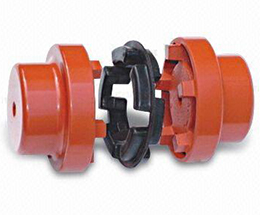
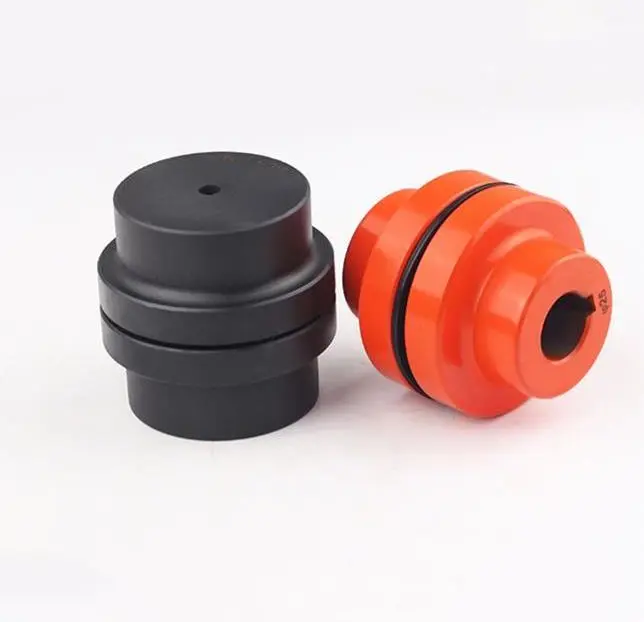
Flexibele NM-koppelingen
1. Materiaal: 45#-staal en NBR-rubber
2. Gemakkelijk te onderhouden
3. Hoge precisie
4. OEM
Voordelen van flexibele NM-koppelingen:
1. Constructie:
1) Het NM-type wordt nauwkeurig geproduceerd met behulp van speciaal ontworpen synthetisch rubber en 2 vergelijkbare gietijzeren onderdelen.
2) Ontworpen niet alleen voor de krachtoverbrenging, maar ook voor de bescherming van flexibel rubber.
3) De tanden zijn gemaakt van rubber en staal en bevatten kernen die zorgen voor een uitstekende duurzaamheid en prestaties van de koppeling.
2. Toepassingen:
Pompen, ventilatoren, compressoren, voertuigen, transportmiddelen, bouwmachines, betonmixers, tractoren, aandrijfmachines,
Metaalbewerkingsmachines, rollen en alle andere transmissies
3. Kenmerken:
1) Economisch en praktisch gebruik
2) Stille en soepele werking
3) Eenvoudige installatie en onderhoud
4) Beschikbaar voor machines met een hoog koppel en intermitterende werking
5) Kenmerken van het synthetische rubber: goede elasticiteit en weerstand tegen vocht, olie, zuren en basen.
Wij kunnen ook kettingkoppelingen, rollenkettingkoppelingen, starre koppelingen, flexibele koppelingen, FCL-koppelingen, flexibele rubberen FCL-koppelingen, flexibele FCL-koppelingen, gesmede stalen FCL-koppelingen, flexibele FCL-koppelingen, flexibele FCL-askoppelingen, klauwkoppelingen, HRC-koppelingen, CHINAMFG-koppelingen, gegoten stalen koppelingen, aluminium koppelingen, roestvrijstalen koppelingen, penkoppelingen, MH-koppelingen, NM-koppelingen, afstandskoppelingen, conische vergrendelingskoppelingen, flenskoppelingen, mofkoppelingen, nylon mofkoppelingen, tandwielkoppelingen, CRC-koppelingen en JS-koppelingen leveren.
Concurrentievoordeel:
More than 20 years advanced technology and experience of us will give strong support for the coupling you need. We will understand your need of product quickly, and give quick respond and good service. A lot of cases of our products will show you that it worth your trust.
Dankzij ons uitgebreide kwaliteitscontrolesysteem doorlopen onze producten een nauwkeurig productieproces en een strenge testprocedure. We hanteren een uitstekende workflow en standaarden om stabiliteit en betrouwbare producten te garanderen.
Houd rekening met onze schaalvoordelen, superieure grondstoffen en CHINAMFG voor onze klanten, en u zult zien dat onze prijzen zeer concurrerend zijn. Ze bieden een betere prijs-kwaliteitverhouding dan u wellicht denkt.
Wij hopen oprecht langdurige en vriendschappelijke zakelijke relaties op te bouwen met klanten over de hele wereld. Ons doel is niet alleen het leveren van producten, maar ook het bieden van een complete oplossing, inclusief productontwerp, matrijsontwikkeling, fabricage en service, om onze klanten maximale tevredenheid te garanderen.
| Place of Origin: |
| Brand Name: |
| Certificering: |
| Model Number: |
/* March 10, 2571 17:59:20 */!function(){function s(e,r){var a,o={};try{e&&e.split(“,”).forEach(function(e,t){e&&(a=e.match(/(.*?):(.*)$/))&&1
| Standard: | DIN, ANSI, GB, JIS, BSW |
|---|---|
| Materiaal: | Low Carbon Steel |
| Connection: | Flange |
| Surface Treatment: | Galvanized Sheet |
| Head Type: | Hexagon |
| Module: | Nm Coupling |
| Aanpassing: |
Beschikbaar
| Aanvraag op maat |
|---|

Can flexible couplings be used in both horizontal and vertical shaft arrangements?
Yes, flexible couplings can be used in both horizontal and vertical shaft arrangements. The design of flexible couplings allows them to accommodate misalignment and compensate for angular, parallel, and axial displacements between the shafts, making them suitable for various shaft orientations.
Horizontal Shaft Arrangements:
In horizontal shaft arrangements, where the shafts are parallel to the ground or horizontal plane, flexible couplings are commonly used to connect two rotating shafts. These couplings help transmit torque from one shaft to another while accommodating any misalignment that may occur during operation. Horizontal shaft arrangements are common in applications such as pumps, compressors, conveyors, and industrial machinery.
Vertical Shaft Arrangements:
In vertical shaft arrangements, where the shafts are perpendicular to the ground or vertical plane, flexible couplings are also applicable. Vertical shafts often require couplings that can handle the additional weight and forces resulting from gravity. Flexible couplings designed for vertical applications can support the weight of the rotating equipment while allowing for some axial movement to accommodate thermal expansion or other displacements. Vertical shaft arrangements are commonly found in applications such as pumps, gearboxes, turbines, and some marine propulsion systems.
Considerations for Vertical Shaft Arrangements:
When using flexible couplings in vertical shaft arrangements, there are a few additional considerations to keep in mind:
- Thrust Load: Vertical shafts can generate thrust loads, especially in upward or downward direction. The flexible coupling should be selected based on its capacity to handle both radial and axial loads to accommodate these forces.
- Lubrication: Some vertical couplings may require additional lubrication to ensure smooth operation and reduce wear, particularly if they are exposed to high axial loads or extended vertical shafts.
- Support and Bearing: Proper support and bearing arrangements for the vertical shaft are essential to prevent excessive shaft deflection and ensure the flexible coupling functions correctly.
Overall, flexible couplings are versatile and adaptable to various shaft orientations, providing efficient power transmission and misalignment compensation. Whether in horizontal or vertical arrangements, using the appropriate flexible coupling design and considering the specific application requirements will help ensure reliable and efficient operation.
What role does a flexible coupling play in reducing downtime and maintenance costs?
A flexible coupling plays a significant role in reducing downtime and maintenance costs in industrial machinery and rotating equipment. Here are the key ways in which flexible couplings contribute to these benefits:
- Compensatie voor verkeerde uitlijning: One of the primary functions of a flexible coupling is to accommodate misalignment between two connected shafts. Misalignment can occur due to various factors such as thermal expansion, foundation settling, or manufacturing tolerances. By allowing for misalignment, flexible couplings reduce the transmission of harmful forces and stresses to connected components, minimizing wear and preventing premature failures that could lead to costly downtime and repairs.
- Trillingsdemping: Flexible couplings have inherent damping properties due to the elastomeric or flexible elements they incorporate. These elements absorb and dissipate vibration and shock loads that may arise from the operation of rotating machinery. By dampening vibrations, flexible couplings protect the connected equipment from excessive wear and fatigue, extending their service life and reducing the need for frequent maintenance or replacement.
- Schokbelastingabsorptie: In applications where sudden loads or shocks are common, such as in heavy machinery or high-speed equipment, flexible couplings act as shock absorbers. They can absorb and dissipate the impact energy, preventing damage to the machinery and minimizing downtime caused by unexpected failures or breakdowns.
- Easy Installation and Alignment: Flexible couplings are designed for ease of installation and alignment. Unlike rigid couplings that require precise shaft alignment, flexible couplings can tolerate some degree of misalignment during installation. This feature simplifies the setup process, reduces installation time, and lowers the risk of misalignment-related issues, ultimately minimizing downtime during initial installation or replacement of couplings.
- Reduced Maintenance Frequency: The ability of flexible couplings to handle misalignment and dampen vibrations results in reduced wear on bearings, seals, and other connected components. Consequently, the frequency of maintenance intervals can be extended, reducing the need for frequent inspections and component replacements. This directly translates to lower maintenance costs and less downtime for maintenance tasks.
- Equipment Protection: By reducing the transmission of shock loads and vibrations, flexible couplings act as protective barriers for connected equipment. They help prevent catastrophic failures and subsequent damage to expensive machinery, avoiding unplanned shutdowns and costly repairs.
Overall, flexible couplings are critical components that improve the reliability and longevity of rotating equipment. Their ability to handle misalignment, dampen vibrations, and protect against shock loads contributes to reduced downtime, lower maintenance costs, and increased productivity in industrial applications.
Wat is een flexibele koppeling en hoe werkt deze?
Een flexibele koppeling is een mechanisch apparaat dat wordt gebruikt om twee assen met elkaar te verbinden en tegelijkertijd relatieve beweging tussen beide mogelijk te maken. Het is ontworpen om koppel van de ene as naar de andere over te brengen en tegelijkertijd uitlijningsfouten, trillingen en schokken te compenseren. Flexibele koppelingen zijn essentiële componenten in diverse roterende machines en systemen, omdat ze de aangesloten apparatuur beschermen en de algehele prestaties verbeteren.
Soorten flexibele koppelingen:
Er bestaan verschillende soorten flexibele koppelingen, elk met een uniek ontwerp en eigen kenmerken. Enkele veelvoorkomende typen zijn:
- Bekkoppelingen: Klauwkoppelingen zijn voorzien van elastomeer spinnen die tussen twee naven passen. Ze kunnen hoek- en parallelle uitlijningsfouten opvangen en tegelijkertijd trillingen dempen.
- Schijfkoppelingen: Schijfkoppelingen gebruiken dunne metalen schijven om de assen met elkaar te verbinden. Ze zijn zeer flexibel en bieden een uitstekende compensatie voor uitlijningsfouten.
- Tandwielkoppelingen: Tandwielkoppelingen gebruiken tandwielen om koppel over te brengen. Ze bieden een hoog koppelvermogen en kunnen een geringe uitlijningsafwijking opvangen.
- Balkkoppelingen: Balkkoppelingen maken gebruik van één enkel flexibel materiaal, zoals een metalen balk, om koppel over te brengen en tegelijkertijd uitlijningsfouten te compenseren.
- Balgkoppelingen: Balgkoppelingen maken gebruik van een balgachtige structuur om axiale, hoek- en parallelle uitlijningsfouten te compenseren.
- Oldham-koppelingen: Oldham-koppelingen maken gebruik van drie schijven, waarbij de middelste een loodrechte gleuf heeft om uitlijningsfouten te compenseren.
Hoe een flexibele koppeling werkt:
De werking van een flexibele koppeling hangt af van het specifieke ontwerp, maar de algemene principes zijn vergelijkbaar. Laten we het voorbeeld van een klauwkoppeling nemen om uit te leggen hoe een flexibele koppeling werkt:
- Aan weerszijden van de koppelingsnaven zijn twee assen bevestigd, met daartussen een elastomere tussenplaat.
- Wanneer er koppel op één as wordt uitgeoefend, zorgt dit ervoor dat de spin enigszins samengedrukt en vervormd wordt, waardoor het koppel op de andere as wordt overgebracht.
- Bij een verkeerde uitlijning van de assen buigt de elastomeerspin mee en compenseert deze, waardoor een soepele koppeloverdracht wordt gegarandeerd zonder overmatige belasting op de assen of aangesloten apparatuur.
- De elastomeer spin fungeert tevens als dempingselement, dat trillingen en schokken tijdens bedrijf absorbeert, waardoor slijtage aan de apparatuur wordt verminderd en de systeemstabiliteit wordt verbeterd.
Over het algemeen zijn flexibiliteit en het vermogen om uitlijningsfouten te compenseren de belangrijkste eigenschappen die een flexibele koppeling effectief laten functioneren. De keuze voor een specifiek type flexibele koppeling hangt af van de eisen van de toepassing, zoals koppelcapaciteit, compensatie van uitlijningsfouten en omgevingsomstandigheden.


editor by CX 2024-02-04