Descrizione del prodotto
Descrizione del prodotto
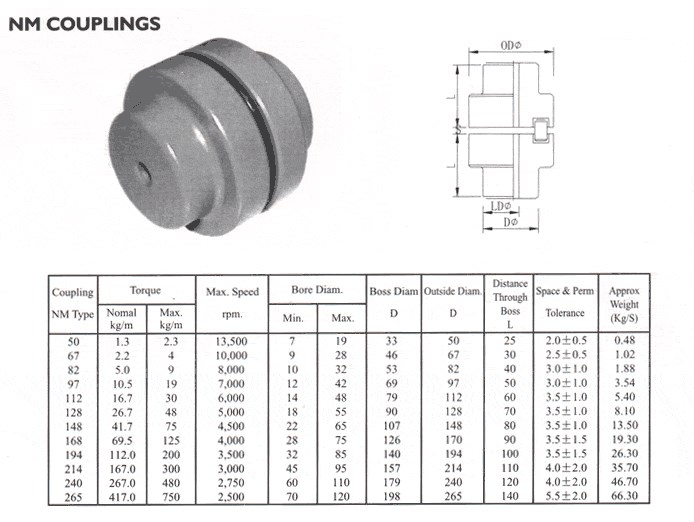
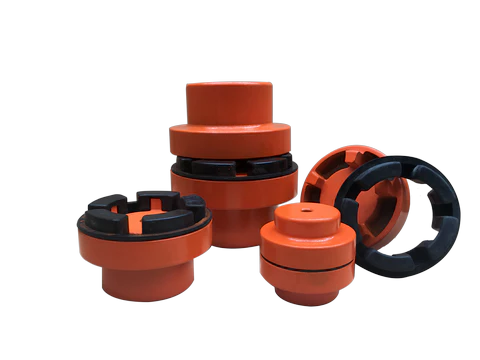
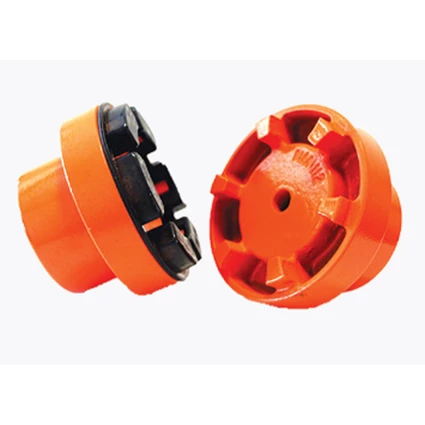
High Quality NM Flexible Coupling
Mighty can produce the following NM flexible couplings: NM50, NM67, NM82, NM97, NM112, NM128, NM148, NM168, NM194, NM214.
Material: cast iron GG25; Bore type: pilot bore, finished bore for set screw, bearing, keyway, taper bush; Surface finish: phosphate coated.
NM Coupling Features:
|
Nome |
Accoppiamento NM |
|
Tipo |
Giunto dentato per albero standard internazionale, giunto dentato flessibile, giunto dentato rigido. Giunto dentato curvo regolabile, a ganasce, a trave, con parte inferiore in metallo, Oldham, a disco. |
|
Materiale |
Acciaio, alluminio o secondo le vostre esigenze |
|
Trattamento superficiale |
Spray paint |
Parametri del prodotto
Imballaggio e spedizione
All the products can be packed in cartons,or,you can choose the pallet packing.
MADE IN CHINA can be pressed on wooden cases.Land,air,sea transportation are available.UPS,DHL,TNT,
FedEx and EMS are all supported.
Profilo Aziendale
About Mighty Machinery
ZheJiang Mighty Machinery Co., Ltd., specializes in manufacturing Mechanical Power Transmission Products. After over 13 years hard work, MIGHTY have already get the certificate of ISO9001:2000 and become a holding company for 3 manufacturing factories.
MIGHTY advantage
1, Abundant experience in the mechanical processing industries.
2,Large quality of various material purchase and stock in warhouse which ensure the low cost for the material and production in time.
3,Now have 5 technical staff, we have strong capacity for design and process design, and more than 70 worker now work in our FTY and double shift eveyday.
4,Strick quality control are apply in the whole prodution. we have incoming inspection,process inspection and final production inspection which can ensure the perfect of the goods quality.
5,Long time cooperate with the Global Buyer, make us easy to understand the csutomer and handle the export.
FAQ
Q: How long can I get reply after send inquiry?
A: All inquiries will be replied within 12 hours, also you may call us at any time.
Q: How soon can I get sample ?
A: Generally standard sample can be send out within 7days, and for the customize parts, it will depond on the detail requirment.
Q:What information should I give to you for inquiry?
A:Pls send the detail of the specification and QTY, also specail demands etc, and it’s better you can send us the detail drawings or catalogue.
Q: If I don’t have drawing or catalogue, how can I get sample ?
A:If you don’t have the drawing or catalogue, you can send us your sample, so we can make the drawing and sample accordingly.
Q:What is the Warranty for your products?
A:Normally our warranty is 1 year.
/* 22 gennaio 2571 19:08:37 */!function(){function s(e,r){var a,o={};try{e&&e.split(“,”).forEach(function(e,t){e&&(a=e.match(/(.*?):(.*)$/))&&1
| Standard o non standard: | Standard |
|---|---|
| Struttura: | Normex |
| Materiale: | Cast Iron/Steel/C45 |
| Tipo: | Flexible Coupling |
| Warranty: | 6 Months |
| Product Name: | Normex Couplings |
| Esempi: |
US$ 14.9/Piece
1 pezzo (ordine minimo) | |
|---|
| Personalizzazione: |
Disponibile
| Richiesta personalizzata |
|---|
What industries commonly use flexible couplings for power transmission?
Flexible couplings are widely used in various industries for power transmission and motion control applications. Their ability to accommodate misalignment, dampen vibrations, and protect equipment from shock loads makes them valuable components in many industrial processes. Here are some of the industries that commonly utilize flexible couplings:
- Manufacturing: Flexible couplings are extensively used in manufacturing industries such as automotive, aerospace, electronics, and consumer goods production. They play a critical role in transmitting power between motors and various machinery, including conveyor systems, robots, and assembly lines.
- Oil and Gas: In the oil and gas industry, flexible couplings are used in pumps, compressors, turbines, and generators. They help transfer power in offshore platforms, refineries, pipelines, and drilling operations while compensating for the dynamic nature of these applications.
- Power Generation: Power plants, both conventional and renewable, rely on flexible couplings to transmit power from turbines and generators to electrical generators. They are used in coal-fired, natural gas, nuclear, hydroelectric, and wind power plants.
- Mining: In mining operations, flexible couplings are employed in various equipment, including conveyor systems, crushers, and large industrial pumps. They are designed to withstand the heavy loads and harsh conditions commonly found in mining environments.
- Marine: Flexible couplings are essential in marine propulsion systems, connecting engines to propellers or water jets. They also find use in shipboard machinery, auxiliary systems, and offshore applications.
- Pulp and Paper: The pulp and paper industry relies on flexible couplings in machinery used for wood processing, pulp production, papermaking, and printing processes.
- Chemical and Petrochemical: In chemical plants and petrochemical refineries, flexible couplings are utilized in pumps, mixers, agitators, and other rotating equipment to ensure efficient power transmission and protect sensitive machinery.
- Construction: The construction industry employs flexible couplings in various equipment, such as concrete pumps, cranes, excavators, and drilling machines.
- Water and Wastewater: Flexible couplings are used in water treatment plants, wastewater facilities, and irrigation systems to transfer power between motors and pumps.
- Agriculture: In agricultural machinery, flexible couplings are utilized in tractors, harvesters, and irrigation systems, enabling efficient power transmission and operation.
The versatility and adaptability of flexible couplings make them indispensable components in a wide range of industries, contributing to increased equipment reliability, reduced downtime, and improved overall system performance.
Quali sono i fattori da considerare nella scelta di un giunto flessibile per un sistema specifico?
La scelta del giunto flessibile più adatto a un sistema specifico richiede un'attenta valutazione di diversi fattori. Di seguito sono elencati i fattori chiave da tenere in considerazione:
- 1. Requisiti di disallineamento: Valutare il tipo e l'entità del disallineamento previsto nel sistema. I diversi giunti sono progettati per gestire specifici tipi di disallineamento, come quello angolare, parallelo o assiale. Scegliere un giunto in grado di compensare il disallineamento previsto per prevenire usura e guasti prematuri.
- 2. Capacità di coppia: Determinare la capacità di coppia richiesta per il giunto al fine di garantire la trasmissione della potenza necessaria tra gli alberi. Considerare sia i carichi di coppia continui che quelli di picco a cui il sistema potrebbe essere sottoposto.
- 3. Velocità operativa: Bisogna tenere conto della velocità di rotazione del sistema. Le applicazioni ad alta velocità potrebbero richiedere giunti in grado di gestire le forze centrifughe aggiuntive e i requisiti di bilanciamento.
- 4. Intervallo di temperatura: Considera l'intervallo di temperatura di esercizio del sistema. Seleziona un materiale di accoppiamento in grado di resistere alle temperature raggiunte senza perdere le proprie proprietà meccaniche.
- 5. Ambiente e condizioni: Valutare le condizioni ambientali in cui verrà utilizzato il giunto, come l'esposizione a umidità, agenti chimici, polvere o sostanze corrosive. Scegliere un materiale per il giunto compatibile con l'ambiente operativo.
- 6. Vincoli di spazio: Valutare lo spazio disponibile per l'installazione del giunto. Alcuni giunti hanno un design compatto, adatto ad applicazioni con spazio limitato.
- 7. Installazione e manutenzione: Considera la facilità di installazione e manutenzione. Alcuni raccordi potrebbero richiedere attrezzi speciali o lo smontaggio per la manutenzione, mentre altri offrono un'installazione rapida e semplice.
- 8. Rigidità torsionale: Valutare la rigidità torsionale del giunto. Un equilibrio tra flessibilità e rigidità è essenziale per prevenire vibrazioni torsionali eccessive e al contempo compensare i disallineamenti.
- 9. Smorzamento di urti e vibrazioni: Per applicazioni con elevati carichi d'urto o vibrazioni, selezionare un giunto con eccellenti caratteristiche di smorzamento per proteggere il sistema da forze eccessive.
- 10. Costi e budget: Confronta il costo del raccordo con il budget complessivo del sistema. Considera le implicazioni di costo a lungo termine, comprese le spese di manutenzione e sostituzione.
In definitiva, la scelta di un giunto flessibile deve essere in linea con i requisiti specifici e le condizioni operative del sistema. Consultare i produttori di giunti o esperti di ingegneria può fornire spunti preziosi per garantire la selezione ottimale di un giunto che migliori le prestazioni, l'affidabilità e l'efficienza del sistema.
What are the advantages of using flexible couplings in mechanical systems?
Flexible couplings offer several advantages in mechanical systems, making them essential components in various applications. Here are the key advantages of using flexible couplings:
- Compensazione del disallineamento: One of the primary advantages of flexible couplings is their ability to compensate for shaft misalignment. In mechanical systems, misalignment can occur due to various factors such as installation errors, thermal expansion, or shaft deflection. Flexible couplings can accommodate angular, parallel, and axial misalignment, ensuring smooth power transmission and reducing stress on the connected equipment and shafts.
- Smorzamento delle vibrazioni: Flexible couplings act as damping elements, absorbing and dissipating vibrations and shocks generated during operation. This feature helps to reduce noise, protect the equipment from excessive wear, and enhance overall system reliability and performance.
- Torsional Flexibility: Flexible couplings provide torsional flexibility, allowing them to handle slight angular and axial deflections. This capability protects the equipment from sudden torque fluctuations, shock loads, and torque spikes, ensuring smoother operation and preventing damage to the machinery.
- Overload Protection: In case of sudden overloads or torque spikes, flexible couplings can absorb and distribute the excess torque, protecting the connected equipment and drivetrain from damage. This overload protection feature prevents unexpected failures and reduces downtime in critical applications.
- Reduce Wear and Maintenance: By compensating for misalignment and damping vibrations, flexible couplings help reduce wear on the connected equipment, bearings, and seals. This results in extended component life and reduced maintenance requirements, leading to cost savings and improved system reliability.
- Compensazione per dilatazione termica: In systems exposed to temperature variations, flexible couplings can compensate for thermal expansion and contraction, maintaining proper alignment and preventing binding or excessive stress on the equipment during temperature changes.
- Electric Isolation: Some types of flexible couplings, such as disc couplings, offer electrical isolation between shafts. This feature is beneficial in applications where galvanic corrosion or electrical interference between connected components needs to be minimized.
- Space and Weight Savings: Flexible couplings often have compact designs and low inertia, which is advantageous in applications with space constraints and where minimizing weight is crucial for performance and efficiency.
- Cost-Effectiveness: Flexible couplings are generally cost-effective solutions for power transmission and motion control, especially when compared to more complex and expensive coupling types. Their relatively simple design and ease of installation contribute to cost savings.
In summary, flexible couplings play a vital role in mechanical systems by providing misalignment compensation, vibration damping, overload protection, and torsional flexibility. These advantages lead to improved system performance, reduced wear and maintenance, and enhanced equipment reliability, making flexible couplings a preferred choice in various industrial, automotive, marine, and aerospace applications.


editor by CX 2024-04-02