وصف المنتج
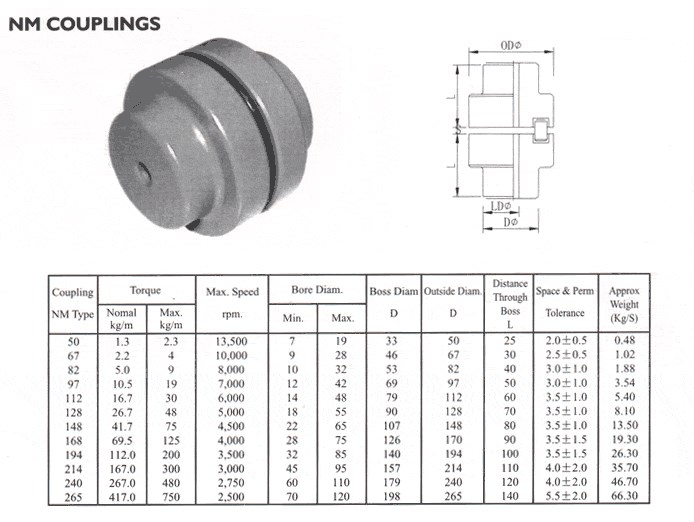
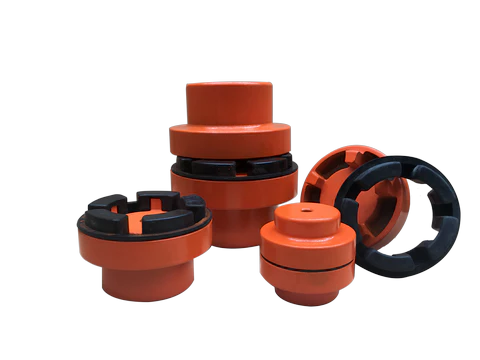
| Product Name | اقتران نانومتر |
| مادة | cast iron |
| يكتب | nm 50-214 |
| Structure | 2 shaft ( 1 / 1a / 1b )+spider |
| Bore size | 7-952mm |
| Weight | About 0.48-35.7 kg / pcs |
| packing | plastic bag +paper box +wooden box +wooden pallet |
Flexible Coupling/Couplings
1. One Piece metallic spring coupling
2. Zero backlash
3. Absorption of parallel, angular misalignment and shaft end-play by spring action
4. Identical clockwise and anticlockwise rotational characteristics
5. Setscrew type or Clamp Type
6. Material: Aluminum Alloy or Stainless steel or other materials per customers’ request.
7. Anti-corrsion,widely used in medical science ,chemistry
8. High flexibilty
9. For servomotor stepmotor
What applications are coupling used for?
Couplings are used in servo drive technology, machine tools, packaging machinery, automation systems, printing presses, industrial robots, control and positioning technology, and general mechanical engineering.
MAIN PRODUCTS:
1) Timing Belt Pulley (Synchronous Pulley), Timing Bar, Clamping Plate;
2) Forging, Casting, Stampling Part;
3) V Belt Pulley and Taper Lock Bush; Sprocket, Idler and Plate Wheel;Spur Gear, Bevel Gear, Rack;
4) Shaft Locking Device: could be alternative for Ringfeder, Sati, Chiaravalli, Tollok, etc.;
5) Shaft Coupling:including Miniature couplings, Curved tooth coupling, Chain coupling, HRC coupling, Normex coupling, Type coupling, GE Coupling, torque limiter, Universal Joint;
6) Shaft Collars: including Setscrew Type, Single Split and Double Splits;
7) Timing Belt: including Rubber and PU timing belts for industrial;
8) Other customized Machining Parts according to drawings (OEM).
/* March 10, 2571 17:59:20 */!function(){function s(e,r){var a,o={};try{e&&e.split(“,”).forEach(function(e,t){e&&(a=e.match(/(.*?):(.*)$/))&&1
| قياسي أم غير قياسي: | معيار |
|---|---|
| فتحة العمود: | 8-24 |
| عزم الدوران: | 1.3-300 |
| قطر التجويف: | 7-952 |
| سرعة: | 3000-13500 |
| بناء: | مرن |
| أمثلة: |
US$ 10/Piece
قطعة واحدة (الحد الأدنى للطلب) | |
|---|
| التخصيص: |
متاح
| طلب مخصص |
|---|
What industries commonly use flexible couplings for power transmission?
Flexible couplings are widely used in various industries for power transmission and motion control applications. Their ability to accommodate misalignment, dampen vibrations, and protect equipment from shock loads makes them valuable components in many industrial processes. Here are some of the industries that commonly utilize flexible couplings:
- Manufacturing: Flexible couplings are extensively used in manufacturing industries such as automotive, aerospace, electronics, and consumer goods production. They play a critical role in transmitting power between motors and various machinery, including conveyor systems, robots, and assembly lines.
- Oil and Gas: In the oil and gas industry, flexible couplings are used in pumps, compressors, turbines, and generators. They help transfer power in offshore platforms, refineries, pipelines, and drilling operations while compensating for the dynamic nature of these applications.
- Power Generation: Power plants, both conventional and renewable, rely on flexible couplings to transmit power from turbines and generators to electrical generators. They are used in coal-fired, natural gas, nuclear, hydroelectric, and wind power plants.
- Mining: In mining operations, flexible couplings are employed in various equipment, including conveyor systems, crushers, and large industrial pumps. They are designed to withstand the heavy loads and harsh conditions commonly found in mining environments.
- Marine: Flexible couplings are essential in marine propulsion systems, connecting engines to propellers or water jets. They also find use in shipboard machinery, auxiliary systems, and offshore applications.
- Pulp and Paper: The pulp and paper industry relies on flexible couplings in machinery used for wood processing, pulp production, papermaking, and printing processes.
- Chemical and Petrochemical: In chemical plants and petrochemical refineries, flexible couplings are utilized in pumps, mixers, agitators, and other rotating equipment to ensure efficient power transmission and protect sensitive machinery.
- Construction: The construction industry employs flexible couplings in various equipment, such as concrete pumps, cranes, excavators, and drilling machines.
- Water and Wastewater: Flexible couplings are used in water treatment plants, wastewater facilities, and irrigation systems to transfer power between motors and pumps.
- Agriculture: In agricultural machinery, flexible couplings are utilized in tractors, harvesters, and irrigation systems, enabling efficient power transmission and operation.
The versatility and adaptability of flexible couplings make them indispensable components in a wide range of industries, contributing to increased equipment reliability, reduced downtime, and improved overall system performance.
How does a flexible coupling impact the overall reliability of connected equipment?
A flexible coupling significantly impacts the overall reliability of connected equipment in several ways:
- Misalignment Compensation: Flexible couplings can accommodate both angular and parallel misalignment between connected shafts. By allowing for misalignment, the coupling reduces the stress and wear on bearings, seals, and other rotating components. This feature prevents premature failure of these components, contributing to improved reliability and extended equipment lifespan.
- تخميد الاهتزازات: Flexible couplings possess inherent damping properties due to their elastomeric or flexible elements. These elements absorb and dissipate vibrations generated during the operation of machinery. By dampening vibrations, the coupling protects the connected equipment from excessive oscillations, reducing fatigue and preventing mechanical failures. This enhanced vibration control increases the reliability of the system.
- Shock Load Absorption: In applications with sudden load variations or shock loads, such as in heavy machinery or high-speed equipment, a flexible coupling acts as a shock absorber. It can absorb and dissipate the impact energy, protecting the machinery from damage caused by sudden loads. The ability to absorb shock loads contributes to the overall reliability of the connected equipment.
- Reduced Wear and Tear: The flexibility of the coupling minimizes stress and wear on rotating equipment. It allows for slight movements and misalignments, reducing friction and stress on bearings and other critical components. This reduction in wear and tear lowers the frequency of maintenance and replacement, increasing the overall reliability of the equipment.
- Compensation for Thermal Expansion: Temperature changes in machinery can lead to thermal expansion or contraction of shafts. A flexible coupling can compensate for these thermal effects, ensuring that the machinery remains properly aligned even as temperature conditions fluctuate. This compensation prevents binding and misalignment, promoting reliable performance.
- Protection Against Overloads: Flexible couplings help protect connected equipment from overloads and torsional vibrations. They act as a mechanical fuse, disconnecting the driveline when an overload occurs, thus preventing damage to expensive machinery. This safety feature enhances the overall reliability and reduces the risk of catastrophic failures.
- Easy Maintenance and Alignment: Flexible couplings are designed for easy installation and alignment. This feature simplifies maintenance procedures, making it easier to inspect and replace couplings when necessary. Properly aligned couplings lead to improved equipment performance and longevity, enhancing overall reliability.
By compensating for misalignment, damping vibrations, absorbing shock loads, reducing wear and tear, and providing other protective features, a flexible coupling significantly improves the reliability of connected equipment. It extends the lifespan of critical components, minimizes downtime, and ensures smooth and efficient operation, making it a valuable component in various industrial applications.
ما هو الوصل المرن وكيف يعمل؟
الوصلة المرنة هي جهاز ميكانيكي يُستخدم لربط عمودين مع السماح بحركة نسبية بينهما. وهي مصممة لنقل عزم الدوران من عمود إلى آخر مع تعويض عدم المحاذاة والاهتزازات والصدمات. تُعدّ الوصلات المرنة مكونات أساسية في العديد من الآلات والأنظمة الدوارة، حيث تُساعد على حماية المعدات المتصلة وتحسين الأداء العام.
أنواع الوصلات المرنة:
توجد أنواع عديدة من الوصلات المرنة، لكل منها تصميمها وخصائصها الفريدة. ومن الأنواع الشائعة ما يلي:
- وصلات الفك: تتميز وصلات الفك بوجود أجزاء مطاطية مرنة تتلاءم بين محورين. ويمكنها استيعاب عدم المحاذاة الزاوية والمتوازية مع تخميد الاهتزازات.
- وصلات الأقراص: تستخدم وصلات الأقراص أقراصًا معدنية رقيقة لتوصيل الأعمدة. وهي تتميز بمرونة عالية وتوفر تعويضًا ممتازًا عن عدم المحاذاة.
- وصلات التروس: تستخدم وصلات التروس أسنان التروس لنقل عزم الدوران. وهي توفر قدرة عالية على نقل عزم الدوران ويمكنها التعامل مع عدم المحاذاة المتوسطة.
- وصلات الحزمة: تستخدم وصلات الحزم قطعة واحدة من مادة مرنة، مثل حزمة معدنية، لنقل عزم الدوران مع التعويض عن عدم المحاذاة.
- وصلات منفاخية: تستخدم وصلات المنفاخ بنية تشبه المنفاخ للسماح بتعويض عدم المحاذاة المحورية والزاوية والمتوازية.
- وصلات أولدهام: تستخدم وصلات أولدهام ثلاثة أقراص، ويحتوي القرص الأوسط على فتحة عمودية للسماح بتعويض عدم المحاذاة.
كيف يعمل الوصل المرن:
يعتمد تشغيل الوصلة المرنة على تصميمها المحدد، لكن المبادئ العامة متشابهة. لنأخذ مثالاً على وصلة الفك لشرح كيفية عمل الوصلة المرنة:
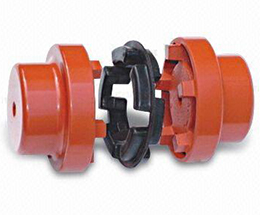
- يتم توصيل عمودين بمحاور التوصيل على كلا الجانبين، مع وضع عنكبوت مطاطي بينهما.
- عند تطبيق عزم الدوران على أحد الأعمدة، فإنه يتسبب في انضغاط العنكبوت وتشوهه قليلاً، مما يؤدي إلى نقل عزم الدوران إلى العمود الآخر.
- في حالة عدم المحاذاة بين الأعمدة، ينثني العنكبوت المطاطي ويعوض عن عدم المحاذاة، مما يضمن نقل عزم الدوران بسلاسة دون فرض أحمال زائدة على الأعمدة أو المعدات المتصلة.
- كما يعمل العنكبوت المطاطي كعنصر تخميد، حيث يمتص الاهتزازات والصدمات أثناء التشغيل، مما يقلل من تآكل المعدات ويعزز استقرار النظام.
بشكل عام، تُعدّ المرونة والقدرة على تعويض عدم المحاذاة من أهمّ الميزات التي تُمكّن الوصلة المرنة من العمل بكفاءة. ويعتمد اختيار نوع مُحدّد من الوصلات المرنة على متطلبات التطبيق، مثل سعة عزم الدوران، وتعويض عدم المحاذاة، والظروف البيئية.


editor by CX 2024-01-15