وصف المنتج
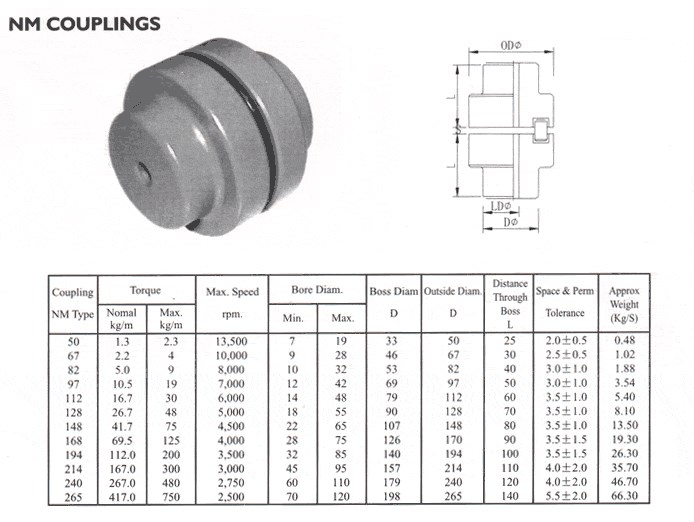
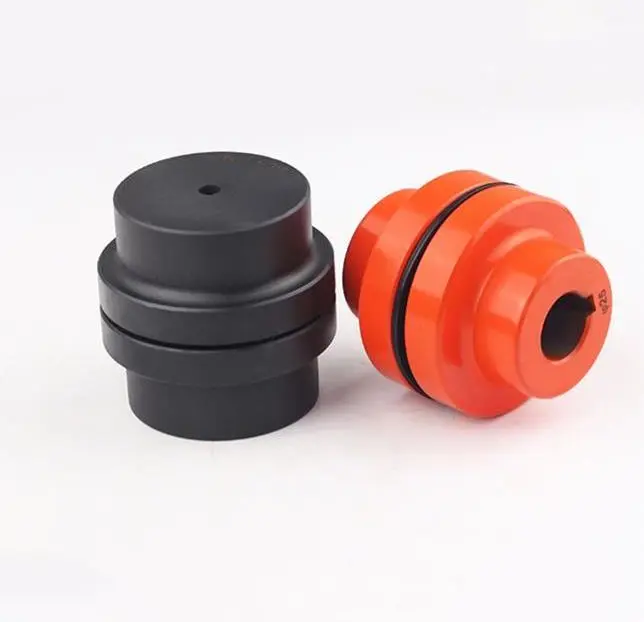
Flexible NM couplings
1. Material: 45#steel and NBR rubber
2. Easy to maintain
3. High precision
4. OEM
Flexible NM couplings advantage:
1. Construction:
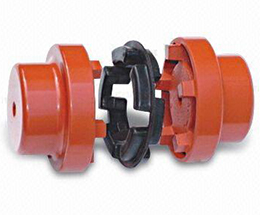
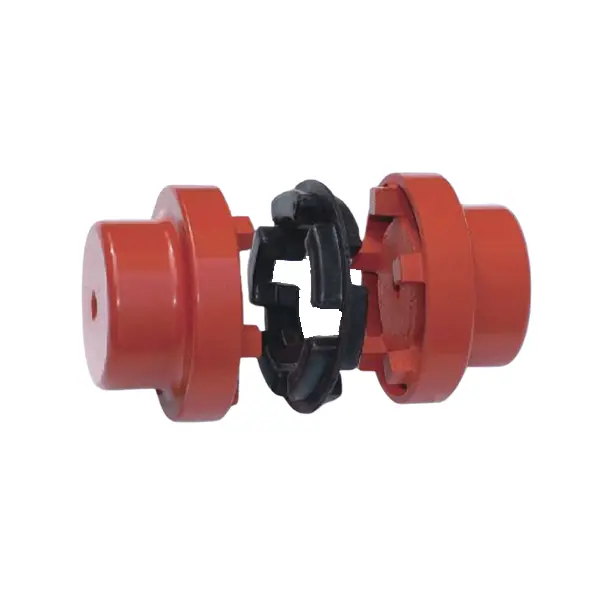
1)NM type is precisely produced by a special designed synthetic rubber with 2 similar bodies of cast iron
2)Designed not only for the power transmission but also for protection of flexible rubber
3)Made of rubber and steel cores are inserted in the teeth so as to provide excellent durability and performance of coupling
2. Applications:
Pumps, fans, compressors, vehicles, transporting equipments, constructors, cement mixers, tractors, transmission machines,
Metal working machines, rollers and all other transmissions
3. Features:
1)Economical and practical using
2)Quiet and smooth operation
3)Easy installation and maintenance
4)Available to machines with high torque and intermittent operation
5)Characteristics of the synthetic rubber: Proper elasticity and resistance to damping, oil, acids and alkalies
We can also supply chain coupling, roller chain coupling, rigid couplings, flexible couplings, fcl coupling, flexible rubber fcl coupling, fcl flexible coupling, forged steel fcl coupling, flexible coupling fcl, fcl flexible shaft coupling, jaw coupling, hrc coupling, CHINAMFG coupling, cast steel coupling, aluminum coupling, stainless steel coupling, pin coupling, mh coupling, nm coupling, spacer coupling, taper lock rigid coupling, flange coupling, sleeve coupling, nylon sleeve gear coupling, gear coupling, crc coupling, js coupling
Competitive Advantage:
More than 20 years advanced technology and experience of us will give strong support for coupling you need. We will understand your need of product quickly, and give quick respond and good service. A lot of cases of our products will show you that it worth your trust.
Under the full quality control system, our products go through the precise product line and strict testing process. We have excellent working flow and standard to ensure stability, products reliable enough for using.
Take our scale economy, raw material superiority, and CHINAMFG for clients to account, our price do have a great competitiveness. They are good value and cost effective than your imagine.
We sincerely hope establishing long and friendly business relations with clients from all over the world. Our goal is not just providing product, but also providing a complete solution including product design, tooling, fabrication and service for our customers to achieve their upmost satisfaction.
| مادة: | Alloy |
|---|---|
| شهادة: | ISO |
| Customized: | Non-Customized |
| Machine Type: | Industrial Washer |
| Installation: | 100% Free Standing |
| Clean Type: | Immersion / Soak |
| التخصيص: |
متاح
| طلب مخصص |
|---|
Can flexible couplings be used in both horizontal and vertical shaft arrangements?
Yes, flexible couplings can be used in both horizontal and vertical shaft arrangements. The design of flexible couplings allows them to accommodate misalignment and compensate for angular, parallel, and axial displacements between the shafts, making them suitable for various shaft orientations.
Horizontal Shaft Arrangements:
In horizontal shaft arrangements, where the shafts are parallel to the ground or horizontal plane, flexible couplings are commonly used to connect two rotating shafts. These couplings help transmit torque from one shaft to another while accommodating any misalignment that may occur during operation. Horizontal shaft arrangements are common in applications such as pumps, compressors, conveyors, and industrial machinery.
Vertical Shaft Arrangements:
In vertical shaft arrangements, where the shafts are perpendicular to the ground or vertical plane, flexible couplings are also applicable. Vertical shafts often require couplings that can handle the additional weight and forces resulting from gravity. Flexible couplings designed for vertical applications can support the weight of the rotating equipment while allowing for some axial movement to accommodate thermal expansion or other displacements. Vertical shaft arrangements are commonly found in applications such as pumps, gearboxes, turbines, and some marine propulsion systems.
Considerations for Vertical Shaft Arrangements:
When using flexible couplings in vertical shaft arrangements, there are a few additional considerations to keep in mind:
- Thrust Load: Vertical shafts can generate thrust loads, especially in upward or downward direction. The flexible coupling should be selected based on its capacity to handle both radial and axial loads to accommodate these forces.
- Lubrication: Some vertical couplings may require additional lubrication to ensure smooth operation and reduce wear, particularly if they are exposed to high axial loads or extended vertical shafts.
- Support and Bearing: Proper support and bearing arrangements for the vertical shaft are essential to prevent excessive shaft deflection and ensure the flexible coupling functions correctly.
Overall, flexible couplings are versatile and adaptable to various shaft orientations, providing efficient power transmission and misalignment compensation. Whether in horizontal or vertical arrangements, using the appropriate flexible coupling design and considering the specific application requirements will help ensure reliable and efficient operation.
كيف يؤثر الوصل المرن على مستويات الضوضاء والاهتزاز في النظام الميكانيكي؟
يلعب الوصل المرن دورًا حاسمًا في التحكم بمستويات الضوضاء والاهتزاز في النظام الميكانيكي. ويمكن أن يؤثر بشكل كبير على سلاسة وهدوء تشغيل النظام، مما يساهم في تحسين الأداء وتقليل تآكل المكونات المتصلة.
تقليل الضوضاء:
تُساهم الوصلات المرنة في تقليل الضوضاء في الأنظمة الميكانيكية بفضل قدرتها الفطرية على تخميد الاهتزازات. فعندما لا تكون محاور الآلات الدوارة محاذية تمامًا، قد يؤدي ذلك إلى اهتزازات تنتقل عبر النظام، مُسببةً ضوضاءً. يعمل العنصر المطاطي أو المرن في الوصلة كمخمد للاهتزازات، حيث يمتصها ويُبددها. ونتيجةً لذلك، تنخفض مستويات الضوضاء في النظام، مما يُوفر بيئة تشغيل أكثر هدوءًا.
تخميد الاهتزازات:
يمكن أن تؤدي الاهتزازات في الأنظمة الميكانيكية إلى زيادة تآكل المكونات الحيوية، مثل المحامل، والمانعات، والتروس. كما يمكن أن تتسبب الاهتزازات المفرطة في حدوث رنين وتلف النظام بمرور الوقت. تعمل الوصلات المرنة على تخميد الاهتزازات بفعالية من خلال كونها بمثابة حاجز بين عمود القيادة وعمود الدوران. يمتص العنصر المرن الصدمات والاهتزازات، مانعًا انتقالها إلى أجزاء أخرى من النظام. لا تقتصر فوائد هذه الخاصية على تقليل الضوضاء فحسب، بل تحمي النظام أيضًا من الأعطال الميكانيكية المحتملة، مما يطيل عمر المعدات.
تعويضات التوافق:
يُعدّ عدم محاذاة الأعمدة سببًا شائعًا للاهتزاز والضوضاء في الآلات الدوارة. وتتميز الوصلات المرنة بقدرتها الفائقة على تعويض عدم المحاذاة الزاوية والمتوازية. فمن خلال استيعاب عدم المحاذاة، تُقلل الوصلة من القوى المؤثرة على الأعمدة، مما يُقلل من توليد الاهتزازات والضوضاء. ويضمن المحاذاة الصحيحة باستخدام الوصلة المرنة تشغيل النظام بسلاسة وهدوء.
التأثير على موثوقية المعدات:
يُؤثر خفض مستويات الضوضاء والاهتزاز إيجابًا على موثوقية المعدات المتصلة. فالاهتزازات المنخفضة تعني ضغطًا أقل على المحامل والمكونات الدوارة الأخرى، مما يُطيل عمر المكونات ويُقلل من متطلبات الصيانة. كما أن بيئة التشغيل الهادئة ضرورية لبعض التطبيقات، مثل المختبرات أو عمليات التصنيع الدقيقة، حيث يُمكن أن تُعيق الضوضاء المفرطة أداء المهام أو القياسات الحساسة.
التطبيقات:
تُستخدم الوصلات المرنة في العديد من الصناعات، مثل التصنيع، وتوليد الطاقة، ومناولة المواد، وصناعة السيارات، والفضاء، والروبوتات. وهي شائعة الاستخدام في المضخات، والضواغط، والمراوح، والناقلات، وغيرها من الآلات الدوارة حيث يُعد التحكم في الضوضاء والاهتزازات أمرًا بالغ الأهمية لضمان التشغيل السلس والموثوق.
ملخص:
تُعدّ الوصلة المرنة عنصرًا أساسيًا في الأنظمة الميكانيكية لقدرتها على تقليل الضوضاء وتخميد الاهتزازات. فمن خلال تعويض عدم المحاذاة وتوفير خصائص تخميد الاهتزازات، تُحسّن الوصلة المرنة أداء النظام بشكل عام، وتُقلّل مستويات الضوضاء، وتحمي المعدات المتصلة من التآكل المفرط والأعطال الميكانيكية. ويُمكن أن يكون لاختيار النوع المناسب من الوصلات المرنة، بناءً على متطلبات التطبيق المحددة، تأثير كبير على تقليل الضوضاء والتحكم في الاهتزازات في النظام الميكانيكي.
What materials are commonly used in manufacturing flexible couplings?
Flexible couplings are manufactured using a variety of materials, each offering different properties and characteristics suited for specific applications. The choice of material depends on factors such as the application’s requirements, environmental conditions, torque capacity, and desired flexibility. Here are some of the commonly used materials in manufacturing flexible couplings:
- Steel: Steel is a widely used material in flexible couplings due to its strength, durability, and excellent torque transmission capabilities. Steel couplings are suitable for heavy-duty industrial applications with high torque requirements and harsh operating conditions.
- Stainless Steel: Stainless steel is often used to manufacture flexible couplings in environments with high corrosion potential. Stainless steel couplings offer excellent resistance to rust and other corrosive elements, making them ideal for marine, food processing, and chemical industry applications.
- Aluminum: Aluminum couplings are lightweight, have low inertia, and provide excellent balance. They are commonly used in applications where reducing weight is critical, such as aerospace and robotics.
- Brass: Brass couplings are known for their electrical conductivity and are used in applications where electrical grounding or electrical isolation is required, such as in certain industrial machinery or electronics equipment.
- Cast Iron: Cast iron couplings offer good strength and durability and are often used in industrial applications where resistance to shock loads and vibrations is necessary.
- Plastic/Polymer: Some flexible couplings use high-performance polymers or plastics, such as polyurethane or nylon. These materials provide good flexibility, low friction, and resistance to chemicals. Plastic couplings are suitable for applications where corrosion resistance and lightweight are essential.
- Elastomers: Elastomers are used as the flexible elements in many flexible couplings. Materials like natural rubber, neoprene, or urethane are commonly used as elastomer spider elements, providing flexibility and vibration damping properties.
The selection of the coupling material depends on the specific needs of the application. For instance, high-performance and heavy-duty applications may require steel or stainless steel couplings for their robustness, while applications where weight reduction is crucial may benefit from aluminum or polymer couplings. Additionally, the choice of material is influenced by factors such as temperature range, chemical exposure, and electrical requirements in the application’s operating environment.
Manufacturers typically provide material specifications for their couplings, helping users make informed decisions based on the specific demands of their applications.


editor by CX 2023-10-07