Mô tả sản phẩm
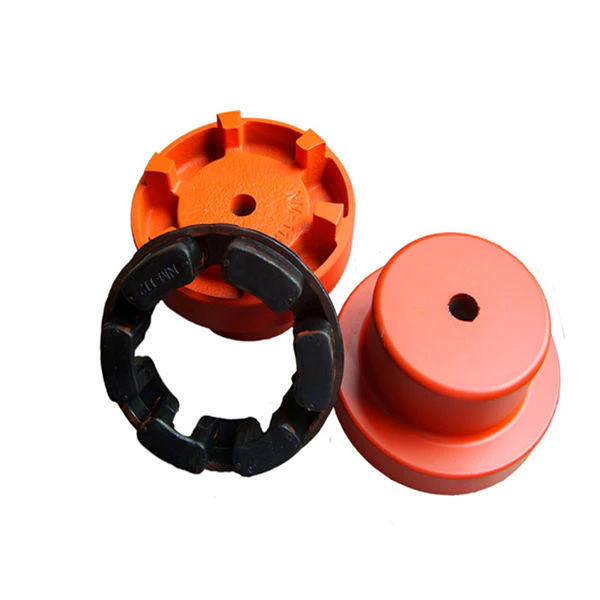
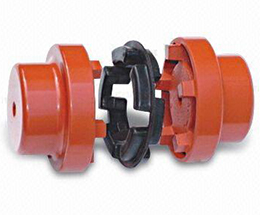
Normax Flexible Shaft Nm Coupling
1. Material: Cast iron, Rubber.
2. OEM and ODM are available
3. High efficient in transmission
4. Finishing: Painted.
5. High quality with competitive price
6. Different models suitable for your different demands
7. Stock for different bore size on both sides available.
8. Ứng dụng trong nhiều môi trường khác nhau.
9. Lắp đặt và tháo dỡ nhanh chóng và dễ dàng.
10. Chống dầu và cách điện.
11. Có đặc tính quay thuận chiều kim đồng hồ và ngược chiều kim đồng hồ giống hệt nhau.
12. Kích thước nhỏ gọn, trọng lượng nhẹ, mô-men xoắn truyền tải cao.
13. Nó có khả năng bù trừ sai lệch tốt.
Related products
/* Ngày 22 tháng 1 năm 2571 19:08:37 */!function(){function s(e,r){var a,o={};try{e&&e.split(“,”).forEach(function(e,t){e&&(a=e.match(/(.*?):(.*)$/))&&1
| Tiêu chuẩn hay không tiêu chuẩn: | Tiêu chuẩn |
|---|---|
| Lỗ trục: | 19-32 |
| Mô-men xoắn: | >80 hải lý |
| Đường kính lỗ khoan: | 19mm |
| Tốc độ: | 4000 vòng/phút |
| Kết cấu: | Linh hoạt |
| Mẫu: |
US$ 9999/Piece
1 chiếc (Số lượng đặt tối thiểu) | |
|---|

What are the maintenance requirements for flexible couplings?
Maintenance of flexible couplings is essential to ensure their reliable and efficient performance over their service life. Proper maintenance helps prevent premature wear, reduces the risk of unexpected failures, and extends the lifespan of the couplings. Here are some key maintenance requirements for flexible couplings:
- Regular Inspection: Perform regular visual inspections of the flexible couplings to check for signs of wear, damage, or misalignment. Look for cracks, tears, or any other visible issues in the coupling components.
- Lubrication: Some flexible couplings, especially those with moving parts or sliding surfaces, may require periodic lubrication. Follow the manufacturer’s recommendations regarding the type and frequency of lubrication to ensure smooth operation.
- Alignment Checks: Misalignment is a common cause of coupling failure. Regularly check the alignment of the connected shafts and adjust as necessary. Proper alignment reduces stress on the coupling and improves power transmission efficiency.
- Torque Monitoring: Monitoring the torque transmitted through the coupling can help detect any abnormal or excessive loads. If the coupling is subjected to loads beyond its rated capacity, it may lead to premature failure.
- Environmental Protection: If the couplings are exposed to harsh environmental conditions, take measures to protect them from dust, dirt, moisture, and corrosive substances. Consider using protective covers or seals to shield the couplings from potential contaminants.
- Temperature Considerations: Ensure that the operating temperature of the flexible coupling is within its designed range. Excessive heat can accelerate wear, while extremely low temperatures may affect the flexibility of certain coupling materials.
- Replace Worn or Damaged Parts: If any components of the flexible coupling show signs of wear or damage, replace them promptly with genuine replacement parts from the manufacturer.
- Manufacturer’s Guidelines: Follow the maintenance guidelines provided by the coupling manufacturer. They often include specific maintenance intervals and procedures tailored to the coupling’s design and materials.
- Training and Expertise: Ensure that maintenance personnel have the necessary training and expertise to inspect and maintain the flexible couplings properly. Improper maintenance practices can lead to further issues and compromise the coupling’s performance.
By adhering to these maintenance requirements, you can maximize the service life of the flexible couplings and minimize the risk of unexpected downtime or costly repairs. Regular maintenance helps maintain the efficiency and reliability of the coupling in various industrial, automotive, and machinery applications.
Khớp nối mềm ảnh hưởng như thế nào đến độ tin cậy tổng thể của các thiết bị được kết nối?
Khớp nối mềm có tác động đáng kể đến độ tin cậy tổng thể của thiết bị được kết nối theo nhiều cách:
- Bù sai lệch: Khớp nối mềm có thể điều chỉnh cả độ lệch góc và độ lệch song song giữa các trục được kết nối. Bằng cách cho phép độ lệch này, khớp nối làm giảm ứng suất và mài mòn trên ổ bi, phớt và các bộ phận quay khác. Tính năng này giúp ngăn ngừa hư hỏng sớm các bộ phận này, góp phần cải thiện độ tin cậy và kéo dài tuổi thọ thiết bị.
- Giảm chấn rung động: Các khớp nối mềm có đặc tính giảm chấn vốn có nhờ các phần tử đàn hồi hoặc mềm dẻo của chúng. Các phần tử này hấp thụ và tiêu tán các rung động sinh ra trong quá trình vận hành máy móc. Bằng cách giảm chấn rung động, khớp nối bảo vệ thiết bị được kết nối khỏi các dao động quá mức, giảm mỏi và ngăn ngừa hư hỏng cơ khí. Khả năng kiểm soát rung động được tăng cường này giúp tăng độ tin cậy của hệ thống.
- Khả năng hấp thụ tải trọng va đập: Trong các ứng dụng có sự thay đổi tải trọng đột ngột hoặc tải trọng va đập, chẳng hạn như trong máy móc hạng nặng hoặc thiết bị tốc độ cao, khớp nối mềm hoạt động như một bộ giảm chấn. Nó có thể hấp thụ và phân tán năng lượng va đập, bảo vệ máy móc khỏi hư hỏng do tải trọng đột ngột gây ra. Khả năng hấp thụ tải trọng va đập góp phần vào độ tin cậy tổng thể của thiết bị được kết nối.
- Giảm hao mòn: Tính linh hoạt của khớp nối giúp giảm thiểu ứng suất và mài mòn trên các thiết bị quay. Nó cho phép các chuyển động và sai lệch nhỏ, giảm ma sát và ứng suất trên ổ trục và các bộ phận quan trọng khác. Việc giảm mài mòn này làm giảm tần suất bảo trì và thay thế, tăng độ tin cậy tổng thể của thiết bị.
- Bù trừ cho sự giãn nở nhiệt: Sự thay đổi nhiệt độ trong máy móc có thể dẫn đến sự giãn nở hoặc co lại do nhiệt của trục. Khớp nối mềm có thể bù đắp cho những ảnh hưởng nhiệt này, đảm bảo máy móc vẫn được căn chỉnh chính xác ngay cả khi điều kiện nhiệt độ thay đổi. Sự bù đắp này ngăn ngừa hiện tượng kẹt và lệch trục, thúc đẩy hiệu suất hoạt động đáng tin cậy.
- Bảo vệ chống quá tải: Khớp nối mềm giúp bảo vệ thiết bị được kết nối khỏi quá tải và rung động xoắn. Chúng hoạt động như một cầu chì cơ học, ngắt kết nối hệ thống truyền động khi xảy ra quá tải, do đó ngăn ngừa hư hỏng cho máy móc đắt tiền. Tính năng an toàn này nâng cao độ tin cậy tổng thể và giảm nguy cơ xảy ra sự cố nghiêm trọng.
- Dễ bảo trì và căn chỉnh: Các khớp nối mềm được thiết kế để dễ dàng lắp đặt và căn chỉnh. Tính năng này giúp đơn giản hóa các quy trình bảo trì, giúp việc kiểm tra và thay thế khớp nối dễ dàng hơn khi cần thiết. Các khớp nối được căn chỉnh đúng cách sẽ giúp cải thiện hiệu suất và tuổi thọ của thiết bị, nâng cao độ tin cậy tổng thể.
Bằng cách bù trừ sai lệch, giảm rung động, hấp thụ tải trọng va đập, giảm hao mòn và cung cấp các tính năng bảo vệ khác, khớp nối mềm giúp cải thiện đáng kể độ tin cậy của thiết bị được kết nối. Nó kéo dài tuổi thọ của các bộ phận quan trọng, giảm thiểu thời gian ngừng hoạt động và đảm bảo vận hành trơn tru và hiệu quả, trở thành một bộ phận có giá trị trong nhiều ứng dụng công nghiệp khác nhau.
How do you select the appropriate flexible coupling for a specific application?
Choosing the right flexible coupling for a specific application requires careful consideration of various factors to ensure optimal performance, reliability, and longevity. Here are the key steps to select the appropriate flexible coupling:
- Application Requirements: Understand the specific requirements of the application, including torque and speed specifications, misalignment conditions, operating environment (e.g., temperature, humidity, and presence of corrosive substances), and space limitations.
- Torque Capacity: Determine the maximum torque that the coupling needs to transmit. Choose a flexible coupling with a torque rating that exceeds the application’s requirements to ensure a safety margin and prevent premature failure.
- Bù sai lệch: Consider the type and magnitude of misalignment that the coupling needs to accommodate. Different coupling designs offer varying degrees of misalignment compensation. Select a coupling that can handle the expected misalignment in the system.
- Giảm chấn rung động: If the application involves significant vibrations, choose a flexible coupling with good damping properties to reduce vibration transmission to connected equipment and improve system stability.
- Environmental Factors: Take into account the environmental conditions in which the coupling will operate. For harsh environments, consider couplings made from corrosion-resistant materials.
- Torsional Stiffness: Depending on the application’s requirements, decide on the desired torsional stiffness of the coupling. Some applications may require high torsional stiffness for precise motion control, while others may benefit from a more flexible coupling for shock absorption.
- Cost and Life-Cycle Considerations: Evaluate the overall cost-effectiveness of the coupling over its expected life cycle. Consider factors such as initial cost, maintenance requirements, and potential downtime costs associated with coupling replacement.
- Manufacturer Recommendations: Consult coupling manufacturers and their technical specifications to ensure the selected coupling is suitable for the intended application.
- Installation and Maintenance: Ensure that the selected flexible coupling is compatible with the equipment and shaft sizes. Follow the manufacturer’s installation guidelines and recommended maintenance practices to maximize the coupling’s performance and longevity.
By following these steps and carefully evaluating the application’s requirements, you can select the most appropriate flexible coupling for your specific needs. The right coupling choice will lead to improved system performance, reduced wear on equipment, and enhanced overall reliability in various mechanical systems and rotating machinery.


editor by CX 2024-03-14