Mô tả sản phẩm
Mô tả sản phẩm
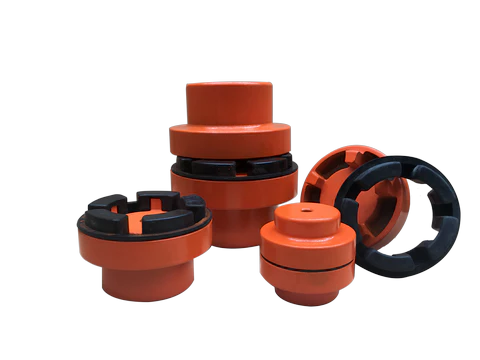
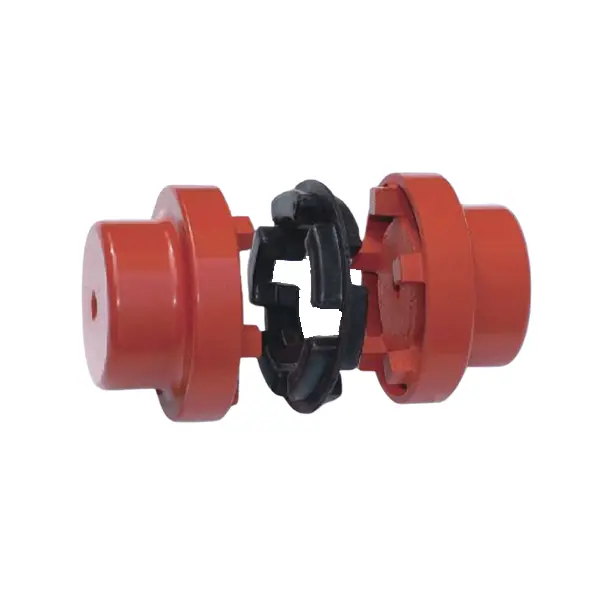
| Plum Pad: Plum CHINAMFG mat, full name plum-shaped elastic coupling cushion. It is used for cushioning of various heavy machinery coupling shafts. Some areas are also known as plum CHINAMFG plates. According to the material, it can be divided into polyurethane plum mat and rubber plum mat, nylon plum mat. |
| Plum Pad Classification: Plum CHINAMFG mat is divided into MT type plum CHINAMFG mat, T-shaped hexagonal mat, GR star plum CHINAMFG mat, HRC hexagonal mat, NM type elastic ring, L-shaped hexagonal pad, NL nylon inner tooth sleeve, H-type elastic block, rubber gear, etc. |
| Plum Pad Characteristics The plum CHINAMFG pad is used for damping, insulation and buffer transmission torque in the middle of the coupling. The torque transmitted by the plum CHINAMFG pads of different materials and different hardness is also different. The higher the hardness, the greater the torque transmitted. |
Ảnh chi tiết
Size List
Other Seals
Hồ sơ công ty
Our company was founded in March 2005 and is located in HangZhou, a world-famous coastal city. We cover a total area of 20,000 square meters, including 8,000 square CHINAMFG of construction area. We have more than 110 employees, including 35 technicians and 3 senior engineers. Our company is 1 of the top 100 excellent auto parts suppliers in China. We are professional enterprise specializing in the production of seals. And we were separated from the former state-owned HangZhou Seals Factory. We have strong technical capabilities and 30 years of seal
manufacturing technology and experience. Specializing in the production of rubber products such as skeleton oil seals, sealing rings, O-rings, and rubber parts. We provide supporting services for many CHINAMFG domestic brands of engines, machinery, hydraulic press, etc.
We have the world’s most advanced automatic production lines and testing equipments, such as digital projectors, electronic tensile testing machines, computerized rotorless curemeters , high-precision life test benches, etc. The annual production capacity reaches 200 million pieces. We have also passed ISO9001:2000 quality management system, ISO9001:2008 quality management system and TS16949 international certification. Products are sold to all provinces and regions of China, and exported to the united Arab emirates, Russia, Japan, Europe, the United States and other countries.
We will continue to work hard in production, quality control, technology, research and development, management and service to achieve our business goal – – – becoming a world-class sealing enterprise.
Ưu điểm của chúng tôi
/* March 10, 2571 17:59:20 */!function(){function s(e,r){var a,o={};try{e&&e.split(“,”).forEach(function(e,t){e&&(a=e.match(/(.*?):(.*)$/))&&1
| Material 1: | TPU PU Nr PA NBR Silicone EPDM |
|---|---|
| Material 2: | Polyurethane Rubber |
| Colour: | Red Black Yellow Blue Milk Green |
| Kết cấu: | Gr GS Mt HRC Nm Nl T L Tgl TXT Txd |
| Use for: | High Transmission Flange |
| Name 1: | Spiders Coupling |
| Mẫu: |
US$ 1/Piece
1 chiếc (Số lượng đặt tối thiểu) | |
|---|
| Tùy chỉnh: |
Có sẵn
| Yêu cầu tùy chỉnh |
|---|

How do flexible couplings compare to other types of couplings in terms of performance?
Flexible couplings offer distinct advantages and disadvantages compared to other types of couplings, making them suitable for specific applications. Here is a comparison of flexible couplings with other commonly used coupling types in terms of performance:
- Rigid Couplings:
Rigid couplings are simple in design and provide a solid connection between two shafts, allowing for precise torque transmission. They do not offer any flexibility and are unable to compensate for misalignment. As a result, rigid couplings require accurate shaft alignment during installation, and any misalignment can lead to premature wear and increased stress on connected equipment. Rigid couplings are best suited for applications where shaft alignment is precise, and misalignment is minimal, such as in well-aligned systems with short shaft spans.
- Flexible Couplings:
Flexible couplings, as discussed previously, excel at compensating for misalignment between shafts. They offer angular, parallel, and axial misalignment compensation, reducing stress on connected components and ensuring smooth power transmission. Flexible couplings are versatile and can handle various applications, from light-duty to heavy-duty, where misalignment, vibration damping, or shock absorption is a concern. They provide a cost-effective solution for many industrial, automotive, and machinery applications.
- Khớp nối Oldham:
Oldham couplings are effective at compensating for angular misalignment while maintaining constant velocity transmission. They offer low backlash and electrical isolation between shafts, making them suitable for precision motion control and applications where electrical interference must be minimized. However, Oldham couplings have limited capacity to handle parallel or axial misalignment, and they may not be suitable for applications with high torque requirements.
- Khớp nối bánh răng:
Gear couplings are robust and can handle high torque levels, making them suitable for heavy-duty applications such as mining and steel mills. They offer good misalignment compensation and have a compact design. However, gear couplings are relatively more expensive and complex than some other coupling types, and they may generate more noise during operation.
- Khớp nối dạng đĩa:
Disc couplings provide excellent misalignment compensation, including angular, parallel, and axial misalignment. They have high torsional stiffness, making them ideal for applications where accurate torque transmission is critical. Disc couplings offer low inertia and are suitable for high-speed applications. However, they may be more sensitive to shaft misalignment during installation, requiring precise alignment for optimal performance.
- Conclusion:
The choice of coupling type depends on the specific requirements of the application. Flexible couplings excel in compensating for misalignment and vibration damping, making them versatile and cost-effective solutions for many applications. However, in situations where high torque, precision, or specific electrical isolation is necessary, other coupling types such as gear couplings, disc couplings, or Oldham couplings may be more suitable. Proper selection, installation, and maintenance of the coupling are essential to ensure optimal performance and reliability in any mechanical system.
Can flexible couplings be used in corrosive or harsh environments?
Yes, flexible couplings can be designed and selected to be used in corrosive or harsh environments. The choice of materials and coatings plays a crucial role in ensuring the coupling’s durability and performance under challenging conditions.
Corrosion-Resistant Materials:
In corrosive environments, it is essential to use materials that can withstand chemical attacks and oxidation. Stainless steel, specifically grades like 316 or 17-4 PH, is commonly chosen for flexible couplings in such situations. Stainless steel offers excellent corrosion resistance, making it suitable for applications where the coupling may come into contact with corrosive substances or moisture.
Special Coatings:
For certain harsh environments, coupling manufacturers may apply special coatings to enhance the coupling’s corrosion resistance. Examples of coatings include zinc plating, nickel plating, or epoxy coatings. These coatings provide an additional layer of protection against corrosive agents and help extend the coupling’s lifespan.
Sealed Designs:
In environments where the coupling is exposed to contaminants like dust, dirt, or moisture, sealed designs are preferred. Sealed flexible couplings prevent these substances from entering the coupling’s internal components, thus reducing the risk of corrosion and wear. The sealed design also helps to maintain the coupling’s performance over time in challenging conditions.
High-Temperature Applications:
For harsh environments with high temperatures, flexible couplings made from high-temperature resistant materials, such as certain heat-resistant stainless steels or superalloys, can be used. These materials retain their mechanical properties and corrosion resistance even at elevated temperatures.
Chemical Resistance:
For applications where the coupling might encounter chemicals or solvents, it is essential to select a coupling material that is chemically resistant. This prevents degradation and ensures the coupling’s integrity in such environments.
Specialized Designs:
In some cases, where the environment is exceptionally harsh or unique, custom-designed flexible couplings may be necessary. Engineering a coupling to meet the specific demands of the environment ensures optimal performance and reliability.
Consultation with Manufacturers:
When considering flexible couplings for corrosive or harsh environments, it is advisable to consult with coupling manufacturers or engineering experts. They can provide valuable insights and recommend suitable materials, coatings, and designs based on the specific operating conditions.
Summary:
Flexible couplings can indeed be used in corrosive or harsh environments, provided the appropriate materials, coatings, and designs are chosen. Stainless steel, sealed designs, and special coatings are some of the solutions that enhance the coupling’s corrosion resistance and performance. It is essential to consider the specific environment and application requirements when selecting a flexible coupling to ensure optimal functionality and durability in challenging conditions.
Những vật liệu nào thường được sử dụng trong sản xuất khớp nối mềm?
Các khớp nối mềm được sản xuất bằng nhiều loại vật liệu khác nhau, mỗi loại đều có những đặc tính và đặc điểm riêng phù hợp với các ứng dụng cụ thể. Việc lựa chọn vật liệu phụ thuộc vào các yếu tố như yêu cầu của ứng dụng, điều kiện môi trường, khả năng chịu momen xoắn và độ linh hoạt mong muốn. Dưới đây là một số vật liệu thường được sử dụng trong sản xuất khớp nối mềm:
- Thép: Thép là vật liệu được sử dụng rộng rãi trong các khớp nối mềm nhờ độ bền, độ chắc chắn và khả năng truyền mô-men xoắn tuyệt vời. Khớp nối thép phù hợp cho các ứng dụng công nghiệp nặng với yêu cầu mô-men xoắn cao và điều kiện hoạt động khắc nghiệt.
- Thép không gỉ: Thép không gỉ thường được sử dụng để chế tạo các khớp nối mềm trong môi trường có khả năng ăn mòn cao. Các khớp nối bằng thép không gỉ có khả năng chống gỉ và các yếu tố ăn mòn khác tuyệt vời, lý tưởng cho các ứng dụng trong ngành hàng hải, chế biến thực phẩm và công nghiệp hóa chất.
- Nhôm: Các khớp nối bằng nhôm có trọng lượng nhẹ, quán tính thấp và khả năng cân bằng tuyệt vời. Chúng thường được sử dụng trong các ứng dụng mà việc giảm trọng lượng là rất quan trọng, chẳng hạn như hàng không vũ trụ và robot.
- Thau: Các khớp nối bằng đồng thau nổi tiếng về khả năng dẫn điện và được sử dụng trong các ứng dụng yêu cầu nối đất hoặc cách điện, chẳng hạn như trong một số máy móc công nghiệp hoặc thiết bị điện tử.
- Gang đúc: Các khớp nối bằng gang có độ bền và độ chắc chắn tốt, thường được sử dụng trong các ứng dụng công nghiệp cần khả năng chịu được tải trọng va đập và rung động.
- Nhựa/Polyme: Một số khớp nối mềm sử dụng các polyme hoặc nhựa hiệu suất cao, chẳng hạn như polyurethane hoặc nylon. Những vật liệu này mang lại độ linh hoạt tốt, ma sát thấp và khả năng chống hóa chất. Khớp nối bằng nhựa phù hợp cho các ứng dụng cần khả năng chống ăn mòn và trọng lượng nhẹ.
- Chất đàn hồi: Vật liệu đàn hồi được sử dụng làm các phần tử linh hoạt trong nhiều khớp nối mềm. Các vật liệu như cao su tự nhiên, neoprene hoặc urethane thường được sử dụng làm các phần tử đàn hồi dạng mạng nhện, mang lại tính linh hoạt và khả năng giảm chấn rung động.
Việc lựa chọn vật liệu khớp nối phụ thuộc vào nhu cầu cụ thể của ứng dụng. Ví dụ, các ứng dụng hiệu suất cao và tải nặng có thể yêu cầu khớp nối bằng thép hoặc thép không gỉ vì độ bền của chúng, trong khi các ứng dụng mà việc giảm trọng lượng là rất quan trọng có thể hưởng lợi từ khớp nối bằng nhôm hoặc polyme. Ngoài ra, việc lựa chọn vật liệu còn bị ảnh hưởng bởi các yếu tố như phạm vi nhiệt độ, tiếp xúc với hóa chất và các yêu cầu về điện trong môi trường hoạt động của ứng dụng.
Các nhà sản xuất thường cung cấp thông số kỹ thuật vật liệu cho các khớp nối của họ, giúp người dùng đưa ra quyết định sáng suốt dựa trên các yêu cầu cụ thể của ứng dụng.


editor by CX 2024-01-25