Ürün Açıklaması
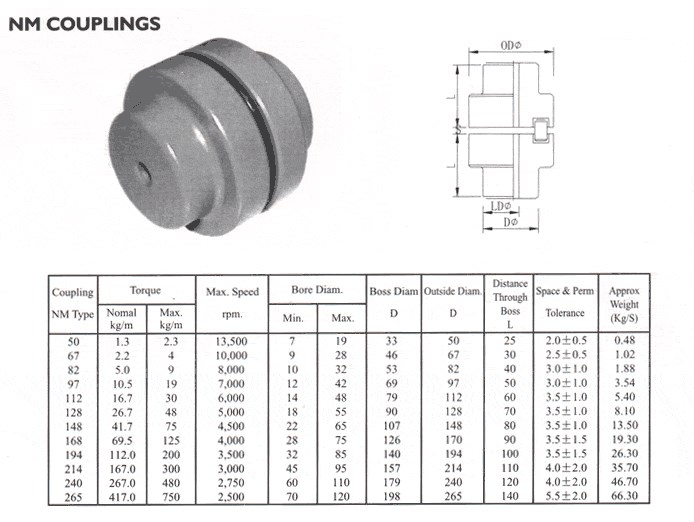
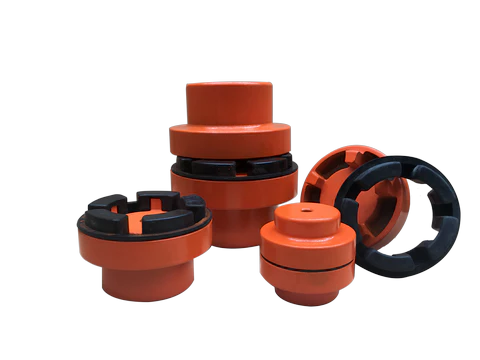
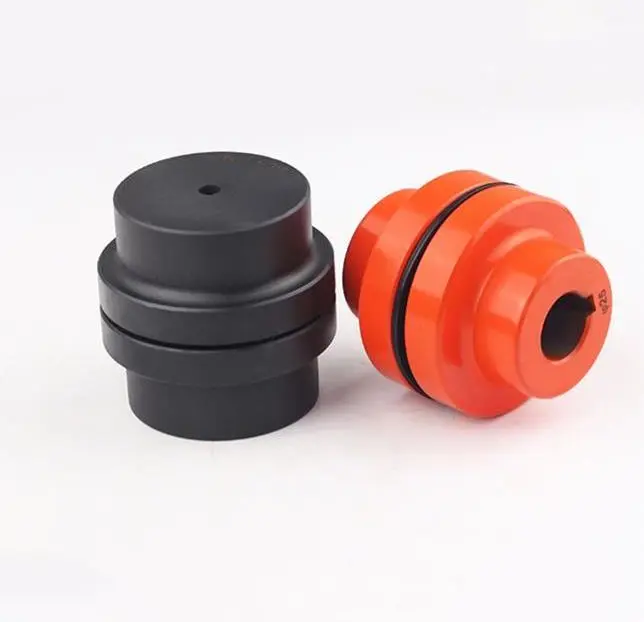
Esnek NM bağlantıları
1. Malzeme: 45# çelik ve NBR kauçuk
2. Bakımı kolay
3. Yüksek hassasiyet
4. OEM
Esnek NM bağlantılarının avantajı:
1. İnşaat:
1) NM tipi, özel olarak tasarlanmış sentetik kauçuktan ve birbirine benzer iki dökme demir gövdeden hassas bir şekilde üretilir.
2) Sadece güç aktarımı için değil, aynı zamanda esnek kauçuğun korunması için de tasarlanmıştır.
3) Kauçuktan yapılmıştır ve dişlerin içine çelik çekirdekler yerleştirilerek mükemmel dayanıklılık ve performans sağlayan bir bağlantı elemanı elde edilmiştir.
2. Uygulamalar:
Pompalar, fanlar, kompresörler, araçlar, taşıma ekipmanları, inşaat makineleri, beton mikserleri, traktörler, şanzıman makineleri,
Metal işleme makineleri, silindirler ve diğer tüm aktarım sistemleri
3. Özellikler:
1) Ekonomik ve pratik kullanım
2) Sessiz ve sorunsuz çalışma
3) Kolay kurulum ve bakım
4) Yüksek torklu ve aralıklı çalışma özelliğine sahip makineler için uygundur.
5) Sentetik kauçuğun özellikleri: Uygun esneklik ve sönümlemeye, yağa, asitlere ve alkalilere karşı direnç.
Ayrıca zincir kaplin, makaralı zincir kaplin, rijit kaplinler, esnek kaplinler, FCL kaplin, esnek kauçuk FCL kaplin, FCL esnek kaplin, dövme çelik FCL kaplin, esnek kaplin FCL, FCL esnek şaft kaplin, çeneli kaplin, HRC kaplin, CHINAMFG kaplin, dökme çelik kaplin, alüminyum kaplin, paslanmaz çelik kaplin, pimli kaplin, MH kaplin, NM kaplin, ara parçalı kaplin, konik kilitli rijit kaplin, flanşlı kaplin, manşonlu kaplin, naylon manşonlu dişli kaplin, dişli kaplin, CRC kaplin, JS kaplin de temin edebiliriz.
Rekabet Avantajı:
More than 20 years advanced technology and experience of us will give strong support for the coupling you need. We will understand your need of product quickly, and give quick respond and good service. A lot of cases of our products will show you that it worth your trust.
Tam kapsamlı kalite kontrol sistemimiz sayesinde ürünlerimiz hassas üretim hattından ve sıkı test süreçlerinden geçmektedir. İstikrarı sağlamak için mükemmel bir çalışma akışımız ve standardımız bulunmaktadır; bu sayede ürünlerimiz kullanım için yeterince güvenilirdir.
Ölçek ekonomimizi, hammadde üstünlüğümüzü ve müşterilerimiz için CHINAMFG'yi hesaba kattığımızda, fiyatlarımızın büyük bir rekabet gücüne sahip olduğunu görüyoruz. Fiyatlarımız, hayal ettiğinizden çok daha uygun ve ekonomiktir.
Dünyanın her yerinden müşterilerimizle uzun ve dostane iş ilişkileri kurmayı içtenlikle umuyoruz. Amacımız sadece ürün sağlamak değil, müşterilerimizin en üst düzeyde memnuniyetini sağlamak için ürün tasarımı, kalıp üretimi, imalat ve servis dahil olmak üzere eksiksiz bir çözüm sunmaktır.
| Place of Origin: |
| Marka Adı: |
| Sertifikasyon: |
| Model Number: |
/* 22 Ocak 2571 19:08:37 */!function(){function s(e,r){var a,o={};try{e&&e.split(“,”).forEach(function(e,t){e&&(a=e.match(/(.*?):(.*)$/))&&1
| Standard: | DIN, ANSI, GB, JIS, BSW |
|---|---|
| Malzeme: | Low Carbon Steel |
| Bağlantı: | Flange |
| Surface Treatment: | Galvanized Sheet |
| Head Type: | Hexagon |
| Module: | Nm Coupling |
| Özelleştirme: |
Mevcut
| Özelleştirilmiş Talep |
|---|
How do flexible couplings compare to other types of couplings in terms of performance?
Flexible couplings offer distinct advantages and disadvantages compared to other types of couplings, making them suitable for specific applications. Here is a comparison of flexible couplings with other commonly used coupling types in terms of performance:
- Rigid Couplings:
Rigid couplings are simple in design and provide a solid connection between two shafts, allowing for precise torque transmission. They do not offer any flexibility and are unable to compensate for misalignment. As a result, rigid couplings require accurate shaft alignment during installation, and any misalignment can lead to premature wear and increased stress on connected equipment. Rigid couplings are best suited for applications where shaft alignment is precise, and misalignment is minimal, such as in well-aligned systems with short shaft spans.
- Flexible Couplings:
Flexible couplings, as discussed previously, excel at compensating for misalignment between shafts. They offer angular, parallel, and axial misalignment compensation, reducing stress on connected components and ensuring smooth power transmission. Flexible couplings are versatile and can handle various applications, from light-duty to heavy-duty, where misalignment, vibration damping, or shock absorption is a concern. They provide a cost-effective solution for many industrial, automotive, and machinery applications.
- Oldham Couplings:
Oldham couplings are effective at compensating for angular misalignment while maintaining constant velocity transmission. They offer low backlash and electrical isolation between shafts, making them suitable for precision motion control and applications where electrical interference must be minimized. However, Oldham couplings have limited capacity to handle parallel or axial misalignment, and they may not be suitable for applications with high torque requirements.
- Gear Couplings:
Gear couplings are robust and can handle high torque levels, making them suitable for heavy-duty applications such as mining and steel mills. They offer good misalignment compensation and have a compact design. However, gear couplings are relatively more expensive and complex than some other coupling types, and they may generate more noise during operation.
- Disc Couplings:
Disc couplings provide excellent misalignment compensation, including angular, parallel, and axial misalignment. They have high torsional stiffness, making them ideal for applications where accurate torque transmission is critical. Disc couplings offer low inertia and are suitable for high-speed applications. However, they may be more sensitive to shaft misalignment during installation, requiring precise alignment for optimal performance.
- Conclusion:
The choice of coupling type depends on the specific requirements of the application. Flexible couplings excel in compensating for misalignment and vibration damping, making them versatile and cost-effective solutions for many applications. However, in situations where high torque, precision, or specific electrical isolation is necessary, other coupling types such as gear couplings, disc couplings, or Oldham couplings may be more suitable. Proper selection, installation, and maintenance of the coupling are essential to ensure optimal performance and reliability in any mechanical system.
How does a flexible coupling affect the noise and vibration levels in a mechanical system?
A flexible coupling plays a crucial role in controlling noise and vibration levels in a mechanical system. It can significantly impact the overall smoothness and quietness of the system’s operation, contributing to enhanced performance and reduced wear on connected components.
Noise Reduction:
Flexible couplings help reduce noise in a mechanical system through their inherent ability to dampen vibrations. When the shafts of rotating machinery are not perfectly aligned, it can lead to vibrations that are transmitted throughout the system, resulting in noise generation. The elastomeric or flexible element of the coupling acts as a vibration dampener, absorbing and dissipating these vibrations. As a result, the noise levels in the system are reduced, creating a quieter operating environment.
Titreşim Sönümleme:
Vibrations in a mechanical system can lead to increased wear and tear on critical components, such as bearings, seals, and gears. Excessive vibrations can also cause resonance and damage to the system over time. Flexible couplings can effectively dampen vibrations by acting as a buffer between the driving and driven shafts. The flexible element absorbs the shock and vibrations, preventing them from propagating to other parts of the system. This vibration damping capability not only reduces noise but also protects the system from potential mechanical failures, extending the lifespan of the equipment.
Alignment Compensation:
Misalignment between shafts is a common cause of vibration and noise in rotating machinery. Flexible couplings excel at compensating for both angular and parallel misalignment. By accommodating misalignment, the coupling reduces the forces acting on the shafts and minimizes the generation of vibrations and noise. Proper alignment through the use of a flexible coupling ensures that the system operates smoothly and quietly.
Effect on Equipment Reliability:
Reducing noise and vibration levels has a positive impact on the reliability of connected equipment. Lower vibrations mean less stress on bearings and other rotating components, leading to extended component life and reduced maintenance requirements. A quieter operating environment can also be essential for certain applications, such as in laboratories or precision manufacturing processes, where excessive noise can interfere with delicate tasks or measurements.
Uygulamalar:
Flexible couplings find application in a wide range of industries, such as manufacturing, power generation, material handling, automotive, aerospace, and robotics. They are commonly used in pumps, compressors, fans, conveyors, and other rotating machinery where noise and vibration control are critical for smooth and reliable operation.
Summary:
A flexible coupling’s ability to reduce noise and dampen vibrations makes it an essential component in mechanical systems. By compensating for misalignment and providing vibration dampening properties, the flexible coupling enhances the overall system performance, reduces noise levels, and protects connected equipment from excessive wear and mechanical failures. Choosing the right type of flexible coupling based on the specific application requirements can have a significant impact on noise reduction and vibration control in the mechanical system.
How do you select the appropriate flexible coupling for a specific application?
Choosing the right flexible coupling for a specific application requires careful consideration of various factors to ensure optimal performance, reliability, and longevity. Here are the key steps to select the appropriate flexible coupling:
- Application Requirements: Understand the specific requirements of the application, including torque and speed specifications, misalignment conditions, operating environment (e.g., temperature, humidity, and presence of corrosive substances), and space limitations.
- Torque Capacity: Determine the maximum torque that the coupling needs to transmit. Choose a flexible coupling with a torque rating that exceeds the application’s requirements to ensure a safety margin and prevent premature failure.
- Hizalama Hatası Telafisi: Consider the type and magnitude of misalignment that the coupling needs to accommodate. Different coupling designs offer varying degrees of misalignment compensation. Select a coupling that can handle the expected misalignment in the system.
- Titreşim Sönümleme: If the application involves significant vibrations, choose a flexible coupling with good damping properties to reduce vibration transmission to connected equipment and improve system stability.
- Environmental Factors: Take into account the environmental conditions in which the coupling will operate. For harsh environments, consider couplings made from corrosion-resistant materials.
- Torsional Stiffness: Depending on the application’s requirements, decide on the desired torsional stiffness of the coupling. Some applications may require high torsional stiffness for precise motion control, while others may benefit from a more flexible coupling for shock absorption.
- Cost and Life-Cycle Considerations: Evaluate the overall cost-effectiveness of the coupling over its expected life cycle. Consider factors such as initial cost, maintenance requirements, and potential downtime costs associated with coupling replacement.
- Manufacturer Recommendations: Consult coupling manufacturers and their technical specifications to ensure the selected coupling is suitable for the intended application.
- Installation and Maintenance: Ensure that the selected flexible coupling is compatible with the equipment and shaft sizes. Follow the manufacturer’s installation guidelines and recommended maintenance practices to maximize the coupling’s performance and longevity.
By following these steps and carefully evaluating the application’s requirements, you can select the most appropriate flexible coupling for your specific needs. The right coupling choice will lead to improved system performance, reduced wear on equipment, and enhanced overall reliability in various mechanical systems and rotating machinery.


editor by CX 2024-04-13