Productbeschrijving
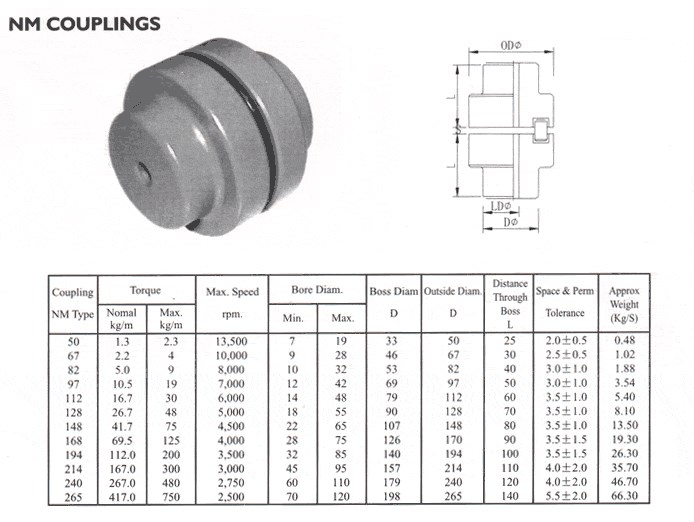
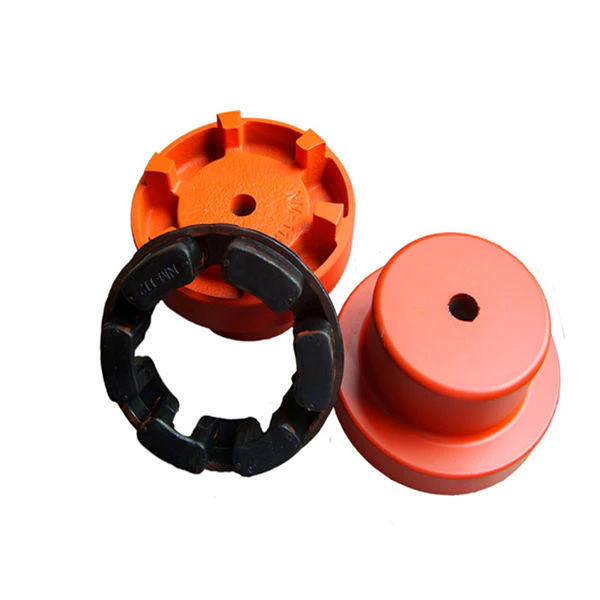
| Productnaam | nm-koppeling |
| Materiaal | gietijzer |
| Type | nm 50-214 |
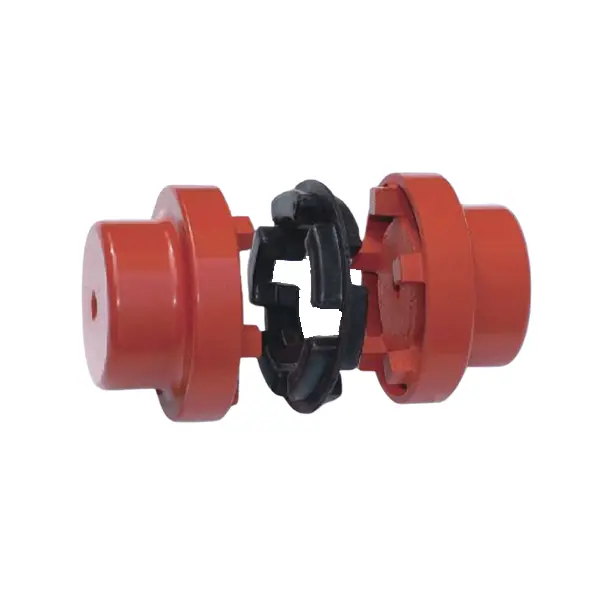
| Structuur | 2 assen ( 1 / 1a / 1b )+spin |
| Boringgrootte | 7-952 mm |
| Gewicht | Ongeveer 0,48-35,7 kg / stuk |
| verpakking | plastic zak + papieren doos + houten doos + houten pallet |
Flexibele koppeling(en)
1. Eendelige metalen veerkoppeling
2. Geen tegenreactie
3. Absorptie van parallelle en hoekafwijkingen en as-speling door middel van veerwerking
4. Identieke rotatiekarakteristieken, zowel met de klok mee als tegen de klok in.
5. Type met stelschroef of klemtype
6. Materiaal: Aluminiumlegering, roestvrij staal of andere materialen naar wens van de klant.
7. Anticorrosiemiddel, veelvuldig gebruikt in de medische wetenschap en chemie.
8. Hoge flexibiliteit
9. Voor servomotor stappenmotor
Waarvoor worden koppelingen gebruikt?
Koppelingen worden gebruikt in servoaandrijvingstechnologie, werktuigmachines, verpakkingsmachines, automatiseringssystemen, drukpersen, industriële robots, besturings- en positioneringstechnologie en algemene machinebouw.
HOOFDPRODUCTEN:
1) Distributieriemschijf (synchrone riemschijf), distributiestang, klemplaat;
2) Smeed-, giet- of stempelonderdeel;
3) V-riemschijf en conische klembus; tandwiel, spanrol en plaatwiel; rechte tandwiel, kegeltandwiel, tandheugel;
4) Schachtvergrendelingsinrichting: zou een alternatief kunnen zijn voor Ringfeder, Sati, Chiaravalli, Tollok, enz.;
5) Askoppelingen: inclusief miniatuurkoppelingen, gebogen tandkoppelingen, kettingkoppelingen, HRC-koppelingen, Normex-koppelingen, Type-koppelingen, GE-koppelingen, koppelbegrenzers en kruiskoppelingen;
6) Asringen: inclusief ring met stelschroef, enkelvoudige ring en dubbele ring;
7) Distributieriemen: inclusief rubberen en PU-distributieriemen voor industriële toepassingen;
8) Overige op maat gemaakte bewerkingsonderdelen volgens tekeningen (OEM).
/* 22 januari 2571 19:08:37 */!function(){function s(e,r){var a,o={};try{e&&e.split(“,”).forEach(function(e,t){e&&(a=e.match(/(.*?):(.*)$/))&&1
| Standaard of niet-standaard: | Standaard |
|---|---|
| Schachtgat: | 8-24 |
| Koppel: | 1.3-300 |
| Boringdiameter: | 7-952 |
| Snelheid: | 3000-13500 |
| Structuur: | Flexibele |
| Voorbeelden: |
US$ 10/stuk
1 stuk (minimale bestelling) | |
|---|
| Aanpassing: |
Beschikbaar
| Aanvraag op maat |
|---|
What are the maintenance requirements for flexible couplings?
Maintenance of flexible couplings is essential to ensure their reliable and efficient performance over their service life. Proper maintenance helps prevent premature wear, reduces the risk of unexpected failures, and extends the lifespan of the couplings. Here are some key maintenance requirements for flexible couplings:
- Regular Inspection: Perform regular visual inspections of the flexible couplings to check for signs of wear, damage, or misalignment. Look for cracks, tears, or any other visible issues in the coupling components.
- Lubrication: Some flexible couplings, especially those with moving parts or sliding surfaces, may require periodic lubrication. Follow the manufacturer’s recommendations regarding the type and frequency of lubrication to ensure smooth operation.
- Alignment Checks: Misalignment is a common cause of coupling failure. Regularly check the alignment of the connected shafts and adjust as necessary. Proper alignment reduces stress on the coupling and improves power transmission efficiency.
- Torque Monitoring: Monitoring the torque transmitted through the coupling can help detect any abnormal or excessive loads. If the coupling is subjected to loads beyond its rated capacity, it may lead to premature failure.
- Environmental Protection: If the couplings are exposed to harsh environmental conditions, take measures to protect them from dust, dirt, moisture, and corrosive substances. Consider using protective covers or seals to shield the couplings from potential contaminants.
- Temperature Considerations: Ensure that the operating temperature of the flexible coupling is within its designed range. Excessive heat can accelerate wear, while extremely low temperatures may affect the flexibility of certain coupling materials.
- Replace Worn or Damaged Parts: If any components of the flexible coupling show signs of wear or damage, replace them promptly with genuine replacement parts from the manufacturer.
- Manufacturer’s Guidelines: Follow the maintenance guidelines provided by the coupling manufacturer. They often include specific maintenance intervals and procedures tailored to the coupling’s design and materials.
- Training and Expertise: Ensure that maintenance personnel have the necessary training and expertise to inspect and maintain the flexible couplings properly. Improper maintenance practices can lead to further issues and compromise the coupling’s performance.
By adhering to these maintenance requirements, you can maximize the service life of the flexible couplings and minimize the risk of unexpected downtime or costly repairs. Regular maintenance helps maintain the efficiency and reliability of the coupling in various industrial, automotive, and machinery applications.
Can flexible couplings be used in corrosive or harsh environments?
Yes, flexible couplings can be designed and selected to be used in corrosive or harsh environments. The choice of materials and coatings plays a crucial role in ensuring the coupling’s durability and performance under challenging conditions.
Corrosion-Resistant Materials:
In corrosive environments, it is essential to use materials that can withstand chemical attacks and oxidation. Stainless steel, specifically grades like 316 or 17-4 PH, is commonly chosen for flexible couplings in such situations. Stainless steel offers excellent corrosion resistance, making it suitable for applications where the coupling may come into contact with corrosive substances or moisture.
Special Coatings:
For certain harsh environments, coupling manufacturers may apply special coatings to enhance the coupling’s corrosion resistance. Examples of coatings include zinc plating, nickel plating, or epoxy coatings. These coatings provide an additional layer of protection against corrosive agents and help extend the coupling’s lifespan.
Sealed Designs:
In environments where the coupling is exposed to contaminants like dust, dirt, or moisture, sealed designs are preferred. Sealed flexible couplings prevent these substances from entering the coupling’s internal components, thus reducing the risk of corrosion and wear. The sealed design also helps to maintain the coupling’s performance over time in challenging conditions.
High-Temperature Applications:
For harsh environments with high temperatures, flexible couplings made from high-temperature resistant materials, such as certain heat-resistant stainless steels or superalloys, can be used. These materials retain their mechanical properties and corrosion resistance even at elevated temperatures.
Chemical Resistance:
For applications where the coupling might encounter chemicals or solvents, it is essential to select a coupling material that is chemically resistant. This prevents degradation and ensures the coupling’s integrity in such environments.
Specialized Designs:
In some cases, where the environment is exceptionally harsh or unique, custom-designed flexible couplings may be necessary. Engineering a coupling to meet the specific demands of the environment ensures optimal performance and reliability.
Consultation with Manufacturers:
When considering flexible couplings for corrosive or harsh environments, it is advisable to consult with coupling manufacturers or engineering experts. They can provide valuable insights and recommend suitable materials, coatings, and designs based on the specific operating conditions.
Summary:
Flexible couplings can indeed be used in corrosive or harsh environments, provided the appropriate materials, coatings, and designs are chosen. Stainless steel, sealed designs, and special coatings are some of the solutions that enhance the coupling’s corrosion resistance and performance. It is essential to consider the specific environment and application requirements when selecting a flexible coupling to ensure optimal functionality and durability in challenging conditions.
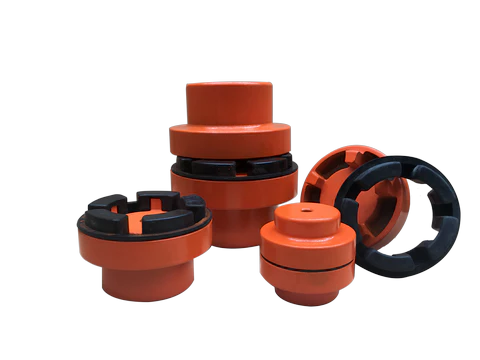
Wat zijn de voordelen van het gebruik van flexibele koppelingen in mechanische systemen?
Flexibele koppelingen bieden diverse voordelen in mechanische systemen, waardoor ze essentiële componenten zijn in uiteenlopende toepassingen. Hieronder volgen de belangrijkste voordelen van het gebruik van flexibele koppelingen:
- Compensatie voor verkeerde uitlijning: Een van de belangrijkste voordelen van flexibele koppelingen is hun vermogen om asuitlijningsfouten te compenseren. In mechanische systemen kunnen uitlijningsfouten optreden als gevolg van diverse factoren, zoals installatiefouten, thermische uitzetting of asbuiging. Flexibele koppelingen kunnen hoek-, parallelle en axiale uitlijningsfouten opvangen, waardoor een soepele krachtoverbrenging wordt gegarandeerd en de belasting op de aangesloten apparatuur en assen wordt verminderd.
- Trillingsdemping: Flexibele koppelingen fungeren als dempingselementen en absorberen en dempen trillingen en schokken die tijdens de werking ontstaan. Deze eigenschap helpt om geluidsoverlast te verminderen, de apparatuur te beschermen tegen overmatige slijtage en de algehele betrouwbaarheid en prestaties van het systeem te verbeteren.
- Torsieflexibiliteit: Flexibele koppelingen bieden torsieflexibiliteit, waardoor ze kleine hoek- en axiale doorbuigingen kunnen opvangen. Deze eigenschap beschermt de apparatuur tegen plotselinge koppelfluctuaties, schokbelastingen en koppelpieken, wat zorgt voor een soepelere werking en schade aan de machines voorkomt.
- Overbelastingsbeveiliging: Bij plotselinge overbelasting of koppelpieken kunnen flexibele koppelingen het overtollige koppel absorberen en verdelen, waardoor de aangesloten apparatuur en aandrijflijn worden beschermd tegen schade. Deze overbelastingsbeveiliging voorkomt onverwachte storingen en vermindert de stilstandtijd in kritische toepassingen.
- Minder slijtage en onderhoud: Door uitlijningsfouten te compenseren en trillingen te dempen, helpen flexibele koppelingen slijtage aan de aangesloten apparatuur, lagers en afdichtingen te verminderen. Dit resulteert in een langere levensduur van componenten en minder onderhoud, wat leidt tot kostenbesparingen en een verbeterde systeem betrouwbaarheid.
- Compensatie voor thermische uitzetting: In systemen die aan temperatuurschommelingen worden blootgesteld, kunnen flexibele koppelingen thermische uitzetting en krimp compenseren, waardoor de juiste uitlijning behouden blijft en vastlopen of overmatige spanning op de apparatuur tijdens temperatuurveranderingen wordt voorkomen.
- Elektrische isolatie: Sommige flexibele koppelingen, zoals schijfkoppelingen, bieden elektrische isolatie tussen assen. Deze eigenschap is gunstig in toepassingen waar galvanische corrosie of elektrische interferentie tussen aangesloten componenten tot een minimum moet worden beperkt.
- Ruimte- en gewichtsbesparing: Flexibele koppelingen hebben vaak een compact ontwerp en een lage inertie, wat voordelig is in toepassingen met beperkte ruimte en waar gewichtsminimum cruciaal is voor prestaties en efficiëntie.
- Kosteneffectiviteit: Flexibele koppelingen zijn over het algemeen kosteneffectieve oplossingen voor krachtoverbrenging en bewegingsregeling, vooral in vergelijking met complexere en duurdere koppelingstypen. Hun relatief eenvoudige ontwerp en installatiegemak dragen bij aan kostenbesparingen.
Samenvattend spelen flexibele koppelingen een essentiële rol in mechanische systemen door het compenseren van uitlijningsfouten, het dempen van trillingen, het beschermen tegen overbelasting en het bieden van torsieflexibiliteit. Deze voordelen leiden tot betere systeemprestaties, minder slijtage en onderhoud, en een hogere betrouwbaarheid van de apparatuur, waardoor flexibele koppelingen een voorkeurskeuze zijn in diverse industriële, automobiel-, maritieme en ruimtevaarttoepassingen.


editor by CX 2024-04-12