製品説明
製品説明
COUPLINGS
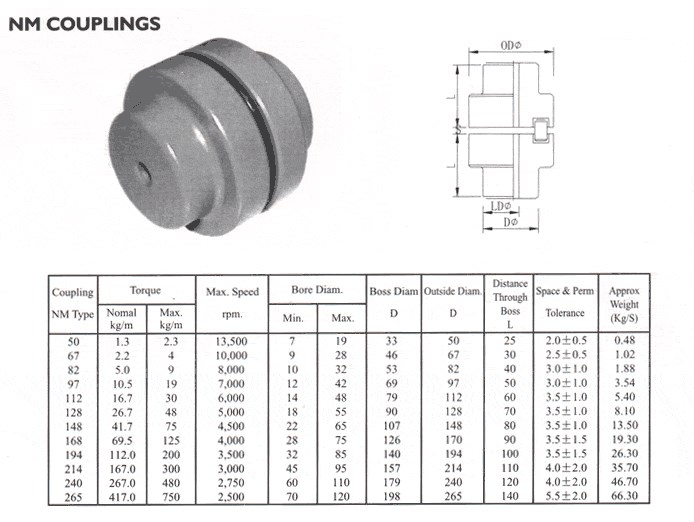
| HRC | FCL | Chain coupling | GE | L | NM | MH | Torque limiter |
| HRC 70B | FCL90 | KC4012 | GE14 | L050 | NM50 | MH45 | TL250-2 |
| HRC 70F | FCL100 | KC4014 | GE19 | L070 | NM67 | MH55 | TL250-1 |
| HRC 70H | FCL112 | KC4016 | GE24 | L075 | NM82 | MH65 | TL350-2 |
| HRC 90B | FCL125 | KC5014 | GE28 | L090 | NM97 | MH80 | TL350-1 |
| HRC 90F | FCL140 | KC5016 | GE38 | L095 | NM112 | MH90 | TL500-2 |
| HRC 90H | FCL160 | KC6018 | GE42 | L099 | NM128 | MH115 | TL500-1 |
| HRC 110B | FCL180 | KC6571 | GE48 | L100 | NM148 | MH130 | TL700-2 |
| HRC 110F | FCL200 | KC6571 | GE55 | L110 | NM168 | MH145 | TL700-1 |
| HRC 110H | FCL224 | KC8018 | GE65 | L150 | NM194 | MH175 | |
| HRC 130B | FCL250 | KC8571 | GE75 | L190 | NM214 | MH200 | |
| HRC 130F | FCL280 | KC8571 | GE90 | L225 | |||
| HRC 130H | FCL315 | KC1571 | |||||
| HRC 150B | FCL355 | KC12018 | |||||
| HRC 150F | FCL400 | KC12571 | |||||
| HRC 150H | FCL450 | ||||||
| HRC 180B | FCL560 | ||||||
| HRC 180F | FCL630 | ||||||
| HRC 180H | |||||||
| HRC 230B | |||||||
| HRC 230F | |||||||
| HRC 230H | |||||||
| HRC 280B | |||||||
| HRC 280F | |||||||
| HRC 280H |
Catalogue
Workshop
Lots of coupling in stock
よくある質問
Q1: Are you trading company or manufacturer ?
A: We are factory.
Q2: How long is your delivery time and shipment?
1.Sample Lead-times: 10-20 days.
2.Production Lead-times: 30-45 days after order confirmed.
Q3: What is your advantages?
1. The most competitive price and good quality.
2. Perfect technical engineers give you the best support.
3. OEM is available.
/* 2571 年 1 月 22 日 19:08:37 */!function(){function s(e,r){var a,o={};try{e&&e.split(“,”).forEach(function(e,t){e&&(a=e.match(/(.*?):(.*)$/))&&1
| 標準か非標準か: | 標準 |
|---|---|
| 構造: | Flexible |
| 材料: | Steel |
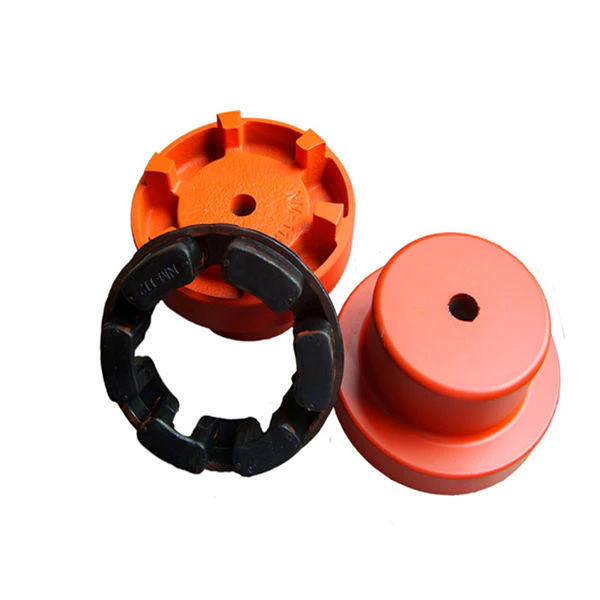
| Type 1: | Nm50 |
| Type 2: | Nm67 |
| Type 3: | Nm82 |
| カスタマイズ: |
利用可能
| カスタマイズされたリクエスト |
|---|
What are the maintenance requirements for flexible couplings?
Maintenance of flexible couplings is essential to ensure their reliable and efficient performance over their service life. Proper maintenance helps prevent premature wear, reduces the risk of unexpected failures, and extends the lifespan of the couplings. Here are some key maintenance requirements for flexible couplings:
- Regular Inspection: Perform regular visual inspections of the flexible couplings to check for signs of wear, damage, or misalignment. Look for cracks, tears, or any other visible issues in the coupling components.
- Lubrication: Some flexible couplings, especially those with moving parts or sliding surfaces, may require periodic lubrication. Follow the manufacturer’s recommendations regarding the type and frequency of lubrication to ensure smooth operation.
- Alignment Checks: Misalignment is a common cause of coupling failure. Regularly check the alignment of the connected shafts and adjust as necessary. Proper alignment reduces stress on the coupling and improves power transmission efficiency.
- Torque Monitoring: Monitoring the torque transmitted through the coupling can help detect any abnormal or excessive loads. If the coupling is subjected to loads beyond its rated capacity, it may lead to premature failure.
- Environmental Protection: If the couplings are exposed to harsh environmental conditions, take measures to protect them from dust, dirt, moisture, and corrosive substances. Consider using protective covers or seals to shield the couplings from potential contaminants.
- Temperature Considerations: Ensure that the operating temperature of the flexible coupling is within its designed range. Excessive heat can accelerate wear, while extremely low temperatures may affect the flexibility of certain coupling materials.
- Replace Worn or Damaged Parts: If any components of the flexible coupling show signs of wear or damage, replace them promptly with genuine replacement parts from the manufacturer.
- Manufacturer’s Guidelines: Follow the maintenance guidelines provided by the coupling manufacturer. They often include specific maintenance intervals and procedures tailored to the coupling’s design and materials.
- Training and Expertise: Ensure that maintenance personnel have the necessary training and expertise to inspect and maintain the flexible couplings properly. Improper maintenance practices can lead to further issues and compromise the coupling’s performance.
By adhering to these maintenance requirements, you can maximize the service life of the flexible couplings and minimize the risk of unexpected downtime or costly repairs. Regular maintenance helps maintain the efficiency and reliability of the coupling in various industrial, automotive, and machinery applications.
フレキシブルカップリングは、接続機器全体の信頼性にどのような影響を与えるのでしょうか?
フレキシブルカップリングは、接続機器の全体的な信頼性にいくつかの点で大きな影響を与えます。
- 位置ずれ補正: フレキシブルカップリングは、接続されたシャフト間の角度ずれと平行ずれの両方に対応できます。ずれを許容することで、ベアリング、シール、その他の回転部品にかかるストレスと摩耗を軽減します。この機能により、これらの部品の早期故障を防ぎ、信頼性の向上と機器の寿命延長に貢献します。
- 振動減衰: フレキシブルカップリングは、弾性体または柔軟な要素を備えているため、固有の減衰特性を有しています。これらの要素は、機械の運転中に発生する振動を吸収・散逸します。振動を減衰させることで、カップリングは接続機器を過度の振動から保護し、疲労を軽減し、機械的故障を防止します。この強化された振動制御により、システムの信頼性が向上します。
- 衝撃荷重吸収: 重機や高速機器など、急激な負荷変動や衝撃荷重が発生する用途では、フレキシブルカップリングが衝撃吸収材として機能します。衝撃エネルギーを吸収・分散することで、急激な負荷による機械の損傷を防ぎます。衝撃荷重を吸収する能力は、接続機器全体の信頼性向上に貢献します。
- 摩耗の軽減: カップリングの柔軟性により、回転機器にかかるストレスと摩耗が最小限に抑えられます。わずかな動きや位置ずれを許容することで、ベアリングやその他の重要部品にかかる摩擦とストレスが軽減されます。摩耗の低減により、メンテナンスや交換の頻度が減り、機器全体の信頼性が向上します。
- 熱膨張の補償: 機械の温度変化は、シャフトの熱膨張または収縮を引き起こす可能性があります。フレキシブルカップリングはこれらの熱影響を補償し、温度条件が変動しても機械が適切な位置合わせを維持することを保証します。この補償により、固着や位置ずれを防ぎ、信頼性の高い性能を実現します。
- 過負荷に対する保護機能: フレキシブルカップリングは、接続機器を過負荷やねじり振動から保護するのに役立ちます。過負荷が発生すると駆動系を切り離す機械式ヒューズとして機能し、高価な機械の損傷を防ぎます。この安全機能により、システム全体の信頼性が向上し、壊滅的な故障のリスクが低減されます。
- メンテナンスと調整が簡単: フレキシブルカップリングは、取り付けと位置合わせが容易になるように設計されています。この特長により、メンテナンス手順が簡素化され、必要に応じてカップリングの点検や交換が容易になります。カップリングが適切に位置合わせされることで、機器の性能と寿命が向上し、全体的な信頼性が高まります。
フレキシブルカップリングは、位置ずれの補正、振動の減衰、衝撃荷重の吸収、摩耗の低減、その他の保護機能を提供することで、接続機器の信頼性を大幅に向上させます。重要な部品の寿命を延ばし、ダウンタイムを最小限に抑え、スムーズで効率的な動作を保証するため、様々な産業用途において貴重な部品となっています。
Can you explain the different types of flexible coupling designs available?
There are several types of flexible coupling designs available, each with its unique construction and characteristics. These designs are tailored to meet specific application requirements and address different types of misalignment and torque transmission needs. Here are some of the most common types of flexible couplings:
- ジョーカップリング: Jaw couplings consist of two hubs with curved jaws and an elastomer spider placed between them. The spider acts as a flexible element and can compensate for angular and parallel misalignment. Jaw couplings are widely used in various industrial applications due to their simple design and effectiveness in handling misalignment and vibration damping.
- ディスクカップリング: Disc couplings use thin metallic discs with a series of alternating slits and flanges to connect the shafts. The disc coupling design allows for excellent misalignment compensation, including angular, parallel, and axial misalignment. Disc couplings are known for their high torsional stiffness and precise torque transmission capabilities.
- ギアカップリング: Gear couplings consist of toothed hubs connected by an external sleeve with gear teeth. They are well-suited for applications with high torque and moderate misalignment. Gear couplings offer good misalignment compensation and high torque capacity, making them popular in heavy-duty industrial applications.
- ビームカップリング: Beam couplings use a single piece of flexible material, often a metal beam, to connect the shafts. The material’s flexibility allows for angular and axial misalignment compensation. Beam couplings are compact, lightweight, and provide low inertia, making them suitable for applications with high-speed requirements.
- ベローズカップリング: Bellows couplings consist of a bellows-like flexible structure that connects the two hubs. They can compensate for angular, parallel, and axial misalignment. Bellows couplings are known for their high torsional stiffness and ability to maintain constant velocity transmission.
- オールドハム連結器: Oldham couplings use three discs, with the middle one having a perpendicular slot. This design allows for angular misalignment compensation while transmitting torque between the hubs. Oldham couplings are often used when electrical isolation between shafts is required.
Each flexible coupling design has its strengths and limitations, and the choice depends on factors such as the application’s torque requirements, misalignment conditions, operating environment, and speed. Proper selection of the coupling type ensures optimal performance, efficiency, and reliability in various mechanical systems and rotating machinery.


editor by CX 2024-03-07