Descrizione del prodotto
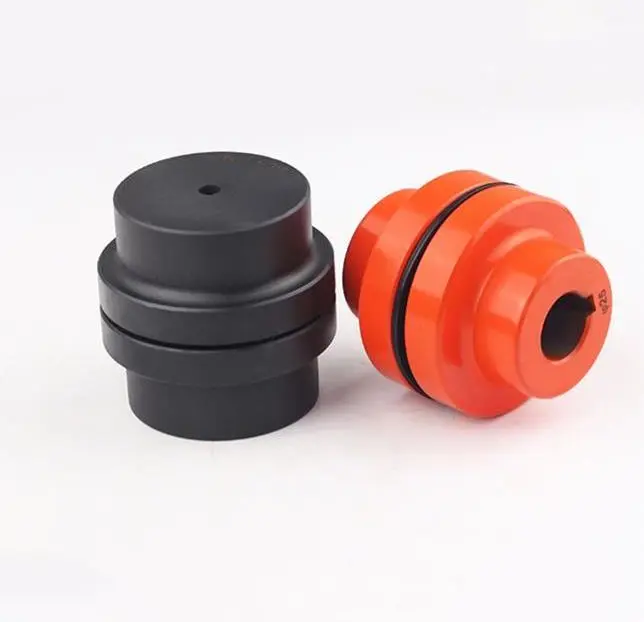
Raccordi Nor-Mex in ghisa sferoidale, misure 50/67/82/97/112/128/148/168/194/214/240/265/295/330/370/415/480/575
Descrizione del prodotto
Mighty can produce full series of Normex couplings: NM 50, NM 67, NM 82, NM 97, NM 112, NM 128, NM 148, NM 168, NM 194, NM 214, NM 240, NM 265, NM 295, NM 330, NM 370, NM 415, NM 480, NM 575.
Material: cast iron GG25;
ore type: pilot bore, finished bore for set screw, bearing, keyway, taper bush;
Surface finish: phosphate coated.
OUR COMPANY
ZheJiang Mighty Machinery Co., Ltd. specializes in offering best service and the most competitive price for our customer.
After over 10 years’ hard work, MIGHTY’s business has grown rapidly and become an important partner for oversea clients in the industrial field and become a holding company for 3 manufacturing factories.
MIGHTY’s products have obtained reputation of domestic and oversea customers with taking advantage of technology, managemeNt, quality and very competitive price.
Your satisfaction is the biggest motivation for our work, choose us to get high quality products and best service.
OUR FACTORY
Prodotti principali:
Timing belt pulleys, timing bars, timing belt clamping plates.
Locking elements and shrink discs: could be alternative for Ringfeder, Sati, Chiaravalli, BEA, KBK, Tollok, etc.
V belt pulleys and taper lock bush.
Sprockets, idler, and plate wheels.
Gears and racks: spur gear, helical gear, bevel gear, worm gear, gear rack.
Shaft couplings: miniature coupling, curved tooth coupling, chain coupling, HRC coupling, normex coupling, FCL coupling, GE coupling, rigid and flexible coupling, jaw coupling, disc coupling, multi-beam coupling, universal joint, torque limiter, shaft collars.
Forgiatura, fusione e stampaggio di componenti.
Other customized power transmission products and Machining Parts (OEM).
Applicazione
1. Engineering: machine tools, foundry equipments, conveyors, compressors, painting systems, etc.
2. Pharmaceuticals& Food Processing: pulp mill blowers, conveyor in warehouse, agitators, grain, boiler, bakery machine, labeling machine, robots, etc.
3. Agriculture Industries: cultivator, rice winnower tractor, harvester, rice planter, farm equipment, etc.
4. Texitile Mills: looms, spinning, wrappers, high-speed auto looms, processing machine, twister, carding machine, ruler calendar machine, high speed winder, etc.
5. Printing Machinery: newspaper press, rotary machine, screen printer machine, linotype machine offset printer, etc.
6. Paper Industries: chipper roll grinder, cut off saw, edgers, flotation cell and chips saws, etc.
7. Building Construction Machinery: buffers, elevator floor polisher mixing machine, vibrator, hoists, crusher, etc.
8. Office Equipments: typewriter, plotters, camera, money drive, money sorting machine, data storage equipment, etc.
9. Glass and Plastic Industries: conveyor, carton sealers, grinders, creeper paper manufacturing machine, lintec backing, etc.
10. Home Appliances: vacuum cleaner, laundry machine, icecream machine, sewing machine, kitchen equipments, etc.
FAQ
D: Siete una società commerciale o un produttore?
A: We are factory.
D: Quali sono i tempi di consegna?
A: Generally it is 5-10 days if the goods are in stock. or it is 15-20 days if the goods are not in stock, it is according to quantity.
Q: Do you provide samples ? is it free or extra ?
A: Sì, possiamo offrire il campione gratuitamente, ma le spese di spedizione sono a carico del cliente.
D: Quali sono le vostre condizioni di pagamento?
A: Payment=1000USD, 30% T/T in advance ,balance before shippment.
Se avete ulteriori domande, non esitate a contattarci utilizzando i recapiti riportati di seguito:
Contacts
We warmly welcome friends from domestic and abroad come to us for business negotiation and cooperation for mutual benefit. To supply customers excellent quality products with good price and punctual delivery time is our responsibility.
UNny question or inquiry, pls contact us without hesitate, we assure any of your inquiry will get our prompt attention and reply!
Tina Shaw
/* March 10, 2571 17:59:20 */!function(){function s(e,r){var a,o={};try{e&&e.split(“,”).forEach(function(e,t){e&&(a=e.match(/(.*?):(.*)$/))&&1
| Standard o non standard: | Standard |
|---|---|
| Foro dell'albero: | 50-218 mm |
| Coppia: | 2.7-300 N.M |
| Diametro del foro: | 7-95 mm |
| Velocità: | 3000-12500 Rpm |
| Struttura: | Jaw / Spider |
| Esempi: |
US$ 0.1/Piece
1 pezzo (ordine minimo) | |
|---|
| Personalizzazione: |
Disponibile
| Richiesta personalizzata |
|---|

Can flexible couplings accommodate high torque and high-speed applications?
Yes, flexible couplings can accommodate both high torque and high-speed applications, but the suitability depends on the specific design and material of the flexible coupling. Different types of flexible couplings have varying torque and speed capacities, and it’s crucial to select the right type of coupling based on the application requirements.
High Torque Applications:
Some flexible couplings, such as gear couplings and disc couplings, are designed to handle high torque levels. Gear couplings consist of toothed hubs that mesh with each other, providing a robust and efficient torque transmission. They are commonly used in heavy-duty industrial applications, such as steel mills, mining equipment, and power generation plants, where high torque loads are prevalent.
Disc couplings are also suitable for high torque applications. They use a series of flexible metal discs that can handle significant torque while compensating for misalignment. Disc couplings are often used in high-speed machinery and critical applications where precise torque transmission is essential.
High-Speed Applications:
Flexible couplings can also be used in high-speed applications. For instance, certain disc couplings, elastomeric couplings, and grid couplings are capable of handling high rotational speeds. These couplings have low inertia, which means they can respond quickly to changes in speed and provide efficient power transmission at high RPMs.
Elastomeric couplings, such as jaw couplings and tire couplings, are commonly used in various industrial applications, including pumps, compressors, and fans, where both torque and speed requirements are high. They offer good flexibility and damping properties, making them suitable for applications with high-speed variations and vibrations.
Considerations:
When selecting a flexible coupling for high torque and high-speed applications, several factors should be considered:
- The torque and speed ratings provided by the coupling manufacturer should be checked to ensure they meet or exceed the application’s requirements.
- The design and materials of the coupling should be suitable for the specific operating conditions, including temperature, environment, and potential exposure to corrosive substances.
- Proper alignment and installation of the coupling are critical to ensure optimal performance and prevent premature wear.
- In some cases, it may be necessary to use additional components, such as torque limiters or speed reducers, to protect the coupling and the connected equipment from excessive loads or speed fluctuations.
In conclusion, flexible couplings can indeed accommodate high torque and high-speed applications, but the appropriate coupling type and proper selection are essential to ensure reliable and efficient performance in these demanding conditions.
What role does a flexible coupling play in reducing downtime and maintenance costs?
A flexible coupling plays a significant role in reducing downtime and maintenance costs in industrial machinery and rotating equipment. Here are the key ways in which flexible couplings contribute to these benefits:
- Compensazione del disallineamento: One of the primary functions of a flexible coupling is to accommodate misalignment between two connected shafts. Misalignment can occur due to various factors such as thermal expansion, foundation settling, or manufacturing tolerances. By allowing for misalignment, flexible couplings reduce the transmission of harmful forces and stresses to connected components, minimizing wear and preventing premature failures that could lead to costly downtime and repairs.
- Smorzamento delle vibrazioni: Flexible couplings have inherent damping properties due to the elastomeric or flexible elements they incorporate. These elements absorb and dissipate vibration and shock loads that may arise from the operation of rotating machinery. By dampening vibrations, flexible couplings protect the connected equipment from excessive wear and fatigue, extending their service life and reducing the need for frequent maintenance or replacement.
- Assorbimento del carico d'urto: In applications where sudden loads or shocks are common, such as in heavy machinery or high-speed equipment, flexible couplings act as shock absorbers. They can absorb and dissipate the impact energy, preventing damage to the machinery and minimizing downtime caused by unexpected failures or breakdowns.
- Easy Installation and Alignment: Flexible couplings are designed for ease of installation and alignment. Unlike rigid couplings that require precise shaft alignment, flexible couplings can tolerate some degree of misalignment during installation. This feature simplifies the setup process, reduces installation time, and lowers the risk of misalignment-related issues, ultimately minimizing downtime during initial installation or replacement of couplings.
- Reduced Maintenance Frequency: The ability of flexible couplings to handle misalignment and dampen vibrations results in reduced wear on bearings, seals, and other connected components. Consequently, the frequency of maintenance intervals can be extended, reducing the need for frequent inspections and component replacements. This directly translates to lower maintenance costs and less downtime for maintenance tasks.
- Equipment Protection: By reducing the transmission of shock loads and vibrations, flexible couplings act as protective barriers for connected equipment. They help prevent catastrophic failures and subsequent damage to expensive machinery, avoiding unplanned shutdowns and costly repairs.
Overall, flexible couplings are critical components that improve the reliability and longevity of rotating equipment. Their ability to handle misalignment, dampen vibrations, and protect against shock loads contributes to reduced downtime, lower maintenance costs, and increased productivity in industrial applications.
Che cos'è un giunto flessibile e come funziona?
Un giunto flessibile è un dispositivo meccanico utilizzato per collegare due alberi consentendo un movimento relativo tra di essi. È progettato per trasmettere la coppia da un albero all'altro, compensando disallineamenti, vibrazioni e urti. I giunti flessibili sono componenti essenziali in diverse macchine e sistemi rotanti, in quanto contribuiscono a proteggere le apparecchiature collegate e a migliorarne le prestazioni complessive.
Tipologie di giunti flessibili:
Esistono diversi tipi di giunti flessibili, ognuno con un design e caratteristiche uniche. Alcuni tipi comuni includono:
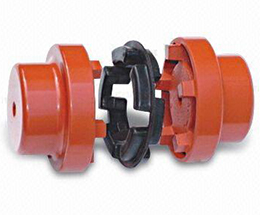
- Giunti a ganasce: I giunti a ganasce sono dotati di elementi elastici a forma di ragno che si inseriscono tra due mozzi. Sono in grado di compensare disallineamenti angolari e paralleli, smorzando al contempo le vibrazioni.
- Giunti a disco: I giunti a disco utilizzano sottili dischi metallici per collegare gli alberi. Sono estremamente flessibili e offrono un'eccellente compensazione dei disallineamenti.
- Giunti a ingranaggi: I giunti a ingranaggi utilizzano i denti degli ingranaggi per trasmettere la coppia. Offrono un'elevata capacità di coppia e possono gestire disallineamenti moderati.
- Giunti per travi: I giunti a trave utilizzano un singolo elemento di materiale flessibile, come una trave metallica, per trasmettere la coppia compensando al contempo il disallineamento.
- Giunti a soffietto: I giunti a soffietto utilizzano una struttura a soffietto per consentire la compensazione dei disallineamenti assiali, angolari e paralleli.
- Giunti Oldham: I giunti Oldham utilizzano tre dischi, di cui quello centrale presenta una fessura perpendicolare per consentire la compensazione del disallineamento.
Come funziona un giunto flessibile:
Il funzionamento di un giunto flessibile dipende dalla sua specifica progettazione, ma i principi generali sono simili. Prendiamo come esempio un giunto a ganasce per spiegare come funziona un giunto flessibile:
- Due alberi sono collegati ai mozzi di accoppiamento su entrambi i lati, con un elemento elastico a forma di ragno interposto tra di essi.
- Quando viene applicata una coppia a un albero, il supporto della ruota dentata si comprime e si deforma leggermente, trasmettendo la coppia all'altro albero.
- In caso di disallineamento tra gli alberi, il supporto in elastomero si flette e compensa il disallineamento, garantendo una trasmissione di coppia fluida senza imporre carichi eccessivi sugli alberi o sulle apparecchiature collegate.
- Il supporto elastomerico funge anche da elemento smorzante, assorbendo vibrazioni e urti durante il funzionamento, riducendo così l'usura delle apparecchiature e migliorando la stabilità del sistema.
Nel complesso, la flessibilità e la capacità di compensare i disallineamenti sono le caratteristiche chiave che consentono a un giunto flessibile di funzionare efficacemente. La scelta di uno specifico tipo di giunto flessibile dipende dai requisiti dell'applicazione, come la capacità di coppia, la compensazione dei disallineamenti e le condizioni ambientali.


editor by CX 2024-02-04