उत्पाद वर्णन
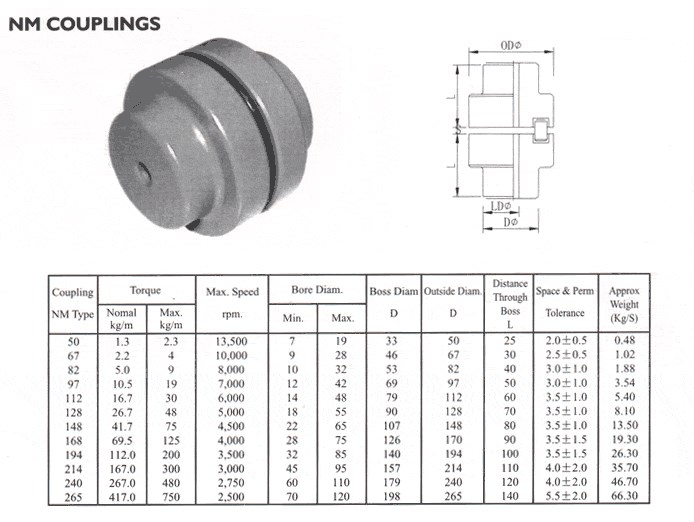
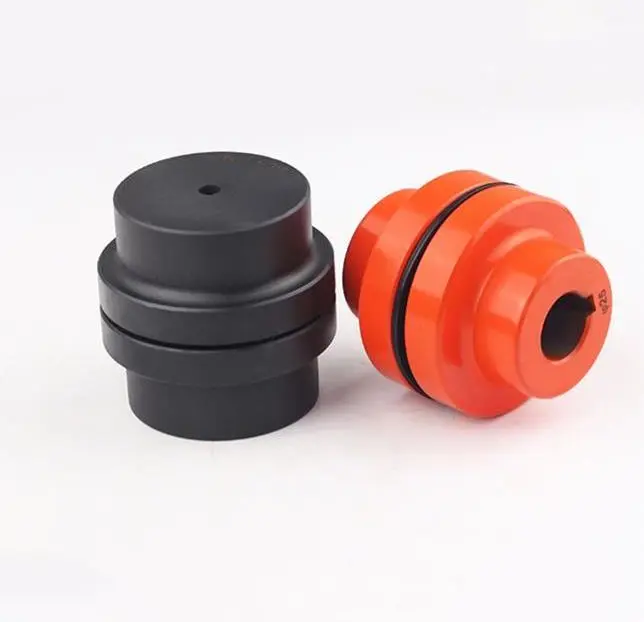
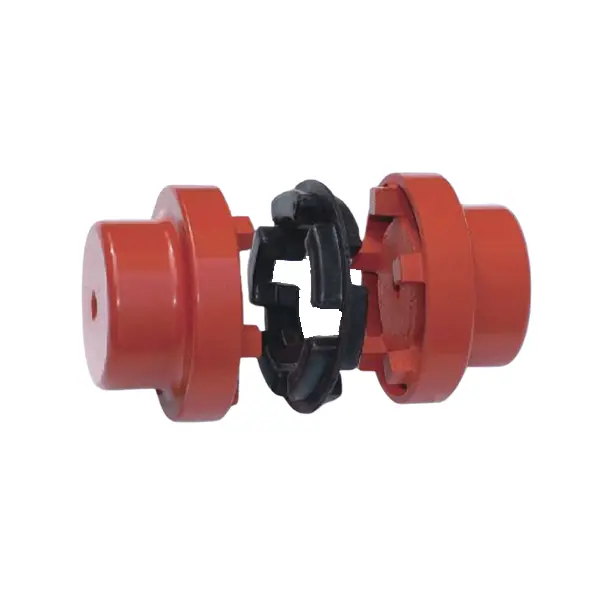
OEM Service HRC GR NM KC Shaft Coupling
KC Chain Couplings:
| प्रोडक्ट का नाम | KC roller chain coupling |
| सामग्री | C45 steel |
| Part Number | KCL3012-KC24026 |
| सतह का उपचार | Hardening teeth |
| जनम का आकार | उपलब्ध |
| आकार | Standard & Custom |
मुख्य उत्पाद:
1. Timing Belt Pulley (Synchronous Pulley), Timing Bar, Clamping Plate;
2. Forging, Casting, Stampling Part;
3. V Belt Pulley and Taper Lock Bush; Sprocket, Idler and Plate Wheel;Spur Gear, Bevel Gear, Rack;
4. Shaft Locking Device: could be alternative for Ringfeder, Sati, Chiaravalli, Tollok, etc.;
5. Shaft Coupling: including Miniature couplings, Curved tooth coupling, Chain coupling, HRC coupling,
Normex coupling, Type coupling, GE Coupling, torque limiter, Universal Joint;
6. Shaft Collars: including Setscrew Type, Single Split and Double Splits;
7. Gear & Rack: Spur gear/rack, bevel gear, helical gear/rack.
8. Other customized Machining Parts according to drawings (OEM) Forging, Casting, Stamping Parts.
Packaging & Shipping:
All the products can be packed in cartons,or,you can choose the pallet packing.
MADE IN CHINA can be pressed on wooden cases.Land,air,sea transportation are available.UPS,DHL,TNT,
FedEx and EMS are all supported.
Company Introduction:
Factory View:
Exhibition:
प्रमाणन:
अक्सर पूछे जाने वाले प्रश्न:
1. न्यूनतम मात्रा
A: Generally, 1 pc for standard parts; contact for nonstandard parts.
2. Delivery Time
A: In stock: within 5 working days. Out of stock: depends on your order quantity.
3. चयन कैसे करें
A: part number or drawing, catalogue. If no, you can send us your sample, so we can make the drawing and sample accordingly.
4: What is the Warranty for your products?
A:Normally our warranty is 1 year.
Contacts:
| मानक या गैर-मानक: | मानक |
|---|---|
| शाफ्ट होल: | 19-32 |
| टॉर्क: | 10-30N.M |
| बोर व्यास: | 19 मिमी |
| रफ़्तार: | 4000आर/एम |
| संरचना: | लचीला |
| उदाहरण: |
US$ 0.1/Set
1 Set(Min.Order) | |
|---|
| अनुकूलन: |
उपलब्ध
| अनुकूलित अनुरोध |
|---|
क्या फ्लेक्सिबल कपलिंग उच्च टॉर्क और उच्च गति वाले अनुप्रयोगों के लिए उपयुक्त हैं?
जी हां, फ्लेक्सिबल कपलिंग उच्च टॉर्क और उच्च गति दोनों प्रकार के अनुप्रयोगों के लिए उपयुक्त होती हैं, लेकिन इनकी उपयुक्तता फ्लेक्सिबल कपलिंग के विशिष्ट डिजाइन और सामग्री पर निर्भर करती है। विभिन्न प्रकार की फ्लेक्सिबल कपलिंग की टॉर्क और गति क्षमताएं भिन्न-भिन्न होती हैं, इसलिए अनुप्रयोग की आवश्यकताओं के आधार पर सही प्रकार की कपलिंग का चयन करना अत्यंत महत्वपूर्ण है।
उच्च टॉर्क वाले अनुप्रयोग:
कुछ लचीले कपलिंग, जैसे गियर कपलिंग और डिस्क कपलिंग, उच्च टॉर्क स्तरों को संभालने के लिए डिज़ाइन किए गए हैं। गियर कपलिंग में दांतेदार हब होते हैं जो एक दूसरे से जुड़कर मजबूत और कुशल टॉर्क संचरण प्रदान करते हैं। इनका उपयोग आमतौर पर भारी औद्योगिक अनुप्रयोगों में किया जाता है, जैसे कि इस्पात मिलें, खनन उपकरण और बिजली उत्पादन संयंत्र, जहाँ उच्च टॉर्क भार प्रचलित होते हैं।
डिस्क कपलिंग उच्च टॉर्क वाले अनुप्रयोगों के लिए भी उपयुक्त हैं। इनमें लचीली धातु की डिस्क की एक श्रृंखला होती है जो मिसअलाइनमेंट की भरपाई करते हुए काफी टॉर्क को संभाल सकती हैं। डिस्क कपलिंग का उपयोग अक्सर उच्च गति वाली मशीनरी और महत्वपूर्ण अनुप्रयोगों में किया जाता है जहां सटीक टॉर्क संचरण आवश्यक होता है।
उच्च गति वाले अनुप्रयोग:
फ्लेक्सिबल कपलिंग का उपयोग हाई-स्पीड अनुप्रयोगों में भी किया जा सकता है। उदाहरण के लिए, कुछ डिस्क कपलिंग, इलास्टोमेरिक कपलिंग और ग्रिड कपलिंग उच्च घूर्णी गति को संभालने में सक्षम हैं। इन कपलिंग में जड़त्व कम होता है, जिसका अर्थ है कि वे गति में परिवर्तन पर तेजी से प्रतिक्रिया कर सकते हैं और उच्च आरपीएम पर कुशल शक्ति संचरण प्रदान कर सकते हैं।
इलास्टोमेरिक कपलिंग, जैसे कि जॉ कपलिंग और टायर कपलिंग, विभिन्न औद्योगिक अनुप्रयोगों में आमतौर पर उपयोग किए जाते हैं, जिनमें पंप, कंप्रेसर और पंखे शामिल हैं, जहाँ टॉर्क और गति दोनों की आवश्यकताएँ अधिक होती हैं। ये अच्छी लचीलता और अवमंदन गुण प्रदान करते हैं, जिससे ये उच्च गति भिन्नताओं और कंपन वाले अनुप्रयोगों के लिए उपयुक्त होते हैं।
विचारणीय बिंदु:
उच्च टॉर्क और उच्च गति वाले अनुप्रयोगों के लिए फ्लेक्सिबल कपलिंग का चयन करते समय, कई कारकों पर विचार किया जाना चाहिए:
- कपलिंग निर्माता द्वारा प्रदान किए गए टॉर्क और गति रेटिंग की जांच यह सुनिश्चित करने के लिए की जानी चाहिए कि वे अनुप्रयोग की आवश्यकताओं को पूरा करते हैं या उससे अधिक हैं।
- कपलिंग का डिजाइन और सामग्री तापमान, पर्यावरण और संक्षारक पदार्थों के संभावित संपर्क सहित विशिष्ट परिचालन स्थितियों के लिए उपयुक्त होनी चाहिए।
- इष्टतम प्रदर्शन सुनिश्चित करने और समय से पहले घिसावट को रोकने के लिए कपलिंग का उचित संरेखण और स्थापना महत्वपूर्ण है।
- कुछ मामलों में, कपलिंग और उससे जुड़े उपकरणों को अत्यधिक भार या गति में उतार-चढ़ाव से बचाने के लिए टॉर्क लिमिटर या स्पीड रिड्यूसर जैसे अतिरिक्त घटकों का उपयोग करना आवश्यक हो सकता है।
निष्कर्षतः, फ्लेक्सिबल कपलिंग वास्तव में उच्च टॉर्क और उच्च गति वाले अनुप्रयोगों के लिए उपयुक्त हैं, लेकिन इन चुनौतीपूर्ण परिस्थितियों में विश्वसनीय और कुशल प्रदर्शन सुनिश्चित करने के लिए उपयुक्त कपलिंग प्रकार और उचित चयन आवश्यक है।
Can flexible couplings be used in applications with varying operating temperatures?
Yes, flexible couplings can be used in applications with varying operating temperatures. The suitability of a flexible coupling for a specific temperature range depends on its design and the materials used in its construction. Different types of flexible couplings are available to handle a wide range of temperature conditions, making them versatile for use in various industries and environments.
High-Temperature Applications:
For applications with high operating temperatures, such as those found in certain industrial processes, exhaust systems, or high-temperature machinery, flexible couplings made from materials with excellent heat resistance are used. These materials may include stainless steel alloys, heat-treated steels, or specialized high-temperature elastomers. High-temperature flexible couplings are designed to maintain their mechanical properties, including flexibility and torque transmission capabilities, even at elevated temperatures.
Low-Temperature Applications:
Conversely, for applications in extremely cold environments or cryogenic processes, flexible couplings constructed from materials with low-temperature resistance are employed. These couplings are designed to remain flexible and functional at very low temperatures without becoming brittle or losing their ability to handle misalignment. Some low-temperature couplings may use special polymers or elastomers with excellent cold-temperature performance.
Temperature Range Considerations:
When selecting a flexible coupling for applications with varying operating temperatures, it is essential to consider the specific temperature range in which the coupling will operate. Some flexible couplings have a wider temperature range, allowing them to function effectively in both high and low-temperature environments. However, in extreme temperature conditions, specialized couplings may be necessary to ensure reliable performance and prevent premature failure.
Manufacturer Guidelines:
Manufacturers of flexible couplings provide guidelines and specifications regarding the temperature range of their products. It is crucial to consult the manufacturer’s documentation to ensure that the chosen coupling is suitable for the intended operating temperature of the application. Using a coupling beyond its recommended temperature range can lead to performance issues, reduced efficiency, or even failure.
आवेदन:
Flexible couplings with varying temperature resistance find use in numerous industries, including aerospace, automotive, manufacturing, power generation, and more. Whether in high-temperature exhaust systems, low-temperature cryogenic processes, or regular industrial applications with temperature fluctuations, flexible couplings play a vital role in providing reliable power transmission and misalignment compensation.
In summary, flexible couplings can be effectively used in applications with varying operating temperatures, provided that the coupling’s design and material properties align with the specific temperature requirements of the application.
Are there any limitations or disadvantages of using flexible couplings?
While flexible couplings offer numerous advantages, they do come with some limitations and disadvantages that should be considered when selecting them for specific applications. Here are some of the common limitations and disadvantages of using flexible couplings:
- Torsional Stiffness: Flexible couplings provide some level of torsional flexibility, which is advantageous in many applications. However, in systems that require high precision and minimal angular deflection, the inherent flexibility of the coupling may not be suitable. In such cases, a rigid coupling may be more appropriate.
- Limitation in High-Torque Applications: While some flexible couplings can handle moderate to high torque levels, they may not be as well-suited for extremely high-torque applications. In such cases, specialized couplings, such as gear couplings, may be required to handle the high torque demands.
- Temperature Limitations: The performance of certain flexible coupling materials, especially elastomers and plastics, may be affected by extreme temperature conditions. High temperatures can lead to premature wear and reduced lifespan of the coupling, while low temperatures may result in reduced flexibility and potential brittleness.
- Chemical Compatibility: Certain flexible coupling materials may not be compatible with certain chemicals or substances present in the application’s environment. Exposure to chemicals can cause degradation or corrosion of the coupling material, affecting its performance and lifespan.
- Installation and Alignment: Flexible couplings require proper installation and alignment to function effectively. If not installed correctly, misalignment issues may persist, leading to premature wear and reduced performance. Aligning the shafts accurately can be time-consuming and may require specialized equipment and expertise.
- Cost: In some cases, flexible couplings may be more expensive than rigid couplings due to their more complex design and use of specialized materials. However, the cost difference is often justified by the benefits they offer in terms of misalignment compensation and vibration damping.
- Service Life: The service life of a flexible coupling can vary depending on the application’s conditions and the quality of the coupling. Regular maintenance and timely replacement of worn or damaged parts are essential to ensure the coupling’s longevity and prevent unexpected failures.
Despite these limitations, flexible couplings remain highly valuable components in a wide range of applications, providing efficient torque transmission and compensating for misalignment. Proper selection, installation, and maintenance can help mitigate many of the disadvantages associated with flexible couplings, ensuring their reliable and long-lasting performance in various mechanical systems.


editor by CX 2023-10-07