توضیحات محصول
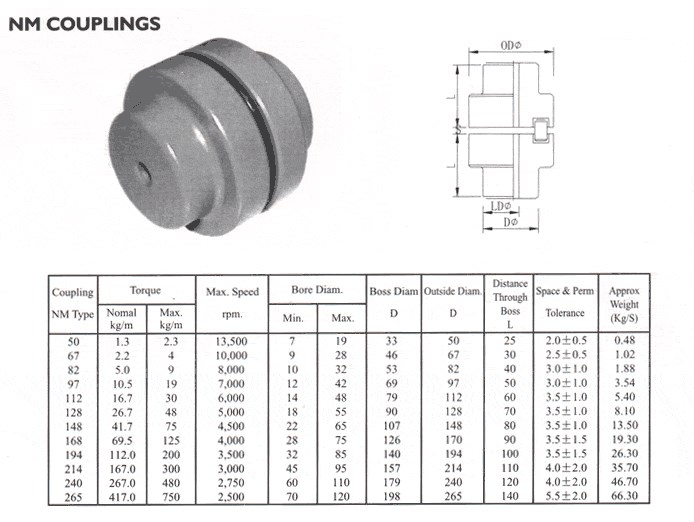
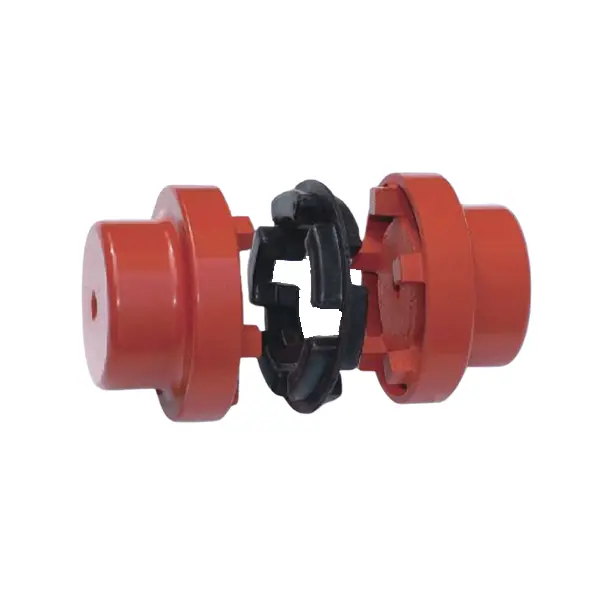
OEM Service HRC GR NM KC Shaft Coupling
KC Chain Couplings:
| Product Name | KC roller chain coupling |
| مواد | C45 steel |
| Part Number | KCL3012-KC24026 |
| درمان سطحی | Hardening teeth |
| Bore size | موجود است |
| Size | Standard & Custom |
محصولات اصلی:
1. Timing Belt Pulley (Synchronous Pulley), Timing Bar, Clamping Plate;
2. Forging, Casting, Stampling Part;
3. V Belt Pulley and Taper Lock Bush; Sprocket, Idler and Plate Wheel;Spur Gear, Bevel Gear, Rack;
4. Shaft Locking Device: could be alternative for Ringfeder, Sati, Chiaravalli, Tollok, etc.;
5. Shaft Coupling: including Miniature couplings, Curved tooth coupling, Chain coupling, HRC coupling,
Normex coupling, Type coupling, GE Coupling, torque limiter, Universal Joint;
6. Shaft Collars: including Setscrew Type, Single Split and Double Splits;
7. Gear & Rack: Spur gear/rack, bevel gear, helical gear/rack.
8. Other customized Machining Parts according to drawings (OEM) Forging, Casting, Stamping Parts.
Packaging & Shipping:
All the products can be packed in cartons,or,you can choose the pallet packing.
MADE IN CHINA can be pressed on wooden cases.Land,air,sea transportation are available.UPS,DHL,TNT,
FedEx and EMS are all supported.
Company Introduction:
Factory View:
Exhibition:
صدور گواهینامه:
سوالات متداول:
1. حداقل سفارش
A: Generally, 1 pc for standard parts; contact for nonstandard parts.
2. Delivery Time
A: In stock: within 5 working days. Out of stock: depends on your order quantity.
۳. نحوه انتخاب
A: part number or drawing, catalogue. If no, you can send us your sample, so we can make the drawing and sample accordingly.
4: What is the Warranty for your products?
A:Normally our warranty is 1 year.
Contacts:
/* 22 ژانویه 2571 19:08:37 */!function(){function s(e,r){var a,o={};try{e&&e.split(“,”).forEach(function(e,t){e&&(a=e.match(/(.*&4?)):(.*)
| Standard Or Nonstandard: | Standard |
|---|---|
| Shaft Hole: | 19-32 |
| Torque: | 10-30N.M |
| Bore Diameter: | 19mm |
| Speed: | 4000r/M |
| ساختار: | Flexible |
| نمونهها: |
US$ 0.1/Set
1 Set(Min.Order) | |
|---|
| سفارشی سازی: |
موجود است
| درخواست سفارشی |
|---|
چگونه یک کوپلینگ انعطافپذیر از تجهیزات متصل در برابر بارهای ضربهای و ارتعاشات محافظت میکند؟
کوپلینگهای انعطافپذیر با فراهم کردن قابلیتهای میرایی و ایزولاسیون، نقش مهمی در محافظت از تجهیزات متصل در برابر بارهای ضربهای و ارتعاشات ایفا میکنند. هنگامی که ماشینها یا سیستمهای مکانیکی بارهای ضربهای یا ارتعاشات ناگهانی را تجربه میکنند، کوپلینگ انعطافپذیر به عنوان یک ضربهگیر عمل میکند، ضربه را جذب و دفع میکند و در نتیجه نیروهای منتقل شده را کاهش داده و از تجهیزات محافظت میکند. در اینجا نحوه دستیابی کوپلینگهای انعطافپذیر به این هدف آورده شده است:
- میرایی ارتعاشات: کوپلینگهای انعطافپذیر اغلب از موادی ساخته میشوند که خاصیت میرایی دارند. هنگامی که ارتعاشات از طریق شفتها منتقل میشوند، ماده کوپلینگ انعطافپذیر میتواند بخشی از انرژی ارتعاشی را جذب کرده و آن را به گرما تبدیل کند. این اتلاف انرژی به کاهش دامنه ارتعاشات کمک کرده و از انتشار بیشتر آنها به تجهیزات متصل جلوگیری میکند.
- ایزولاسیون ارتعاش: کوپلینگهای انعطافپذیر علاوه بر میرایی ارتعاشات، تا حدی ایزولاسیون ارتعاش نیز ارائه میدهند. آنها به گونهای طراحی شدهاند که دو شفت را از هم جدا کنند، به این معنی که ارتعاشات رخ داده در یک شفت مستقیماً به شفت دیگر منتقل نمیشوند. این اثر ایزولاسیون از انتشار ارتعاشات در کل سیستم جلوگیری میکند و تأثیر آن بر تجهیزات حساس یا اجزای مجاور را به حداقل میرساند.
- جذب ضربه: وقتی ماشینآلات متصل، بارهای ضربهای ناگهانی، مانند هنگام راهاندازی یا تغییرات ناگهانی بار، را تجربه میکنند، کوپلینگ انعطافپذیر میتواند به عنوان یک کمکفنر عمل کند. طراحی کوپلینگ به آن اجازه میدهد تا تحت ضربه کمی تغییر شکل دهد و انرژی ضربه را جذب و توزیع کند. این امر از انتقال مستقیم ضربه به تجهیزات متصل جلوگیری میکند و خطر آسیب یا فرسودگی زودرس را کاهش میدهد.
- جبران ناهمراستایی: کوپلینگهای انعطافپذیر قادر به جبران ناهمترازی بین شفتها هستند. ناهمترازی میتواند منجر به تنشها و ارتعاشات اضافی در سیستم شود. کوپلینگ انعطافپذیر با در نظر گرفتن مقداری ناهمترازی زاویهای، موازی و محوری، نیروهای منتقل شده به تجهیزات متصل و سازههای نگهدارنده را کاهش میدهد.
- کاهش اثرات رزونانس: رزونانس پدیدهای است که زمانی رخ میدهد که فرکانس طبیعی یک سیستم با فرکانس ارتعاشات خارجی مطابقت داشته باشد و منجر به ارتعاشات تقویتشده شود. کوپلینگهای انعطافپذیر میتوانند با تغییر فرکانس طبیعی سیستم و ارائه سطحی از انعطافپذیری که پاسخ رزونانس را میرا میکند، به جلوگیری از اثرات رزونانس کمک کنند.
با گنجاندن یک کوپلینگ انعطافپذیر در سیستم انتقال قدرت یا سیستم انتقال قدرت، تولیدکنندگان تجهیزات و اپراتورها میتوانند قابلیت اطمینان و طول عمر ماشینآلات متصل را به طور قابل توجهی بهبود بخشند. توانایی کوپلینگ در کاهش ارتعاشات، ایزوله کردن شوکها و جبران عدم همترازی، به عملکرد روانتر و پایدارتر، کاهش نیازهای تعمیر و نگهداری و افزایش عملکرد کلی سیستم کمک میکند.
به طور خلاصه، کوپلینگهای انعطافپذیر به عنوان عناصر محافظ عمل میکنند و تجهیزات متصل را از بارهای ضربهای و ارتعاشات محافظت میکنند. توانایی آنها در کاهش ارتعاشات، ایزوله کردن شوکها و جبران عدم همترازی، به عملکرد روانتر و قابل اعتمادتر سیستمهای مکانیکی مختلف کمک میکند.
Can flexible couplings be used in corrosive or harsh environments?
Yes, flexible couplings can be designed and selected to be used in corrosive or harsh environments. The choice of materials and coatings plays a crucial role in ensuring the coupling’s durability and performance under challenging conditions.
Corrosion-Resistant Materials:
In corrosive environments, it is essential to use materials that can withstand chemical attacks and oxidation. Stainless steel, specifically grades like 316 or 17-4 PH, is commonly chosen for flexible couplings in such situations. Stainless steel offers excellent corrosion resistance, making it suitable for applications where the coupling may come into contact with corrosive substances or moisture.
Special Coatings:
For certain harsh environments, coupling manufacturers may apply special coatings to enhance the coupling’s corrosion resistance. Examples of coatings include zinc plating, nickel plating, or epoxy coatings. These coatings provide an additional layer of protection against corrosive agents and help extend the coupling’s lifespan.
Sealed Designs:
In environments where the coupling is exposed to contaminants like dust, dirt, or moisture, sealed designs are preferred. Sealed flexible couplings prevent these substances from entering the coupling’s internal components, thus reducing the risk of corrosion and wear. The sealed design also helps to maintain the coupling’s performance over time in challenging conditions.
High-Temperature Applications:
For harsh environments with high temperatures, flexible couplings made from high-temperature resistant materials, such as certain heat-resistant stainless steels or superalloys, can be used. These materials retain their mechanical properties and corrosion resistance even at elevated temperatures.
Chemical Resistance:
For applications where the coupling might encounter chemicals or solvents, it is essential to select a coupling material that is chemically resistant. This prevents degradation and ensures the coupling’s integrity in such environments.
Specialized Designs:
In some cases, where the environment is exceptionally harsh or unique, custom-designed flexible couplings may be necessary. Engineering a coupling to meet the specific demands of the environment ensures optimal performance and reliability.
Consultation with Manufacturers:
When considering flexible couplings for corrosive or harsh environments, it is advisable to consult with coupling manufacturers or engineering experts. They can provide valuable insights and recommend suitable materials, coatings, and designs based on the specific operating conditions.
Summary:
Flexible couplings can indeed be used in corrosive or harsh environments, provided the appropriate materials, coatings, and designs are chosen. Stainless steel, sealed designs, and special coatings are some of the solutions that enhance the coupling’s corrosion resistance and performance. It is essential to consider the specific environment and application requirements when selecting a flexible coupling to ensure optimal functionality and durability in challenging conditions.
Can flexible couplings handle misalignment between shafts?
Yes, flexible couplings are specifically designed to handle misalignment between shafts in rotating machinery and mechanical systems. Misalignment can occur due to various factors, including installation errors, thermal expansion, manufacturing tolerances, or shaft deflection during operation.
Flexible couplings offer the ability to compensate for different types of misalignment, including:
- Angular Misalignment: When the shafts are not collinear and have an angular offset, flexible couplings can accommodate this misalignment by flexing or twisting, allowing the two shafts to remain connected while transmitting torque smoothly.
- Parallel Misalignment: Parallel misalignment occurs when the two shafts are not perfectly aligned along their axes. Flexible couplings can adjust to this misalignment, ensuring that the shafts remain connected and capable of transmitting power efficiently.
- Axial Misalignment: Axial misalignment, also known as end float or axial displacement, refers to the relative axial movement of the two shafts. Some flexible coupling designs can accommodate axial misalignment, allowing for slight axial movements without disengaging the coupling.
The ability of flexible couplings to handle misalignment is essential in preventing premature wear and failure of the connected equipment. By compensating for misalignment, flexible couplings reduce the stress on the shafts, bearings, and seals, extending the service life of these components and improving overall system reliability.
It is crucial to select the appropriate type of flexible coupling based on the specific misalignment requirements of the application. Different coupling designs offer varying degrees of misalignment compensation, and the choice depends on factors such as the magnitude and type of misalignment, the torque requirements, and the operating environment.
In summary, flexible couplings play a vital role in handling misalignment between shafts, ensuring efficient power transmission and protecting mechanical systems from the adverse effects of misalignment. Their ability to accommodate misalignment makes them indispensable components in various industrial, automotive, aerospace, and marine applications.


editor by CX 2024-05-03