توضیحات محصول
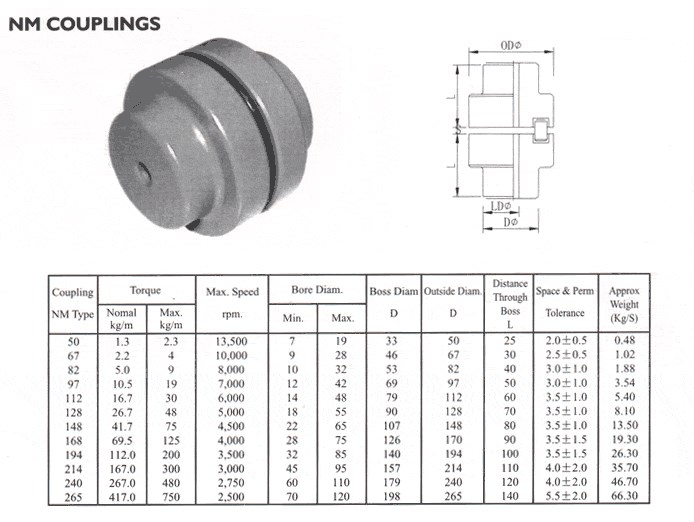
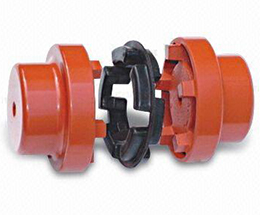
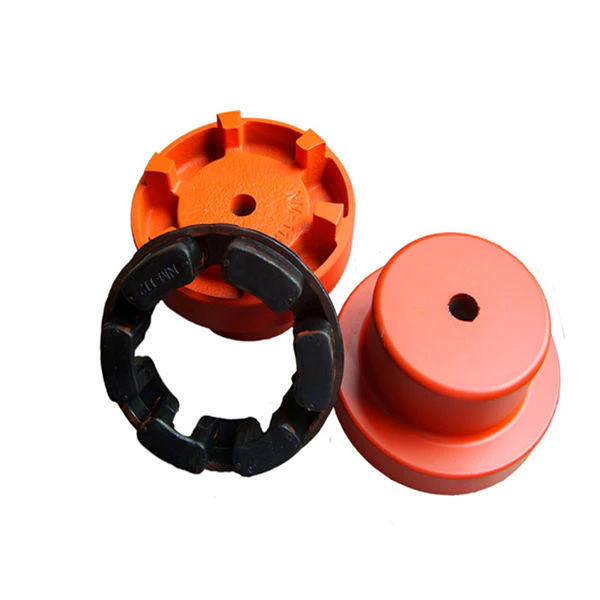
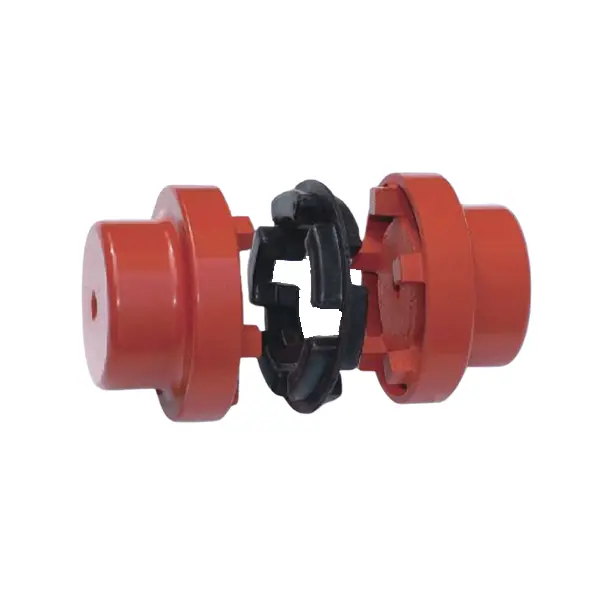
Flexible NM couplings
1. Material: 45#steel and NBR rubber
2. Easy to maintain
3. High precision
4. OEM
Flexible NM couplings advantage:
1. Construction:
1)NM type is precisely produced by a special designed synthetic rubber with 2 similar bodies of cast iron
2)Designed not only for the power transmission but also for protection of flexible rubber
3)Made of rubber and steel cores are inserted in the teeth so as to provide excellent durability and performance of coupling
2. Applications:
Pumps, fans, compressors, vehicles, transporting equipments, constructors, cement mixers, tractors, transmission machines,
Metal working machines, rollers and all other transmissions
3. Features:
1)Economical and practical using
2)Quiet and smooth operation
3)Easy installation and maintenance
4)Available to machines with high torque and intermittent operation
5)Characteristics of the synthetic rubber: Proper elasticity and resistance to damping, oil, acids and alkalies
We can also supply chain coupling, roller chain coupling, rigid couplings, flexible couplings, fcl coupling, flexible rubber fcl coupling, fcl flexible coupling, forged steel fcl coupling, flexible coupling fcl, fcl flexible shaft coupling, jaw coupling, hrc coupling, CHINAMFG coupling, cast steel coupling, aluminum coupling, stainless steel coupling, pin coupling, mh coupling, nm coupling, spacer coupling, taper lock rigid coupling, flange coupling, sleeve coupling, nylon sleeve gear coupling, gear coupling, crc coupling, js coupling
Competitive Advantage:
More than 20 years advanced technology and experience of us will give strong support for the coupling you need. We will understand your need of product quickly, and give quick respond and good service. A lot of cases of our products will show you that it worth your trust.
Under the full quality control system, our products go through the precise product line and strict testing process. We have excellent working flow and standard to ensure stability, products reliable enough for using.
Take our scale economy, raw material superiority, and CHINAMFG for clients to account, our price do have a great competitiveness. They are good value and cost effective than your imagine.
We sincerely hope establishing long and friendly business relations with clients from all over the world. Our goal is not just providing product, but also providing a complete solution including product design, tooling, fabrication and service for our customers to achieve their upmost satisfaction.
| Place of Origin: |
| Brand Name: |
| صدور گواهینامه: |
| Model Number: |
/* 22 ژانویه 2571 19:08:37 */!function(){function s(e,r){var a,o={};try{e&&e.split(“,”).forEach(function(e,t){e&&(a=e.match(/(.*&4?)):(.*)
| Standard: | DIN, ANSI, GB, JIS, BSW |
|---|---|
| Material: | Low Carbon Steel |
| اتصال: | Flange |
| Surface Treatment: | Galvanized Sheet |
| Head Type: | Hexagon |
| Module: | Nm Coupling |
| سفارشی سازی: |
موجود است
| درخواست سفارشی |
|---|
Can flexible couplings be used in both horizontal and vertical shaft arrangements?
Yes, flexible couplings can be used in both horizontal and vertical shaft arrangements. The design of flexible couplings allows them to accommodate misalignment and compensate for angular, parallel, and axial displacements between the shafts, making them suitable for various shaft orientations.
Horizontal Shaft Arrangements:
In horizontal shaft arrangements, where the shafts are parallel to the ground or horizontal plane, flexible couplings are commonly used to connect two rotating shafts. These couplings help transmit torque from one shaft to another while accommodating any misalignment that may occur during operation. Horizontal shaft arrangements are common in applications such as pumps, compressors, conveyors, and industrial machinery.
Vertical Shaft Arrangements:
In vertical shaft arrangements, where the shafts are perpendicular to the ground or vertical plane, flexible couplings are also applicable. Vertical shafts often require couplings that can handle the additional weight and forces resulting from gravity. Flexible couplings designed for vertical applications can support the weight of the rotating equipment while allowing for some axial movement to accommodate thermal expansion or other displacements. Vertical shaft arrangements are commonly found in applications such as pumps, gearboxes, turbines, and some marine propulsion systems.
Considerations for Vertical Shaft Arrangements:
When using flexible couplings in vertical shaft arrangements, there are a few additional considerations to keep in mind:
- Thrust Load: Vertical shafts can generate thrust loads, especially in upward or downward direction. The flexible coupling should be selected based on its capacity to handle both radial and axial loads to accommodate these forces.
- Lubrication: Some vertical couplings may require additional lubrication to ensure smooth operation and reduce wear, particularly if they are exposed to high axial loads or extended vertical shafts.
- Support and Bearing: Proper support and bearing arrangements for the vertical shaft are essential to prevent excessive shaft deflection and ensure the flexible coupling functions correctly.
Overall, flexible couplings are versatile and adaptable to various shaft orientations, providing efficient power transmission and misalignment compensation. Whether in horizontal or vertical arrangements, using the appropriate flexible coupling design and considering the specific application requirements will help ensure reliable and efficient operation.
What are the differences between elastomeric and metallic flexible coupling designs?
Elastomeric and metallic flexible couplings are two distinct designs used to transmit torque and accommodate misalignment in mechanical systems. Each type offers unique characteristics and advantages, making them suitable for different applications.
Elastomeric Flexible Couplings:
Elastomeric flexible couplings, also known as flexible or jaw couplings, employ an elastomeric material (rubber or similar) as the flexible element. The elastomer is typically molded between two hubs, and it acts as the connector between the driving and driven shafts. The key differences and characteristics of elastomeric couplings include:
- جبران ناهمراستایی: Elastomeric couplings are designed to handle moderate levels of angular, parallel, and axial misalignment. The elastomeric material flexes to accommodate the misalignment while transmitting torque between the shafts.
- میرایی ارتعاش: The elastomeric material in these couplings offers excellent vibration dampening properties, reducing the transmission of vibrations from one shaft to another. This feature helps protect connected equipment from excessive vibrations and enhances system reliability.
- جذب بار ضربه: Elastomeric couplings can absorb and dampen shock loads, protecting the system from sudden impacts or overloads.
- Cost-Effective: Elastomeric couplings are generally more cost-effective compared to metallic couplings, making them a popular choice for various industrial applications.
- Simple Design and Installation: Elastomeric couplings often have a straightforward design, allowing for easy installation and maintenance.
- Lower Torque Capacity: These couplings have a lower torque capacity compared to metallic couplings, making them suitable for applications with moderate torque requirements.
- Common Applications: Elastomeric couplings are commonly used in pumps, compressors, fans, conveyors, and other applications that require moderate torque transmission and misalignment compensation.
Metallic Flexible Couplings:
Metallic flexible couplings use metal components (such as steel, stainless steel, or aluminum) to connect the driving and driven shafts. The metallic designs can vary significantly depending on the type of metallic coupling, but some general characteristics include:
- High Torque Capacity: Metallic couplings have higher torque transmission capabilities compared to elastomeric couplings. They are well-suited for applications requiring high torque handling.
- جبران ناهمراستایی: Depending on the design, some metallic couplings can accommodate minimal misalignment, but they are generally not as flexible as elastomeric couplings in this regard.
- Stiffer Construction: Metallic couplings are generally stiffer than elastomeric couplings, offering less vibration dampening but higher torsional stiffness.
- Compact Design: Metallic couplings can have a more compact design, making them suitable for applications with limited space.
- Higher Precision: Metallic couplings often offer higher precision and concentricity, resulting in better shaft alignment.
- Higher Cost: Metallic couplings are typically more expensive than elastomeric couplings due to their construction and higher torque capacity.
- Common Applications: Metallic couplings are commonly used in high-speed machinery, precision equipment, robotics, and applications with high torque requirements.
Summary:
In summary, the main differences between elastomeric and metallic flexible coupling designs lie in their flexibility, torque capacity, vibration dampening, cost, and applications. Elastomeric couplings are suitable for applications with moderate torque, misalignment compensation, and vibration dampening requirements. On the other hand, metallic couplings are chosen for applications with higher torque and precision requirements, where flexibility and vibration dampening are less critical.
چه موادی معمولاً در ساخت کوپلینگهای انعطافپذیر استفاده میشوند؟
کوپلینگهای انعطافپذیر با استفاده از مواد متنوعی ساخته میشوند که هر کدام خواص و ویژگیهای متفاوتی را برای کاربردهای خاص ارائه میدهند. انتخاب ماده به عواملی مانند الزامات کاربرد، شرایط محیطی، ظرفیت گشتاور و انعطافپذیری مورد نظر بستگی دارد. در اینجا برخی از مواد رایج در ساخت کوپلینگهای انعطافپذیر آورده شده است:
- فولاد: فولاد به دلیل استحکام، دوام و قابلیتهای عالی انتقال گشتاور، مادهای پرکاربرد در کوپلینگهای انعطافپذیر است. کوپلینگهای فولادی برای کاربردهای صنعتی سنگین با نیاز به گشتاور بالا و شرایط عملیاتی سخت مناسب هستند.
- فولاد ضد زنگ: فولاد ضد زنگ اغلب برای ساخت کوپلینگهای انعطافپذیر در محیطهایی با پتانسیل خوردگی بالا استفاده میشود. کوپلینگهای فولاد ضد زنگ مقاومت بسیار خوبی در برابر زنگزدگی و سایر عناصر خورنده دارند و آنها را برای کاربردهای دریایی، فرآوری مواد غذایی و صنایع شیمیایی ایدهآل میکنند.
- آلومینیوم: کوپلینگهای آلومینیومی سبک هستند، اینرسی کمی دارند و تعادل بسیار خوبی را فراهم میکنند. آنها معمولاً در کاربردهایی که کاهش وزن بسیار مهم است، مانند هوافضا و رباتیک، استفاده میشوند.
- برنج: کوپلینگهای برنجی به دلیل رسانایی الکتریکی خود شناخته شدهاند و در کاربردهایی که اتصال زمین الکتریکی یا ایزولاسیون الکتریکی مورد نیاز است، مانند برخی ماشینآلات صنعتی یا تجهیزات الکترونیکی، مورد استفاده قرار میگیرند.
- چدن: کوپلینگهای چدنی استحکام و دوام خوبی دارند و اغلب در کاربردهای صنعتی که مقاومت در برابر بارهای ضربهای و ارتعاشات ضروری است، مورد استفاده قرار میگیرند.
- پلاستیک/پلیمر: برخی از کوپلینگهای انعطافپذیر از پلیمرها یا پلاستیکهای با کارایی بالا مانند پلی اورتان یا نایلون استفاده میکنند. این مواد انعطافپذیری خوب، اصطکاک کم و مقاومت در برابر مواد شیمیایی را فراهم میکنند. کوپلینگهای پلاستیکی برای کاربردهایی مناسب هستند که مقاومت در برابر خوردگی و سبک بودن ضروری است.
- الاستومرها: الاستومرها به عنوان عناصر انعطافپذیر در بسیاری از کوپلینگهای انعطافپذیر استفاده میشوند. موادی مانند لاستیک طبیعی، نئوپرن یا اورتان معمولاً به عنوان عناصر عنکبوتی الاستومری استفاده میشوند که انعطافپذیری و خواص میرایی ارتعاش را فراهم میکنند.
انتخاب جنس کوپلینگ به نیازهای خاص کاربرد بستگی دارد. به عنوان مثال، کاربردهای با کارایی بالا و سنگین ممکن است برای استحکام خود به کوپلینگهای فولادی یا فولاد ضد زنگ نیاز داشته باشند، در حالی که کاربردهایی که کاهش وزن بسیار مهم است ممکن است از کوپلینگهای آلومینیومی یا پلیمری بهره ببرند. علاوه بر این، انتخاب جنس تحت تأثیر عواملی مانند محدوده دما، قرار گرفتن در معرض مواد شیمیایی و الزامات الکتریکی در محیط عملیاتی کاربرد قرار میگیرد.
تولیدکنندگان معمولاً مشخصات مواد کوپلینگهای خود را ارائه میدهند و به کاربران کمک میکنند تا بر اساس نیازهای خاص کاربردهای خود، تصمیمات آگاهانهای بگیرند.


editor by CX 2024-05-16