توضیحات محصول
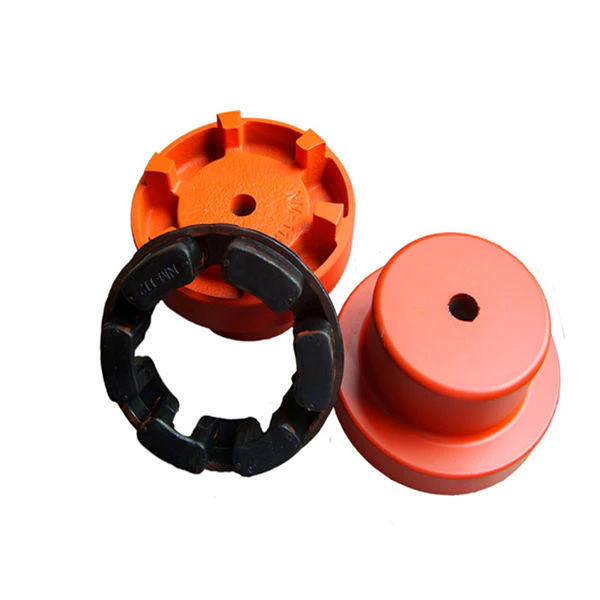
Type NM Rubber Coupling Made with Black CSM + SBR Rubber (3A2006)
| مواد: | NBR، CSM/SBR | رنگ: | سیاه |
| Tensile Strength: | 12 مگاپاسکال | سختی: | ۸۰ ساحل الف |
| کشیدگی: | 350% | تراکم: | ۱.۲۵ گرم بر سانتیمتر مکعب |
| اندازه: | NM50، NM67، NM82، NM97، NM112، NM128، NM148، NM168، NM194، NM214، NM240، NM265 |
NM50-265 coupling , rubber coupling , polyurethane coupling for pumps, fans, compressors, vehicles, transporting equipme
کوپلینگ NM
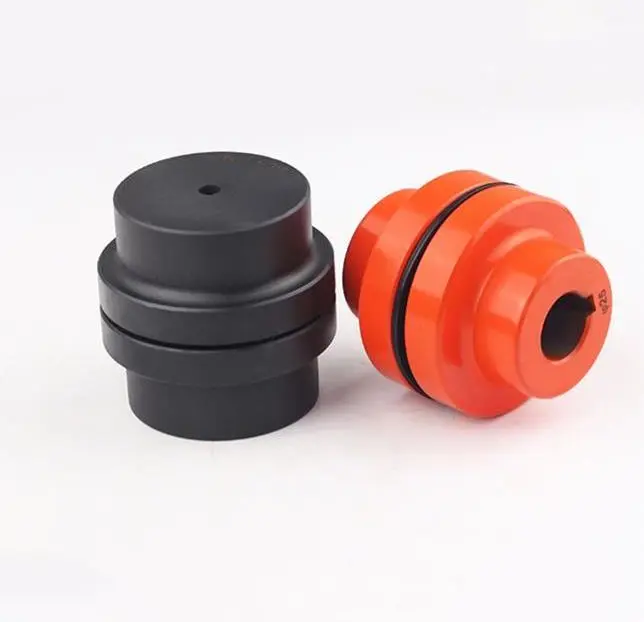
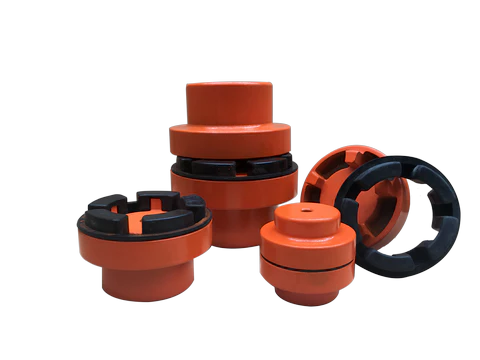
نوع NM دقیقاً توسط یک لاستیک مصنوعی با طراحی خاص و دو بدنه مشابه از چدن تولید میشود.
فلنجهای چدنی:
Designed not only for the power transmission but also for protection of flexible rubber
لاستیک انعطافپذیر: کاربردها برای پمپها، فنها، کمپرسورها، وسایل نقلیه، تجهیزات حمل و نقل، سازندگان، میکسرهای سیمان، تراکتورها، ماشینهای انتقال قدرت، ماشینهای فلزکاری، غلتکها و سایر سیستمهای انتقال قدرت
هستههای ساخته شده از لاستیک و فولاد در دندانهها قرار داده شدهاند تا دوام و عملکرد عالی کوپلینگ را فراهم کنند.
ویژگیها:
استفاده اقتصادی و کاربردی
عملکرد آرام و روان
نصب و نگهداری آسان
قابل استفاده برای ماشین آلات با گشتاور بالا و عملکرد متناوب
ویژگیهای لاستیک مصنوعی: خاصیت ارتجاعی مناسب و مقاومت در برابر میرایی، روغن، اسیدها و قلیاها
مشخصات:
۱: دارای گواهینامه CE
2: تشخیص کامل کیفیت قبل از تحویل
3: OEM is welcomed
4: تجربه غنی در ریخته گری دقیق
مواد: CSM/SBR، NBR
رنگ: مشکی.
سطح: صاف
استحکام کششی: 12 مگاپاسکال
سختی: 80Shore A
کشیدگی: 400%
چگالی: ۱.۲۵ گرم بر سانتیمتر مکعب
تاثیر کشش: >25%
مقاومت پارگی: 35 کیلونیوتن بر متر مربع
دمای کار: ۱۰۰ درجه سانتیگراد
اندازه استاندارد:
NM50، NM67، NM82، NM97، NM112، NM128، NM148، NM168، NM194، NM214، NM240، NM265
مشخصات فیزیکی: ساخته شده با تزریق پلیاستر یا قالب CSM/SBR با کیفیت بالا. این محصول برای انواع کوپلینگهای شفت فلزی با عملکرد بسیار خوب از جمله استحکام کششی بالا، مقاومت بالا در برابر سایش، انعطافپذیری الاستیک بالا، مقاومت در برابر آب، مقاومت در برابر روغن و انعطافپذیری عالی در برابر خستگی، مقاومت بالا در برابر ضربه و غیره طراحی و ویژه شده است. ما مجموعه کاملی از قالبها را داریم و طیف کاملی از کوپلینگهای سری GR، GS، MT، Hb، HRC، L، NM و Gear J را با کیفیت بالا و تجربه عالی ارائه میدهیم. برای انواع کوپلینگهای شفت فلزی صنعتی قابل استفاده است.
مشخصات:
جنس: پلیاستر، CSM/SBR
color: yellow, red, purple, green, black etc.
سطح: صاف
استحکام کششی: 12-55 مگاپاسکال
سختی: 80-98Shore A
کشیدگی: 400%-650%
چگالی: ۱.۲۵ گرم بر سانتیمتر مکعب
تاثیر کشش: >25%
مقاومت پارگی: 35-155 کیلونیوتن بر متر مربع
افت سایش آکرون: <0.05cm3/1.61km
تنظیم فشرده سازی (22 ساعت * 70 درجه سانتیگراد): <10%
دمای کار: ۱۲۰ درجه سانتیگراد
اندازه استاندارد برای کوپلینگ پلی اورتان:
GR14، GR19، GR24، GR28، GR38، GR42، GR48، GR55، GR65، GR75، GR90، GR100، GR110، GR125، GR140، GR160، GR180
MT1، MT2، MT3، MT4، MT5، MT6، MT7، MT8، MT9، MT10، MT11، MT12، MT13
HRC70، HRC90، HRC110، HRC130، HRC150، HRC180، HRC230، HRC280
L35، L50، L70، L75، L90/95، L99/100، L110، L150، L190، L225، L276
فالک-آر ۱۰آر، ۲۰آر، ۳۰آر، ۴۰آر، ۵۰آر، ۶۰آر، ۷۰آر، ۸۰آر
اندازه استاندارد برای کوپلینگ لاستیکی:
اچبی۸۰، اچبی۹۵، اچبی۱۱۰، اچبی۱۲۵، اچبی۱۴۰، اچبی۱۶۰، اچبی۱۸۰، اچبی۲۰۰، اچبی۲۴۰، اچبی۲۸۰، اچبی۳۱۵
HRC70، HRC90، HRC110، HRC130، HRC150، HRC180، HRC230، HRC280
L35، L50، L70، L75، L90/95، L99/100، L110، L150، L190، L225
NM50، NM67، NM82، NM97، NM112، NM128، NM148، NM168، NM194، NM214، NM240، NM265
Gear 3J, 4J, 5J, 6J, 7J, 8J, 9J, 10J, 11J
قالب سازی با اندازه خاص طبق نقشه های خریدار
***هنگام استعلام، لطفاً شماره و مقدار محصول را تأیید کنید***
| Standard: | DIN, ANSI, GB |
|---|---|
| مواد: | Csm+SBR |
| اتصال: | Flange |
| Surface Treatment: | Nothing |
| Head Type: | Round |
| نوع: | Nm Type |
| نمونهها: |
US$ 10/Piece
۱ قطعه (حداقل سفارش) | |
|---|
| سفارشی سازی: |
موجود است
| درخواست سفارشی |
|---|

What are the maintenance requirements for flexible couplings?
Maintenance of flexible couplings is essential to ensure their reliable and efficient performance over their service life. Proper maintenance helps prevent premature wear, reduces the risk of unexpected failures, and extends the lifespan of the couplings. Here are some key maintenance requirements for flexible couplings:
- Regular Inspection: Perform regular visual inspections of the flexible couplings to check for signs of wear, damage, or misalignment. Look for cracks, tears, or any other visible issues in the coupling components.
- Lubrication: Some flexible couplings, especially those with moving parts or sliding surfaces, may require periodic lubrication. Follow the manufacturer’s recommendations regarding the type and frequency of lubrication to ensure smooth operation.
- Alignment Checks: Misalignment is a common cause of coupling failure. Regularly check the alignment of the connected shafts and adjust as necessary. Proper alignment reduces stress on the coupling and improves power transmission efficiency.
- Torque Monitoring: Monitoring the torque transmitted through the coupling can help detect any abnormal or excessive loads. If the coupling is subjected to loads beyond its rated capacity, it may lead to premature failure.
- Environmental Protection: If the couplings are exposed to harsh environmental conditions, take measures to protect them from dust, dirt, moisture, and corrosive substances. Consider using protective covers or seals to shield the couplings from potential contaminants.
- Temperature Considerations: Ensure that the operating temperature of the flexible coupling is within its designed range. Excessive heat can accelerate wear, while extremely low temperatures may affect the flexibility of certain coupling materials.
- Replace Worn or Damaged Parts: If any components of the flexible coupling show signs of wear or damage, replace them promptly with genuine replacement parts from the manufacturer.
- Manufacturer’s Guidelines: Follow the maintenance guidelines provided by the coupling manufacturer. They often include specific maintenance intervals and procedures tailored to the coupling’s design and materials.
- Training and Expertise: Ensure that maintenance personnel have the necessary training and expertise to inspect and maintain the flexible couplings properly. Improper maintenance practices can lead to further issues and compromise the coupling’s performance.
By adhering to these maintenance requirements, you can maximize the service life of the flexible couplings and minimize the risk of unexpected downtime or costly repairs. Regular maintenance helps maintain the efficiency and reliability of the coupling in various industrial, automotive, and machinery applications.
What role does a flexible coupling play in reducing downtime and maintenance costs?
A flexible coupling plays a significant role in reducing downtime and maintenance costs in industrial machinery and rotating equipment. Here are the key ways in which flexible couplings contribute to these benefits:
- جبران ناهمراستایی: One of the primary functions of a flexible coupling is to accommodate misalignment between two connected shafts. Misalignment can occur due to various factors such as thermal expansion, foundation settling, or manufacturing tolerances. By allowing for misalignment, flexible couplings reduce the transmission of harmful forces and stresses to connected components, minimizing wear and preventing premature failures that could lead to costly downtime and repairs.
- میرایی ارتعاش: Flexible couplings have inherent damping properties due to the elastomeric or flexible elements they incorporate. These elements absorb and dissipate vibration and shock loads that may arise from the operation of rotating machinery. By dampening vibrations, flexible couplings protect the connected equipment from excessive wear and fatigue, extending their service life and reducing the need for frequent maintenance or replacement.
- جذب بار ضربه: In applications where sudden loads or shocks are common, such as in heavy machinery or high-speed equipment, flexible couplings act as shock absorbers. They can absorb and dissipate the impact energy, preventing damage to the machinery and minimizing downtime caused by unexpected failures or breakdowns.
- Easy Installation and Alignment: Flexible couplings are designed for ease of installation and alignment. Unlike rigid couplings that require precise shaft alignment, flexible couplings can tolerate some degree of misalignment during installation. This feature simplifies the setup process, reduces installation time, and lowers the risk of misalignment-related issues, ultimately minimizing downtime during initial installation or replacement of couplings.
- Reduced Maintenance Frequency: The ability of flexible couplings to handle misalignment and dampen vibrations results in reduced wear on bearings, seals, and other connected components. Consequently, the frequency of maintenance intervals can be extended, reducing the need for frequent inspections and component replacements. This directly translates to lower maintenance costs and less downtime for maintenance tasks.
- Equipment Protection: By reducing the transmission of shock loads and vibrations, flexible couplings act as protective barriers for connected equipment. They help prevent catastrophic failures and subsequent damage to expensive machinery, avoiding unplanned shutdowns and costly repairs.
Overall, flexible couplings are critical components that improve the reliability and longevity of rotating equipment. Their ability to handle misalignment, dampen vibrations, and protect against shock loads contributes to reduced downtime, lower maintenance costs, and increased productivity in industrial applications.
What are the advantages of using flexible couplings in mechanical systems?
Flexible couplings offer several advantages in mechanical systems, making them essential components in various applications. Here are the key advantages of using flexible couplings:
- جبران ناهمراستایی: One of the primary advantages of flexible couplings is their ability to compensate for shaft misalignment. In mechanical systems, misalignment can occur due to various factors such as installation errors, thermal expansion, or shaft deflection. Flexible couplings can accommodate angular, parallel, and axial misalignment, ensuring smooth power transmission and reducing stress on the connected equipment and shafts.
- میرایی ارتعاش: Flexible couplings act as damping elements, absorbing and dissipating vibrations and shocks generated during operation. This feature helps to reduce noise, protect the equipment from excessive wear, and enhance overall system reliability and performance.
- Torsional Flexibility: Flexible couplings provide torsional flexibility, allowing them to handle slight angular and axial deflections. This capability protects the equipment from sudden torque fluctuations, shock loads, and torque spikes, ensuring smoother operation and preventing damage to the machinery.
- Overload Protection: In case of sudden overloads or torque spikes, flexible couplings can absorb and distribute the excess torque, protecting the connected equipment and drivetrain from damage. This overload protection feature prevents unexpected failures and reduces downtime in critical applications.
- Reduce Wear and Maintenance: By compensating for misalignment and damping vibrations, flexible couplings help reduce wear on the connected equipment, bearings, and seals. This results in extended component life and reduced maintenance requirements, leading to cost savings and improved system reliability.
- جبران انبساط حرارتی: In systems exposed to temperature variations, flexible couplings can compensate for thermal expansion and contraction, maintaining proper alignment and preventing binding or excessive stress on the equipment during temperature changes.
- Electric Isolation: Some types of flexible couplings, such as disc couplings, offer electrical isolation between shafts. This feature is beneficial in applications where galvanic corrosion or electrical interference between connected components needs to be minimized.
- Space and Weight Savings: Flexible couplings often have compact designs and low inertia, which is advantageous in applications with space constraints and where minimizing weight is crucial for performance and efficiency.
- Cost-Effectiveness: Flexible couplings are generally cost-effective solutions for power transmission and motion control, especially when compared to more complex and expensive coupling types. Their relatively simple design and ease of installation contribute to cost savings.
In summary, flexible couplings play a vital role in mechanical systems by providing misalignment compensation, vibration damping, overload protection, and torsional flexibility. These advantages lead to improved system performance, reduced wear and maintenance, and enhanced equipment reliability, making flexible couplings a preferred choice in various industrial, automotive, marine, and aerospace applications.


editor by CX 2023-12-13